


This article was originally published on Crafting Your Home. A human contributor also wrote and edited the post.
Iran’s nuclear program has once again moved to the center of international debate after a senior commander made comments suggesting Tehran will continue developing nuclear capabilities as long as the United States and Israel maintain their own nuclear weapons.
The remarks by Islamic Revolutionary Guard Corps (IRGC) commander-in-chief Ahmad Vahidi have intensified concerns among global leaders and analysts who have spent years monitoring Iran’s nuclear activities.
His comments come at a time when diplomatic efforts remain fragile and tensions between Iran, Israel, and Western countries continue to shape regional security discussions.
Vahidi’s statement has raised new questions about whether Iran’s nuclear ambitions are primarily focused on deterrence, negotiation leverage, or a broader military strategy.
According to reports of his remarks, Vahidi argued that Iran views its nuclear activities as part of its national security strategy rather than a temporary negotiating tool. He said Tehran would continue pursuing nuclear capabilities as long as countries it considers adversaries maintain their own nuclear arsenals.
“As long as the United States and Israel possess nuclear weapons, we will continue working on them for our national security,” Vahidi said, according to translations of the comments. “If they disarm, we will disarm.”
The statement immediately attracted international attention because Iran has repeatedly insisted that its nuclear program is intended for peaceful purposes, while the United States, Israel, and several other governments have expressed concerns that Tehran could eventually develop the ability to produce nuclear weapons.
Iran Links Nuclear Program to U.S. and Israeli Weapons
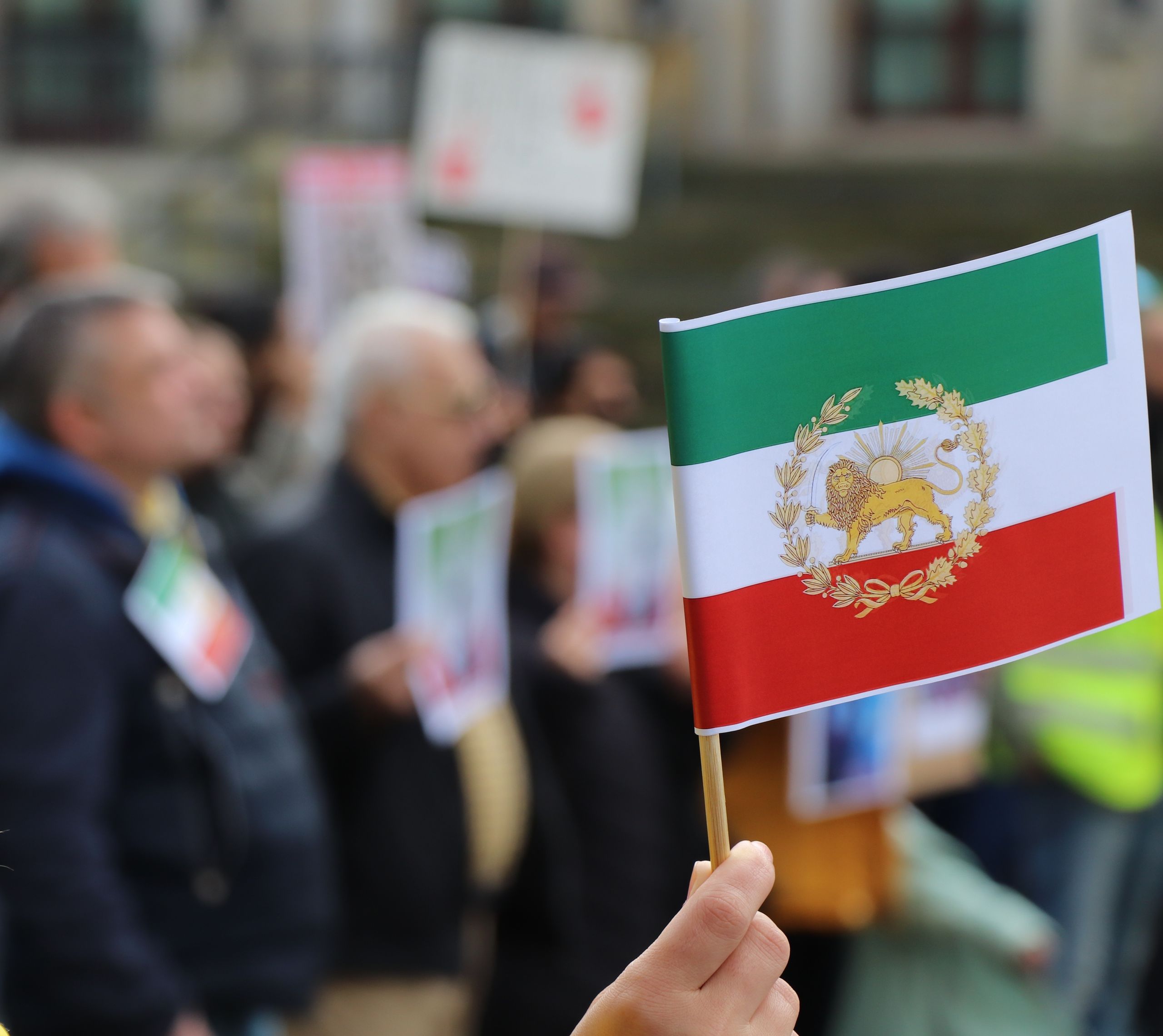
The comments represent one of the clearest recent public statements from a senior Iranian military figure connecting Tehran’s nuclear ambitions directly to the nuclear capabilities of its rivals.
For years, Iran has maintained that its nuclear program is designed for peaceful purposes, including energy production and scientific research.
However, Western governments and Israeli officials have repeatedly raised concerns about Iran’s enrichment activities, arguing that Tehran has moved closer to developing the ability to produce a nuclear weapon.
The latest remarks from Vahidi appear to reinforce fears among critics who believe Iran is keeping the option of a nuclear weapons program open.
The timing of the statement has also drawn scrutiny. The comments came as diplomatic discussions continue around broader regional security issues, including tensions connected to the Strait of Hormuz, one of the world’s most important energy shipping routes.
Some nuclear experts have warned that Iran could attempt to use wider regional negotiations as leverage, seeking sanctions relief or political concessions while delaying difficult discussions about its nuclear capabilities.
The Strait of Hormuz has remained a critical pressure point in global security because a significant portion of the world’s oil shipments pass through the narrow waterway. Any prolonged instability in the region could have consequences far beyond the Middle East.
Netanyahu Promises Israel Will Prevent Iranian Nuclear Weapon
Israeli Prime Minister Benjamin Netanyahu responded sharply to Vahidi’s comments, saying Israel would continue taking steps to prevent Iran from obtaining a nuclear weapon regardless of whether a diplomatic agreement is reached.
“Today, we heard the commander of the Revolutionary Guards, Vahidi, explicitly declare Iran’s intention to continue developing nuclear weapons,” Netanyahu said during a ceremony honoring the family of Zionist leader Theodor Herzl.
“Today, as prime minister of Israel, I too am determined to continue preventing Iran from possessing nuclear weapons,” he added.
Netanyahu has consistently argued that a nuclear-armed Iran would pose an existential threat to Israel and has repeatedly emphasized that Jerusalem will not rely solely on diplomacy to address the issue.
The Israeli leader also praised President Donald Trump, calling him one of Israel’s strongest supporters in the White House and highlighting cooperation between the two countries over Iran’s nuclear ambitions.
“Israel’s existence is not subject to negotiation,” Netanyahu said. “With an agreement or without an agreement, I am determined, we are all determined, to do whatever is necessary to ensure our security and our future.”
His comments reflected Israel’s long-standing position that preventing Iran from acquiring nuclear weapons remains a top national security priority.
Nuclear Negotiations Face New Pressure
The latest exchange between Iranian and Israeli leaders comes as questions grow over the future of nuclear diplomacy.
Analysts have warned that any negotiations with Tehran will likely face major challenges, particularly over verification measures, uranium enrichment limits, and guarantees that Iran will not move toward weaponization.
Supporters of diplomacy argue that agreements remain the best way to prevent escalation and create a system for monitoring Iran’s nuclear activities. Critics, however, argue that previous negotiations allowed Tehran to preserve key elements of its nuclear infrastructure.
The dispute highlights the wider challenge facing world powers: finding a balance between preventing nuclear proliferation and avoiding a broader military confrontation in the Middle East.
For Israel, the issue remains a red line. For Iran, leaders have continued to portray the nuclear program as a symbol of sovereignty and resistance against foreign pressure.
With both sides refusing to back down, the latest statements from Tehran and Jerusalem suggest that the nuclear standoff remains far from resolved. The coming negotiations could determine whether the region moves toward a new diplomatic arrangement or enters another period of heightened confrontation.
If you like what you just read, then subscribe to our newsletter and follow us on social media.


