
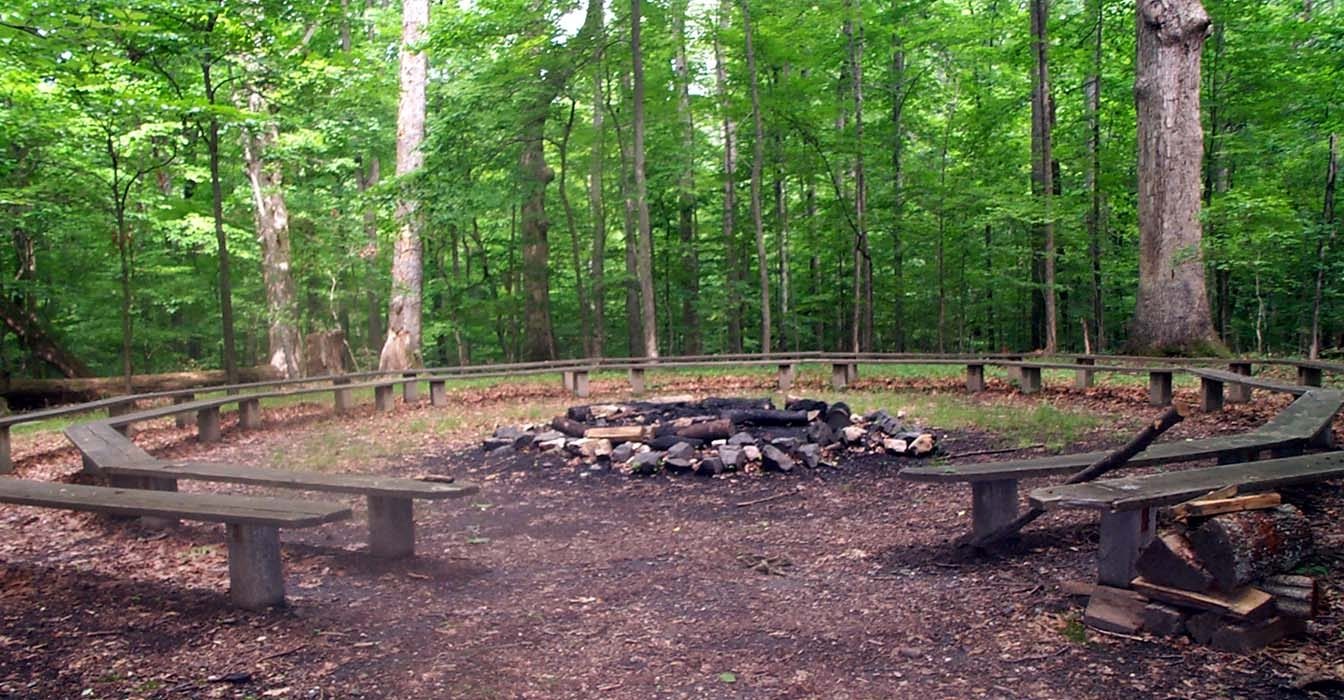

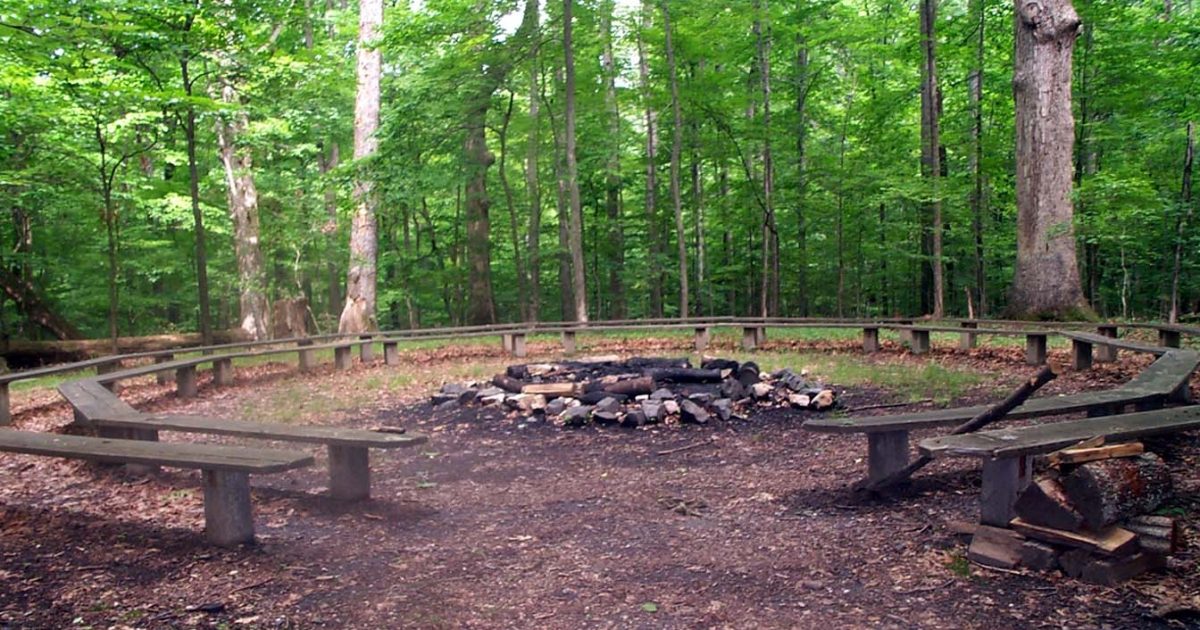
A campfire in a national forest comes with a short federal rulebook, and much of it fits in one section of the Code of Federal Regulations: 36 CFR 261.5, the rule on fire. Seven of its prohibitions speak directly to what happens around a campfire, from where a spark lands to how a fire is left.
The seven covered here are carelessly throwing ignited material, causing vegetation to burn without a permit, building a fire without clearing the area, failing to keep control of a fire, leaving a fire that is not completely out, using fireworks or exploding targets, and breaking a state burning law. Each is plain on the page, and each is listed below in the words of the regulation.
Where the Spark Lands

1. Carelessly or negligently throwing or placing an ignited substance
Paragraph (a) of the rule makes it illegal to carelessly or negligently throw or place any ignited substance or other substance that may cause a fire. The Forest Service’s Stanislaus National Forest page gives an everyday example, telling smokers never to toss cigarette butts on the ground.
The site’s look at things visitors do in national parks that break federal rules shows how easily everyday habits can run into federal law on public land. Frenz Hub’s guide to three-piece luggage sets for holiday trips is a reminder that many families pack the car for getaways well into the cold months.
2. Causing timber, trees, slash, brush or grass to burn without a permit
Paragraph (c) bars causing timber, trees, slash, brush or grass to burn except as authorized by permit. A campfire that spreads into the surrounding vegetation falls under this wording, since the rule is aimed at fire that burns what it was never meant to.
Camping has a long history in American family travel, a story the site tells in its look at vintage campers and motorhomes that took families across the country. For a trip that still starts with a packed bag, Frenz Hub’s roundup of carry-on suitcases worth packing covers the gear side.
Building and Tending the Fire
3. Building a campfire without removing flammable material around it
Paragraph (f) forbids building, attending, maintaining or using a campfire without removing all flammable material from around it, enough to stop the fire from escaping. Forest pages put numbers on the idea. The Forest Service’s Stanislaus National Forest guidance and its Mendocino National Forest page both advise clearing a 10-foot area down to bare soil and building fires only in designated fire rings.
Fire habits matter at home too. The site’s checklist of checks for the fireplace and chimney before the first fire of the season follows the same logic of clearing and inspecting before lighting.
4. Causing a fire and failing to maintain control of it
Paragraph (e) makes it illegal to cause and fail to maintain control of a fire, other than a prescribed fire, that damages the National Forest System. The wording turns on control and on damage to forest land.
The site’s guide to things never to do with a turkey fryer covers another case where open flame and a lapse in attention can go wrong. For campers who bring their own cooking gear, Frenz Hub’s tips for a smoker grill combo and its look at an outdoor pizza oven cover other ways outdoor cooks handle heat.
5. Leaving a fire without completely extinguishing it
Paragraph (d) prohibits leaving a fire without completely extinguishing it. The Mendocino and Stanislaus pages describe the method in the same words: douse the fire with water, stir the ashes, and repeat until it is cold, since “if it’s too hot to touch, it’s too hot to leave.” The Bridger-Teton National Forest page adds that a fire is not out until it can be safely touched by hand, and lists unattended campfires among the leading causes of human-caused wildfires.
Fireworks and State Law
6. Possessing or using fireworks or exploding targets
Paragraph (h) bars possessing or using an exploding target or any kind of firework or other pyrotechnic device. The Forest Service pages are blunt about it, stating that fireworks are illegal in all national forests. The rule covers possession as well as use.
7. Violating state burning laws
Paragraph (i) adds a final catch: violating any state law concerning burning or fires, or any state law meant to restrict the spread of fire. This ties federal land to local rules, including restrictions that change with conditions. The forest pages tell visitors to check local fire restrictions and warnings before going, because conditions can change quickly.
Staying on the Right Side of the Rule
The prohibitions in 36 CFR 261.5 can be read as a checklist for a night in a forest. Clear the ground, keep the fire in a ring, stay with it, put it out until it is cold, leave the fireworks at home and check what the local forest has posted. Another paragraph of the same section, (j), bars running an engine without a working spark arrester, though that falls outside the campfire itself.
The text of the rule can also be read in the electronic Code of Federal Regulations, where the same paragraphs appear. Rules and local restrictions can change, so forest offices remain the place to check before a trip.
The clearest thread through all seven is responsibility. Every paragraph lands on the person who started, tended or left the fire, and several paragraphs turn on carelessness or a failure to keep control. That is why the Forest Service pages keep returning to the same few steps: a cleared ring, a watched fire and a cold pile of ashes.
Get stories like this by email. Sign up for Crafting Your Home.
This article was produced with AI assistance and edited for accuracy against the sources linked above.
Image: NPS Photo – Public domain/Wikimedia Commons
