Image Credit: Unknown author via Wikimedia Commons, licensed under public domain
History has a peculiar love affair with irony. For every tale of a dignified death or victorious ending, there are stories where greatness crumbles in the face of a cruel twist of fate. These are the moments when legendary figures, after achieving extraordinary feats, meet their ends in ways that seem almost laughable or absurd.
The irony lies not in the fact that these individuals were once great—no, they were titans in their own right, achieving greatness through intellect, bravery, or sheer willpower. However, their final moments? They were far from the dramatic, heroic exits one would expect. Instead, fate, destiny, or simply their own flaws played a role in rewriting the final act, turning their legendary lives into tragic comedies.
General John Sedgwick
Image Credit: Mathew Benjamin Brady via Wikimedia Commons, licensed under public domain
Union General John Sedgwick was known for his calm demeanor and steadfast leadership during the American Civil War. He was an officer who led from the front, demonstrating immense courage in the face of battle. At the Battle of Spotsylvania in 1864, as Confederate bullets flew by, Sedgwick reportedly reassured his men, saying, “They couldn’t hit an elephant at this distance.” Moments later, a single Confederate sharpshooter’s bullet struck him beneath the eye, and he died instantly.
Sedgwick had survived countless battles, including the harrowing engagements at Gettysburg and Antietam, but it was overconfidence in his own invincibility that led to his death. The irony of his last words, meant to calm his troops, turned them into a tragic punchline, making Sedgwick’s final moments as infamous as they were heartbreaking.
Nero
Nero, the infamous Roman emperor, had a reign marked by cruelty, excess, and decadence. Despite his power, he was not immune to the changing tides of history. By 68 AD, Nero’s grip on power had weakened, and after facing rebellion, he fled Rome. In a desperate final act, he attempted suicide with the help of his secretary, but his hesitation turned the act into a pathetic spectacle.
Rather than a noble exit, Nero’s final moments became a symbol of his hubris. His death, which marked the end of his empire, was seen by many as the ultimate poetic justice. The man who may have once set Rome on fire found himself consumed by the flames of his own tyranny. His death remains a reminder that even the most powerful rulers can be toppled by their own flaws.
Charles II of Navarre
Image Credit: Unknown author via Wikimedia Commons, licensed under public domain
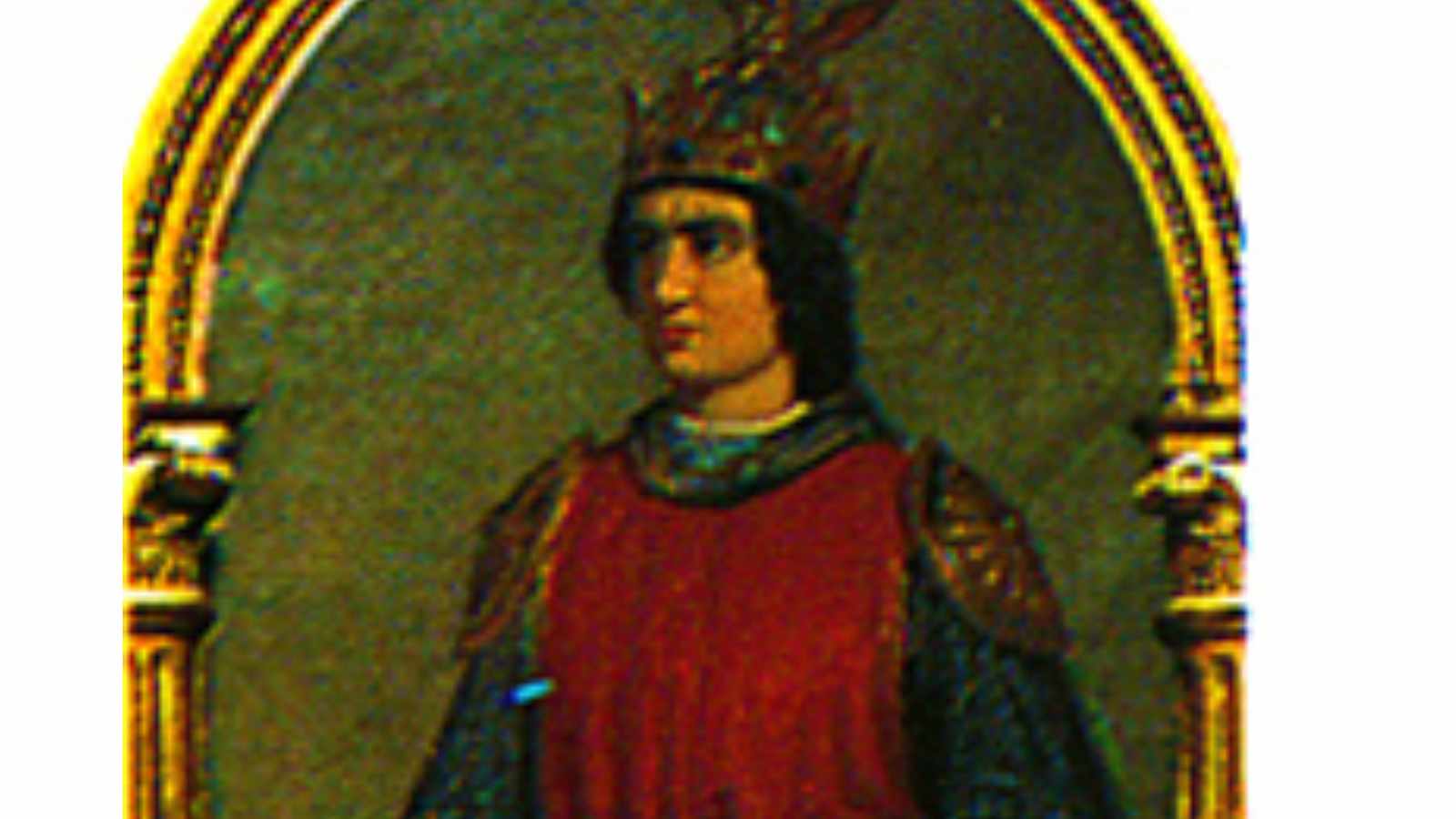
One of the most gruesome examples of irony is found in the death of Charles II of Navarre, better known as “Charles the Bad.” A ruler renowned for his cunning and deceitful political maneuvers, he played a central role in 14th-century European politics. He survived countless conspiracies, poison plots, and even betrayal, but his demise came from a most unexpected source—his own medical treatment.
Stricken with paralysis, Charles’s physicians decided to wrap him in linen soaked in brandy in an attempt to restore warmth and draw out impurities. However, a servant carrying a lit candle accidentally ignited the alcohol-soaked linen, setting the king on fire. Despite attempts to smother the flames, Charles ultimately succumbed to his burns. The man who had once burned bridges with betrayal ended up quite literally burned by his own curse. The irony was not lost on chroniclers, and his tragic death became a grim warning of the dangers of vanity and misguided medical practices.
Harry Houdini
Harry Houdini, the world’s most famous escape artist, spent his career defying the laws of nature, escaping from chains, straightjackets, water-filled tanks, and locked coffins. His legendary feats made him a household name and established him as the epitome of invincibility. However, in 1926, Houdini’s greatest escape would not be from a physical trap but from a fan’s well-meaning but fatal actions.
A student named J. Gordon Whitehead approached Houdini after a lecture in Montreal and asked if the rumors were true—that Houdini could withstand any punch to the stomach. Confident in his physical strength, Houdini agreed. Whitehead struck him several times before Houdini could brace himself. The punches ruptured Houdini’s appendix, and though he carried on with his tour, he soon collapsed during a performance. His appendix burst, leading to fatal peritonitis, and Houdini died just days later. The man who had mastered the art of escape met his end not by a daring trick or death trap, but by a careless act of pride. Houdini’s final moments highlight a sobering irony: even the master of escape couldn’t escape his own hubris.
Thomas Midgley Jr.
Thomas Midgley Jr. was a brilliant engineer whose inventions changed the world, but they also nearly destroyed it. Midgley developed tetraethyl lead as a gasoline additive, a discovery initially hailed as a breakthrough for modern engines. He also created chlorofluorocarbons (CFCs), chemicals that revolutionized refrigeration. Yet both inventions turned out to be disastrous, contributing to widespread environmental damage, including lead poisoning and ozone depletion.
In 1944, Midgley died as a result of his own invention. Crippled by polio, he designed a mechanical pulley system to lift himself from his bed. One fateful morning, the system malfunctioned, strangling him to death. The man who had caused so much harm to the planet was ultimately undone by the very contraption he had created to aid him. It’s a chilling example of how, in the end, our creations often return to haunt us.
Socrates
Image Credit: Kedumuc10 via Wikimedia Commons, licensed under CC BY-SA 4.0
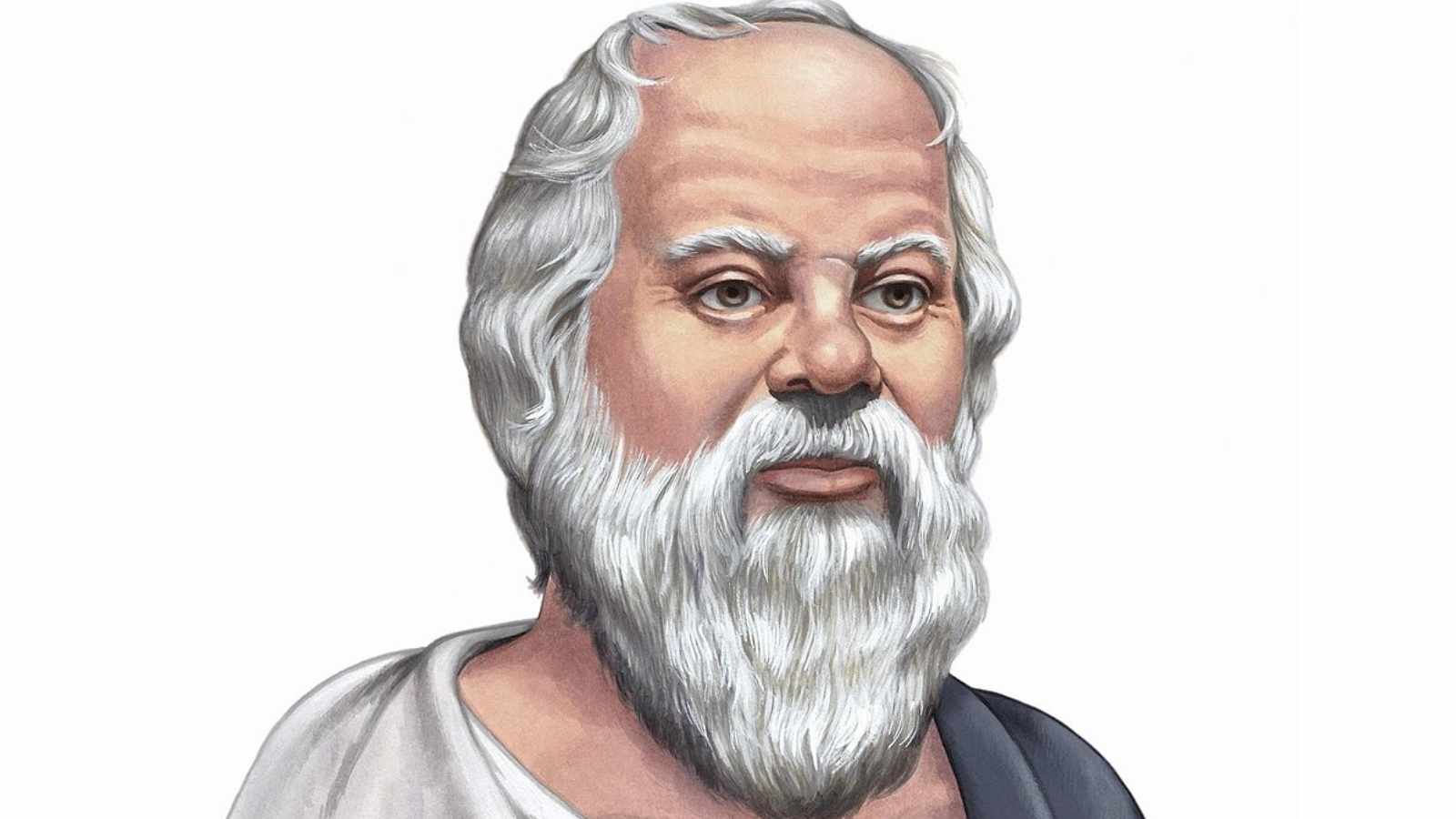
Socrates, one of the greatest philosophers of all time, spent his life challenging the established norms of Athens. He taught that wisdom is knowing one’s own ignorance and spent his days discussing philosophy in the streets, inspiring generations of thinkers. Yet, his final moments are a study in the intersection of logic and fate.
In 399 BC, Socrates was sentenced to death for impiety and corrupting the youth of Athens. Rather than flee or recant, Socrates calmly accepted his fate. Surrounded by his disciples, he drank the hemlock poison and awaited his death. In his final moments, he continued to teach, speaking on the immortality of the soul. His serene acceptance of death is legendary, but the irony is that a man whose entire philosophy was rooted in reason and logic met his end not by his own hand but by the state’s decision. In a sense, Socrates became the ultimate martyr for the pursuit of truth, but the city he loved turned against him, ending his life in a tragic, unjust manner.
The Inevitable Irony of Greatness
The lives of these legends serve as powerful reminders that no matter how high someone climbs, no one is immune to the irony of fate. Their stories are woven into the fabric of history, and while their deaths may have been tragic, they also highlight the cruel humor that sometimes accompanies greatness.
The greatness of these figures is undeniable. However, it is the manner of their demise—often absurd, tragic, or downright ironic—that ensures their place in history.