A family argument over elder care has become a double murder case in Walton County, Georgia, after authorities say a man shot his wife and adult daughter during a dispute inside a home near Oxford.
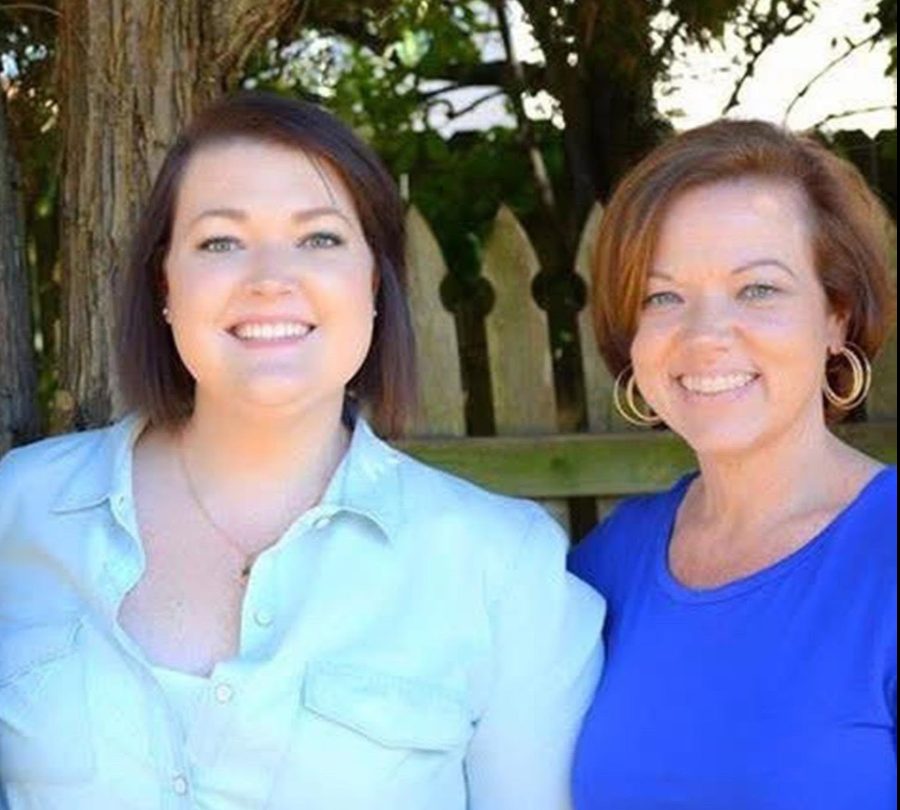
Ralph Edward Mincey was taken into custody after deputies responded to a shooting Wednesday evening, and he is now facing two murder charges in the deaths of 57-year-old Jennifer Lynn Mincey and 37-year-old Amanda Mincey McBrayer. The case has drawn attention because the violence allegedly grew out of a deeply personal family conflict over whether Mincey was properly caring for his elderly mother.
The shooting happened at a home on Gauntt Road in the Oxford area, roughly 40 miles east of Atlanta. Amanda McBrayer died at the scene, while Jennifer Mincey was taken to Grady Memorial Hospital and later died from her injuries.
A private dispute turned deadly.
The argument reportedly centered on claims that Mincey was not doing enough for his elderly mother. During newly released 911 audio, Mincey allegedly told a dispatcher that his wife had told their daughter he was not taking care of his mother. He denied that accusation, saying he cared for her every day. Then he allegedly told the dispatcher that he had shot both his daughter and his wife.
The phrase now attached to the case came from that emergency call: “I lost it.” It is a short sentence, but it carries the weight of what prosecutors may now examine as they build the case around intent, timing, and the actions that led to the shooting.
Investigators have not released every detail about what happened in the moments before gunfire. But warrants cited in local reporting say Mincey allegedly retrieved a gun during the domestic dispute before shooting both women.
911 calls reveal panic inside the family
The emergency calls have given the public a clearer view of the terror surrounding the shooting. Amanda McBrayer’s husband, Adam McGrath, told a dispatcher he had brought his wife to her parents’ home before she got into an argument with her father.
McGrath said he witnessed the shooting and fled because children were nearby. His account described a scene in which he feared returning home and focused on getting the children out of danger. That detail changes how the case lands. This was not only a fatal shooting involving three adults. It was also a family trauma unfolding with children close enough that one surviving adult said he ran because he had two children to protect.
Emergency calls often matter because they capture people in the earliest moments of crisis. Voices are shaken. Details may be incomplete. But those calls can preserve fear, admissions, witness accounts, and timelines before public statements or legal strategies begin to shape the story.
Mincey’s own alleged call may carry even more weight. If admitted in court, prosecutors could use his words to show what he said happened, what he believed the argument was about, and how he described his actions immediately afterward.
Elder care pressure adds a painful layer.
The alleged motive does not excuse violence. It does, however, explain why the case has struck a nerve beyond Walton County. Across many American households, elder care is one of the most difficult private responsibilities families face. Aging parents may need transportation, medical help, medication support, meals, money, repairs, supervision, and constant attention. Relatives may disagree over who is helping, who is absent, and who is being unfairly blamed.
Those disputes often stay behind closed doors. A family may look stable from the outside while pressure builds quietly inside the home. The Walton County case exposes how dangerous that pressure can become when anger escalates and a firearm is nearby. Most caregiving arguments never become violent. But this case shows why families, neighbors, and loved ones should take threats seriously when arguments turn volatile.
It also raises a public safety concern for local residents. Domestic violence is rarely just a private matter. When gunfire erupts inside a home, the consequences reach children, neighbors, first responders, hospitals, courts, and an entire community.
Walton County now faces the aftermath.
The shooting has shaken a local community where the Mincey family was known. A family fundraiser was created to help surviving relatives with funeral arrangements, housing needs, and care for children affected by the tragedy. For Walton County, the deaths are not just another crime headline. They are the kind of loss that moves through churches, neighborhoods, workplaces, and family networks.
The legal process will now determine what happens next. Mincey remains in custody, and the investigation is ongoing as authorities continue to review evidence. Future court proceedings may examine the weapon, the 911 recordings, witness statements, forensic findings, and any prior tension inside the home. Prosecutors will have to prove the charges beyond a reasonable doubt, while the defense will have an opportunity to challenge the state’s version of events.
The unanswered questions remain heavy. What exactly happened before the shooting? Were there warning signs? Could anyone have intervened before the argument turned fatal? What happens now to the children and surviving relatives left behind? The law may eventually deliver a verdict. It cannot restore what was lost inside that home.
The larger lesson is stark. Family disputes can begin as private pain, but they can become public tragedies when rage, fear, and a loaded weapon meet in the same room. In Oxford, Georgia, an argument over elder care has become a murder case, a community wound and a devastating reminder that domestic anger can turn deadly in seconds.