How to Save Energy at Home in Winter and Cut Heating Costs
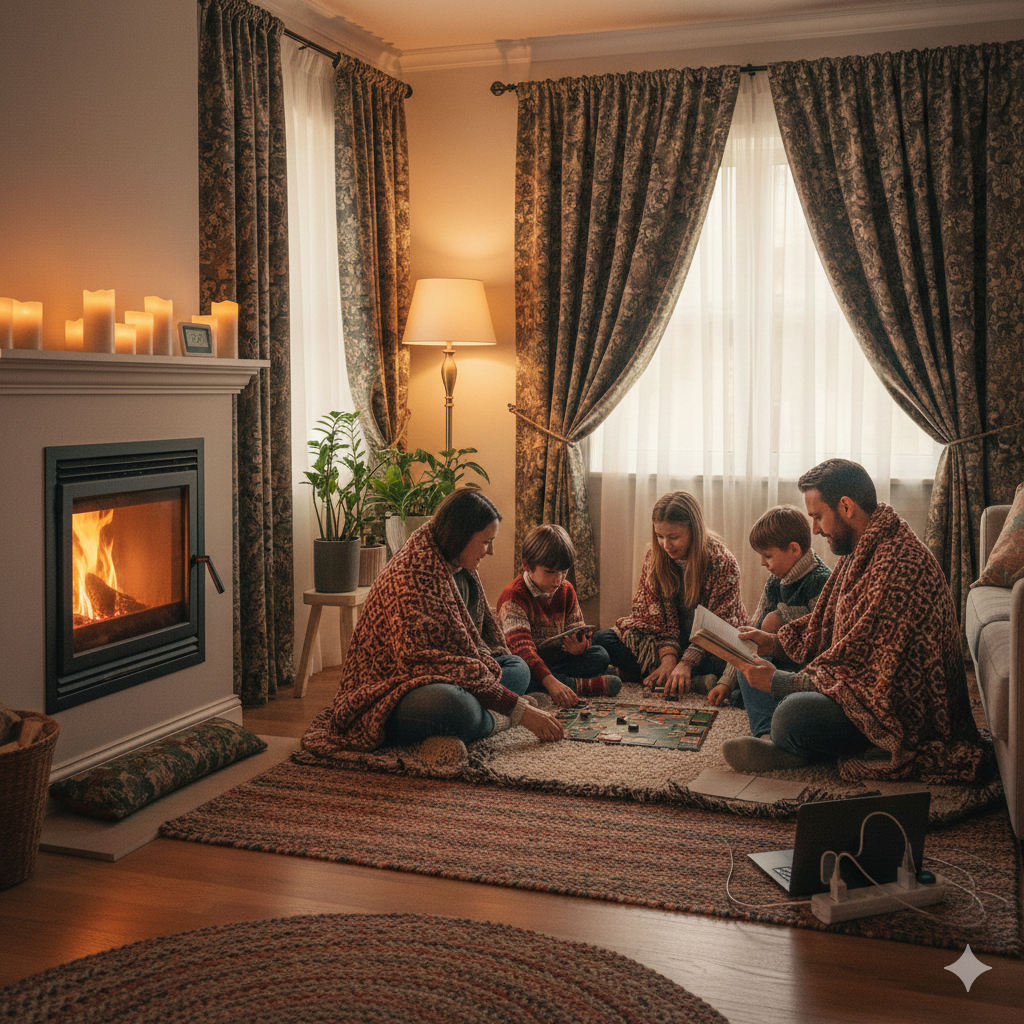
Winter months bring the challenge of keeping our homes warm and cozy without inflating energy bills. Energy conservation not only helps lower costs but also reduces environmental impact, making it a win-win for homeowners.
Below, we share essential tips for improving energy efficiency and conserving heat during the colder months.
Insulate Your Home for Maximum Heat Retention
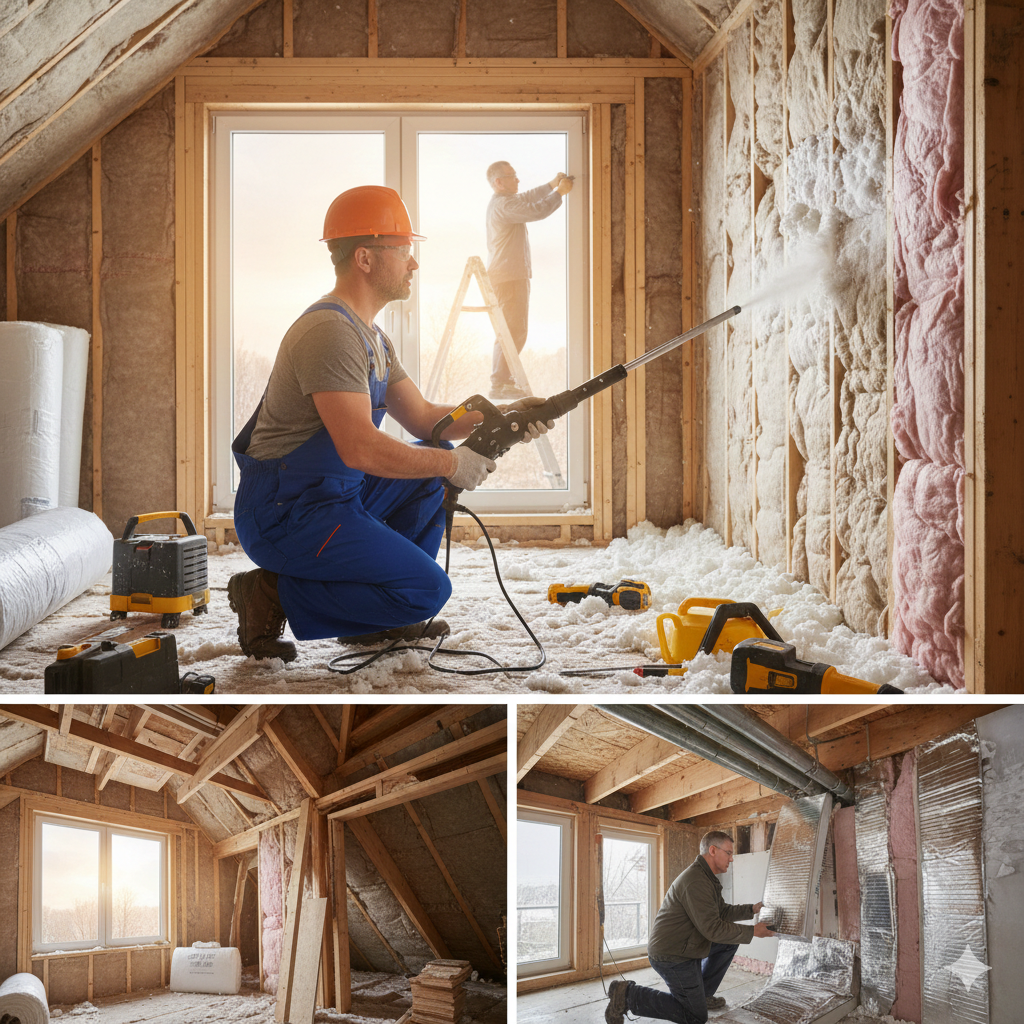
Effective insulation is a cornerstone of energy conservation. Insulating your home properly can dramatically reduce heat loss, keeping your heating system from working overtime.
Key Areas to Insulate:
- Attic: Heat rises, making the attic a critical area for insulation. Add or upgrade your attic insulation to prevent warm air from escaping.
- Walls: Insulating exterior walls helps maintain indoor temperatures and reduces the strain on your heating system.
- Basement and Crawl Spaces: Insulating floors and walls in these areas minimizes heat loss through the foundation.
- Windows and Doors: Use weatherstripping and caulking to seal gaps. Consider double-glazed windows for even better insulation.
Benefits:
- Lower heating costs by reducing heat loss.
- More consistent indoor temperatures, ensuring comfort.
Seal Gaps and Cracks Around Windows and Doors
Air leaks are one of the most significant sources of heat loss in a home. Small cracks around windows, doors, and other openings can let cold air in and warm air out.
How to Seal Gaps:
- Use Weatherstripping: Install weatherstripping around doors and windows to block drafts.
- Apply Caulk: Seal any visible cracks around window frames, baseboards, and electrical outlets.
- Door Sweeps: Install door sweeps to cover the gap at the bottom of exterior doors.
Benefits:
- Quick and easy to do.
- Immediately noticeable improvement in energy retention.
Upgrade to Energy-Efficient Windows
Windows are a primary source of heat loss during winter. Replacing old windows with energy-efficient options can provide a significant improvement in energy conservation.
Features of Energy-Efficient Windows:
- Low-E Glass: Reflects heat back into the home, preventing it from escaping during the winter months.
- Double or Triple Glazing: Multiple panes of glass with insulating gas in between reduce heat transfer.
- Gas-Filled Windows: Argon or krypton gas between panes provides better insulation compared to air.
Benefits:
- Decreased heat loss through windows.
- A more comfortable living environment with fewer temperature fluctuations.
Utilize Smart Thermostats for Temperature Control
Smart thermostats are an innovative way to optimize your home’s heating system. These devices can learn your routine and adjust the temperature automatically to save energy.
How Smart Thermostats Help:
- Scheduling: Program your thermostat to lower the temperature while you’re asleep or away, and warm up the home before you return.
- Remote Access: Control the temperature from your smartphone, ensuring you never leave the heat running when it’s unnecessary.
- Learning Capability: Many smart thermostats learn your preferences and adjust settings accordingly, reducing energy consumption.
Benefits:
- Optimize heating without sacrificing comfort.
- Significant energy savings and convenience.
Maintain Your Heating System
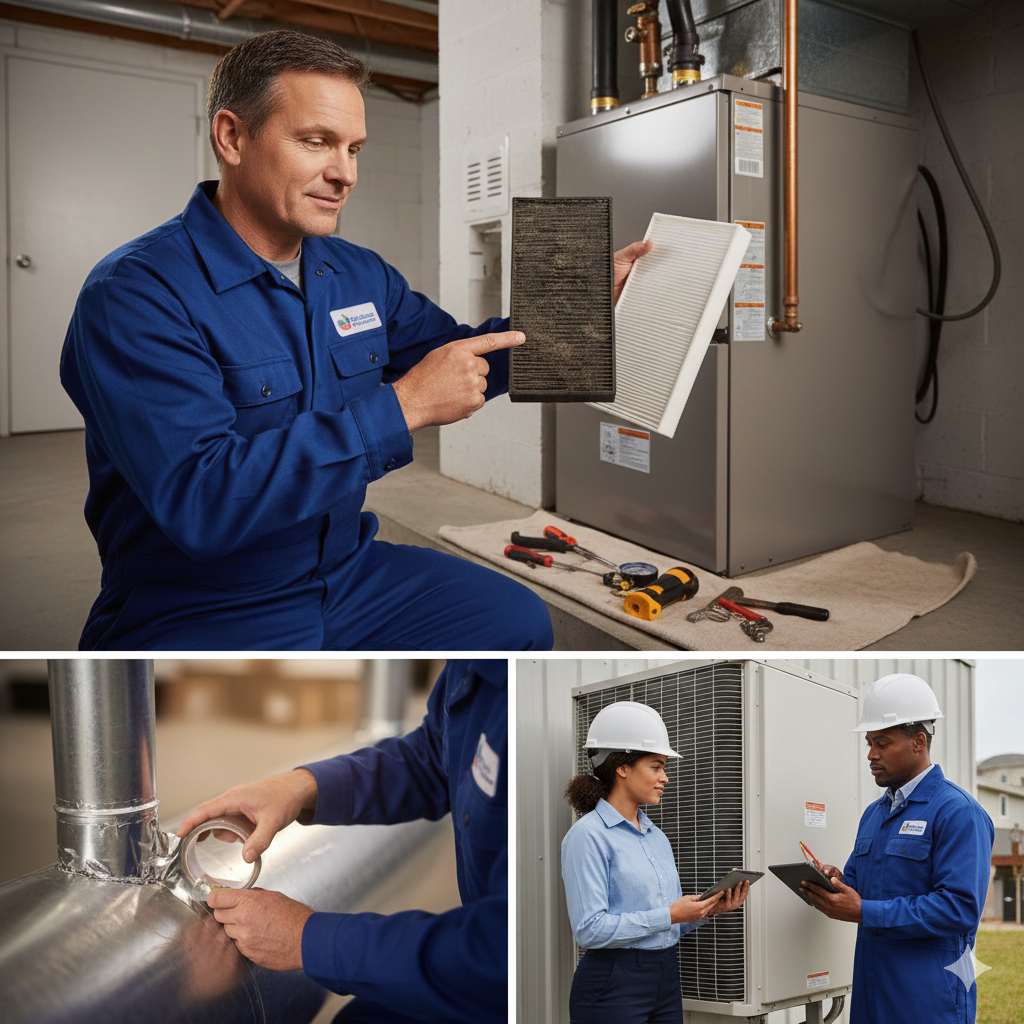
A well-maintained heating system works more efficiently, reducing energy consumption. Regular maintenance ensures your system performs optimally throughout the winter.
Steps for Proper Heating System Maintenance:
- Change Air Filters: Dirty filters can restrict airflow and cause your system to work harder, leading to higher energy consumption. Change filters regularly, ideally every 1-3 months.
- Schedule Professional Inspections: Have a professional inspect and service your furnace or heating system at least once a year.
- Check for Air Leaks: Ensure no leaks around ducts, vents, or connections, as these can waste heat.
Benefits:
- Extended lifespan of heating equipment.
- Reduced energy costs through efficient system operation.
Use Energy-Efficient Space Heaters
While central heating is effective for large spaces, you can conserve energy by using energy-efficient space heaters in rooms where you spend the most time.
How to Use Space Heaters Effectively:
- Choose Energy-Efficient Models: Look for heaters that have programmable timers, overheat protection, and low power consumption.
- Use in Well-Insulated Rooms: Space heaters are most effective in rooms with proper insulation, where they can maintain warmth.
- Limit Use to Small Areas: Use space heaters only in rooms you occupy regularly to avoid unnecessary energy use in unused spaces.
Benefits:
- Targeted heating in smaller areas.
- Reduced reliance on central heating, cutting overall energy usage.
Switch to LED Lighting
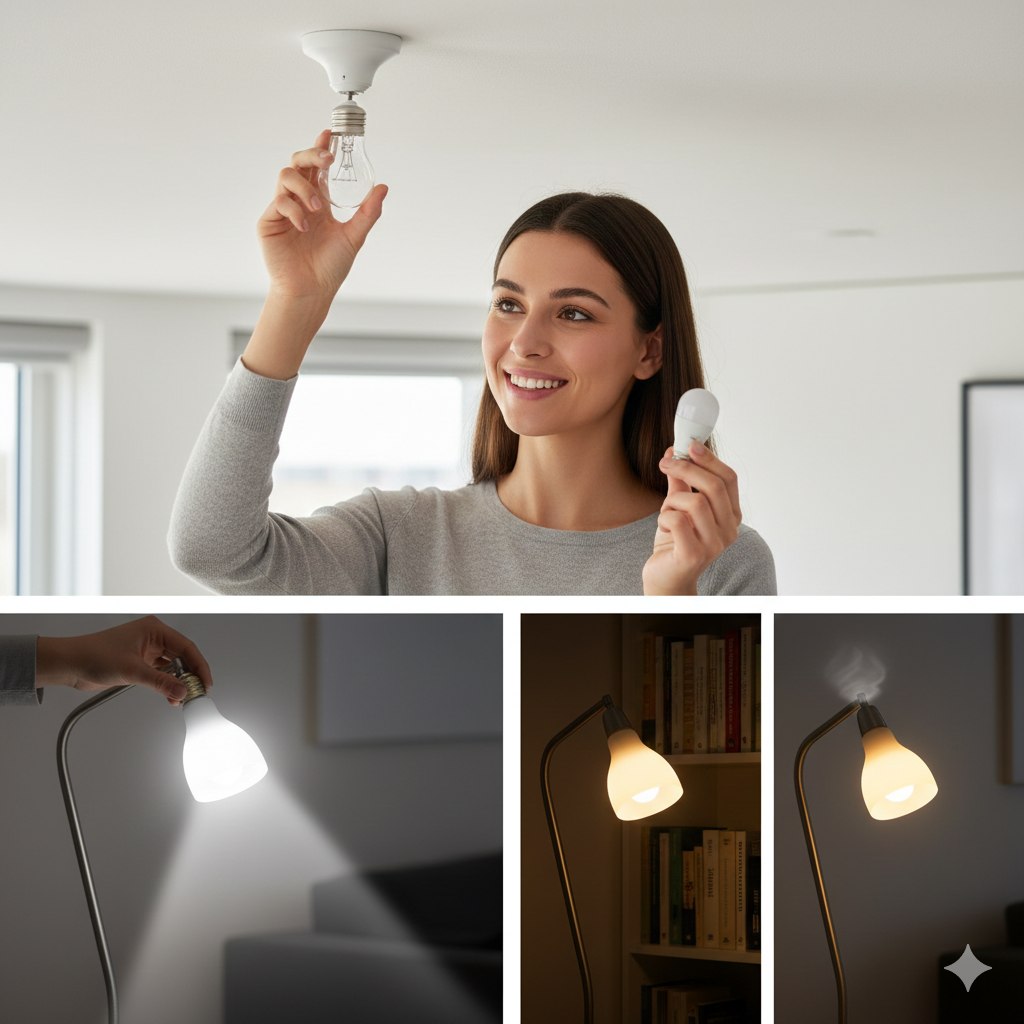
Lighting can be a hidden energy drain. LED bulbs are more energy-efficient than traditional incandescent bulbs, consuming less energy and lasting longer.
Benefits of LED Lighting:
- Lower Energy Consumption: LEDs use up to 75% less energy than incandescent bulbs.
- Longer Lifespan: LEDs last 25 times longer than traditional bulbs, reducing the need for frequent replacements.
- Cooler Operation: Unlike incandescent bulbs, LEDs emit minimal heat, helping to keep your home cooler.
How to Transition:
- Replace all incandescent bulbs with LED alternatives.
- Use LED bulbs in frequently used areas like kitchens, living rooms, and hallways.
Benefits:
- Immediate savings on electricity bills.
- Environmentally friendly and cost-effective in the long run.
Use Heavy Curtains and Blinds to Retain Heat
Windows are not only a source of heat loss, but they can also let in cold air. Using heavy curtains and blinds can help insulate windows and maintain a warm environment.
How to Maximize Curtain Efficiency:
- Thermal Curtains: Invest in thermal or insulated curtains that block cold air and trap heat.
- Close Curtains at Night: Close curtains after dark to prevent heat from escaping.
- Open During the Day: Open curtains to allow sunlight to naturally warm your home during the day.
Benefits:
- Reduce reliance on your heating system.
- Create a cozy environment while conserving energy.
Invest in Radiant Barriers
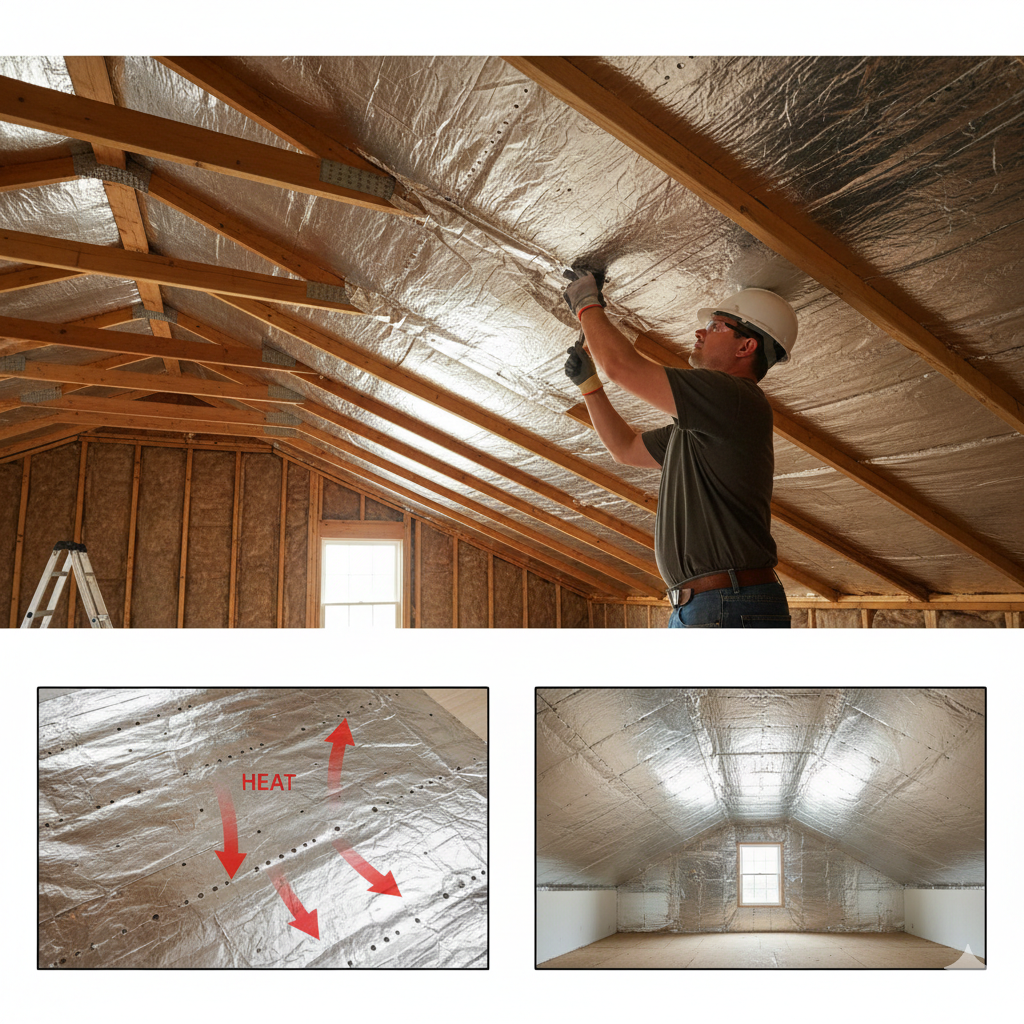
Radiant barriers can be installed in attics or walls to reflect heat back into the home rather than allowing it to escape.
This is particularly useful in homes with attics that experience significant temperature differences.
How Radiant Barriers Work:
- Radiant barriers reflect heat back into the living areas, reducing the need for additional heating.
- These barriers are typically made from reflective materials such as aluminum.
Benefits:
- Increased energy savings by improving heat retention.
- Better comfort in rooms with high heat loss.
Upgrade Insulation in the Crawl Space
Many homes have an underutilized crawl space that can be a significant source of energy loss. Insulating this area can help keep the home warmer in winter and cooler in summer.
Insulation Tips for Crawl Spaces:
- Install Foam Board Insulation: Use rigid foam board insulation to cover the walls of the crawl space.
- Seal Vents: Consider sealing or insulating vented crawl spaces to keep cold air from entering.
- Moisture Barrier: Install a vapor barrier to prevent moisture from affecting insulation efficiency.
Benefits:
- Improved temperature regulation year-round.
- Reduced strain on your heating system.
Conclusion
By implementing these home energy conservation tips for winter, you can significantly reduce heating costs and create a more energy-efficient home.
With proper insulation, efficient heating practices, and the right equipment, conserving energy during the winter months becomes both achievable and sustainable. Follow these steps and enjoy a warm, comfortable, and energy-efficient home all winter long.
Read the original article in Crafting Your Home.