How to Remove Nails from Wood Without Damage
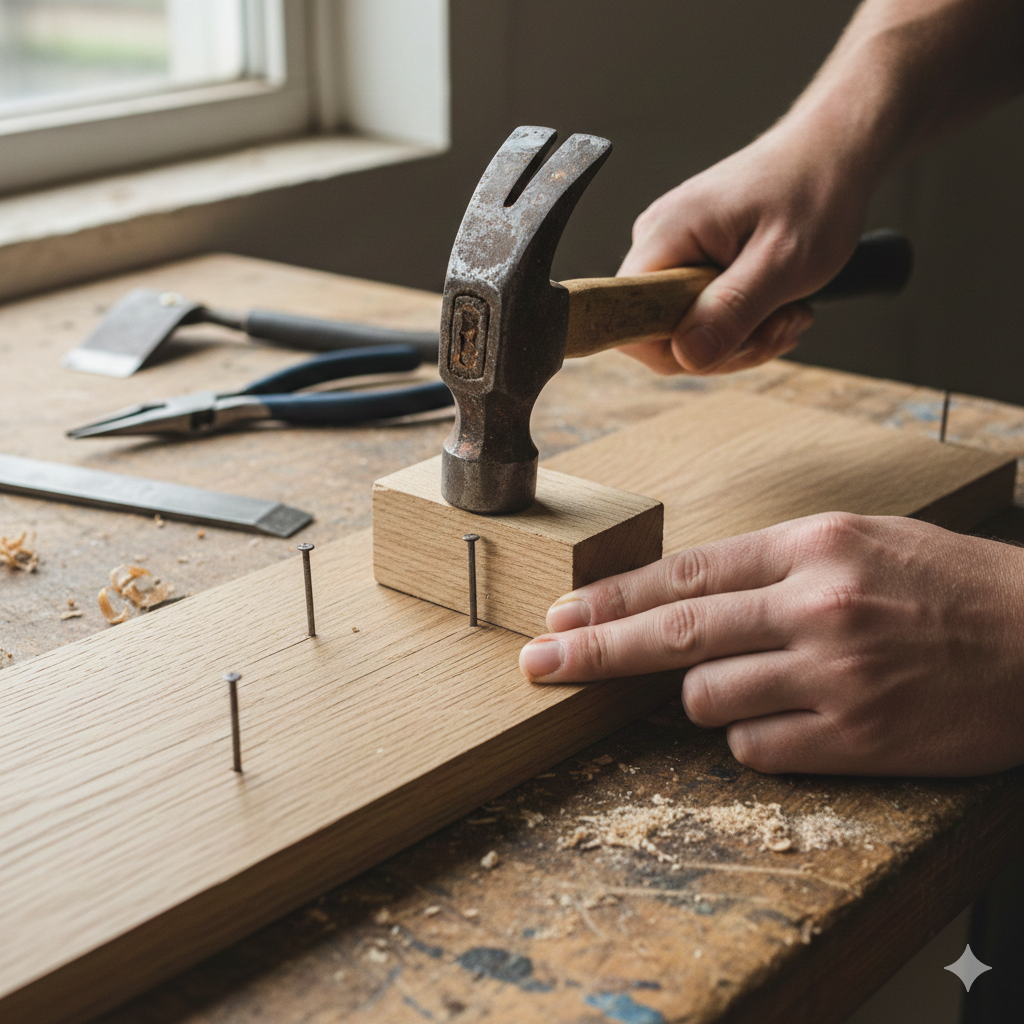
Removing nails from wood can be a tricky task, but it is often a necessary one, especially if you’re repurposing the wood or undertaking a home improvement project.
Whether you’re a professional woodworker or a DIY enthusiast, knowing how to safely and efficiently extract nails from wood can save time, prevent damage to your materials, and ensure a safer working environment.
In this guide, we’ll explore various methods for removing nails from wood, along with their pros and cons, so you can choose the best option for your project.
Nail Kicker
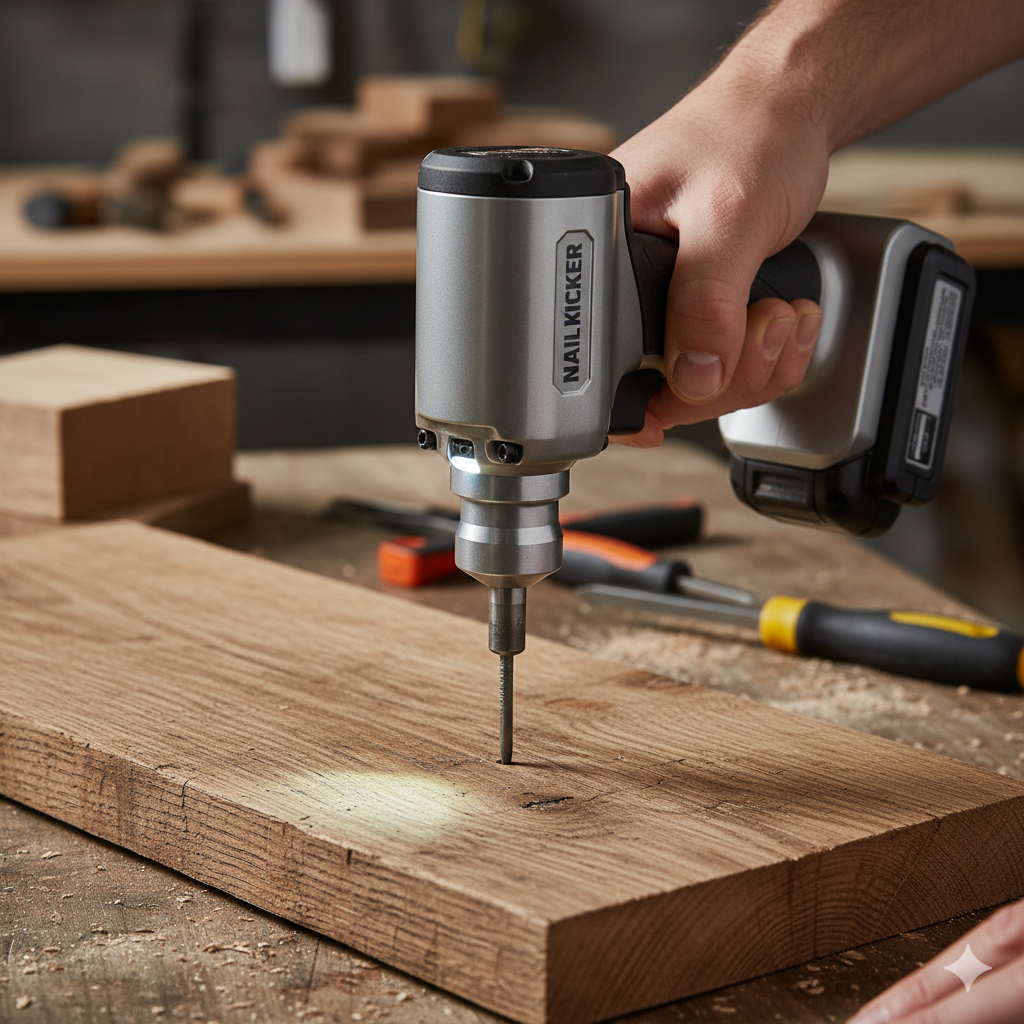
A nail kicker is one of the most efficient tools for removing nails from wood, particularly when the nail has its shaft protruding from the wood.
This tool operates by applying air pressure to push the nail out, making it a perfect option for those looking to avoid damaging the wood. Nail kickers are typically used by professionals who frequently deal with nail removal, as they are designed to minimize effort while maximizing efficiency.
How to Use a Nail Kicker
- Step 1: Place the wood over an elevated surface, ensuring that the portion with the nail is hanging off the edge.
- Step 2: Align the nail kicker with the protruding shaft of the nail, with the nail’s tip facing upwards and its head facing downward.
- Step 3: Activate the nail kicker’s trigger to release pressurized air, which will force the nail out of the wood.
- Step 4: If the nail doesn’t come out the first time, repeat the process until it is fully removed.
The primary advantage of the nail kicker is its minimal impact on the wood’s surface, making it ideal for projects where you need to preserve the integrity of the material.
Claw Hammer
The claw hammer is a versatile tool used for both driving and removing nails. Its two-pronged claw is designed to grip nails, allowing you to pull them out of wood. This tool is best for nails that have their heads exposed and are not driven too deeply into the wood.
How to Use a Claw Hammer
- Step 1: Position the wood on a flat surface with the nail head facing upwards.
- Step 2: Place the claws of the hammer around the exposed nail head.
- Step 3: Apply force by pulling the hammer’s handle backward, using the wood as a pivot point to lift the nail.
- Step 4: Adjust your grip on the hammer as you pull, ensuring that you work your way down the nail until it is fully removed.
While effective, this method can cause some damage to the surrounding wood, especially if the nail is deeply embedded or if the wood is soft.
Cat Paw
The cat paw is a specialized tool designed for removing nails that are flush with the surface of the wood. This tool features two prongs, with one shaped in an L-shape to improve the leverage and angle for nail removal. It is particularly useful for nails that are deeply embedded or set flush with the wood.
How to Use a Cat Paw
- Step 1: Position the L-shaped end of the cat paw under the nail head.
- Step 2: Tap the handle with a hammer to drive the tool deeper under the nail head if necessary.
- Step 3: Gradually pull the handle in all directions, adjusting your grip as needed until the nail is pried free.
The cat paw is particularly useful for situations where you want to minimize damage to the surrounding surface, making it a great choice for delicate projects.
Nail Jack
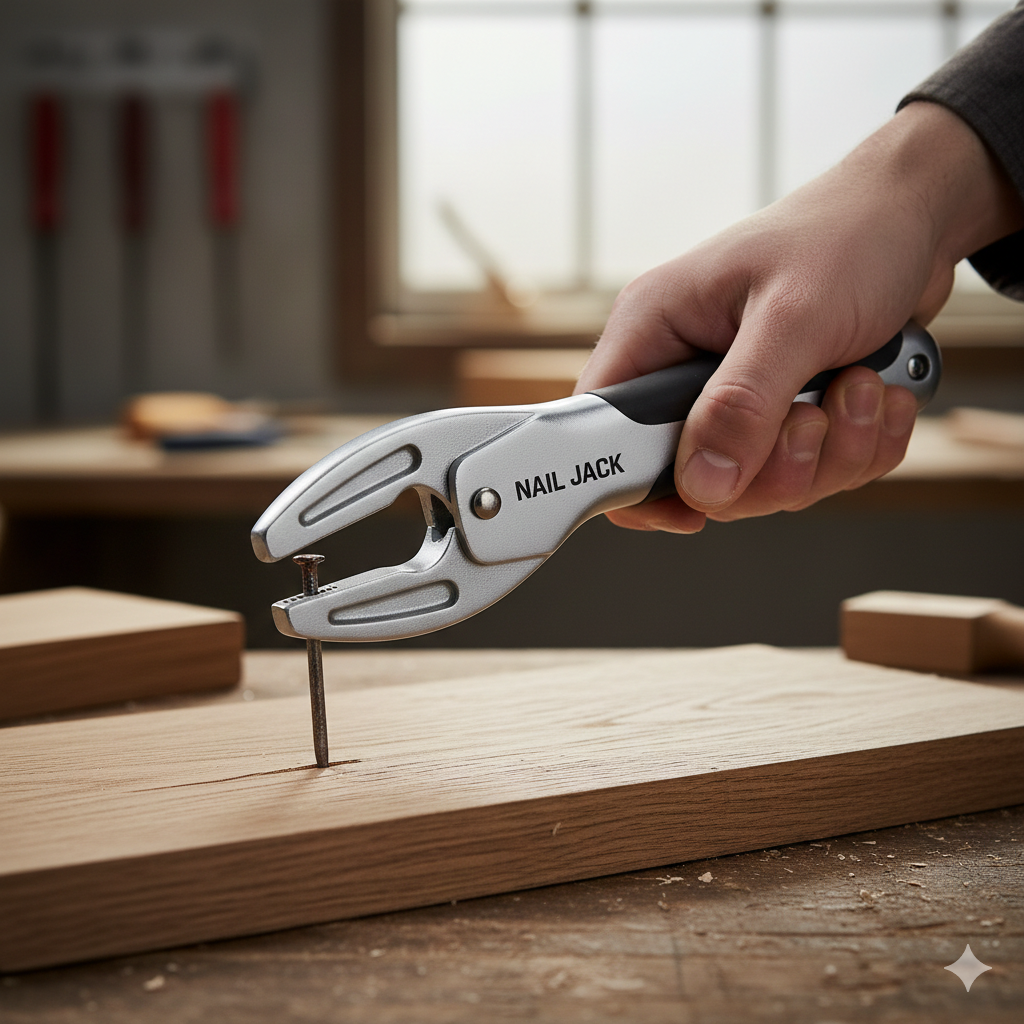
For those looking for a smaller yet highly effective tool, the nail jack is an excellent option. The nail jack is a compact, lever-based tool that helps extract nails from wood with ease, even those that are flush with the surface.
How to Use a Nail Jack
- Step 1: Position the tip of the nail jack under the nail head, ensuring it is in contact with the wood’s surface.
- Step 2: Gently hammer the jack into place to get it under the nail head.
- Step 3: Squeeze the handles of the nail jack together to grip the nail tightly.
- Step 4: Apply force to pull the nail out, making sure to adjust your grip as needed.
The nail jack is particularly effective for smaller nails and is easier to use in tight spaces than larger tools like the pry bar.
Pliers
Pliers can be a surprisingly effective tool for removing nails, especially when dealing with smaller nails or headless nails. They come in different types, such as needle-nose pliers for fine, delicate work and diagonal cutting pliers for larger nails.
How to Use Pliers
- Step 1: For headless nails, grab the exposed portion of the nail with the needle-nose pliers.
- Step 2: Gently pull the nail out by applying steady pressure, adjusting the grip as needed to ensure a firm hold.
- Step 3: For larger nails, use diagonal cutting pliers to grasp the nail’s shaft. Apply enough pressure to pull the nail without causing it to break.
Pliers are particularly useful for nails with smaller heads or those that are partially embedded in the wood.
Pry Bar
The pry bar is a heavy-duty tool that can help you remove even the most stubborn nails. It works similarly to a crowbar, but with longer handles that provide greater leverage. While it is effective for extracting large nails, it can cause some damage to the surrounding wood.
How to Use a Pry Bar
- Step 1: Place the flat end of the pry bar under the exposed nail head.
- Step 2: Tap the pry bar gently with a hammer to ensure it is deeply seated under the nail.
- Step 3: Use the leverage of the long handles to pry the nail out of the wood by pulling the handle downward.
- Step 4: Repeat the process from different angles if necessary to fully remove the nail.
The pry bar is an excellent choice for large, stubborn nails, but it may leave indentations in the wood, so it’s best used for projects where aesthetics are not a top priority.
Reciprocating Saw
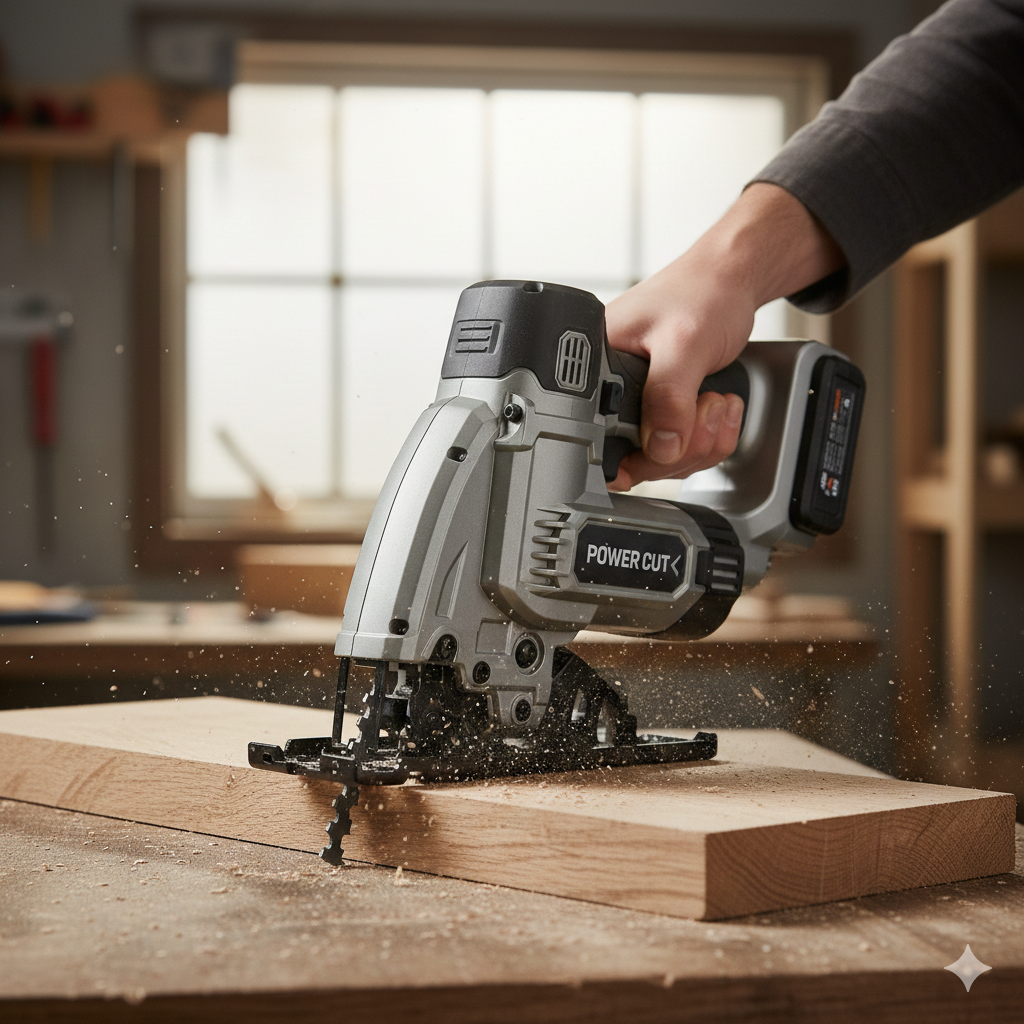
For nails that are deeply embedded in the wood with minimal visibility, a reciprocating saw can be an effective, albeit unconventional, solution. This saw’s aggressive motion can chip away at the wood surrounding the nail, eventually loosening it enough to remove it.
How to Use a Reciprocating Saw
- Step 1: Position the blade of the saw near the buried nail.
- Step 2: Turn on the saw and let the blade cut around the nail, loosening the wood as it goes.
- Step 3: Keep cutting until the nail comes free.
This method is ideal for nails that are too deep or difficult to reach using other tools. However, it is not recommended for projects where you intend to reuse the wood, as it will likely cause significant damage.
Conclusion
Removing nails from wood doesn’t have to be a challenging task if you have the right tools and techniques. Whether you choose a nail kicker, claw hammer, or reciprocating saw, each method comes with its own set of advantages and considerations.
Always select the most appropriate tool for the task to ensure efficiency and minimize damage to the wood. With the right approach, you can successfully remove nails from wood and complete your project with ease.
Read the original article in Crafting Your Home.