8 Home Repairs You Legally Cannot Do Yourself
Image Credit: schan via 123RF
Home repairs can be incredibly satisfying, especially when you take the DIY route. However, some projects are perfectly manageable for homeowners, but certain repairs and renovations are subject to significant legal restrictions. These tasks are often highly regulated due to their potential impact on safety, health, and property integrity.
Failure to follow the legal requirements not only jeopardizes your home’s safety but could also lead to severe penalties, fines, and the invalidation of your home insurance. Here are home repairs that require a professional touch and a permit in most jurisdictions across the United States.
Roof Replacement
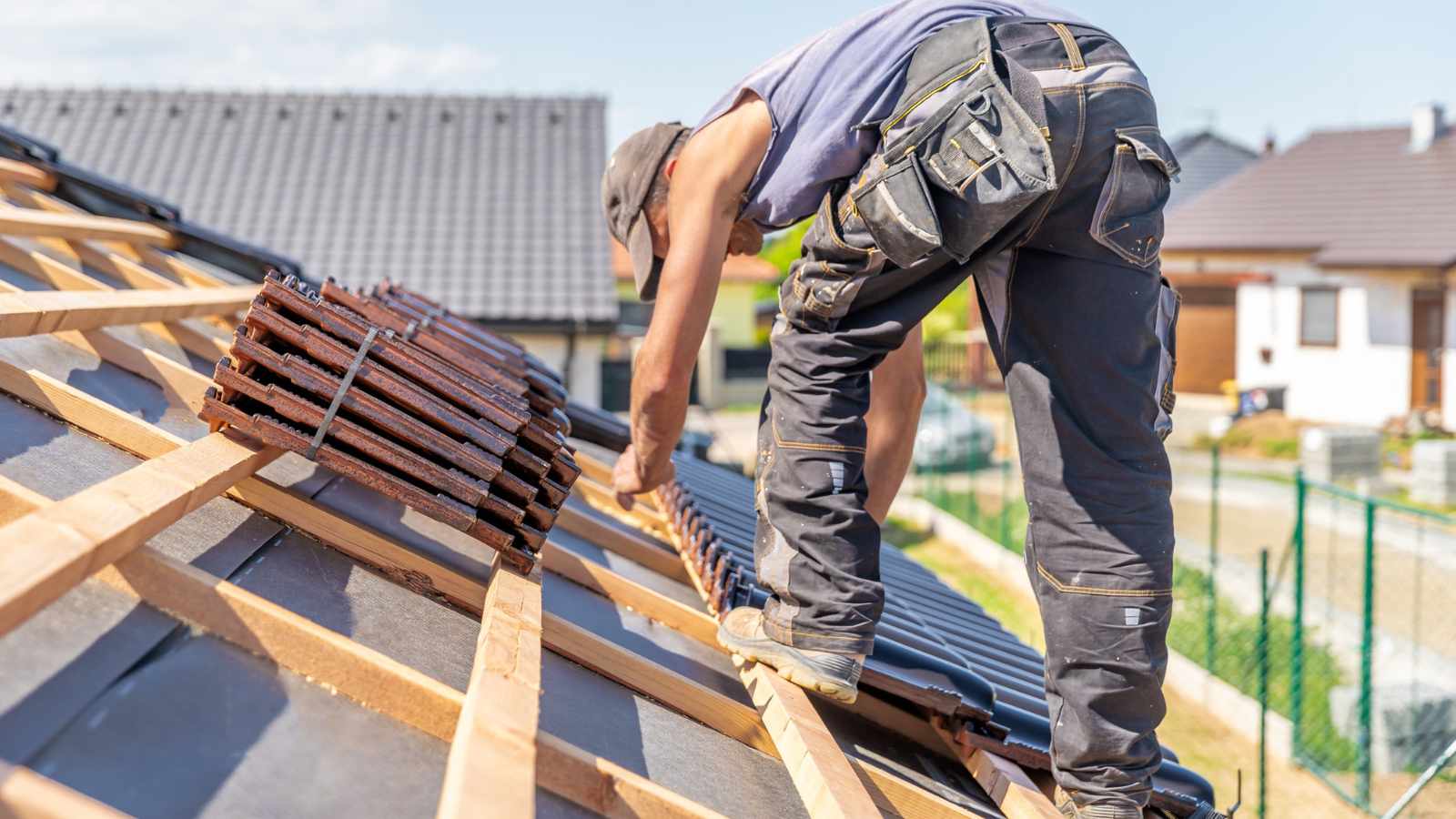
Minor roof repairs, such as patching holes or replacing shingles, can be done without a permit, but a full roof replacement is a complex task best handled by professionals. It requires ensuring proper insulation, waterproofing, and adherence to local building codes.
Improper installation of a roof can lead to leaks, water damage, mold, and structural damage. Most areas require a permit and the expertise of a licensed roofer to ensure the job is done safely and in accordance with code.
Adding or Converting Rooms
Converting a garage into a living space, finishing a basement, or adding an extra room fundamentally changes your home’s structure and its use. These modifications often affect key systems such as plumbing, electrical wiring, and ventilation, which are subject to strict building codes.
In many areas, a project that alters your home’s square footage requires permits and inspections. Failing to obtain the right permissions could result in fines and prevent you from selling your home in the future. Additionally, improper ventilation or electrical work can lead to fire hazards or serious health risks.
Gas Line Installation or Repair
Natural gas or propane lines require expert knowledge. Even a small leak can lead to catastrophic consequences, such as explosions or carbon monoxide poisoning. This type of work must be handled by certified gas fitters.
Due to the hazardous nature of gas lines, municipalities across the U.S. require permits and the expertise of licensed professionals. An improperly installed gas line could invalidate your home insurance and place your family at risk.
Major Electrical Work
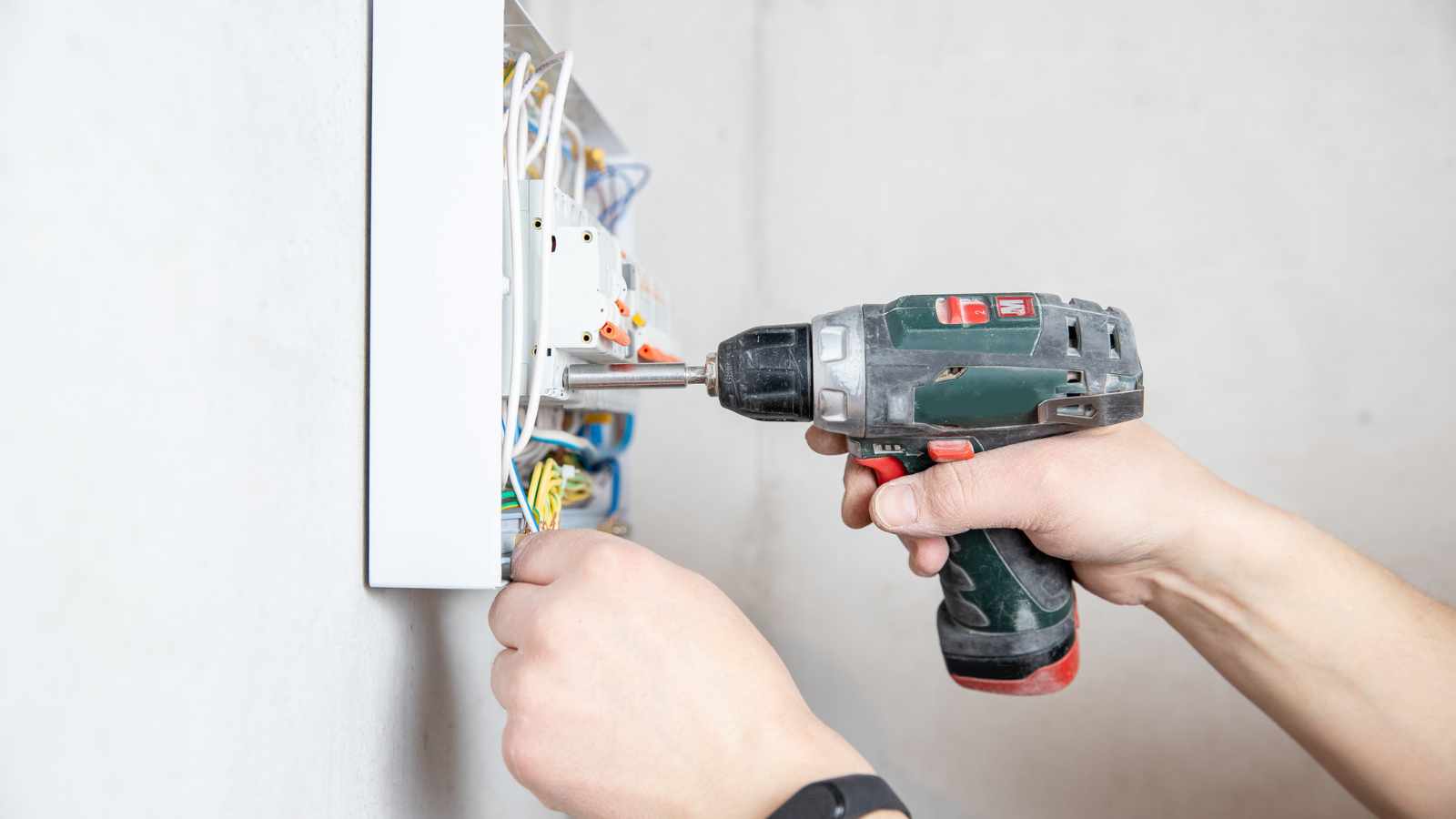
Electrical systems in your home are among the most dangerous aspects of home maintenance. Modifying the main electrical panel, installing new circuits, or upgrading your home’s wiring should be handled only by licensed professionals.
Incorrect electrical work is not just a safety hazard; it can also cause fires, injuries, and fatalities. In the U.S., many states require a licensed electrician to perform major electrical repairs, ensuring all installations comply with the National Electrical Code (NEC).
Adding a New Bathroom or Kitchen
Creating a new bathroom or kitchen, especially if you plan to install new plumbing or electrical systems, is a complex task that directly impacts your home’s infrastructure. These projects require knowledge of plumbing, electrical, and ventilation codes.
In most jurisdictions, these significant home improvements require permits and inspections. Unauthorized changes could lead to fines or insurance issues, particularly if they fail to meet health and safety codes.
Water Heater Installation
Installing a water heater might seem like a simple task, but it involves complex plumbing and electrical work, including connections to gas lines or high-voltage electricity. Mistakes in installation can result in serious injuries, electrocution, or water damage.
In many regions, water heater installation requires a permit and must be done by a licensed professional. Improper installation could also invalidate your insurance if something goes wrong.
HVAC System Installation and Major Repairs
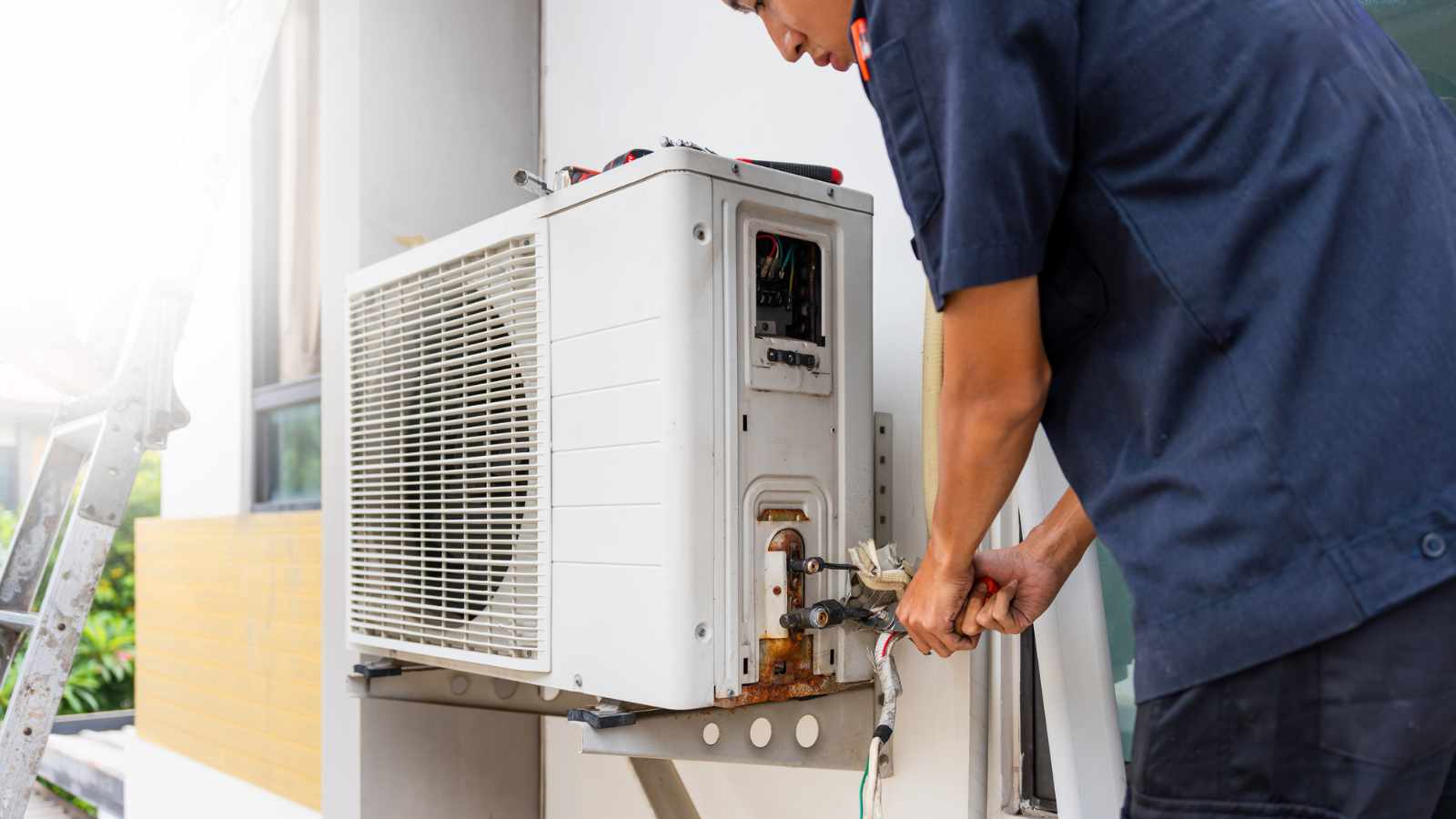
Heating, ventilation, and air conditioning (HVAC) systems are intricate, and improper installation or repairs can lead to inefficiency, safety hazards, and increased energy costs.
Installation and major repairs on HVAC systems often require specialized knowledge and the proper permits. Many states also require HVAC professionals to be licensed, as poor installation can lead to electrical fires, carbon monoxide leaks, and poor air quality.
Foundation Repairs
Your home’s foundation is critical to its structural stability. Minor repairs might be manageable, but significant foundation repairs require specialized expertise. Issues such as cracks or settling can indicate serious underlying problems that need professional assessment.
Foundation repairs often require permits, especially if structural modifications are necessary. Working without a professional could result in further damage or undermine the stability of your home.