7 Home Features Likely to Disappear Within the Next 5 Years
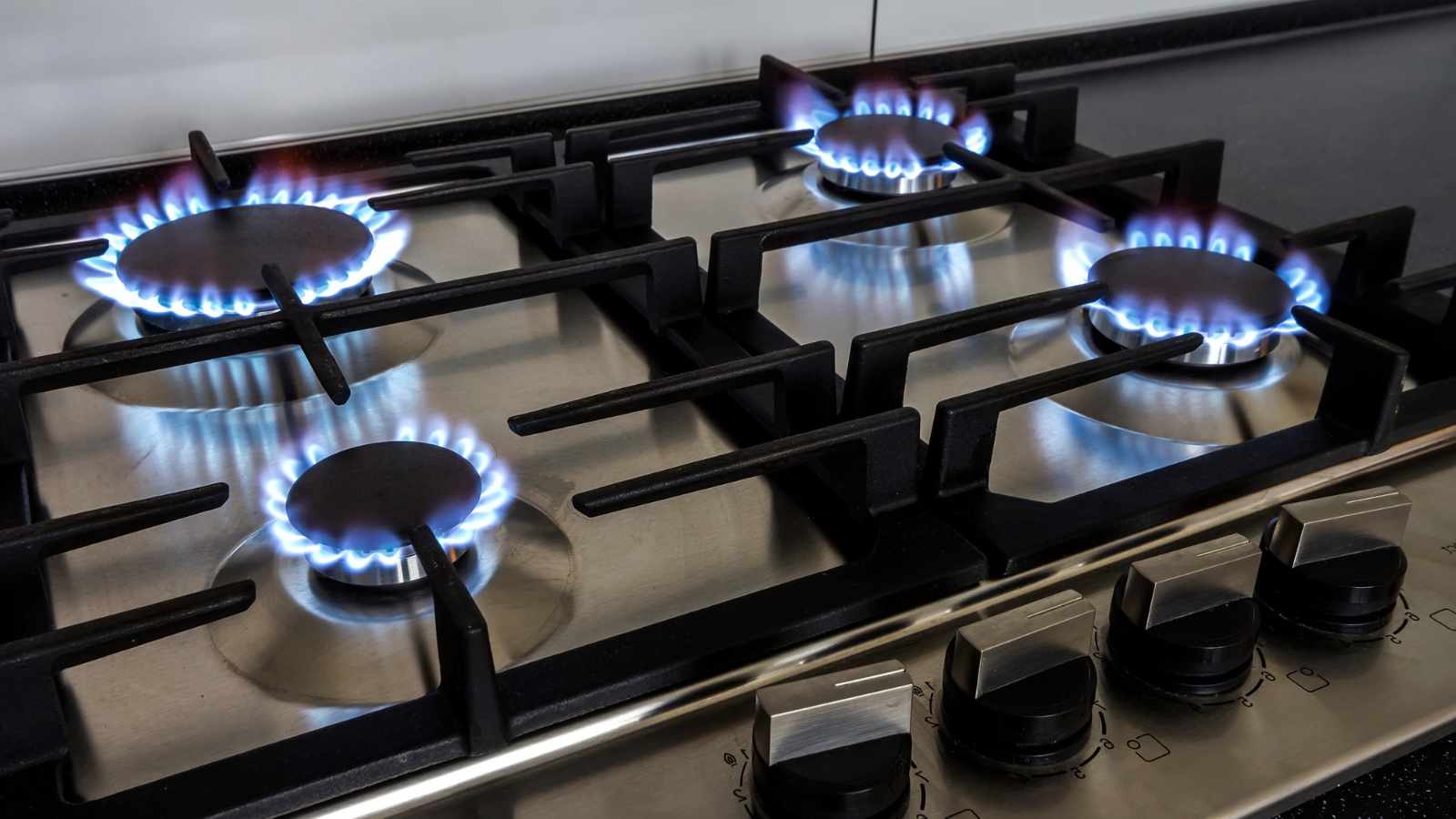
Image Credit: bilanol via 123RF
As the housing market evolves, so too does our approach to home design. With the influence of technology, changing lifestyles, and a growing awareness of efficiency and sustainability, some of the features that were once staples in American homes are beginning to fade away. In fact, data suggests that several popular home features will likely vanish within the next five years.
Formal Dining Rooms
Formal dining rooms, once an essential feature in homes, are now disappearing from many modern floor plans. This change is not merely a trend; it reflects evolving social dynamics. With families now gravitating toward more relaxed and multifunctional spaces, the formal dining room is becoming less of a necessity. Rather than reserving a large, unused room for occasional gatherings, families are opting for open floor plans in which the dining area blends seamlessly with the living or kitchen space. These flexible, multi-use areas can accommodate everything from remote work to family meals and casual entertainment.
Wall-to-Wall Carpeting

Wall-to-wall carpeting, once the epitome of comfort, is gradually being replaced by more practical, low-maintenance flooring options. A significant factor in this shift is the growing awareness of the health risks associated with carpet. Carpets tend to trap allergens, dust, and dirt, which can exacerbate respiratory issues. Homebuyers, particularly those with allergies, now prefer hardwood, tile, or other hard-surface flooring that is easier to clean and maintain.
Kitchen Desks
Once seen as a clever way to combine functionality and organization, the kitchen desk is rapidly becoming a thing of the past. Initially designed as a spot for family members to pay bills or check emails while in the kitchen, these built-in desks have often turned into clutter traps. Instead of serving as a functional workspace, they tend to gather dust, mail, and random household items. Homeowners are opting to reclaim this valuable square footage for more practical uses, such as adding larger pantries or creating designated coffee stations. The modern homeowner’s focus is shifting toward maximizing utility and streamlining spaces to suit busy lifestyles.
Gas Stoves
Gas stoves, once a staple in professional kitchens and a symbol of culinary precision, are under threat amid growing concerns about health and environmental impacts. A recent study by Stanford University highlighted that gas stoves emit methane, even when turned off, contributing significantly to indoor air pollution. As awareness of these risks grows, consumers are increasingly looking toward electric induction stoves, which are more energy-efficient and safer. With new regulations on gas appliances and a growing market preference for clean, efficient cooking technologies, gas stoves are rapidly losing favor.
Cable TV Hookups

The days of cable TV are numbered. As streaming services become the primary way Americans consume television, traditional cable hookups are quickly becoming obsolete. Homebuilders are responding by eliminating coaxial cable outlets from new homes, instead prioritizing better Wi-Fi infrastructure to accommodate streaming devices and smart TVs. This shift is a direct result of the growing trend of cord-cutting, where consumers choose on-demand content over traditional cable packages.
Jetted Bathtubs
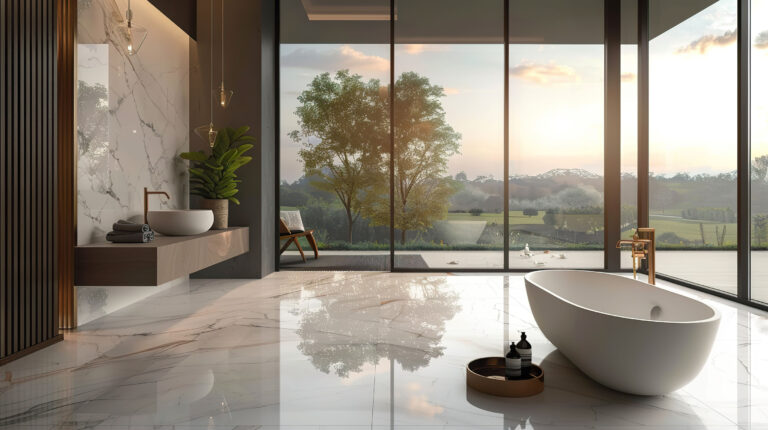
Once considered the ultimate luxury, jetted bathtubs are slowly being phased out. These bulky fixtures, often taking up significant space in master bathrooms, are now seen as impractical. They are difficult to maintain, prone to mildew buildup, and wastewater. With the rise of efficient, high-pressure showers that offer a similar relaxing experience without the water wastage, many homeowners are choosing to replace bathtubs with expansive showers.
Traditional Keys
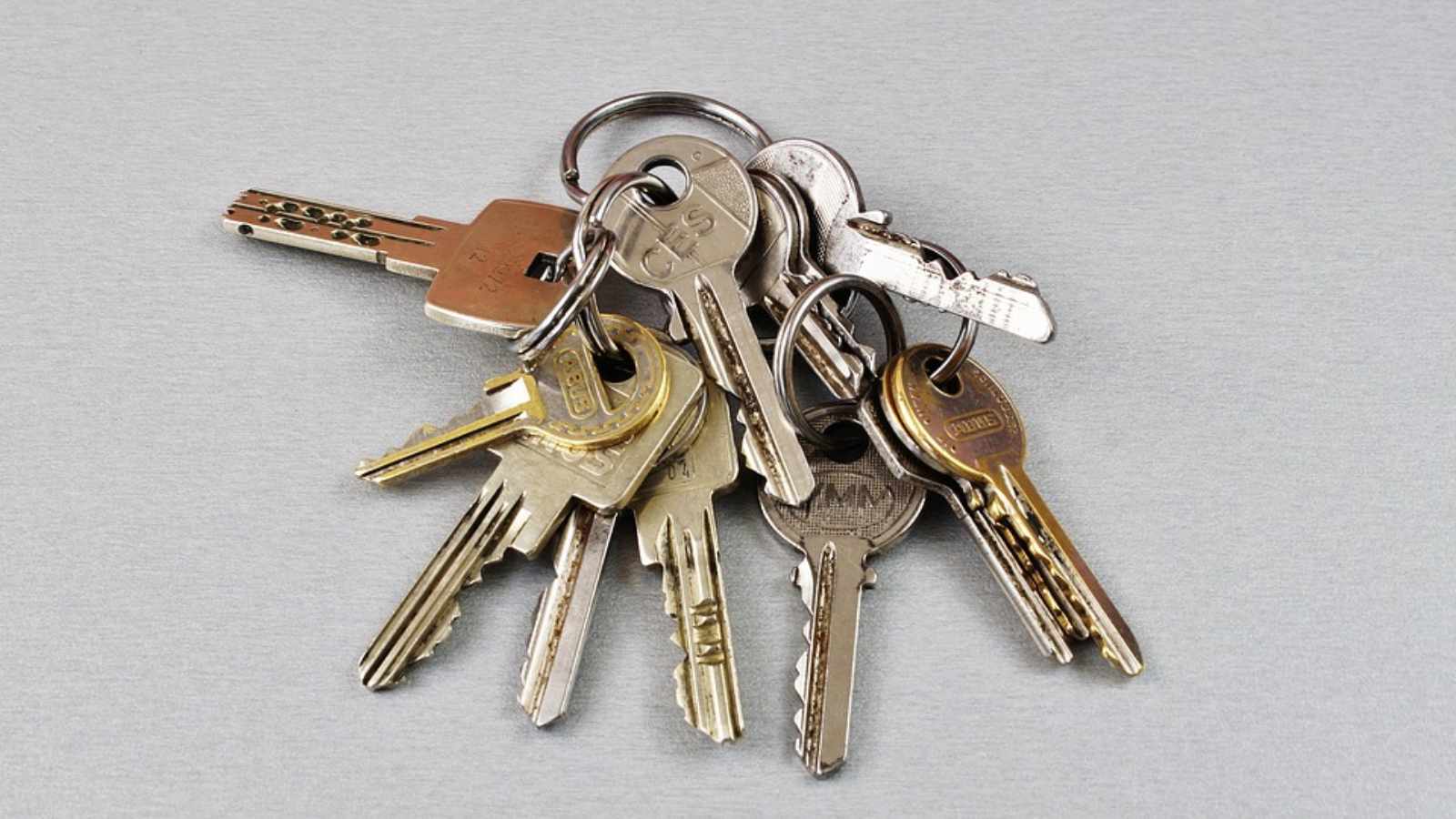
The age of traditional keys is quickly coming to an end, with digital and biometric solutions taking center stage. As homes become smarter, the convenience and security of smart locks are driving their widespread adoption. Smart locks eliminate the need for physical keys, allowing homeowners to use codes, fingerprints, or even smartphone apps to unlock doors. Not only do they offer enhanced security features, but they also integrate seamlessly with other smart home technologies. In an age where convenience is paramount, traditional keys are being phased out in favor of high-tech solutions that are both secure and efficient.
Key Takeaways
The evolution of home design is not just about trends; it reflects a broader shift in priorities. Today’s homeowners are more focused on functionality, efficiency, and sustainability. Outdated features such as kitchen desks, formal dining rooms, and jetted bathtubs are being replaced by solutions that better serve modern needs. As these features disappear, we can expect homes to become smarter, more adaptable, and better suited to the way we live today.