8 Grocery Items Retirees Should Keep Out of Their Cart

Image Credit: milkos/ 123rf photos
As retirees, every penny counts when it comes to managing your grocery bill. With a fixed income, making savvy choices in the grocery store not only helps save money, but it can also contribute to a healthier, more fulfilling lifestyle.
Here are common items that retirees should avoid adding to their shopping cart. These items are often overpriced, unhealthy, or simply unnecessary in the pursuit of a balanced budget and well-being.
Sugary and Fizzy Drinks
Sugary sodas, energy drinks, and fruit juices are packed with empty calories and little nutritional value. These beverages add up in cost and can contribute to health issues like diabetes, high blood pressure, and obesity. Instead, opt for healthier alternatives like water, herbal tea, or homemade infused water. Not only will you save money, but you’ll also improve your overall health.
Sugary Breakfast Cereals

Many breakfast cereals are loaded with sugar and offer little nutritional value despite their colorful packaging. They may seem like a quick and easy breakfast option, but they are often expensive and leave you feeling unsatisfied.
Opt for whole foods like oats, eggs, or whole-grain toast. These alternatives are more filling, provide sustained energy, and are far more affordable in the long run.
Bulk-Size Snacks
Large bags of chips, cookies, and other bulk snacks may seem like a good deal, but they can quickly turn into a waste of money. With smaller households, retirees often end up with excess snacks that spoil before they can finish them. Additionally, the temptation to overeat is strong with bulk-sized snacks.
Instead, opt for smaller portions or consider making your own healthy alternatives, such as roasted nuts or homemade popcorn, which are both healthier and more cost-effective.
Pre-Packaged Salad Dressings
Pre-made salad dressings are loaded with unhealthy fats, added sugars, and preservatives that you don’t need. Not only are they bad for your health, but they also cost a premium. Making your own dressing is simple, cheap, and healthier.
A quick mix of olive oil, vinegar, lemon juice, and your choice of herbs can elevate any salad without breaking the bank. By preparing your own, you control the ingredients and save money in the long run.
Processed Meats

Processed meats like deli meats, sausages, and hot dogs are not only high in sodium and unhealthy fats but are also often more expensive per pound than fresh cuts of meat.
For a healthier, more budget-friendly option, choose fresh poultry, fish, or plant-based proteins like beans, lentils, or tofu. These alternatives provide essential nutrients without the high cost or health risks associated with processed meats.
Name-Brand Products
Many grocery store products are identical in quality, whether they’re name-brand or generic. Name-brand products often come with a hefty price tag simply for the packaging.
You can save significantly by opting for store brands, which often offer the same quality at a fraction of the cost. Compare the unit prices of similar products, and you’ll quickly notice the savings add up.
Pre-Packaged or Single-Serving Items
Pre-packaged or single-serving items may be convenient, but they are often much more expensive than buying in bulk. Whether it’s individually wrapped snacks, pre-sliced vegetables, or single-serve yogurts, these items come at a premium.
If you have the time to prepare meals yourself, it’s far more economical to buy in larger quantities and portion them out yourself.
Frozen Dinners
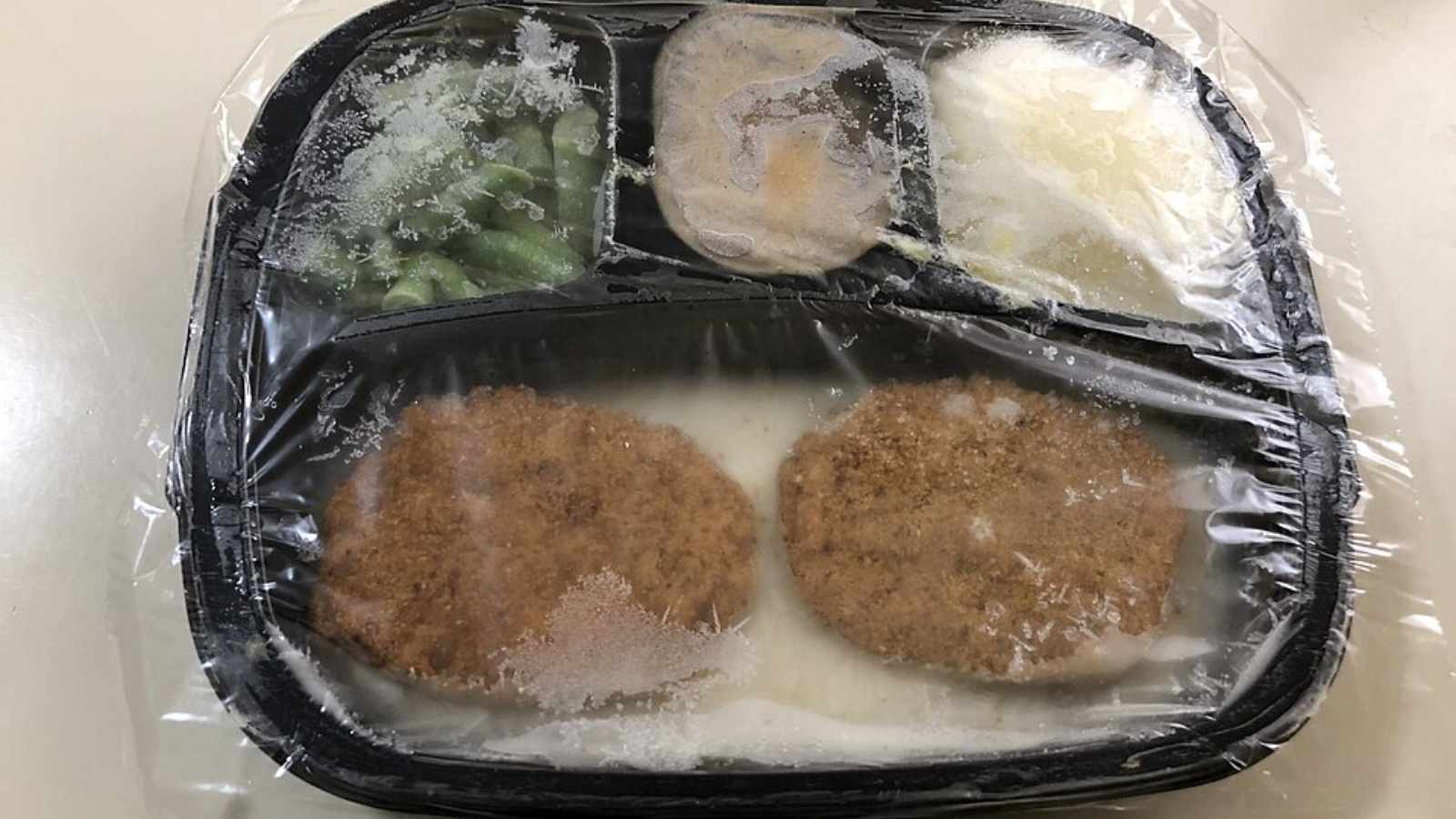
Frozen dinners are convenient, but they tend to be overpriced and high in sodium, preservatives, and unhealthy fats. For retirees who often have more time to prepare meals, cooking from scratch is not only healthier but also more affordable.
A simple, homemade meal with fresh ingredients can cost a fraction of the price of a frozen dinner and provide far more nutrients, flavor, and satisfaction.
Key Takeaways
The key to smart shopping is making conscious decisions based on your needs and budget, rather than succumbing to impulse buys or convenience. With a little planning and awareness, retirees can enjoy a balanced diet without overspending.