6 Grocery Habits Boomers Consider Normal But Millennials Find Strange

Image Credit: milkos/ 123rf photos
In grocery aisles, one can’t help but notice the contrasting approaches between Baby Boomers and Millennials. The generational divide in grocery shopping habits is more than a matter of preference; it reflects broader cultural shifts and evolving consumer behavior. Baby Boomers stick to well-worn rituals, but Millennials are reshaping the way we shop, often embracing the convenience of technology and modern practices.
Stocking Up
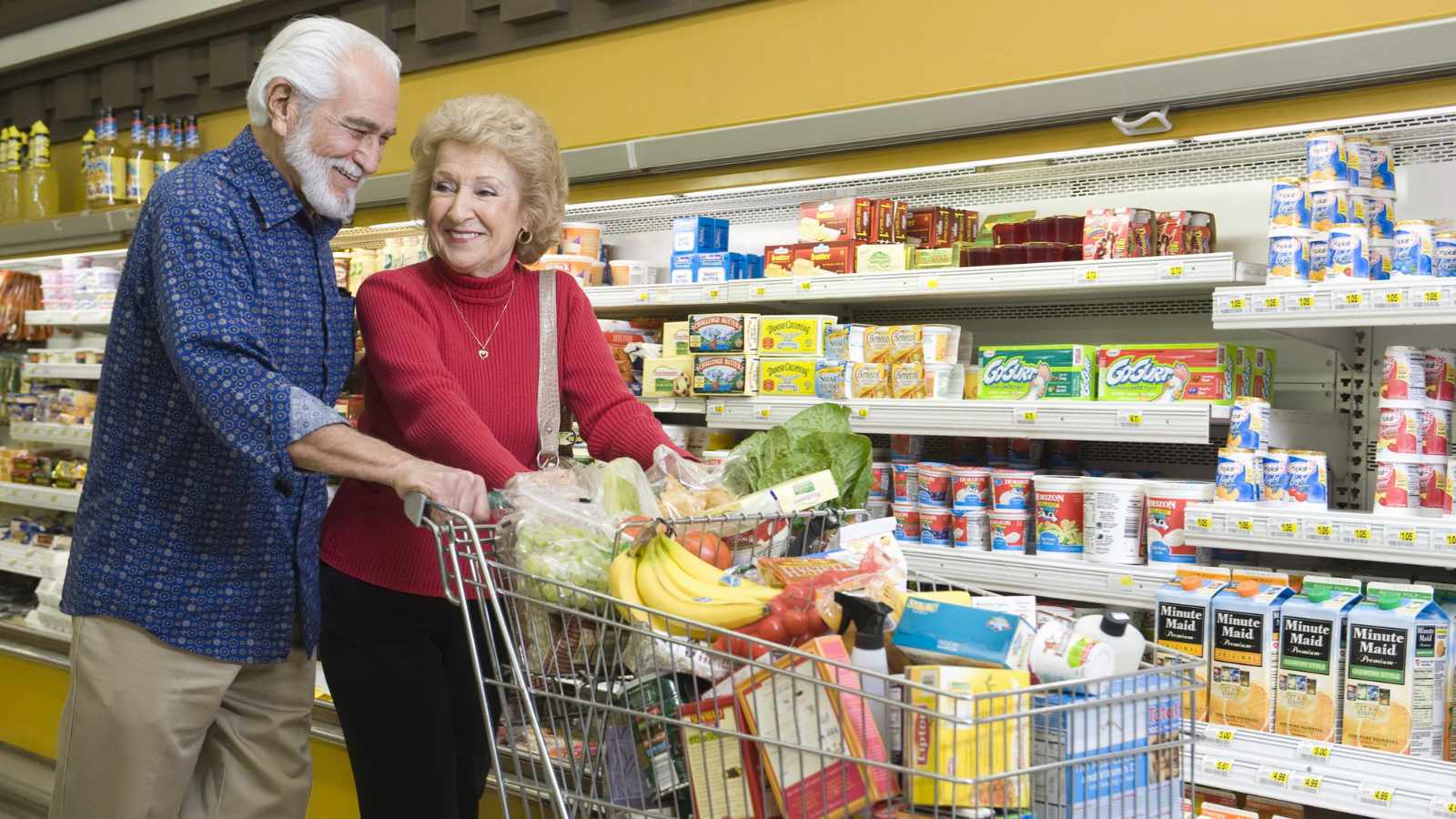
Boomers are notorious for buying in bulk, often purchasing pantry staples in large quantities to minimize trips to the store and anticipate future price hikes. Their pantries are often stocked with enough canned goods, pasta, and toilet paper to last for months. This “prepare for the worst” mentality stems from growing up in an era when grocery shortages and inflation were more common concerns.
Millennials, however, place a greater emphasis on freshness. They prefer to buy smaller quantities of fresh produce, focusing on healthy, perishable items rather than stockpiling long-lasting goods. With smaller living spaces and an increasing preference for quick meals, Millennials are less inclined to bulk-buy, opting instead for fresh, seasonal ingredients that suit their fast-paced lifestyles.
In-Store Shopping
For Baby Boomers, the weekly grocery store trip is a time-honored ritual. They prefer the tactile experience of selecting fresh produce, checking expiration dates, and engaging in light social interactions with store staff. According to recent studies, those aged 55–65 still prefer shopping in physical stores, embracing the sensory experience that many Millennials find outdated.
In contrast, Millennials, who have grown up in the digital age, often consider in-store shopping an inefficient use of time. Online grocery shopping has become the go-to method for many in this generation, who prefer the convenience of shopping from home. For them, platforms like Amazon Fresh and grocery delivery services offer unparalleled convenience, allowing them to focus on other tasks while their groceries arrive at their doorstep.
Socializing at the Grocery Store
For Baby Boomers, grocery shopping is often a social experience. Many enjoy chatting with cashiers, baggers, and even fellow shoppers, treating their grocery store visits as opportunities to connect with their local community. These interactions are a source of comfort and connection, adding a personal touch to the otherwise mundane task of buying food.
Millennials, on the other hand, view grocery shopping as a task to be completed as efficiently as possible. They are more likely to use self-checkout stations, avoiding unnecessary interactions and valuing speed above all else. The rise of digital receipts and contactless payment options has further streamlined the shopping experience, making it more impersonal but much faster.
Couponing
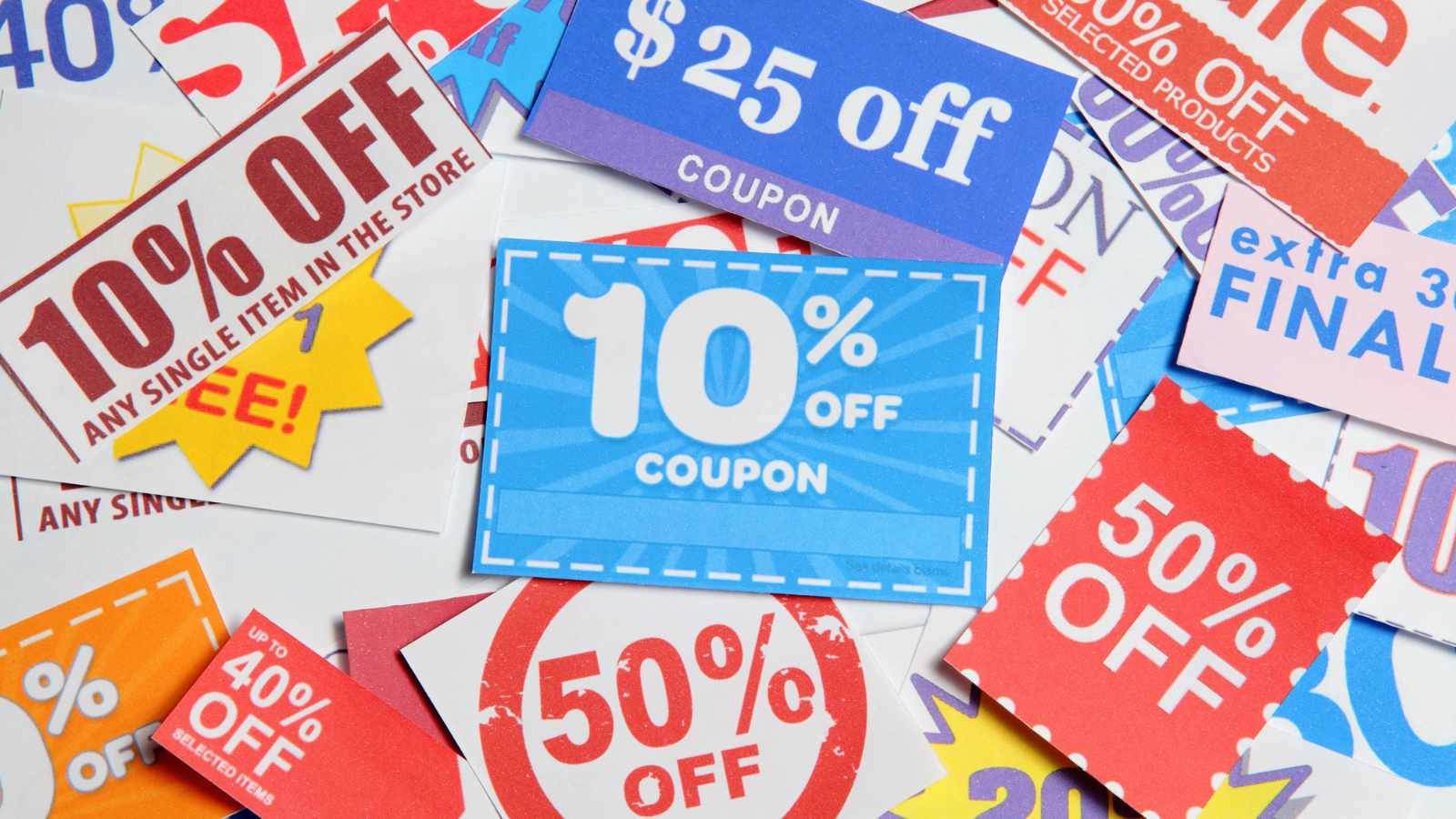
For Baby Boomers, clipping paper coupons from weekly flyers is a tradition that’s as much about the thrill of saving money as it is about the nostalgia of past decades. Boomers are often seen meticulously organizing their coupons, clipping the best deals, and bringing them to the checkout with a sense of accomplishment. This practice is embedded in their identity as frugal, value-driven consumers who know how to stretch a dollar.
Millennials, however, have largely moved away from paper coupons in favor of digital alternatives. With the rise of apps like Honey and Rakuten, Millennials can effortlessly find deals without ever leaving the comfort of their phones. Price comparison tools and mobile coupons have replaced the need for physical clipping, streamlining the process and catering to the fast-paced lifestyle of this generation.
Brand Loyalty
Baby Boomers are notorious for their unwavering loyalty to well-established brands. Boomers find comfort in purchasing products they’ve trusted for decades. This brand loyalty extends to their grocery shopping habits, where consistency and reliability are key factors in their purchasing decisions. For many Boomers, knowing exactly what to expect from their favorite brands is worth paying a premium.
In contrast, Millennials tend to prioritize value over brand loyalty. This shift in priorities has been driven by the rise of digital information, where Millennials can instantly access product reviews and compare options before making a purchase.
Meal Planning

When it comes to meal planning, Baby Boomers take a more methodical approach. They are known for crafting detailed weekly menus, carefully organizing grocery lists, and sticking to them without fail. Sunday meal prep is often a cornerstone of their weekly routine, allowing them to plan and prepare for the week ahead. This careful planning ensures that they have everything needed to create wholesome, balanced meals for their families.
Millennials, on the other hand, tend to embrace a more spontaneous approach to meal planning. Their busy, on-the-go lifestyles make it harder to plan every meal down to the last detail. Instead, Millennials rely on meal kit services, quick recipes, and flexible shopping habits that fit their dynamic schedules.
Key Takeaways
The grocery shopping habits of Baby Boomers and Millennials are shaped by different priorities, preferences, and experiences. Boomers tend to value tradition, loyalty, and in-person connections, while Millennials prioritize convenience, technology, and flexibility. By understanding these differences, both generations can navigate the grocery aisles more easily, and retailers can better cater to their needs.