10 Good Luck Plants to Bring Fortune Into Your Home
Bringing plants into your home not only enhances its aesthetic but can also introduce an air of prosperity and positive energy. Certain plants have been cherished for centuries not only for their beauty but also for their symbolic connection to good fortune.
Whether you’re looking to invite wealth, love, or serenity into your space, these 10 plants are believed to possess magical powers that could change your life for the better. Let’s explore the rich cultural history, care tips, and meanings behind each plant, and how they could infuse your life with luck.
Peace Lily
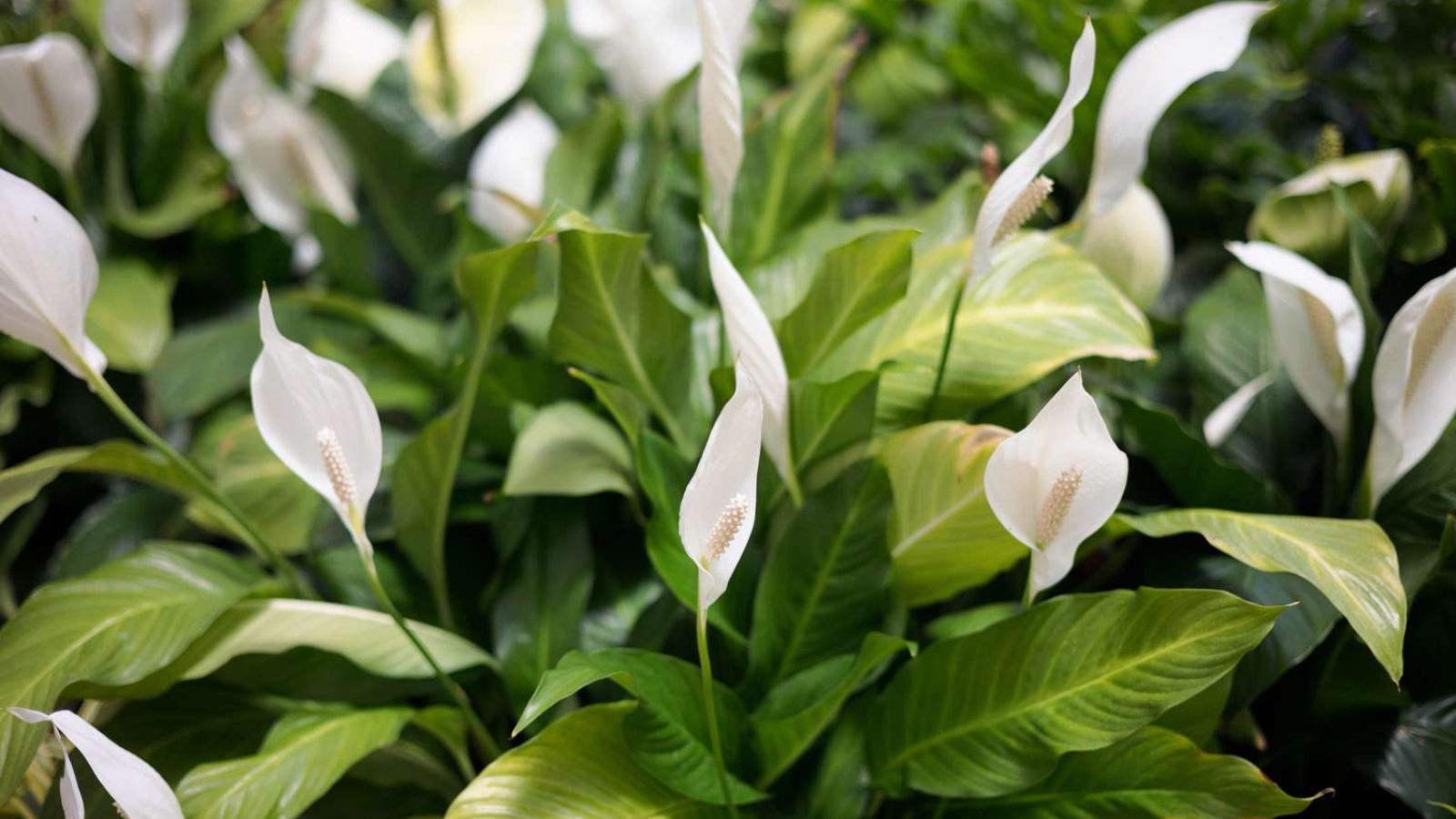
The Peace Lily, scientifically known as Spathiphyllum, is often considered one of the best plants for bringing peace and harmony into any home. As a symbol of purity and tranquility, it’s said to ward off negativity and replace it with positive, calming energy. Its pristine white flowers are symbolic of new beginnings and mental clarity, making it an ideal plant for people seeking peace or clarity in their relationships or personal lives.
This plant is also known for its air-purifying abilities. According to NASA’s Clean Air Study, Peace Lilies can remove harmful toxins from the air, making them an excellent choice for improving air quality. Many also believe that placing a Peace Lily in the home promotes good health and personal balance.
Peace Lilies thrive in moderate to low light, making them perfect for almost any indoor setting. They prefer consistently moist soil, but not soggy, so ensure the pot drains well. Water them when the top inch of soil feels dry, and avoid over-watering. If your Peace Lily’s leaves begin to droop, it’s usually a sign they need more water.
Chinese Evergreen
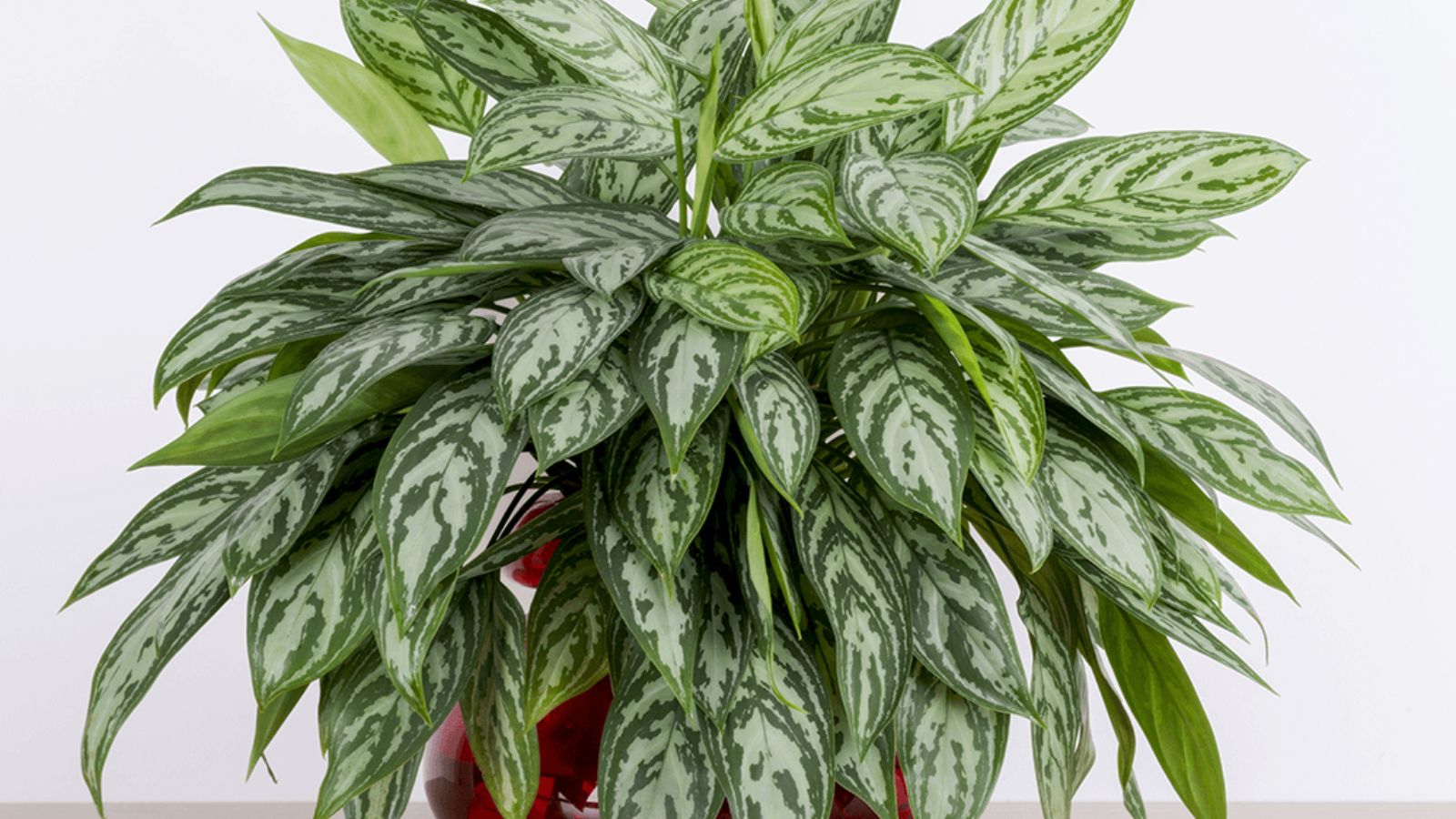
The Aglaonema, or Chinese Evergreen, is known for its attractive foliage and resilience. It has long been associated with wealth and prosperity, especially in Feng Shui practices. In Chinese culture, this plant is believed to attract wealth and fortune, and its lush, patterned leaves symbolize a flourishing life.
As a lucky plant, it’s often placed in homes or offices to promote good energy and bring good luck to the space. Its adaptability to low-light environments and minimal care requirements make it a go-to choice for beginners.
This plant prefers low to medium indirect light and can tolerate occasional neglect. Water it when the soil feels dry to the touch but avoid letting it sit in water. Chinese Evergreens also appreciate humidity, so it’s ideal to keep them in areas like kitchens or bathrooms.
Money Tree
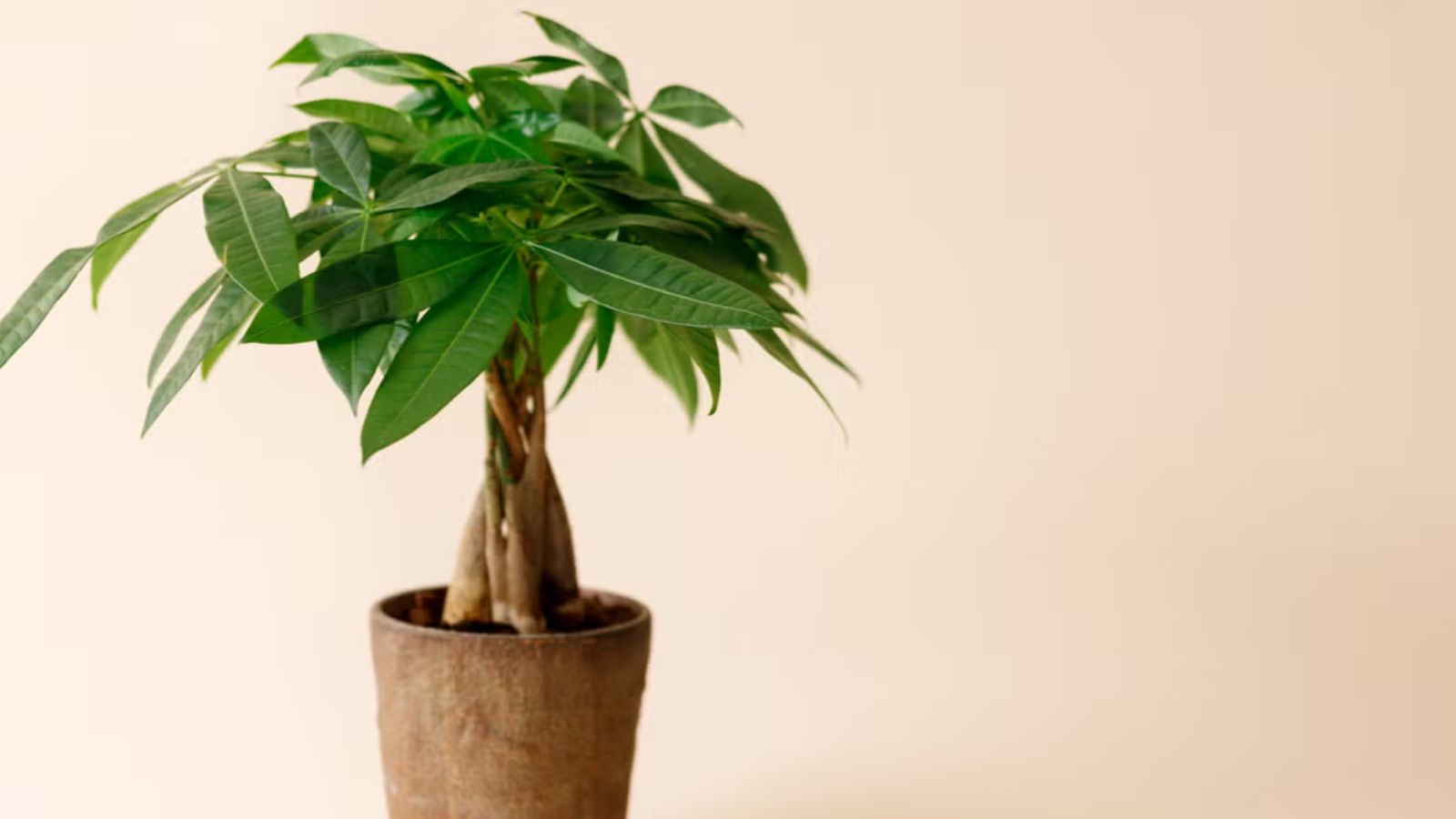
The Pachira aquatica, also known as the Money Tree, is a favorite among those hoping to attract financial prosperity. According to Feng Shui, the Money Tree is considered to be a powerful symbol of wealth and good fortune. The braided trunk of this plant is thought to represent unity and strength, and the five leaves on each branch are believed to bring balance and harmony.
It’s often placed in the southeast corner of a home, a spot that’s considered the “wealth corner” according to Feng Shui principles. If you’ve been looking for a way to increase your financial flow, the Money Tree might be your lucky charm.
The Money Tree thrives in bright but indirect light. It requires regular watering, but be careful not to overwater. Let the soil dry out slightly between waterings, and ensure the pot has adequate drainage to avoid root rot. This plant also appreciates humidity, so keep it in a slightly moist environment.
Lucky Bamboo
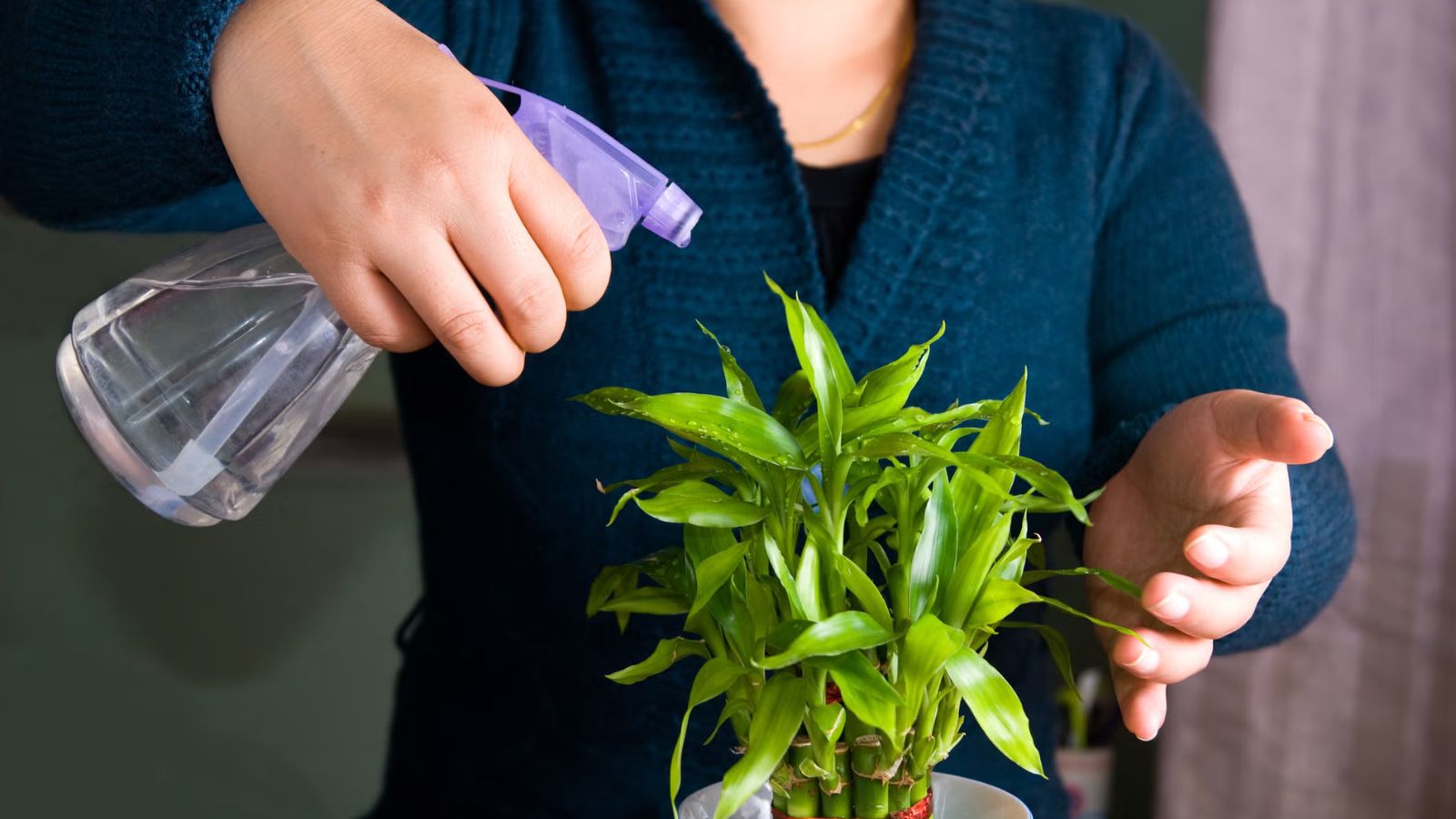
Lucky Bamboo (Dracaena sanderiana) is perhaps the most well-known lucky plant worldwide. With its striking appearance and deep symbolic meanings, it’s a common gift for friends and family who could use a bit of luck and prosperity in their lives. In Feng Shui, the number of stalks on a Lucky Bamboo plant is significant:
- 3 stalks bring happiness.
- 5 stalks are for health.
- 8 stalks signify wealth.
This easy-to-care-for plant is known to bring strength and resilience, making it an ideal plant for anyone embarking on a new venture or trying to navigate through challenging times.
Lucky Bamboo is incredibly versatile, growing well in both soil and water. Place it in a location with indirect sunlight, and if you’re growing it in water, change the water every two weeks. It thrives in a clean environment, so be sure to keep the water free from algae and pollutants.
Calathea
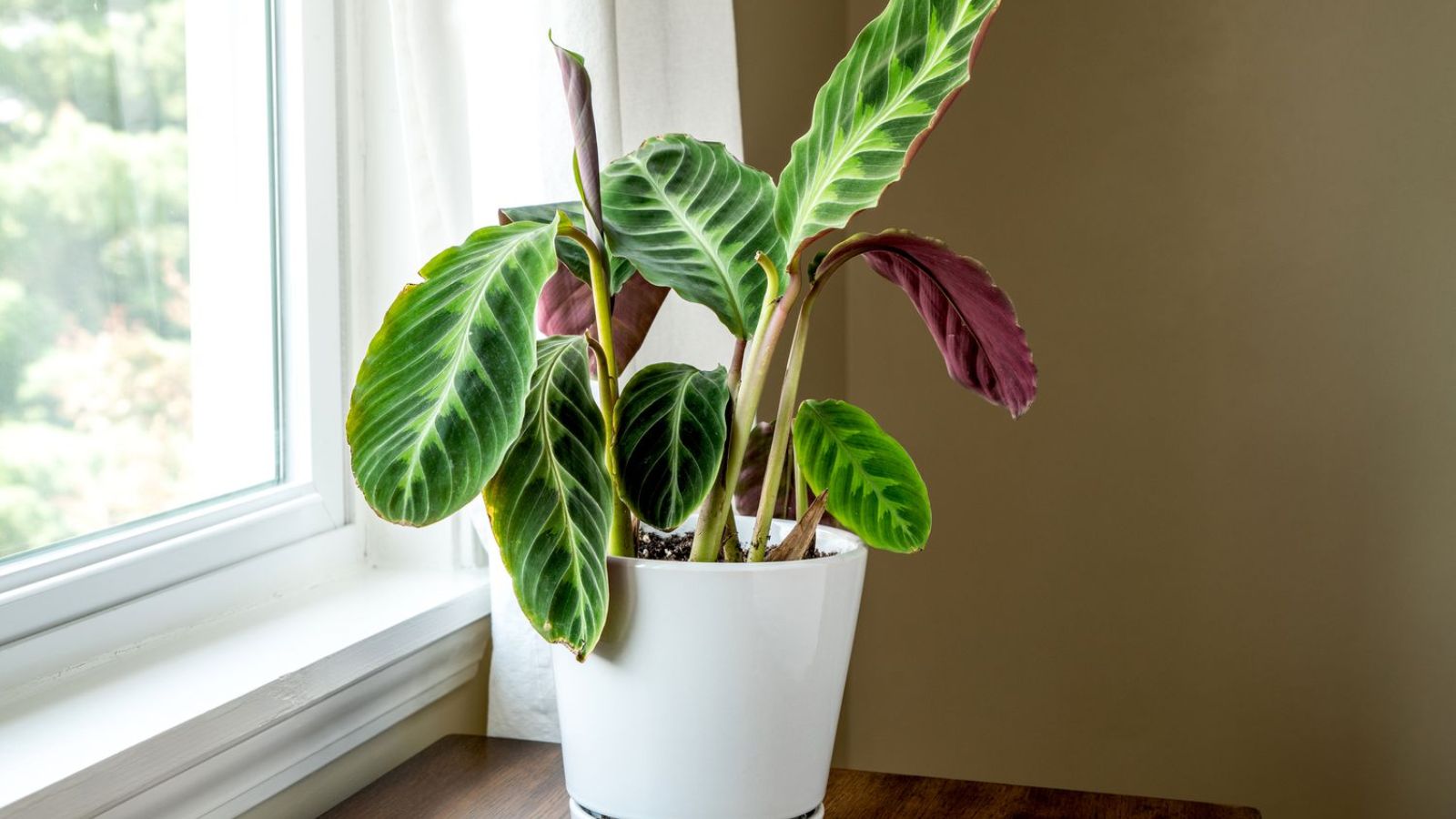
The Calathea (Calathea makoyana), often called the Peacock Plant due to its stunning leaf patterns, is thought to bring renewal and rebirth. The plant’s leaves fold up at night, a phenomenon that’s often interpreted as a gesture of gratitude for a completed day. In many cultures, Calathea is believed to bring good luck to the home and to those who care for it, symbolizing growth, rejuvenation, and the positive energy of a fresh start.
Calatheas thrive in medium to low indirect light. They require well-draining, slightly acidic soil and regular watering. Keep them in a humid environment, and don’t allow the soil to dry out completely between waterings. The beauty of Calathea comes with its finicky nature, but with proper care, it will reward you with its mesmerizing leaves.
Four-Leaf Clover
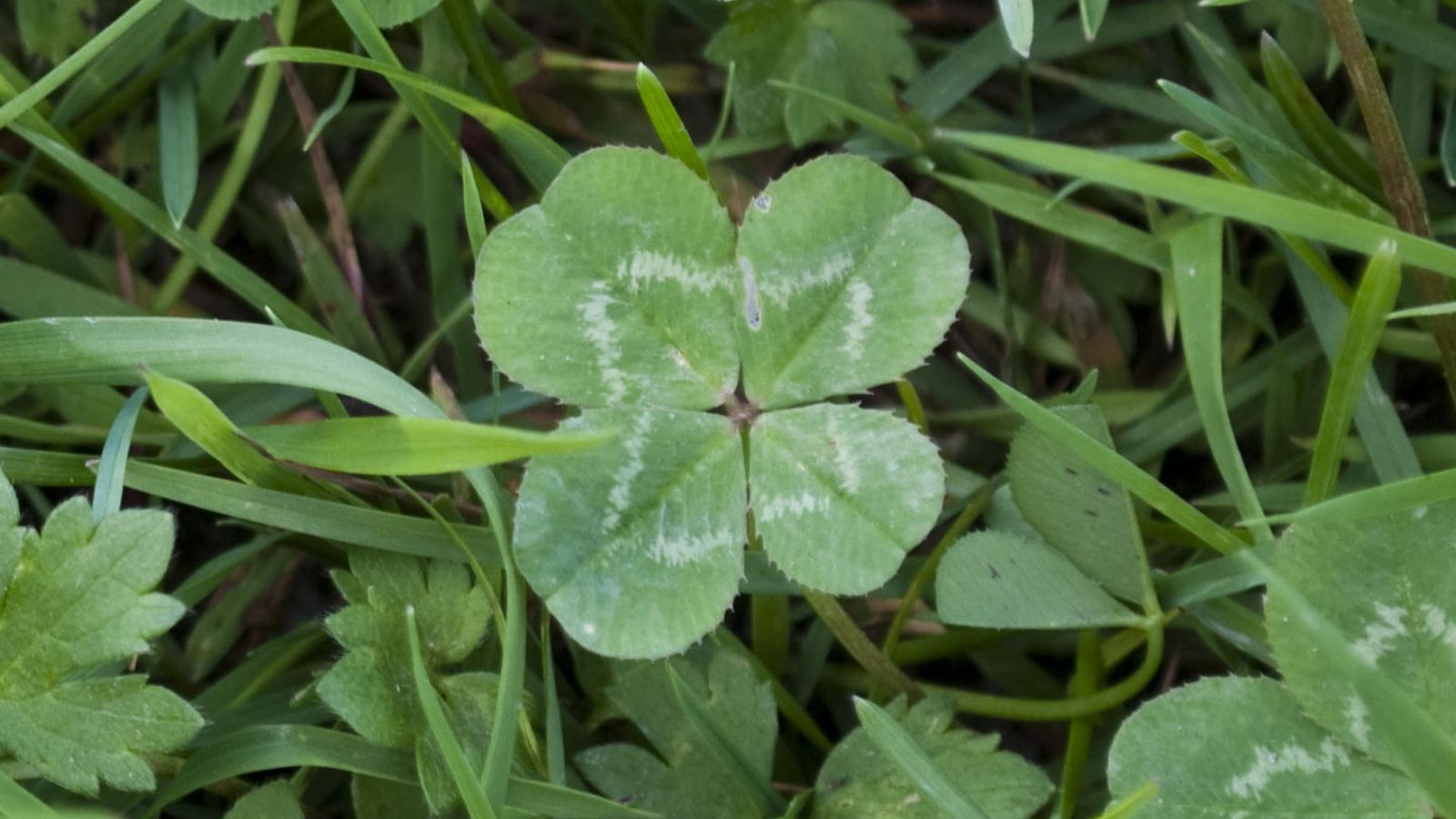
The Four-Leaf Clover (Trifolium repens) is globally recognized as a symbol of luck. With its rare four leaves, each representing faith, hope, love, and luck, it’s no surprise that it’s considered the ultimate lucky plant. Finding a natural four-leaf clover is often seen as a fortunate occurrence, one that brings good fortune for the finder.
Four-leaf clovers require constant moisture and bright, indirect light. They thrive in soil that is rich in nutrients, so be sure to plant them in a well-draining pot with a good-quality potting mix. Keep them in a warm area, and they’ll reward you with their vibrant green leaves.
Ferns

Ferns (Nephrolepis exaltata) have long been used as protective charms in many cultures. Known for their cascading fronds, ferns are often placed in homes to guard against negative energy and bring prosperity. In some traditions, they are also seen as a symbol of growth and fertility, making them an ideal choice for those seeking personal development and protection from harm.
Ferns thrive in high-humidity environments, so they’re perfect for kitchens or bathrooms. Keep them in indirect sunlight and water them regularly to maintain their lush appearance. If you’re keeping them in a dry space, consider using a humidifier to boost the moisture levels in the air.
Aloe Vera
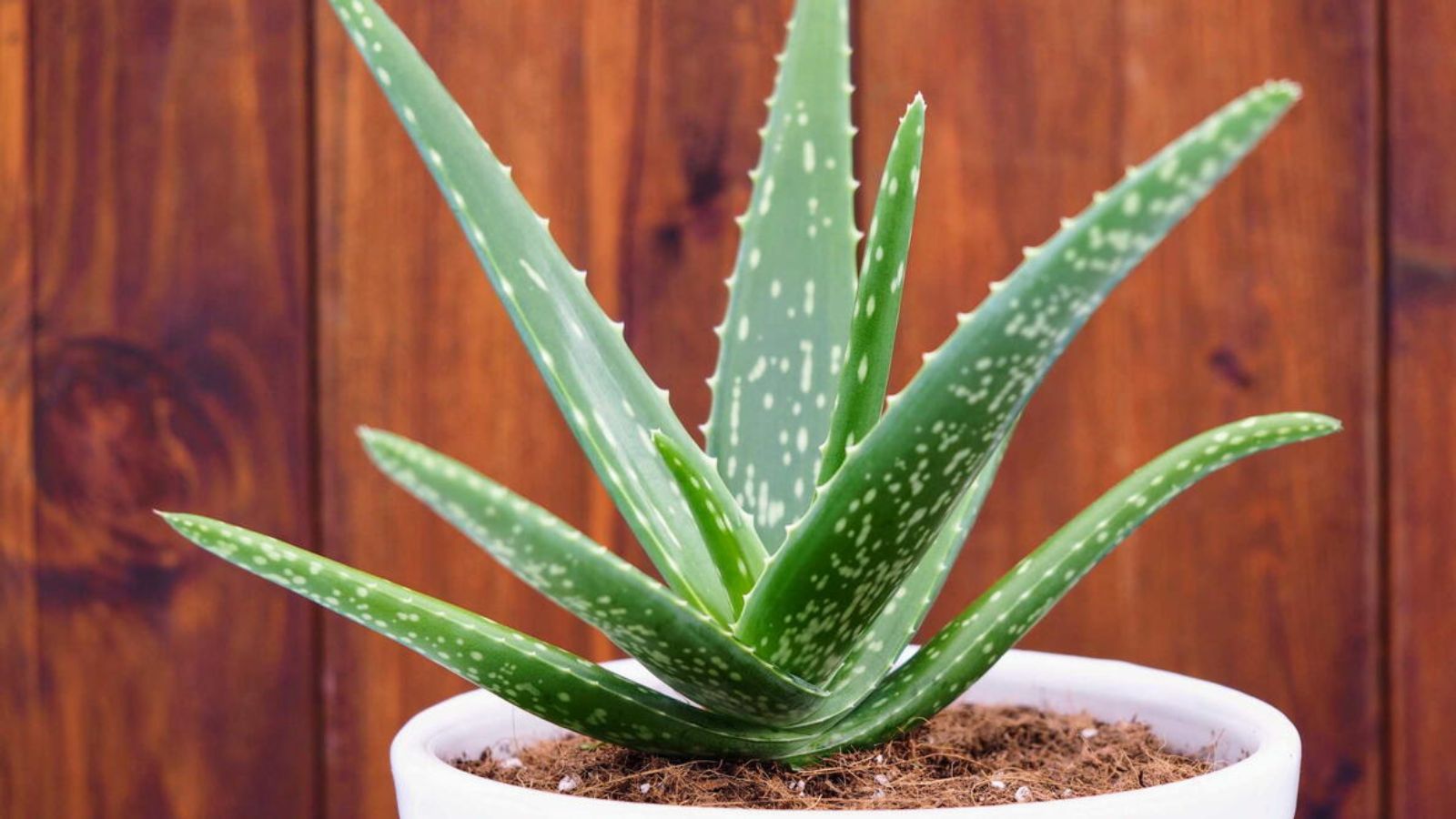
Aloe Vera (Aloe barbadensis miller) is not just a plant for healing, but also a protector against bad energy. Known for its medicinal properties, aloe vera is believed to bring good luck and ward off negative vibes, especially in homes and spaces that may feel heavy or stagnant.
This hardy plant is a symbol of self-care and protection, helping to nurture the body and mind while fending off ill health. Aloe vera thrives in bright, indirect sunlight and needs minimal watering. Let the soil dry out completely between waterings to prevent root rot. It’s a low-maintenance plant, making it an ideal addition to any home.
Pineapple Plant
The Pineapple Plant (Ananas comosus) is a vibrant symbol of warmth, generosity, and abundance in many cultures. In Feng Shui, it is considered a powerful symbol of prosperity, attracting both material wealth and emotional fulfillment. The pineapple’s sweet, welcoming energy makes it a perfect addition to any home, especially for those looking to invite generosity and abundance into their lives.
Pineapple plants thrive in direct sunlight and require well-drained soil. They also benefit from regular watering, but make sure the soil dries out between waterings. Growing a pineapple plant indoors can take a while, but the long-term reward is a beautiful and luck-bringing addition to your space.
Marigold
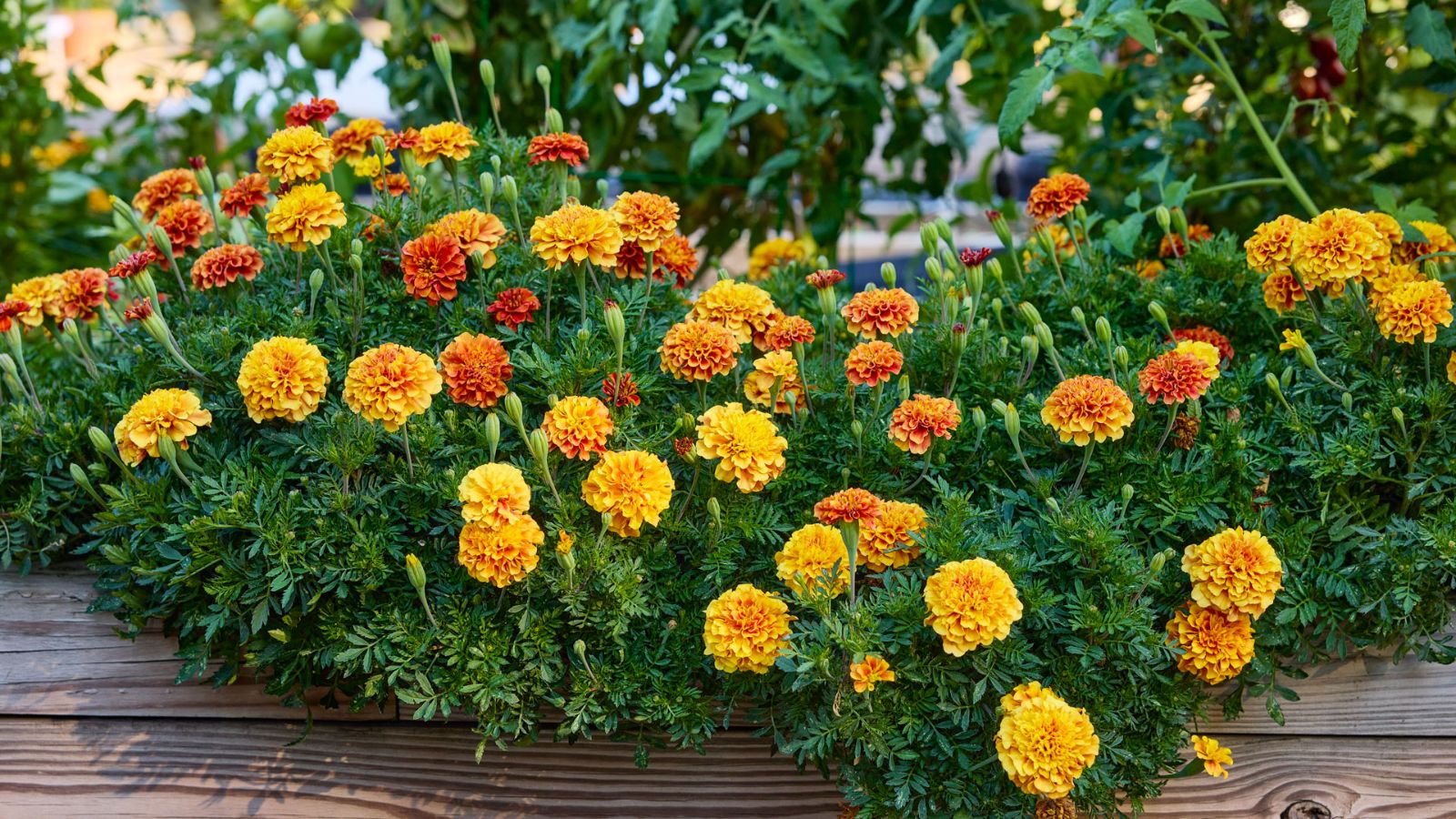
Marigolds (Tagetes) are often used in festivals and ceremonies as a symbol of prosperity, protection, and blessings. Their vibrant yellow and orange blooms are believed to carry positive energy, offering protection from evil spirits and attracting good fortune. In many cultures, marigolds are used to decorate altars or homes during celebrations, as their beauty and symbolism are said to invite good fortune.
Marigolds need full sun to thrive, so plant them in a spot that receives plenty of light throughout the day. Water them regularly to keep the soil moist, but avoid over-watering, as this can lead to root rot.
Conclusion
Integrating lucky plants into your home or office space isn’t just about aesthetic value; it’s about fostering a positive environment that promotes prosperity, health, and well-being. Whether you’re drawn to the tranquil vibes of the Peace Lily or the protective energy of Aloe Vera, these plants are more than just greenery—they are symbols of growth, healing, and abundance. Their care requirements are generally simple, and with a bit of attention, they can thrive in almost any environment.
Lucky plants offer a way to connect with nature, boost your mood, and bring good fortune into your life. Whether you’re a seasoned gardener or a beginner, adding these plants to your space can be a step toward a more vibrant, prosperous future. So, why not add one (or a few) of these lucky plants to your home? You might just be surprised at the positive changes they bring into your life.
Read the original article on crafting your home