
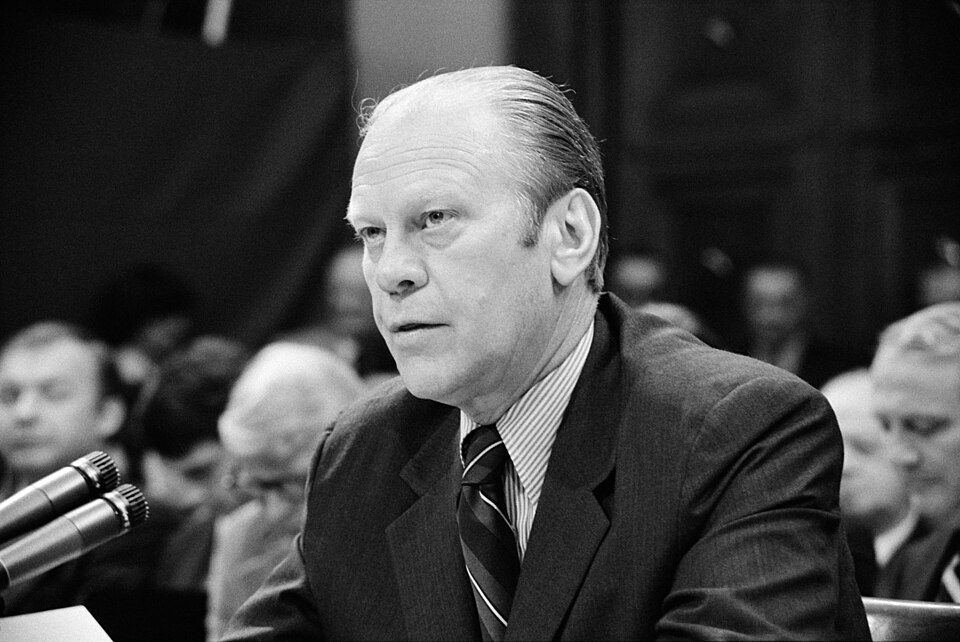

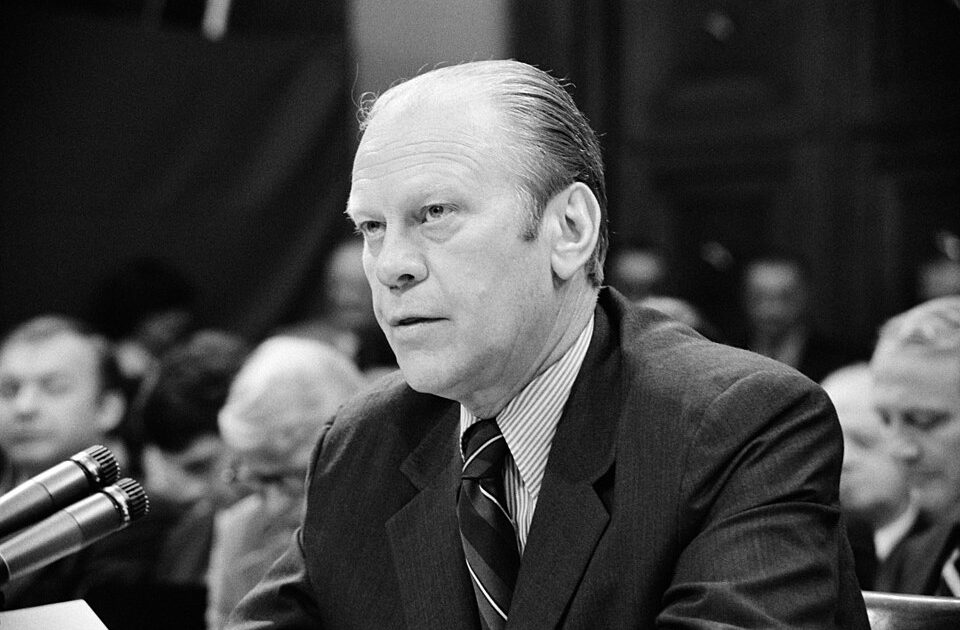
This article was originally published on Crafting Your Home. A human contributor also wrote and edited the post.
Gerald Ford entered the White House through one of the most unusual paths in American history. He became president of the United States without ever winning a nationwide election for either president or vice president, a historic circumstance created by a political crisis that shook the nation.
When Ford took the presidential oath on August 9, 1974, he did not arrive after a campaign victory or an electoral college win. Instead, he inherited the nation’s highest office after President Richard Nixon resigned amid the Watergate scandal, making Ford the first and only person to become president without being elected to either position on a national ticket.
His rise to power remains one of the most remarkable stories in American political history, showing how the Constitution’s succession process can shape the country during moments of uncertainty.
From Congressman to Vice President, then President
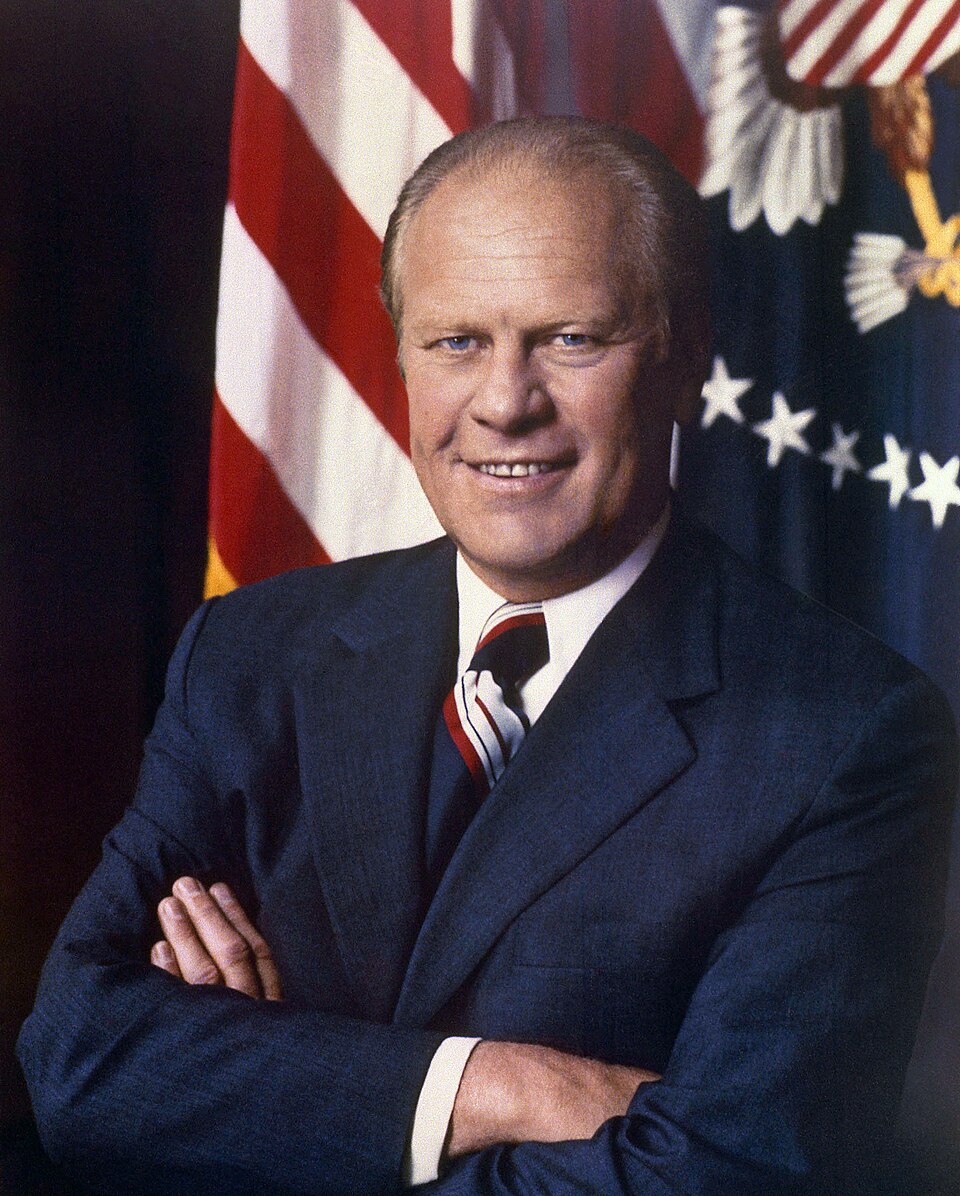
Before becoming president, Gerald Rudolph Ford Jr. spent decades building a reputation as a respected lawmaker. Born in Omaha, Nebraska, in 1913 and raised in Michigan, Ford served in the U.S. Navy during World War II before entering politics.
He won election to the U.S. House of Representatives in 1948 and represented Michigan’s 5th Congressional District for nearly 25 years. During his time in Congress, Ford became known as a steady and cooperative figure who could work across political lines.
His path changed dramatically in 1973 when Vice President Spiro Agnew resigned after facing allegations of corruption. Under the 25th Amendment, which had been ratified just a few years earlier, President Nixon nominated Ford to fill the vacant vice presidency.
Congress confirmed Ford, and he was sworn in as vice president on December 6, 1973. At that moment, Ford became the first vice president appointed under the 25th Amendment. But less than a year later, he would face an even more extraordinary turn of events.
Watergate Crisis Pushes Ford Into the Presidency
The Watergate scandal dominated American politics throughout the early 1970s. The controversy began after a break-in at the Democratic National Committee headquarters in Washington, D.C., and grew into a major investigation involving the Nixon administration.
As pressure mounted, President Nixon faced possible impeachment and growing demands for his resignation. On August 8, 1974, Nixon announced that he would step down from office.
The following day, Gerald Ford became president. In his first address after taking the oath of office, Ford acknowledged the unusual circumstances surrounding his presidency.
“Our long national nightmare is over,” Ford said, promising that the country needed healing after years of political turmoil.
Ford inherited a nation dealing with deep divisions, questions about government trust, and economic challenges. His first major decision would become one of the most controversial actions of his presidency.
The Pardon That Defined Ford’s Presidency
Just weeks after taking office, Ford announced that he was granting Nixon a full pardon for any federal crimes he might have committed while president. Ford argued that a prolonged criminal trial against Nixon would continue to divide the country and prevent Americans from moving forward.
In a statement announcing the pardon, Ford said the decision was made because he believed the country needed to focus on recovery rather than remain trapped in the aftermath of Watergate.
The decision immediately sparked criticism. Many Americans believed Nixon should have faced legal consequences, while Ford’s supporters argued that the pardon helped the nation move beyond a painful political crisis. The controversy damaged Ford’s popularity and became one of the defining moments of his presidency.
A Presidency Without an Election Victory
Although Ford never won a presidential election, he still had to face voters. In 1976, he became the Republican nominee for president but lost the election to Democrat Jimmy Carter.
Ford’s presidency lasted only 895 days, making it one of the shortest full presidential terms in modern U.S. history. However, his time in office represented a crucial transition period between the turmoil of Watergate and the restoration of public confidence in government.
Historians often describe Ford as a president who entered office during one of America’s most difficult moments and focused on stability rather than dramatic change. His willingness to take unpopular decisions, including the Nixon pardon, shaped his legacy for decades.
Gerald Ford’s Historic Legacy
Gerald Ford remains the only person in American history to serve as both vice president and president without being elected to either office by the American people.
His story is a reminder that the presidency is not always reached through a campaign trail. Sometimes, history creates unexpected moments that place individuals in positions they never imagined.
Ford’s rise from a congressional office to the Oval Office was not driven by a personal victory at the ballot box but by a constitutional process designed to keep the government functioning during times of crisis.
More than four decades after he left office, Gerald Ford’s unusual journey continues to stand as one of the most fascinating chapters in the story of American presidents.
If you like what you just read, then subscribe to our newsletter and follow us on social media.


