Freezer Myths Food Experts Wish You Would Stop Believing
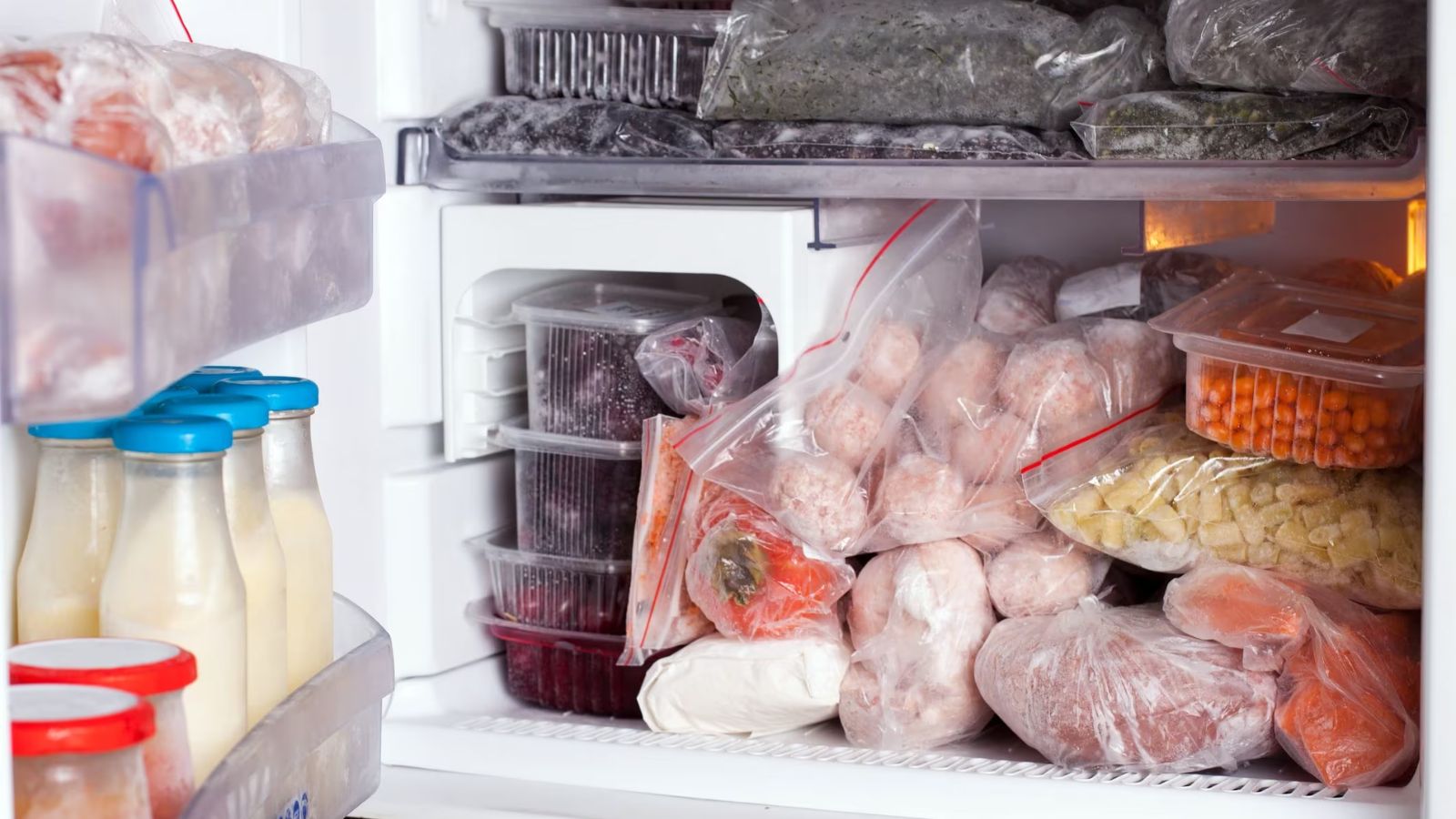
Image Credit: bolerink via 123RF
Freezing food is a practical and effective way to preserve the freshness and extend the shelf life of many ingredients. However, several myths surrounding the process have caused confusion over the years.
These misconceptions can lead to wasted food, improper storage, or even health risks. Learning to shop the frozen food aisle can unlock a whole new world of healthy, affordable, and convenient meals. It’s time we busted these frozen food myths.
You Can Freeze All Foods
One of the most common freezer myths is the belief that all foods can be frozen without consequence. While freezing is an excellent preservation method for many types of food, some items simply don’t hold up well to freezing. Let’s explore a few of these:
- Lettuce and other delicate greens: Freezing lettuce, spinach, or other fresh leafy greens can cause them to wilt and disintegrate upon thawing. These vegetables have high water content, which turns into ice during freezing, making them soggy and unappetizing.
- Cream-based sauces: When frozen, they tend to separate and curdle, leaving you with an unpleasant texture once thawed.
- Coffee: Freezing coffee might seem like a good idea, but it can actually cause the oils in dark roasts to break down. Freezing coffee can cause unwanted flavors to be absorbed, making your cup less satisfying.
- Canned goods: Many people assume canned food can go directly into the freezer, but the USDA advises against freezing canned goods. While you can freeze canned goods if you remove them from their containers, the can’s expansion can cause the food to degrade, and the can might explode under freezing temperatures.
It’s important to check which foods freeze well before placing them in your freezer. Some things just don’t belong in the cold storage, no matter how convenient it might seem.
Frozen Food Is Always Less Nutritious Than Fresh

Contrary to popular belief, frozen food can actually be more nutritious than fresh food in some cases. Frozen fruits and vegetables are often picked at peak ripeness and frozen immediately to preserve their nutrients.
In fact, many vegetables lose nutrients during transportation, storage, and handling before reaching your supermarket shelves, making frozen options a better choice nutritionally.
To maintain the highest nutrient levels, eat your frozen vegetables and fruits soon after purchase. Over time, frozen produce can lose some of its nutrients, especially if stored for extended periods.
It’s also best to steam or microwave your frozen produce rather than boiling it, as this method minimizes nutrient loss.
Freezing Kills Bacteria
This is a myth that could lead to health risks. While freezing does halt bacterial growth, it doesn’t kill bacteria outright. If your food is contaminated before it’s frozen, the bacteria will still be present when you thaw it.
Freezing can pause the growth of harmful pathogens, but it can’t neutralize them. To ensure food safety, always cook your frozen food to the recommended temperatures. Only proper cooking can kill bacteria and ensure the food is safe to eat.
Freezing Foods Indefinitely Is a Good Idea
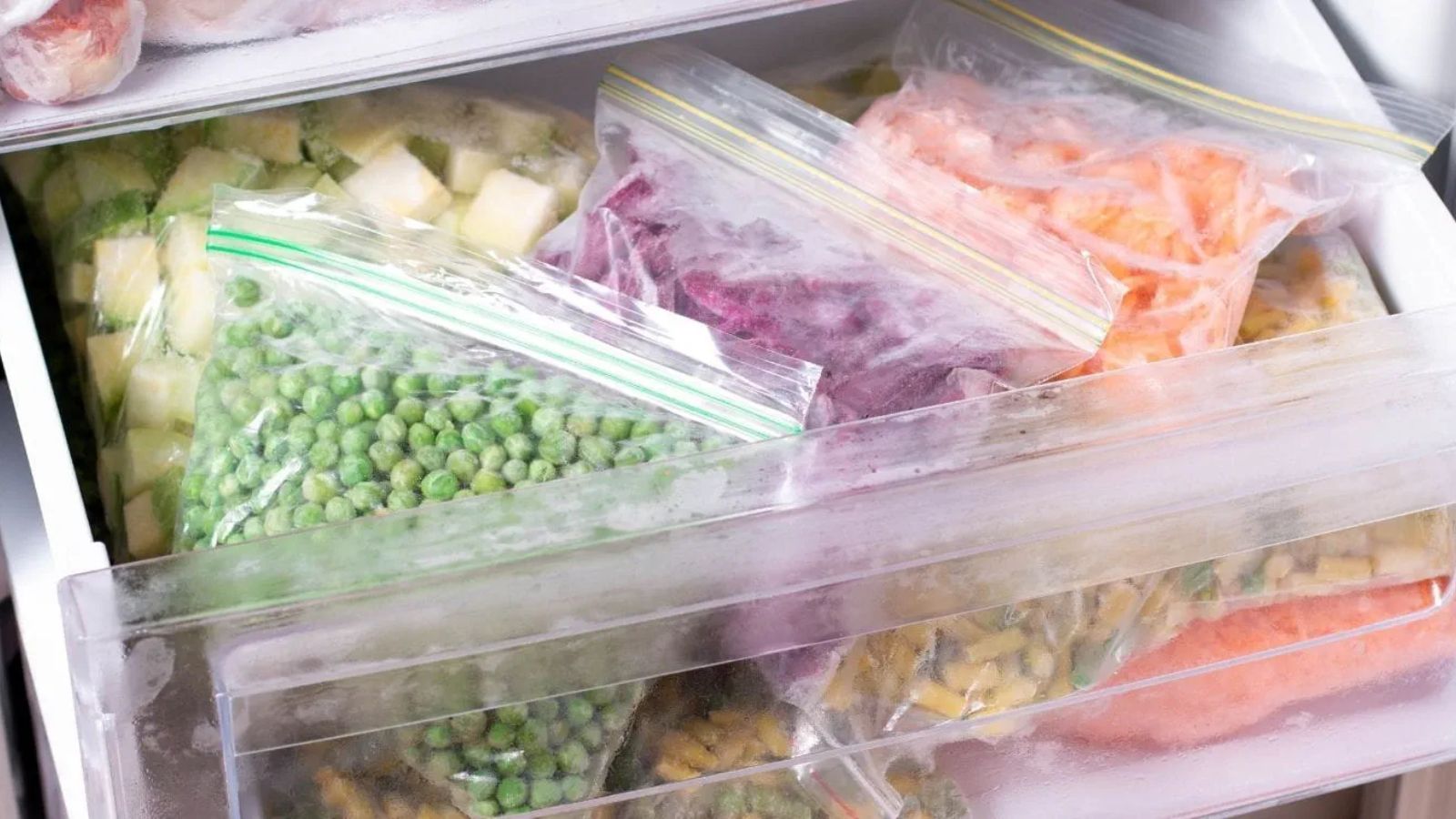
Another common myth is that you can freeze food indefinitely, but this is not the case. Although freezing halts bacterial growth and preserves food for a long time, its quality will deteriorate over time. The USDA provides guidelines on how long various foods can be stored in the freezer for optimal quality:
- Soups, stews, and casseroles: 2-3 months
- Cooked meat: 2-3 months
- Uncooked steaks, roasts, or chops: 4-12 months
- Cooked poultry: 4 months
- Uncooked poultry: 9-12 months
These guidelines ensure that you enjoy the freshest taste and texture of your frozen foods. Longer storage times increase the risk of freezer burn, which occurs when moisture in the food evaporates, causing dehydration and a tough, unpleasant texture.
Using a vacuum sealer is an excellent way to extend the shelf life of frozen foods. It removes air, a major culprit in freezer burn, and helps keep your food tasting fresher for longer.