Fraud experts warn against using your debit card in these 5 places
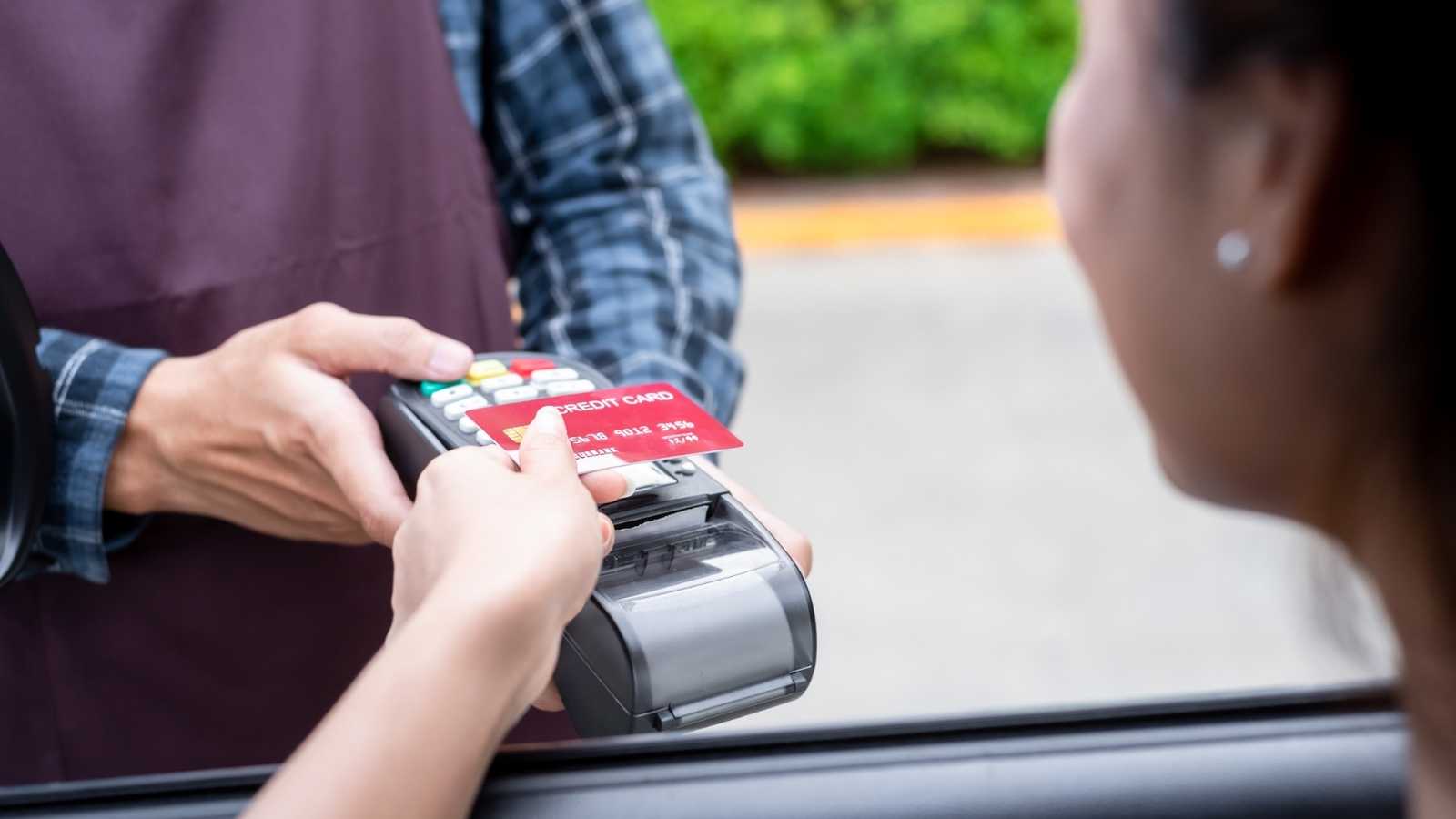
Handing over your debit card often feels like the “responsible” thing to do. You aren’t racking up debt, and you’re spending money you actually have, go you! But here’s the harsh reality check: using that piece of plastic in the wrong spot is like handing a stranger your unlocked phone and hoping they don’t Venmo themselves your rent money. According to the Federal Trade Commission (FTC), Americans lost a staggering $12.5 billion to fraud in 2024, a 25% jump from the previous year.
Frank Abagnale, the famous former con artist from Catch Me If You Can, calls the debit card “certainly and truly the worst financial tool ever given to the American consumer.” IMO, if a guy who made a career out of stealing money tells you not to use something, you should probably listen.
Here are the five places you should absolutely keep that debit card in your wallet.
Gas stations are a playground for thieves
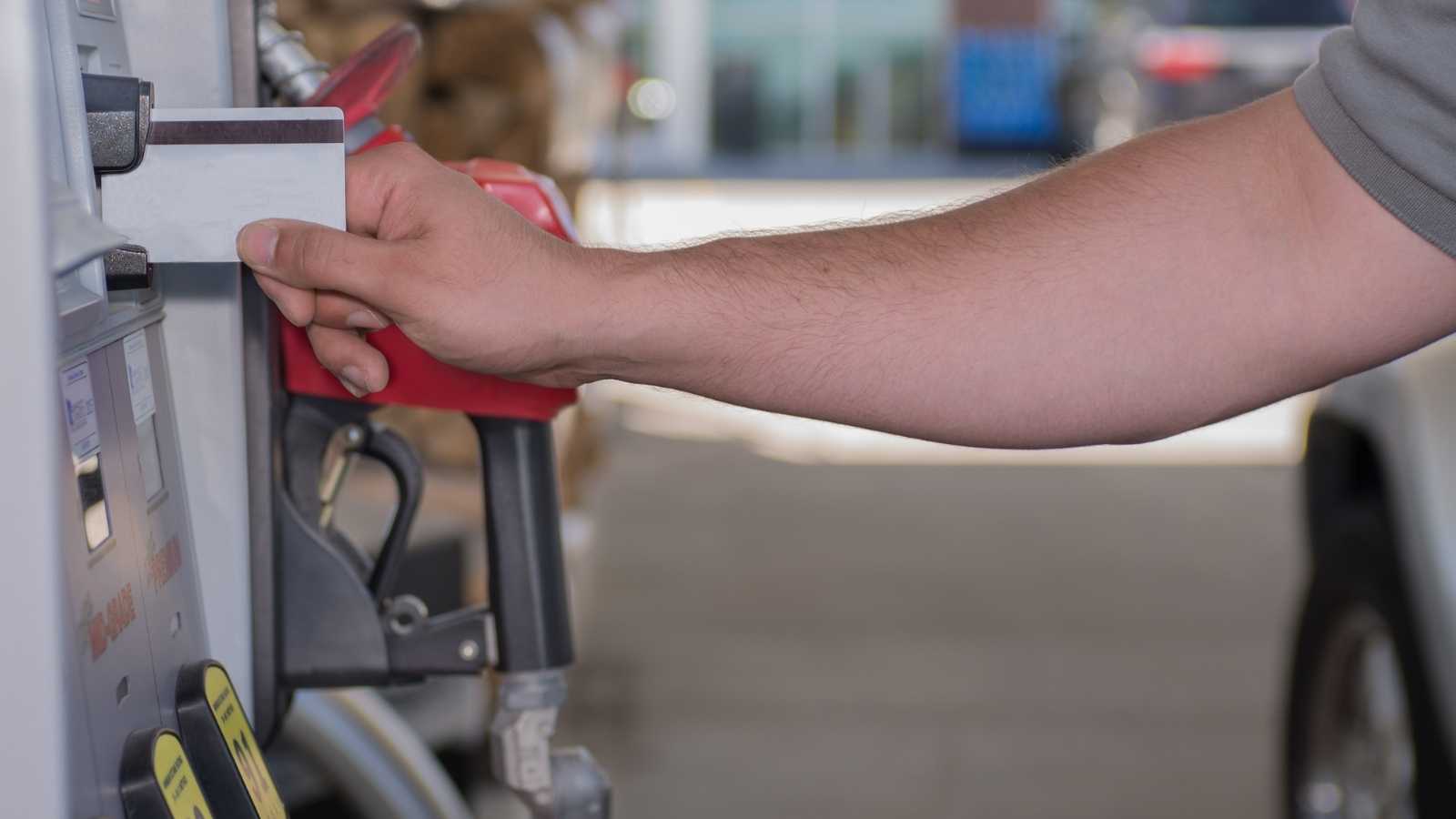
Gas pumps are the “Holy Grail” for card skimmers because they are often unattended and easy to tamper with. Criminals can install Bluetooth-enabled skimmers inside the pump mechanism in seconds, allowing them to wirelessly download your data from their nearby car. The FBI estimates that skimming costs consumers and financial institutions over $1 billion annually. If you swipe your debit card here, you give them direct access to your checking account, not just a line of credit.
Even if you dodge the skimmers, the “temporary hold” can ruin your week. Gas stations often place a hold of $100 to $175 on your card to ensure you have funds. If you use a debit card that holds, your actual liquid cash can be frozen for days. Ever tried to buy groceries with a frozen account? It’s not fun.
Sit-down restaurants where the card leaves your sight
Think about this: in what other scenario would you hand your wallet to a stranger and let them walk away for ten minutes? When a server takes your card to a back-end terminal, they have ample opportunity to swipe it through a portable skimmer or snap photos of the front and back. In a famous case, a ring of waiters at high-end NYC steakhouses skimmed high-limit cards to fund a $1 million luxury shopping spree.
If a server skims your credit card, the bank fights to get its money back. If they skim your debit card, you are the one fighting to restore your drained checking account while your mortgage payment bounces. Use your credit card or cash if the restaurant doesn’t bring a portable terminal to your table.
Online shopping sites vulnerable to “Magecart.”
You might see that little padlock icon in your browser and think you’re safe, but that only means the connection is encrypted, not the website itself. Hackers use a technique called Magecart (also known as e-skimming) to inject malicious code into legitimate checkout pages. This invisible script copies your card data the moment you type it in, sending it to criminals before the merchant even processes your order.
Recent reports from 2025 show massive campaigns targeting major networks like Mastercard and Amex via compromised third-party vendor tools. Unlike credit cards, which offer robust fraud protection under Regulation Z (capping liability at $50), debit cards fall under Regulation E. If you don’t catch the fraud within two days, your liability could jump to $500, or unlimited liability after 60 days. Why risk your real money on a website that might have security holes?
Independent ATMs and vending machines
We’ve all been there: you need cash at a dive bar or a snack at a rest stop, and you use that sketchy-looking machine in the corner. Big mistake. Independent ATMs and vending machines lack the physical security and surveillance of bank-owned machines, making them prime targets for deep-insert skimmers and hidden cameras.
Thieves love these machines because they can install “shimmers”, ultra-thin devices that sit inside the chip reader, without anyone noticing. Since these machines don’t get inspected often, a skimmer can sit there harvesting data for weeks. If a criminal grabs your card data and your PIN from one of these, they can print a clone card and drain your account at another ATM in minutes.
Pop-up festivals and events
Summer festivals are awesome, but they are also a chaotic mess of spotty Wi-Fi and temporary vendors using tablet-based readers. This environment is perfect for a scam called “Ghost Tapping” or NFC relay attacks. Thieves can use concealed devices to pick up the signal from your contactless debit card in a crowded line, relaying it to a payment terminal to make purchases without you ever taking your card out.
Furthermore, vendors often use “offline mode” to process payments when the internet is down. If a transaction fails later or they accidentally double-charge you, the money is removed from your account immediately. Good luck getting a refund from a pop-up vendor who packs up and moves to another state the next day.
Key Takeaway

Fraud is scary, but protecting yourself doesn’t have to be hard. By keeping your debit card locked away for ATM use only and using a credit card for purchases, you add a vital layer of protection between thieves and your hard-earned cash. You wouldn’t walk around with your house keys taped to your forehead, so stop exposing your bank account to every card reader you meet! Stay safe and swipe smart.
Read the Original Article on Crafting Your Home.