
The post Forget Milk and Cream: The Simple Ingredient That Can Make Scrambled Eggs Taste Incredible first appeared on Crafting Your Home.
Scrambled eggs seem like one of the easiest breakfasts. Crack a few eggs into a bowl, whisk them, pour them into a hot pan, and stir until they’re cooked. Yet anyone who’s eaten truly exceptional scrambled eggs knows the difference between an ordinary plate and a memorable one can be surprisingly significant.
Some people swear by milk. Others reach for heavy cream, hoping to create a richer texture. But there’s another ingredient worth considering, and you might already have it in your refrigerator: butter.
Unlike adding milk or cream to the eggs before cooking, using butter in the pan coats the eggs as they cook, adds rich flavor, and can make the finished dish feel more luxurious. With gentle heat and careful timing, this simple ingredient can turn an everyday breakfast into something special.
Butter Adds Richness Without Diluting the Egg Flavor
Eggs already contain water, protein, and fat. Adding milk adds water and milk solids, while cream adds more fat and a distinct dairy flavor.
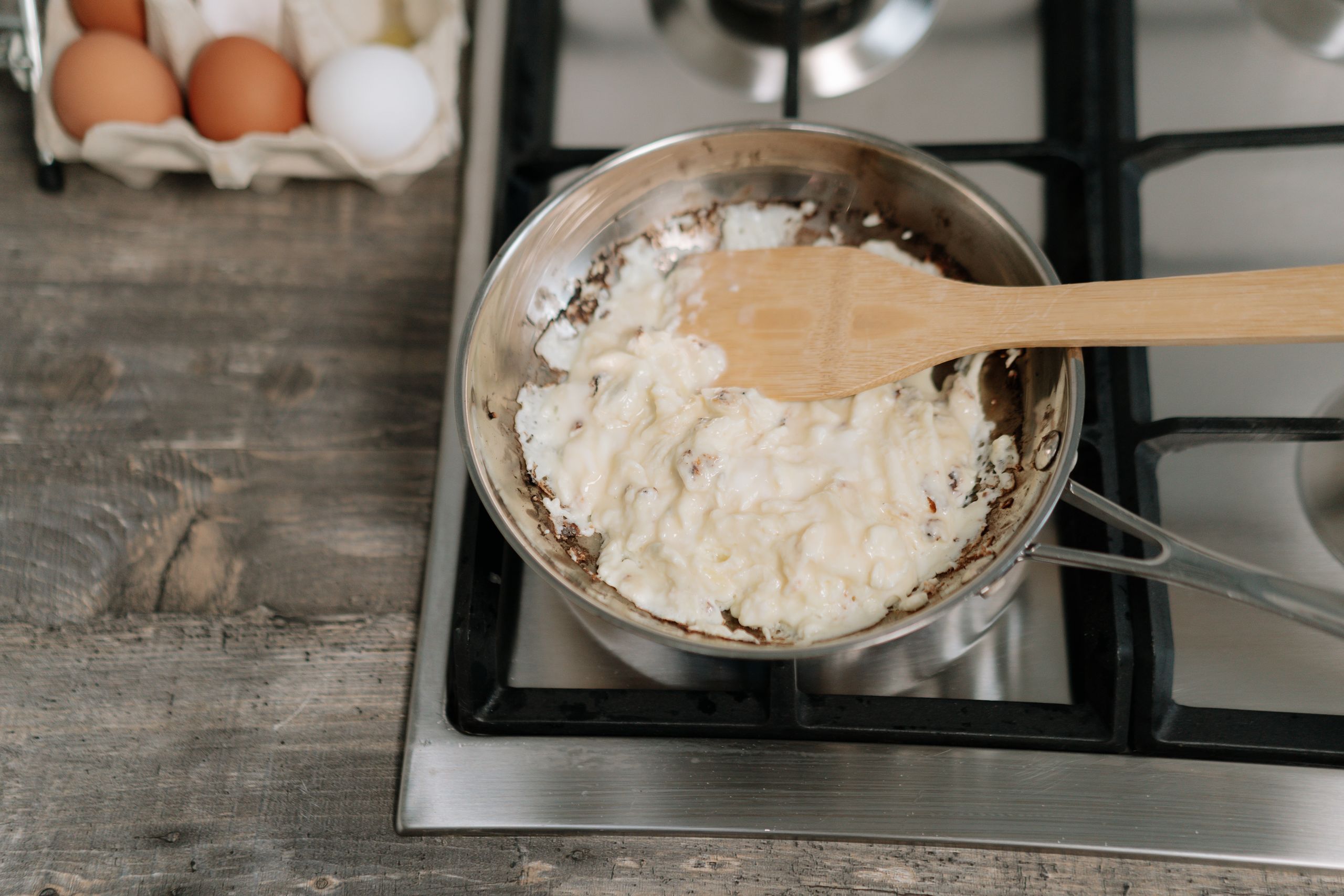
Because it contains a high proportion of fat, along with water and milk solids, it adds a rich, familiar flavor that complements the eggs. When melted in the pan, it also creates a coating that helps prevent eggs from sticking in the right cookware.
The Secret Is Using Gentle Heat
High heat can set egg proteins quickly, squeezing out moisture and creating a firm, rubbery texture. That is why scrambled eggs can still turn dry even when you add milk or cream.
Start by melting a small amount of butter in a nonstick skillet. Once it has melted and begins to foam gently, add the beaten eggs.
Use a silicone spatula to move the eggs slowly around the pan, letting the uncooked mixture flow into the spaces left behind.
Add the Butter Before the Eggs, Not After They’ve Dried Out
Adding butter to the pan before the eggs lets it melt and coat the pan. This makes stirring easier and adds flavor throughout the cooking process.
As the eggs cook, keep them moving with a spatula. Avoid letting the butter brown excessively, because browned butter has a stronger, nuttier flavor that may overpower a delicate egg dish.
Some cooks also stir in a small piece of cold butter near the end of cooking. This can add richness and help slow the cooking process slightly as the butter cools the mixture.
Take the Eggs Off the Heat Before They Look Completely Finished
One of the most common scrambled-egg mistakes is waiting until the eggs look fully cooked before removing them from the stove.
Instead, remove the pan from the heat when the eggs are softly set but still look slightly glossy.
They shouldn’t be visibly raw or runny in a way that compromises food safety. Aim instead for soft, moist curds that hold their shape without becoming tough.
A Little Salt Can Make a Noticeable Difference
Salt is especially important because it enhances the eggs’ natural flavor.
For a straightforward breakfast, beat the eggs with a small pinch of salt before adding them to the pan.
If you prefer to season toward the end, that is perfectly reasonable too. Just remember that butter can be salted or unsalted, so taste and adjust accordingly.
Chives and Cheese Can Take Buttered Scrambled Eggs Further
Finely chopped chives provide a mild onion-like flavor that pairs well with eggs and butter. Add them near the end of cooking to preserve their fresh taste.
Grated cheese is another possibility. Cheddar adds a more pronounced flavor, while a little Parmesan adds a salty, savory note.
If you add cheese, remember it can change the texture and saltiness of the finished dish. Start with a modest amount so you don’t overwhelm the eggs.
Avoid These Three Mistakes If You Want Better Scrambled Eggs