6 Foods We Thought Were American But Were Actually Invented Somewhere Else
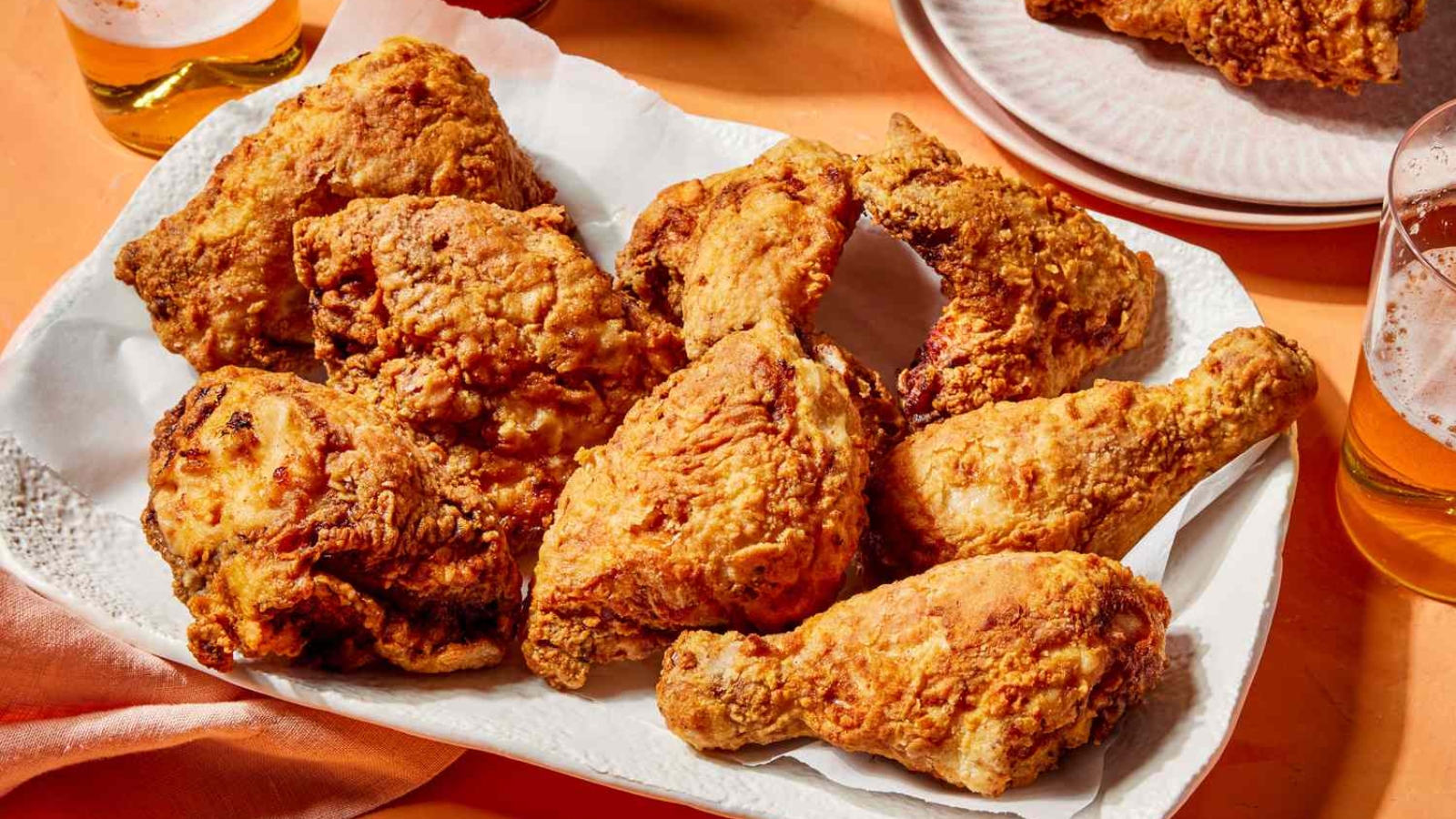
Image Credit: Nicoletta Lonescu/Shutterstock
Some of the most iconic dishes we associate with American cuisine might not be as homegrown as we think. Imagine biting into a juicy hamburger or enjoying a rich, cheesy plate of macaroni and cheese. These foods evoke feelings of comfort and nostalgia, often linked to American tradition. But could it be that these beloved dishes have their roots elsewhere?
It’s an intriguing thought—many of the foods we’ve come to cherish as part of our national identity actually trace their origins to other corners of the globe. Over time, they’ve been adapted, reimagined, and proudly claimed by the U.S., but the truth behind their origins might surprise you.
From British-inspired pies to Italian pasta dishes, American cuisine is more of a melting pot than we’ve been led to believe. Discover which of your favorite “American” dishes were actually invented somewhere else, and how they became an integral part of the American foodscape.
Fried Chicken
When you hear “fried chicken,” your mind likely races to the Southern states of the U.S., where it’s become a symbol of comfort and tradition. But it’s important to acknowledge that fried chicken’s origins trace back to Great Britain, not the American South. The earliest known recipes for fried chicken date back to 18th-century Scotland and England.
British settlers brought these recipes to the Southern United States, where African slaves adapted the cooking style and helped to shape the dish we recognize today. What makes the Southern version so distinct is the seasoning and frying technique that gives it its signature crispy crust.
Yet, no matter where it comes from, fried chicken remains one of America’s most cherished dishes. It just might make you rethink that Southern food myth next time you bite into a crispy leg.
Peanut Butter
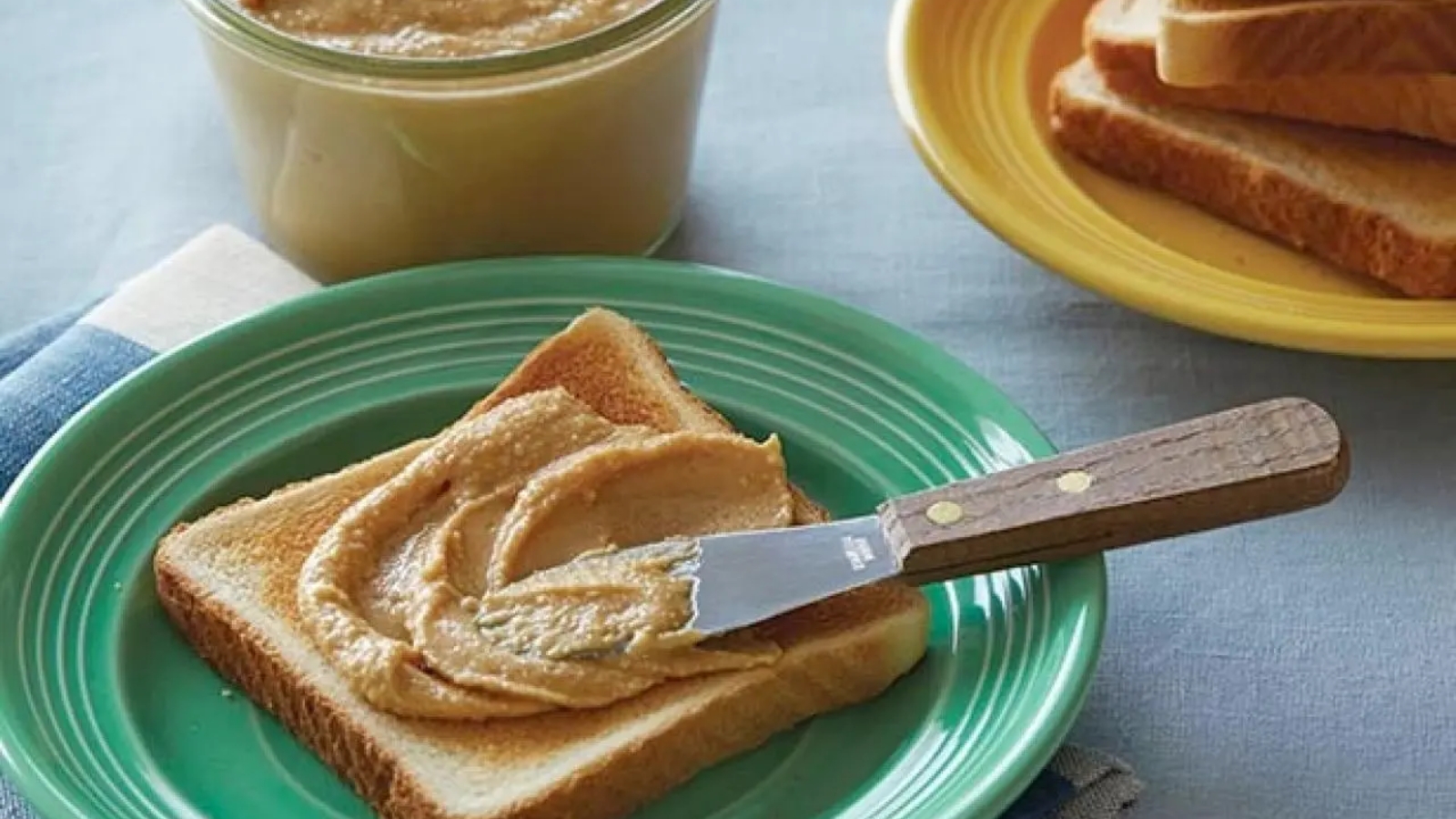
Peanut butter is so entrenched in American culture that it’s almost impossible to imagine life without it. From PB&J sandwiches to peanut butter cups, the creamy spread seems like it was tailor-made for the U.S. But the truth is, peanut butter was invented in Canada, not America.
While John Harvey Kellogg received a patent for a peanut paste process in the U.S. in 1895, it was Canadian inventor Marcellus Gilmore Edson who holds the first patent for peanut paste in 1884. It was originally intended for people who had difficulty chewing solid food.
Edson’s invention later evolved into the peanut butter we know today, with the U.S. playing a significant role in popularizing it. Nonetheless, the Canadian origins of peanut butter are worth appreciating.
Starburst
When you pop a piece of Starburst into your mouth, you’re tasting a chewy, fruity candy that’s beloved by many. But Starburst, originally known as “Opal Fruits,” first came to life in the UK in 1960. Mars, the candy’s manufacturer, originally launched Opal Fruits across the pond before introducing them to American markets under the new name Starburst in 1967.
But the candy wasn’t an instant hit in the U.S. Instead, it struggled until it was rebranded and embraced by Americans. The name change stirred controversy in the UK, leading to a limited run of Opal Fruits. So, while Starburst might seem like an American classic, its origins lie firmly across the Atlantic.
Apple Pie
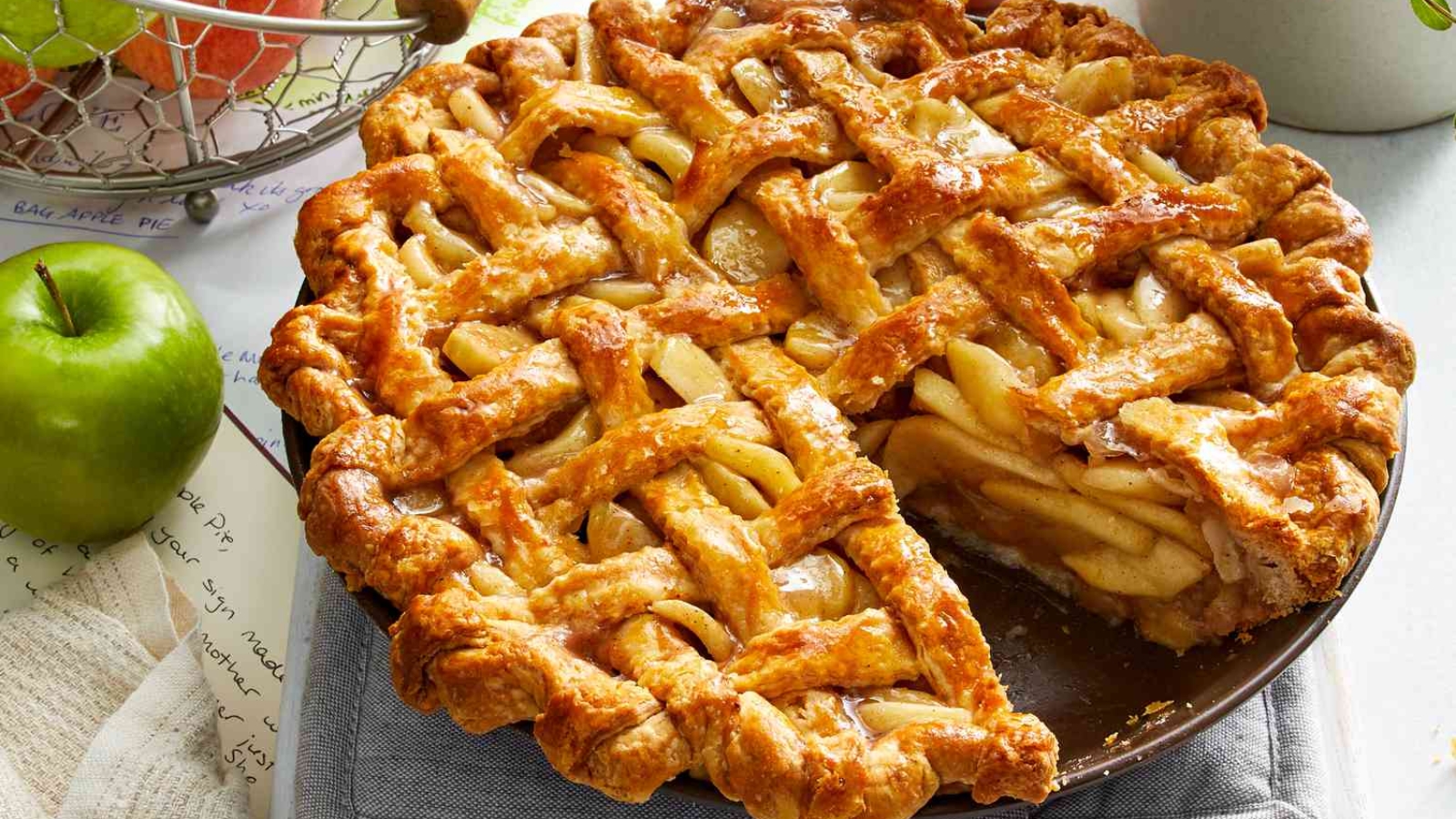
Apple pie is synonymous with American culture—it’s a dessert that embodies the spirit of the nation. Yet, the truth is, apple pie’s history can be traced back to 14th-century England. The earliest versions of apple pie didn’t even include sugar, and they were baked in a crust that wasn’t meant to be eaten—it was simply a baking container.
The pies were often filled with other fruits, including pears and raisins, along with apples. It wasn’t until the American colonists arrived and began to cultivate their own apple orchards that apple pie became more ingrained in American life. The fruit-filled pie, which had once been a rustic European dish, became an emblem of American tradition. Today, we associate apple pie with the “American Dream,” but its true roots are firmly planted in England.
Doughnuts
Doughnuts—those delicious, deep-fried circles of dough, often topped with sugar—are the subject of an ongoing rivalry between two countries: the Netherlands and the United Kingdom. Some food historians argue that the Dutch invented the first doughnuts, with their recipe for “olykoek,” or oily cakes, dating back to a 1667 Dutch cookbook.
These doughnuts were filled with fruits, nuts, or spices and were fried in fat, much like the doughnuts we eat today. On the other hand, the British claim that their version of fried dough, which dates back to the 19th century, was the precursor to the doughnut. As the Dutch and British settlers made their way to America, they brought these fried treats with them, adapting the recipes along the way.
The modern doughnut as we know it today became an American institution, but the story of its origins stretches far beyond U.S. borders.
Macaroni and Cheese

Macaroni and cheese is another dish that has firmly planted itself in American culinary traditions. Whether it’s homemade or from a box, it’s a favorite comfort food for many. But the dish we know as macaroni and cheese actually has Italian roots. The earliest recorded recipe for a cheese and pasta dish dates back to the 13th century in Italy.
In fact, the original recipe from an Italian cookbook involved pasta tossed with grated Parmesan cheese. The dish made its way to the American colonies and was adapted over time, with Thomas Jefferson and his enslaved chef, James Hemmings, playing a key role in popularizing it. Today, macaroni and cheese is quintessentially American, but it owes its roots to Italy’s love for pasta and cheese.
Conclusion
It’s fascinating to discover how many of the foods we associate with American culture were actually inspired by other countries. From fried chicken and peanut butter to macaroni and cheese, these dishes have been transformed and reimagined by American chefs and home cooks alike. But understanding their global origins adds a layer of depth to their story.
It reminds us that food, like culture, is fluid and constantly evolving. The beauty of these dishes lies not in their nationality but in the way they’ve been embraced and adapted by different cultures. In America, we’ve made these foods our own, adding our unique flavors and interpretations to create something distinctly American.
So, next time you enjoy a hot dog, fried chicken, or a slice of apple pie, remember that you’re partaking in a global culinary tradition—a melting pot of flavors, history, and creativity.