8 Foods Uncommon 30 Years Ago That Are Now Everywhere

In just three decades, the way we eat and what we eat has undergone a revolution. Foods once relegated to niche markets or ethnic enclaves have now infiltrated mainstream grocery aisles and fast-food menus. This phenomenon isn’t just about convenience but a massive shift in consumer preferences, food culture, and global trade that has transformed our plates and our diets.
From tofu to seedless fruit, this transformation speaks volumes about the evolution of our culinary landscape. Here are seven foods that were once rare but are now ubiquitous, reshaping everything from home cooking to dining out.
Hummus

Hummus has evolved from an ethnic specialty to a worldwide sensation. Thirty years ago, it was hard to find hummus in mainstream grocery stores in the United States. Now, it’s impossible to miss in almost every supermarket, offered in various flavors like roasted red pepper, garlic, and even chocolate. Originally a Middle Eastern delicacy made from blended chickpeas, tahini, lemon juice, and garlic, hummus’s rise in popularity mirrors the growing appeal of Mediterranean diets, renowned for their health benefits.
Hummus isn’t just for vegetarians anymore; it’s a go-to snack for anyone looking for a healthy, satisfying dip. Paired with veggies, crackers, or pita, hummus is now a pantry staple across cultures.
Tofu
Tofu, once a niche ingredient in East Asian markets, has now become a common fixture in every supermarket’s refrigerated section. Not just a replacement for meat in vegetarian or vegan diets, tofu has transcended its origins, appearing in salads, smoothies, stir-fries, and even desserts. In the 1980s, tofu was hard to find outside health food stores or Asian supermarkets, and even then, it was limited to a handful of options. Fast forward to today, and the variety available is staggering.
The rise of plant-based diets, growing concerns over sustainability, and an increased focus on health and wellness have contributed to tofu’s mainstream success. In fact, tofu has become so ingrained in Western culture that even non-vegetarians now reach for it, not just for its health benefits but for its ability to soak up flavors and add texture to a dish.
Tropical Fruits
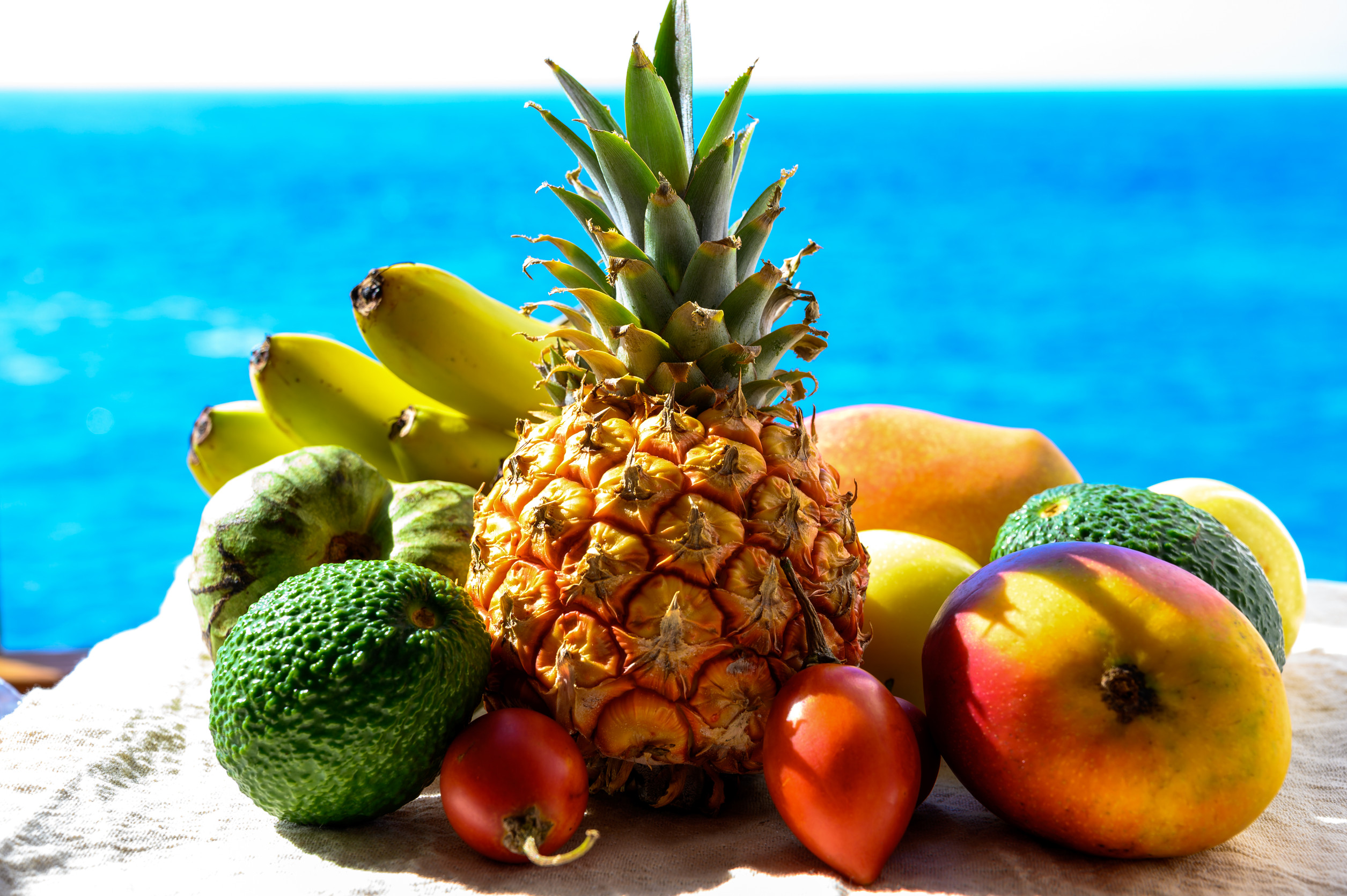
Decades ago, eating tropical fruits like avocados, mangoes, and pineapples was a rare luxury reserved for warmer regions or exotic vacations. These fruits were hard to come by and often out of season in many parts of the world. Now, thanks to improvements in global agriculture and logistics, you can find tropical fruits in every supermarket, regardless of the season.
Avocados, in particular, have become a global food trend, with guacamole, avocado toast, and avocado smoothies taking the world by storm. Mangoes and pineapples are no longer summer-only treats but year-round delights, available fresh or frozen for a variety of culinary applications.
This change reflects how modern agricultural systems and international trade have made exotic foods a regular part of our diets, blending international flavors into our everyday meals.
Greens Beyond Iceberg Lettuce
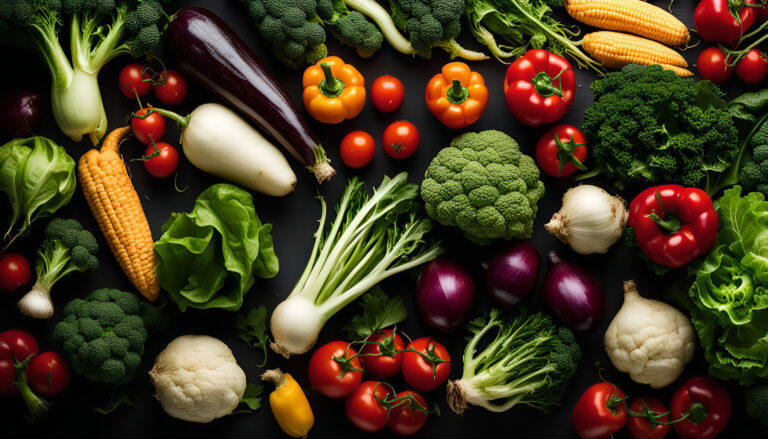
Iceberg lettuce once ruled the salad bars and grocery aisles, known for its crisp texture but lackluster nutritional value. But in the last 30 years, the world of greens has expanded exponentially. Kale, spinach, arugula, and mixed greens have replaced the monotony of iceberg lettuce, and supergreens have entered the culinary spotlight. Kale, once considered a garnish, is now a dietary staple. Health-conscious diners today reach for power-packed leafy greens loaded with vitamins, fiber, and antioxidants.
This evolution in salad greens reflects broader changes in how we view health and nutrition. With an increasing focus on plant-based diets and cleaner eating, these nutrient-dense greens have become a favorite among those seeking healthier alternatives to traditional salads.
Bottled Water

Not too long ago, the idea of paying for bottled water was seen as frivolous. Tap water was the go-to, and people were content with the standard hydration methods of the day. Yet in the 1990s, bottled water began to take off and quickly became a status symbol. Today, bottled water is a ubiquitous beverage, with brands offering sparkling, still, flavored, and even mineral-enhanced options. What was once a novelty has become a billion-dollar industry. From being a luxury item to a health-conscious choice, bottled water now plays an essential role in modern hydration.
The shift towards bottled water is tied to an increasing awareness of hydration, health, and environmental factors. People today are more conscious of what they drink and how it impacts their bodies, pushing bottled water to the forefront of our beverage choices.
Specialty Coffee
Coffee culture has undergone a dramatic transformation in the past 30 years. Once limited to black or with cream and sugar, coffee now comes in an endless array of styles, flavors, and brewing methods. The rise of specialty coffee shops, artisanal roasters, and innovative brewing techniques such as pour-over and cold brew has revolutionized how we consume coffee. What was once a simple morning routine has evolved into an experience, with options like nitro cold brew and flavored foams taking the spotlight.
The explosion of coffee trends reflects broader changes in consumer preferences for high-quality, artisanal food and beverages. Consumers are no longer satisfied with the basic cup of joe; they seek out personalized, crafted coffee that aligns with their evolving tastes and lifestyles.
Seedless Fruits

Fruit has also undergone significant changes, particularly with the rise of seedless varieties. The once-mundane process of removing seeds from watermelon or oranges has been eliminated with the development of seedless varieties. This innovation in fruit cultivation has made eating fruit more convenient, especially for on-the-go snacking.
However, while seedless varieties are praised for their ease of consumption, some lament the loss of flavor and the fruit’s authenticity. For instance, many people believe that seeded watermelon offers a richer taste compared to its seedless counterpart. Nonetheless, seedless fruit has become a preferred choice in modern supermarkets due to its convenience.
The Evolution of Pistachios
Pistachios once came with a curious red dye, a practice that dates back to when Iranian producers were the primary suppliers of pistachios in the U.S. The nuts were often stained red to cover up unsightly blemishes caused by the harvesting method. Today, thanks to advancements in processing and a shift in sourcing, pistachios are naturally green and free of artificial colorings. Their vibrant green hue is now a symbol of premium quality, and pistachios are now a popular snack and ingredient in dishes ranging from ice cream to pesto.
Pistachios’ transformation not only reflects changes in food production practices but also highlights growing consumer demand for natural, minimally processed foods.
Read the original article on Crafting Your Home