6 Foods That Turn Toxic When Reheated—But Still Appear on Family Tables
Reheating leftovers is a staple of everyday life, especially in busy households where saving time and minimizing waste is essential. However, did you know that some foods, when reheated improperly, can become harmful to your health? Most people think of reheating as a simple, safe task, but certain foods pose significant risks if not handled and stored correctly.
Here are six common foods that can become toxic or hazardous when reheated, along with essential tips to ensure you stay safe while still enjoying your meals.
Mushrooms

Mushrooms are nutritious and flavorful, but they degrade quickly after cooking. When reheated, mushrooms undergo chemical changes that can cause digestive discomfort or worsen the breakdown of proteins and nutrients. Additionally, mushrooms left at room temperature for extended periods can encourage the growth of harmful bacteria.
Safe Storage and Reheating Tips
To minimize the risks:
- Cool and Refrigerate Promptly: If you have leftover mushrooms, cool them quickly and refrigerate them for no more than 1-2 days.
- Reheat Gently: Reheat mushrooms once, ensuring they are heated through. Avoid reheating them repeatedly, as this will reduce both their flavor and nutritional value.
- Consume Cold or Fresh: Enjoy cooked mushrooms immediately or eat them cold in salads and sandwiches, so you don’t need to reheat.
Note: To preserve their flavor and quality, consider cooking mushrooms in smaller portions to avoid leftovers altogether.
Rice
Rice is a pantry staple in many households, but it can harbor spores of the bacterium Bacillus cereus. These spores survive the initial cooking process and can multiply if rice is left at room temperature for too long. When reheated, the toxins produced by Bacillus cereus may not be destroyed, potentially leading to food poisoning with symptoms such as nausea, vomiting, and diarrhea.
Safe Storage and Reheating Tips
To minimize the risks associated with reheating rice:
- Cool Rice Quickly: After cooking, let rice cool to room temperature within an hour. If left too long, bacteria can multiply rapidly.
- Store Rice Properly: Refrigerate rice in shallow containers to speed cooling. Ensure it’s stored at temperatures below 40°F (4°C).
- Reheat Once: Never reheat rice more than once. Ensure that it’s piping hot (above 165°F/74°C) before eating.
Potatoes
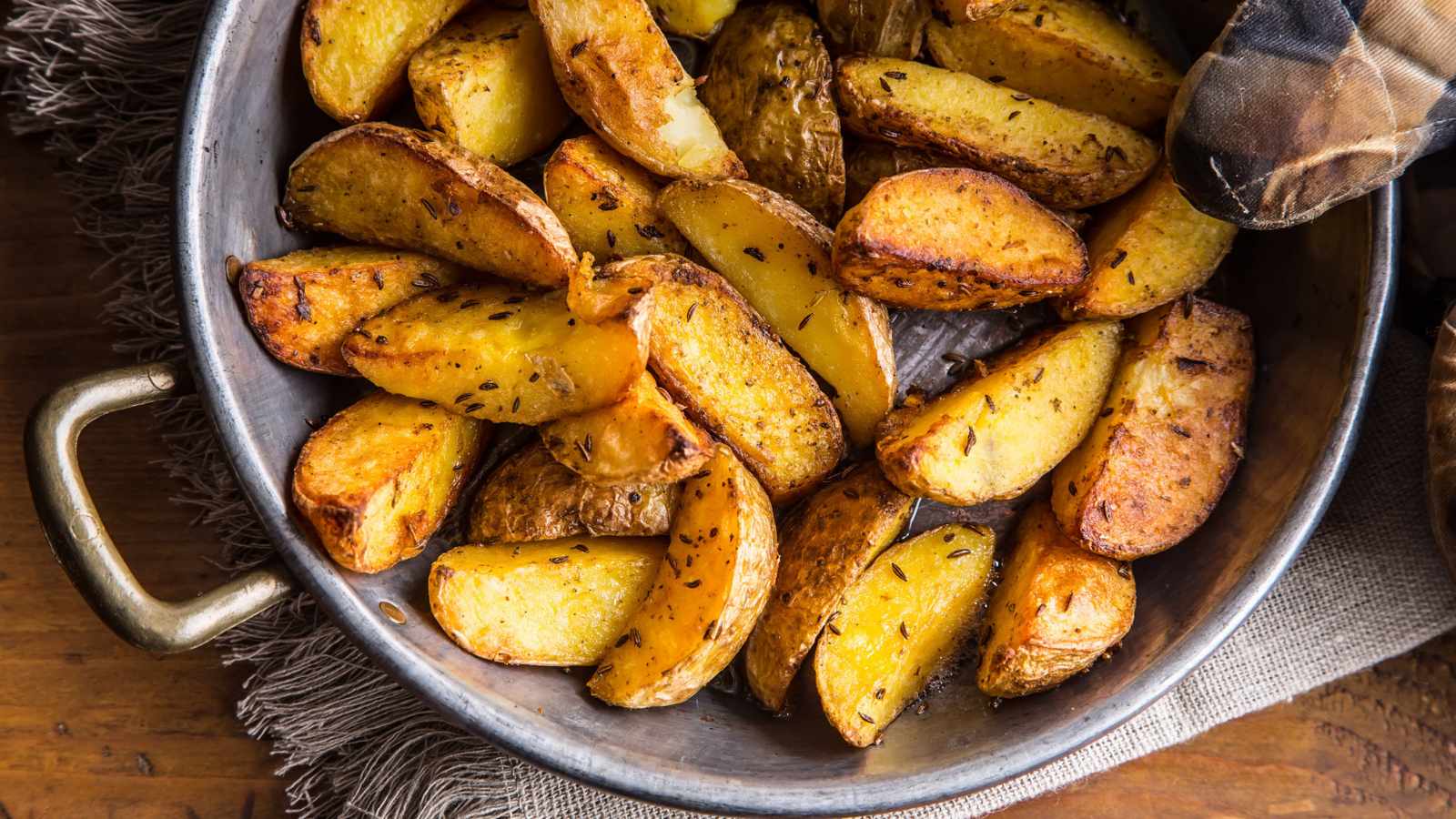
Potatoes, when improperly stored or reheated, can become a breeding ground for Clostridium botulinum, the bacteria responsible for botulism. This rare but potentially fatal illness produces toxins that cannot be neutralized by reheating. Botulism often manifests as symptoms like difficulty swallowing, muscle weakness, and in severe cases, paralysis.
Safe Storage and Reheating Tips
To prevent botulism and other risks associated with reheated potatoes:
- Cool and Store Quickly: Potatoes, especially when wrapped in foil, should be refrigerated promptly in shallow containers.
- Reheat Thoroughly: When reheating, ensure the potato reaches at least 165°F (74°C) in the center.
- Avoid Reheating Multiple Times: Reheating potatoes more than once increases the risk of bacterial growth and toxin production. For best results, repurpose cold potatoes in dishes like potato salads or enjoy them fresh.
Alternative: Freshly baked or roasted potatoes are always a safer and tastier choice.
Eggs

Eggs, scrambled, boiled, or fried, change chemically when reheated. These changes can lead to digestive upset and even produce unpleasant odors from sulfur compounds. The proteins in eggs become harder to digest after a second heating, and the risk of foodborne illness increases if they are not stored correctly.
Safe Storage and Reheating Tips
Here’s how to safely handle eggs:
- Store Cooked Eggs Properly: Refrigerate cooked eggs as soon as possible and consume them within 1-2 days for optimal freshness.
- Reheat Sparingly: If reheating eggs, do so only once. Ensure they are heated to 165°F (74°C) and eat them immediately.
- Consider Cold Dishes: Cold egg dishes, such as egg salads or wraps, are perfect for using up leftovers without reheating.
Alternative: Freshly cooked eggs are always the safest and most nutritious choice.
Chicken
Chicken is a common source of foodborne illnesses, especially when reheated. The proteins in poultry degrade upon reheating, making it harder to digest. Additionally, bacteria like Salmonella can multiply when chicken is not stored or reheated at the right temperature, posing a significant risk to your health.
Safe Storage and Reheating Tips
To avoid foodborne illness:
- Refrigerate Promptly: Store cooked chicken in shallow containers within two hours of cooking.
- Reheat to the Right Temperature: Always reheat chicken to at least 165°F (74°C) in the thickest part to kill any remaining bacteria.
- Limit Reheating: Try to reheat chicken only once and avoid reheating more than one portion at a time.
Alternative: Use cold chicken in dishes like salads, wraps, or sandwiches to avoid reheating risks.
Leafy Greens
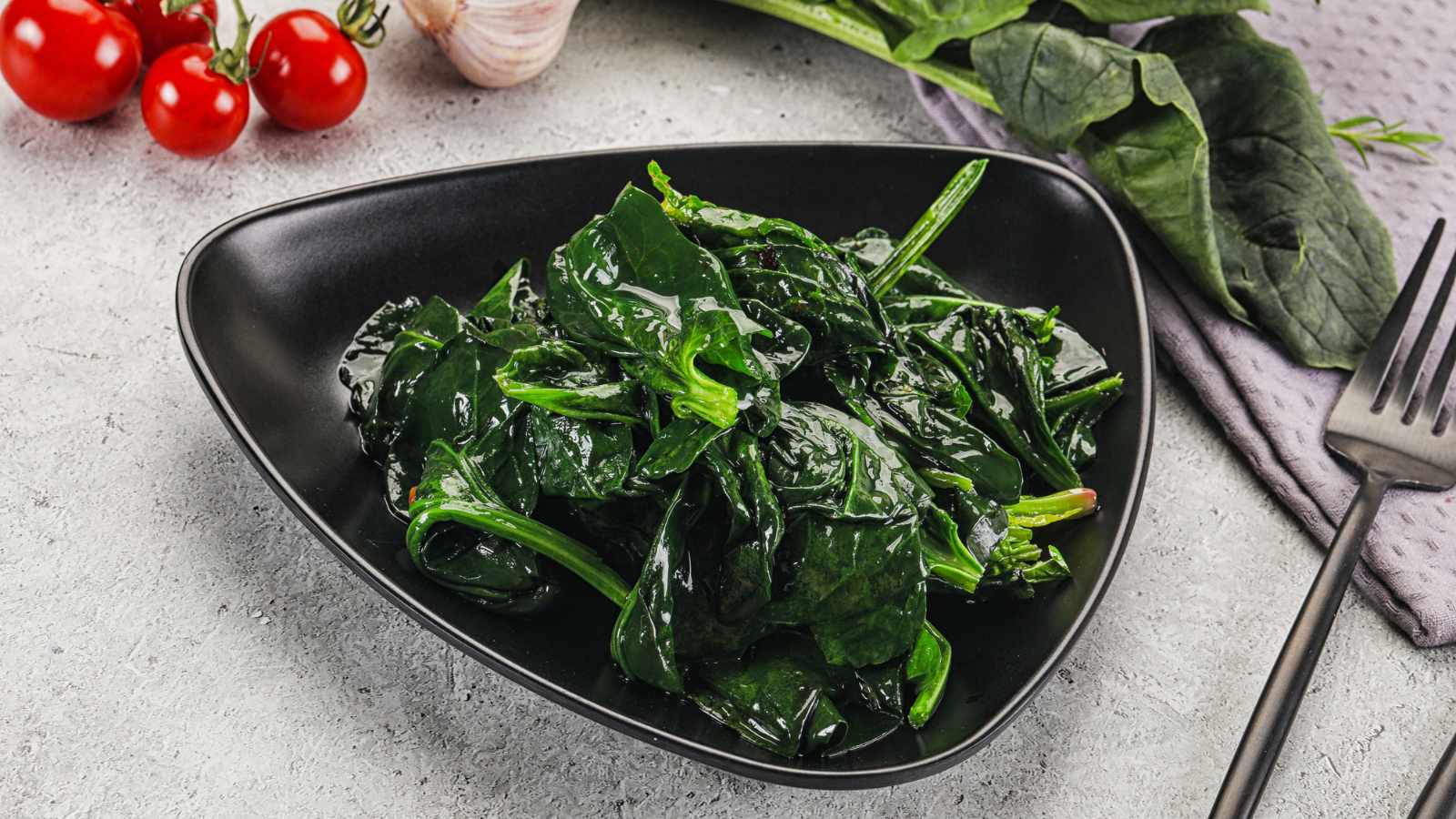
Leafy greens such as spinach, kale, and beetroot are high in nitrates, which can convert into harmful nitrites and nitrosamines when reheated. These compounds have been linked to an increased cancer risk in several studies. The nutritional value of these greens also diminishes when reheated, making them less beneficial for your health.
Safe Storage and Reheating Tips
To safely store and reheat leafy greens:
- Store Properly: Refrigerate cooked greens promptly, ideally within 1-2 hours of cooking, to reduce the risk of bacterial growth.
- Reheat Gently: If necessary, reheat once and only at a low temperature. Avoid boiling or frying, which can accelerate the formation of harmful compounds.
- Eat Fresh or Cold: For maximum health benefits, enjoy leafy greens in fresh or cold preparations, such as salads and smoothies.
Tip: Prepare small portions of leafy greens to prevent the need for reheating altogether.
Read the original article on Crafting Your Home