6 Foods Marketed as Healthy That May Be Misleading

Image Credit: rawpixel via 123RF
Every day, whether we realize it or not, we’re inundated with marketing strategies that are cleverly crafted to make the food we eat appear far healthier than it truly is. Big corporations have become masters of using buzzwords, enticing visuals, and even food coloring to create the illusion that we’re making nutritious choices in the grocery store, at the drive-thru, or anywhere else we shop.
One of the most common tricks used by food brands is what’s known as a “health halo.” This is when marketing techniques are employed to make a food, brand, or ingredient seem much healthier than it actually is. It’s somewhat similar to “greenwashing,” where companies make themselves appear more environmentally responsible than they really are. .
Of course, what each of us considers “healthy” may vary—our bodies have unique needs and preferences—but there are certain basic principles of healthy eating that most of us can agree on. With that in mind, let’s take a closer look at some of the foods that often sport a health halo, making them seem like a good choice when they may not be quite as healthy as they seem.
The Myth of “Healthy” Smoothies
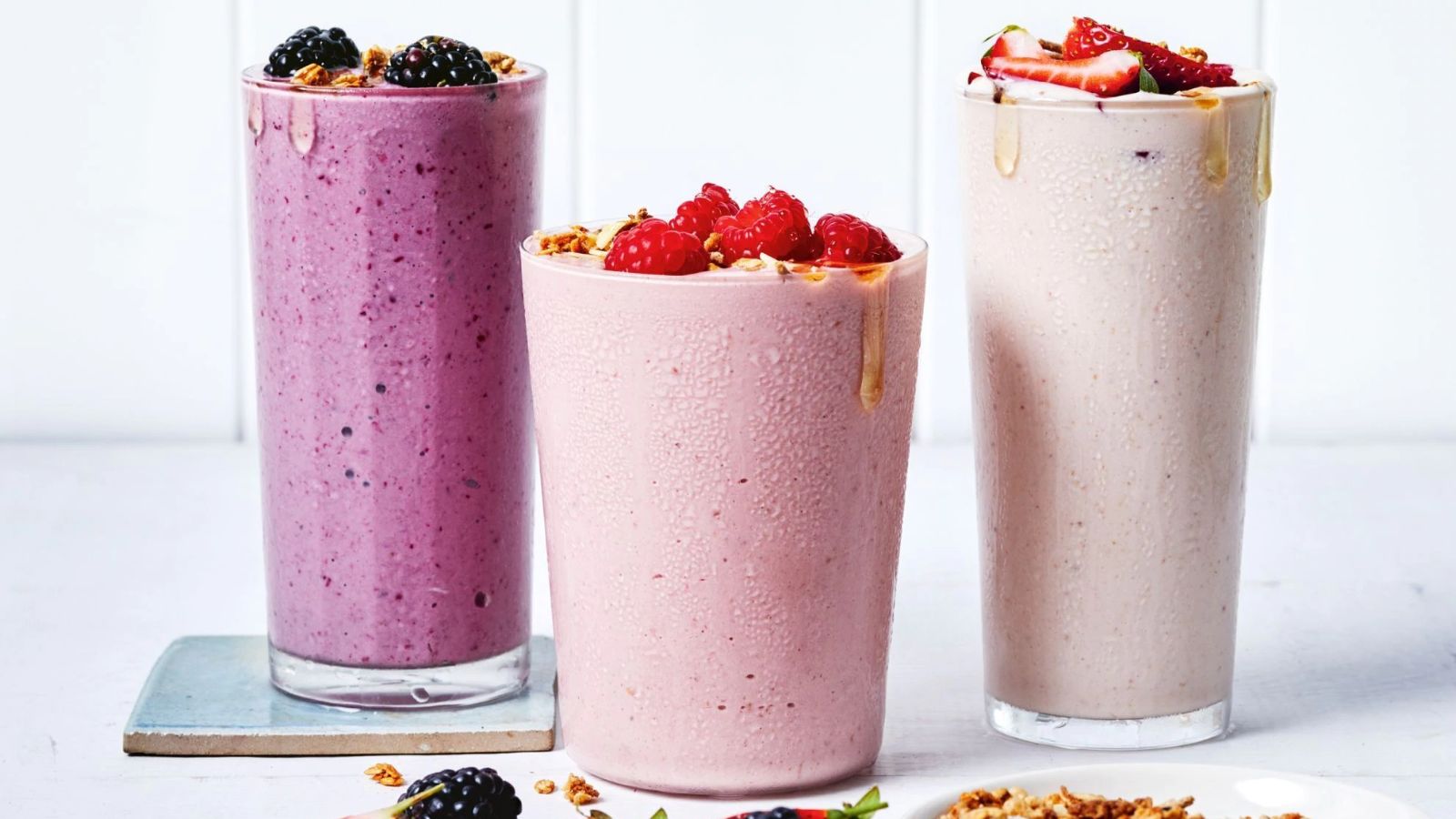
Smoothies have become a staple of health-conscious diets, with many believing that they are the ultimate way to pack nutrients into one easy meal. While a smoothie can indeed be a healthy choice, especially when filled with fruits and vegetables, many store-bought or restaurant versions are far from nutritious.
Often, these smoothies are loaded with added sugars, artificial flavorings, and preservatives, all of which can undo any potential health benefits. Even if a smoothie contains fresh fruit, it’s easy to forget that the sugar from fruit can quickly add up, and when combined with added sweeteners or fruit juices, it can lead to an unhealthy sugar spike.
When choosing a smoothie, it’s essential to look at the ingredients. Many store-bought smoothies contain high-fructose corn syrup, excess amounts of sugar, and other hidden additives that mask the natural flavors. If you’re looking to make a healthy smoothie at home, aim for whole fruits, leafy greens, unsweetened nut milks, and perhaps some protein powder for added nutrients. This way, you can control the ingredients and avoid unnecessary sugar.
Granola
Granola has long been touted as a health food. It’s marketed as a wholesome breakfast option, loaded with fiber, whole grains, and healthy fats. But what many don’t realize is that some granola brands are sugar bombs in disguise. To make granola more appealing, manufacturers add large amounts of honey, maple syrup, or agave nectar, all of which increase the sugar content. While granola does contain oats and nuts, which are beneficial for health, the added sugars and oils can negate those benefits.
When picking granola, opt for unsweetened varieties or those with minimal added sugars. Make sure the first ingredient listed is whole oats, and try to find a version that includes healthy nuts and seeds, without the excess added sugars. If you want to boost the sweetness, try adding fresh fruit instead.
Veggie Chips
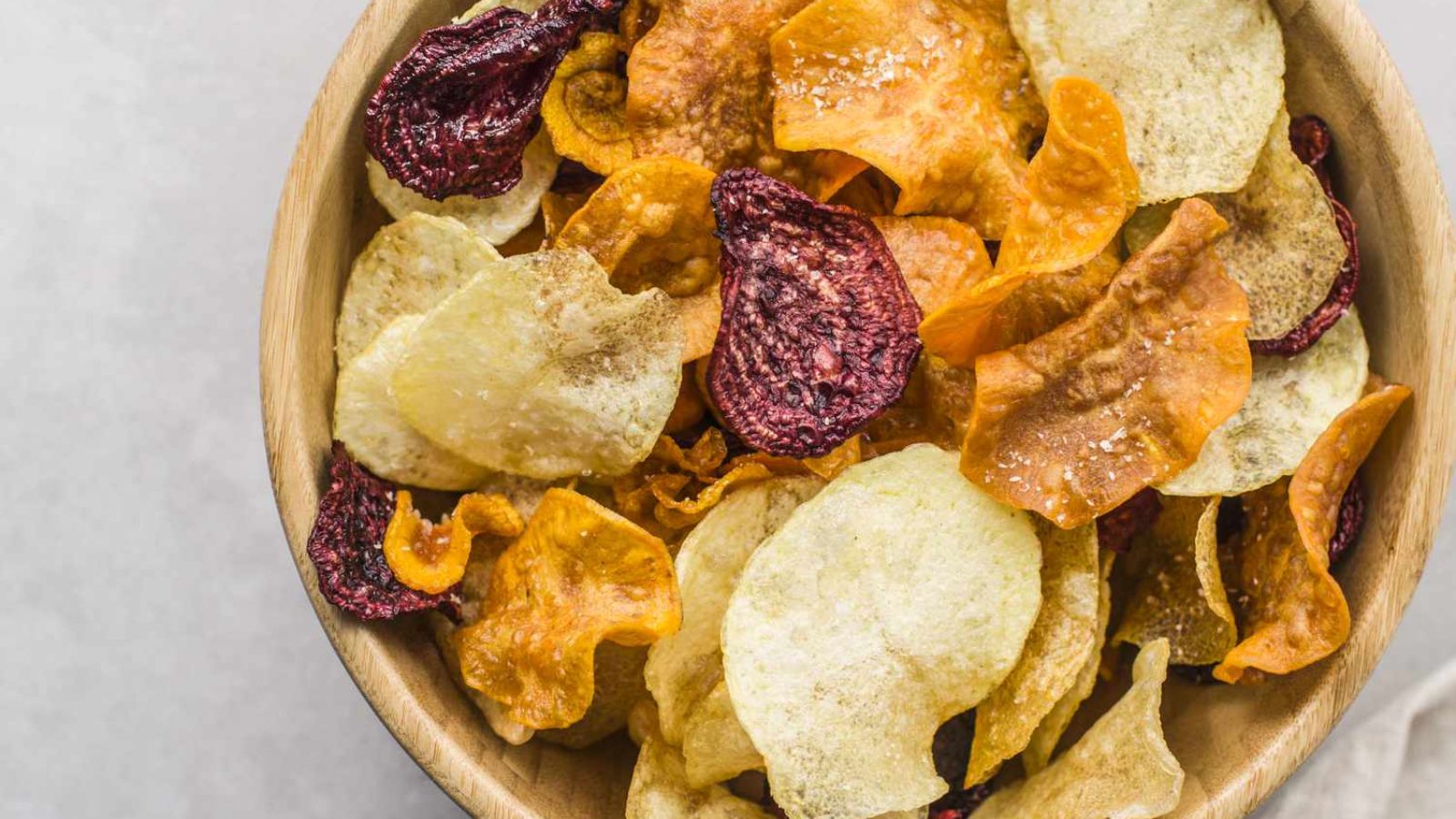
Veggie chips are often marketed as a healthier alternative to regular potato chips, but that doesn’t necessarily make them a great choice. While they may be made from vegetables like sweet potatoes or kale, these chips are often highly processed, fried, and coated with oils and preservatives.
Even though they come from vegetables, the nutritional value is often diminished during the processing and frying process. In some cases, veggie chips are just as high in fat and calories as their traditional potato counterparts. If you’re craving something crunchy, try making your own veggie chips at home by baking thin slices of vegetables with a drizzle of olive oil and a pinch of salt. This way, you can control the ingredients and avoid unhealthy oils and preservatives.
Low-Fat and Fat-Free Foods
Low-fat and fat-free products have been marketed for decades as healthier alternatives. While it’s true that fat can be calorie-dense, fat is also a necessary nutrient for the body. It helps with vitamin absorption, hormone regulation, and brain function. The problem with many low-fat or fat-free foods is that they often contain added sugars and artificial sweeteners to compensate for the flavor lost when fat is removed.
These products can be even worse for you than their full-fat counterparts. When selecting dairy or snack products, choose those with natural fats. Whole milk, cheese, and yogurt provide essential nutrients and satiety, without the added sugars found in low-fat versions. Always read labels carefully to ensure you’re not sacrificing taste or health for a low-fat label.
Energy Bars
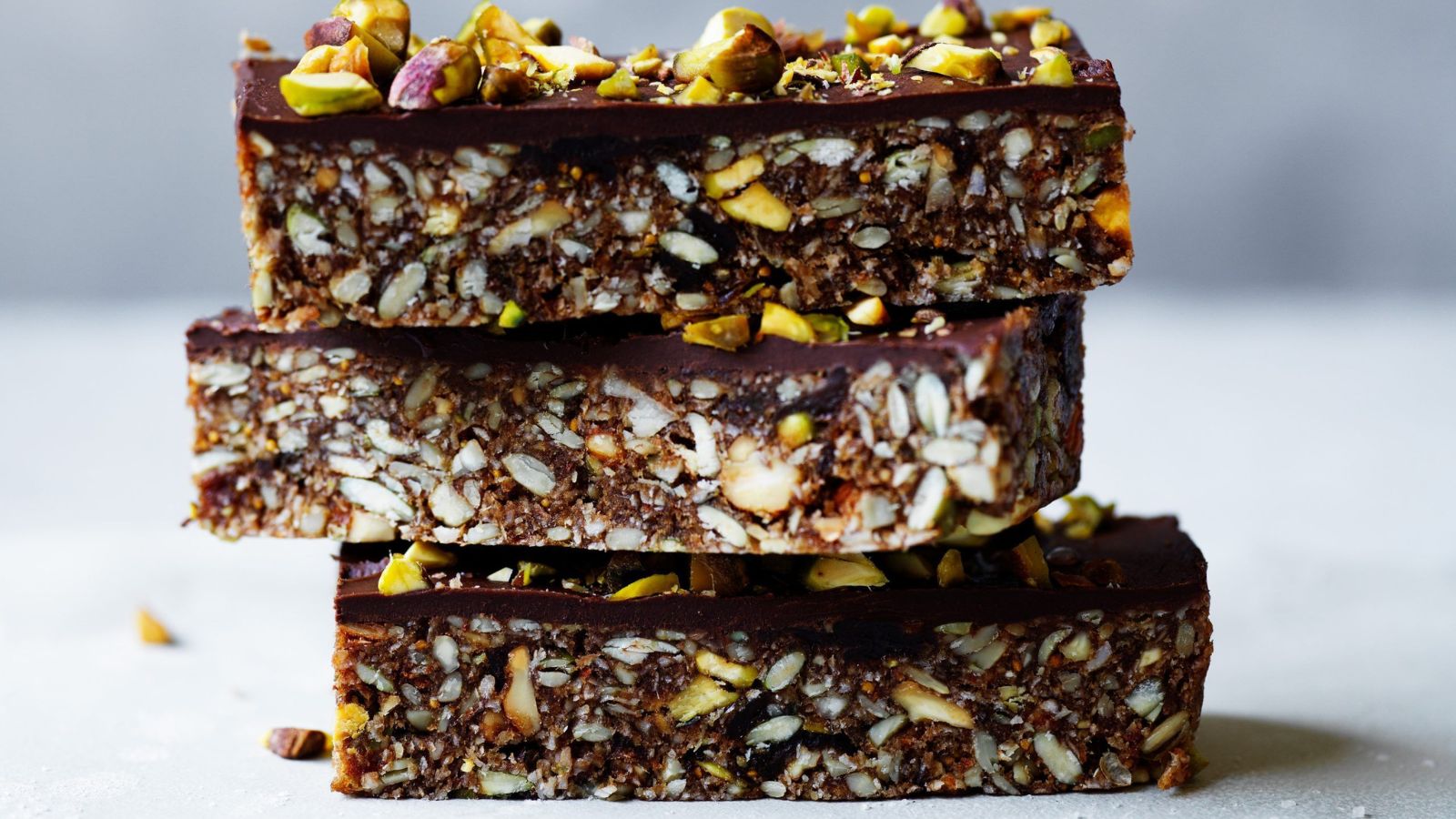
Energy bars are often marketed as a quick and easy snack, perfect for refueling during or after a workout. Many of these bars boast high protein content and offer various health benefits, but many energy bars are loaded with sugars, refined grains, and unhealthy fats. The high sugar content in many bars can lead to an insulin spike and crash, leaving you feeling tired and sluggish.
While energy bars may provide a quick boost of energy, they’re not always the best choice for long-term health. Look for energy bars that contain whole ingredients like nuts, seeds, and fruits. Avoid bars that list sugar as one of the first ingredients. Bars that balance protein, fiber, and healthy fats are the best choices for maintaining energy throughout the day.
Salad Dressings
Salads are often considered a healthy choice, but if you’re dousing them in store-bought salad dressing, you could be undermining their nutritional value. Many salad dressings are packed with unhealthy fats, sugar, and artificial ingredients. Even “low-fat” dressings often use sugar or other additives to make up for the lack of fat, turning what should be a healthy meal into a high-calorie, low-nutrient dish.
Making your own dressing is easy and allows you to control the ingredients. Try mixing olive oil, vinegar, and a squeeze of lemon juice for a simple and healthy option. For added flavor, you can incorporate mustard, honey, or garlic.
Key Takeaways
When it comes to health and nutrition, it’s important to remember that not everything marketed as “healthy” truly lives up to its claim. While some foods may seem like wholesome options, they often contain hidden sugars, unhealthy fats, or artificial additives that can harm your health in the long run.
To make informed decisions, always read labels carefully and prioritize whole, natural foods over processed alternatives. The key to a healthy diet lies in moderation, balance, and being mindful of what you’re consuming. Instead of relying on trendy health foods, focus on nourishing your body with fresh fruits, vegetables, lean proteins, and healthy fats to feel your best.