6 Foods Centenarians Almost Never Eat

Image Credit: High Contrast/Wikimedia Commons, Licensed Under CC BY 3.0 DE
Research suggests that people who enjoy longer lives often steer clear of refined grains, red meat, packaged foods, cow’s milk, sugary treats, and processed meats. It seems that longevity isn’t just about what you eat, but also what you choose not to consume. Studies conducted in Blue Zones—regions known for their high life expectancy and low rates of chronic diseases—have uncovered patterns in the diets of those who live the longest.
These populations tend to limit or avoid specific foods to help maintain long-term health, as highlighted by Real Simple magazine. Centenarians—those who reach the age of 100 or older—are central to studies on healthy aging. Dan Buettner, who has extensively researched Blue Zones in places like Okinawa (Japan), Sardinia (Italy), and Singapore, believes that avoiding certain foods plays a significant role in reducing the risk of chronic diseases often tied to modern diets.
Red Meat
Red meat, including beef, pork, and lamb, is commonly consumed worldwide. However, in Blue Zones, red meat is a rarity. It is reserved for special occasions or eaten in limited quantities. So, what makes this food so problematic for longevity?
Numerous studies have shown a strong correlation between high red meat consumption and an increased risk of heart disease, cancer, and other chronic illnesses.
For instance, red meat is often high in saturated fats, which can contribute to plaque buildup in the arteries, raising the risk of cardiovascular disease. It has also been linked to an increased risk of colorectal cancer. In fact, the World Health Organization (WHO) has classified red meat as a probable carcinogen, further highlighting its potential role in the development of certain cancers.
Instead of red meat, centenarians in Blue Zones often turn to plant-based sources of protein, such as beans, lentils, and tofu. Fish, especially fatty fish like salmon and sardines, is also a popular alternative due to its heart-healthy omega-3 fatty acids.
Packaged Foods

Packaged and processed foods are convenient, but they come with a hefty price tag for health. From ready-to-eat meals to processed snacks, these foods are loaded with preservatives, artificial additives, and often, unhealthy fats and sugar.
The majority of long-lived individuals rarely, if ever, consume packaged foods. Studies have shown that ultra-processed foods are linked to cognitive decline, obesity, and a higher risk of heart disease.
These foods contain ingredients that our bodies weren’t designed to process, and over time, their consumption can take a toll on health. One 2022 study even found that a diet high in ultra-processed foods is associated with a higher risk of dementia among older adults. These foods lack essential nutrients, and the chemicals they contain can disrupt the body’s natural processes, accelerating aging.
Long-lived people focus on whole, unprocessed foods like fresh fruits, vegetables, nuts, seeds, and whole grains. These foods are nutrient-dense, meaning they provide the vitamins, minerals, and antioxidants the body needs to stay healthy and fight disease.
Refined Grains
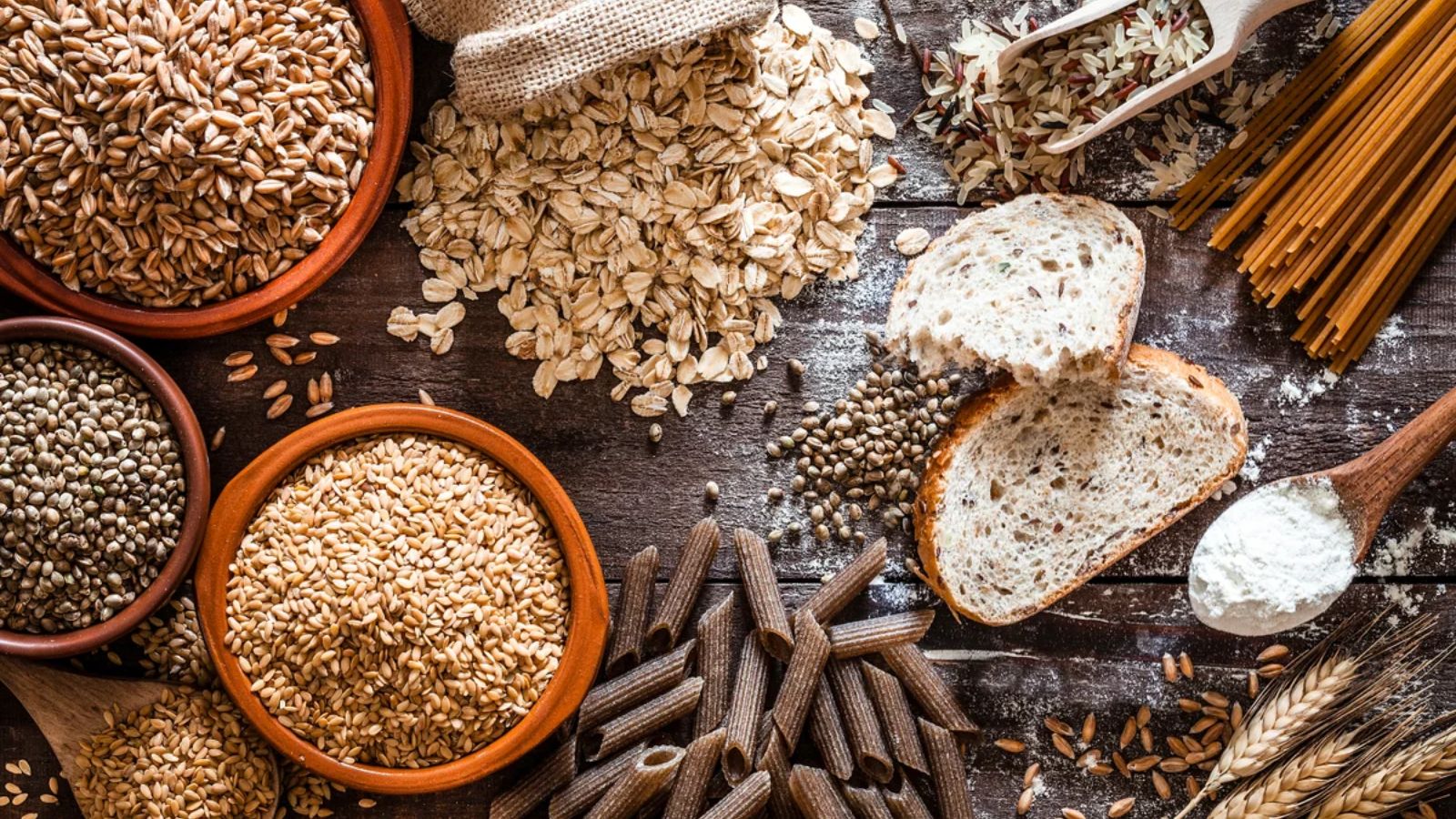
Refined grains are commonly found in many Western diets, particularly in products like white bread, pasta, and processed breakfast cereals. While these foods may be convenient, they often come with a hidden price: a lack of nutritional value.
In Blue Zones, people who live the longest prefer whole grains that retain their bran and germ, providing fiber, B vitamins, and essential minerals. On the other hand, refined grains, such as white bread, are stripped of these nutrients.
This leaves them with limited nutritional content, which can cause blood sugar spikes and contribute to metabolic issues over time. Refined grains also have a higher glycemic index, leading to quicker digestion and rapid fluctuations in blood sugar levels. Over time, this can place a strain on the metabolism and increase the risk of chronic diseases like type 2 diabetes and obesity.
For those aiming to increase longevity, whole grains such as quinoa, brown rice, and oats are far superior options. These foods are rich in fiber, which supports healthy digestion, stabilizes blood sugar levels, and provides long-lasting energy.
Sugary Drinks and Sweets
Sugary drinks like soda, energy drinks, and fruit juices are commonly consumed in the modern diet, but they are rare in the diets of long-lived people. Instead, sweets are typically reserved for special occasions, and sugary beverages are mostly avoided.
Excessive sugar consumption has been linked to numerous health issues, including obesity, type 2 diabetes, heart disease, and cognitive decline.
Added sugars cause inflammation in the body and can lead to insulin resistance, a precursor to type 2 diabetes. Studies also show that high sugar intake is associated with an increased risk of liver disease and dementia. Long-lived people tend to prefer natural sources of sweetness, like fresh fruit, which provides fiber, vitamins, and antioxidants without the negative side effects of added sugar.
For those looking to avoid sugary drinks, water, herbal teas, and fresh fruit juices (without added sugar) are excellent alternatives. Water is essential for hydration, while herbal teas offer additional health benefits, including antioxidants.
Processed Meats

Processed meats, such as sausages, bacon, and hot dogs, are staples in many diets. However, they are among the most restricted foods in the diets of long-lived people. Why? Because they are high in saturated fats, preservatives, and nitrates. The World Health Organization has classified processed meats as Group 1 carcinogens, meaning there is sufficient evidence to link them to cancer.
These meats also contribute to the development of heart disease, high blood pressure, and other cardiometabolic diseases due to their high content of unhealthy fats and sodium. Instead of processed meats, people in Blue Zones often opt for leaner sources of protein, such as fish, poultry, and plant-based options like beans and lentils.
These alternatives are not only heart-healthy but also lower in unhealthy fats and sodium.
Cow’s Milk
Cow’s milk has long been considered an essential part of a healthy diet, primarily for its calcium content. However, in Blue Zones, cow’s milk is consumed sparingly, if at all. Many centenarians prefer plant-based alternatives or opt for goat’s or sheep’s milk. Cow’s milk is often high in saturated fats and cholesterol, which can contribute to cardiovascular problems over time.
Many long-lived populations also believe that plant-based milk, such as almond or soy milk, offers a healthier alternative, providing calcium and protein without the associated health risks of animal milk. Moreover, many individuals in Blue Zones are lactose intolerant, making plant-based milk a more suitable choice for their digestive health. Plant-based milks, such as almond, oat, or soy milk, are excellent alternatives to cow’s milk.
They are often fortified with vitamins and minerals like calcium and vitamin D, making them a great option for those looking to boost their bone health without the negative side effects of dairy.
Key Takeaways
To summarize, living a long and healthy life isn’t just about what you eat—it’s also about what you avoid. By eliminating or limiting foods such as refined grains, red meat, packaged foods, cow’s milk, sugary drinks, and processed meats, you can reduce your risk of chronic diseases and promote a longer, healthier life.
The diets of long-lived people are rich in whole, unprocessed foods, such as fruits, vegetables, whole grains, and plant-based proteins. By adopting some of these habits, you can improve your overall health and increase your chances of living a long, vibrant life. And remember, it’s not just about food—regular physical activity, maintaining social connections, and having a sense of purpose are also essential components of a healthy lifestyle.