7 Foods Believed to Possess Occult Powers
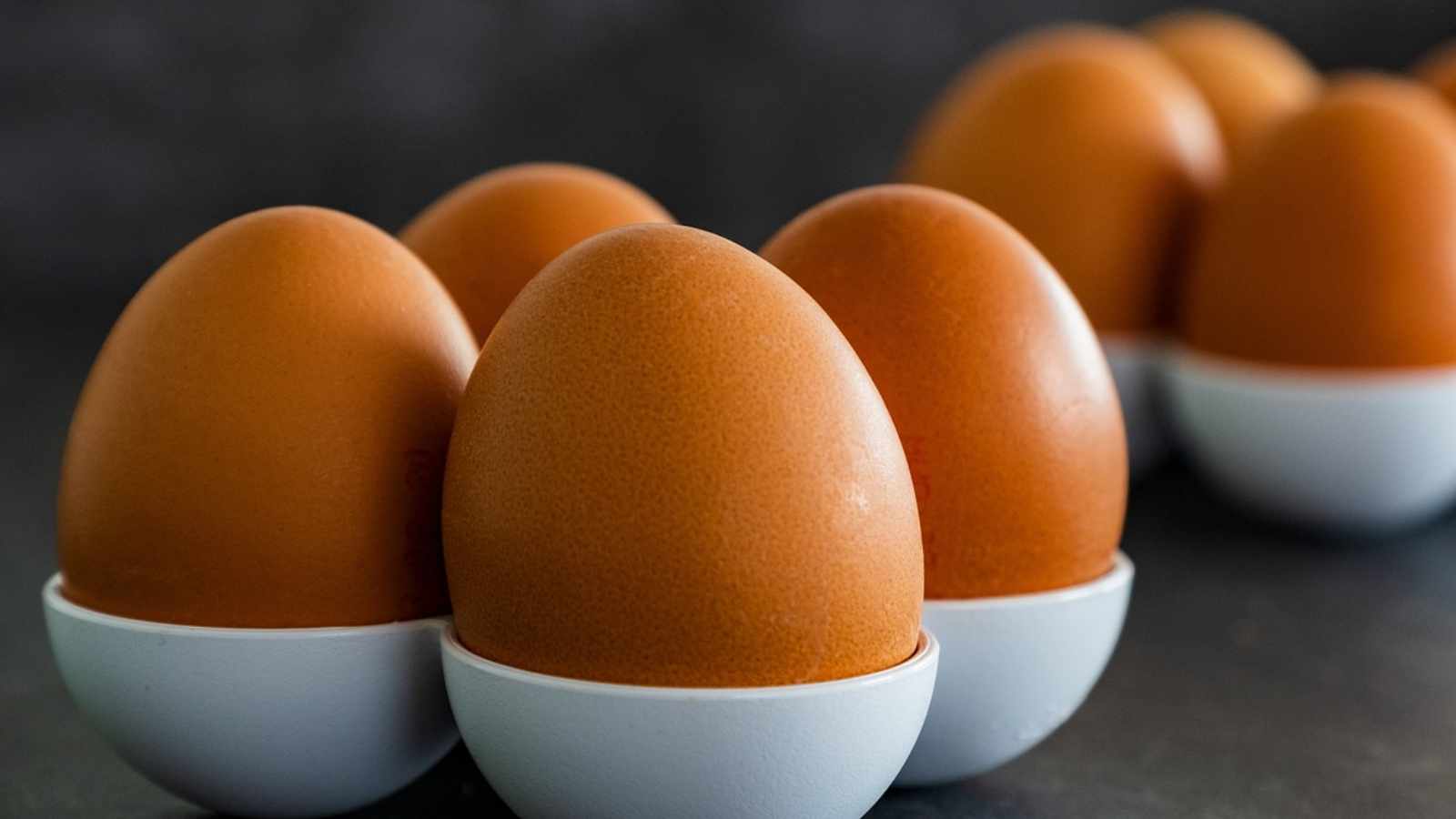
Image Credit: NickyPe via pixabay
Food has long been intertwined with mystical and occult traditions. Beyond its role as sustenance, certain foods have been believed to hold powerful energies, capable of divining the future, protecting from malevolent forces, or even enhancing spiritual rituals.
If you’re seeking answers to life’s questions or fascinated by the ancient art of food divination, the following ingredients are thought to possess hidden, magical abilities.
Eggs
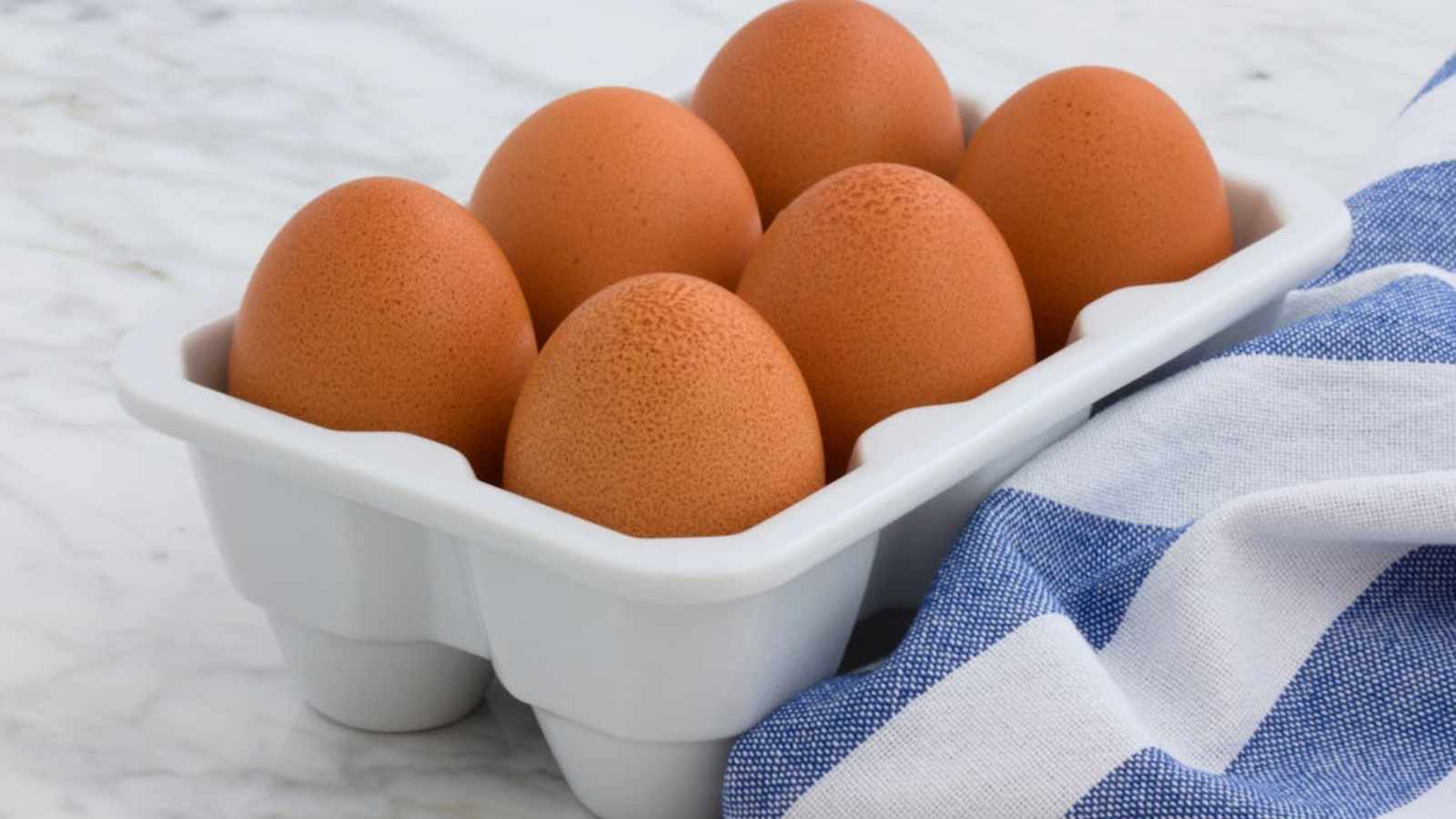
The humble egg has been imbued with deep symbolic meaning across many cultures. Associated with life, rebirth, and fertility, eggs have been used in various mystical practices, including Ovomancy, a form of divination. The egg’s connection to creation and transformation has made it a powerful tool in spells, rituals, and fortune-telling.
One common method of ovomancy involves pouring raw egg white into hot water and interpreting the shapes it forms as they solidify. Another technique includes cracking an egg and reading the patterns on its shell or yolk. In some cultures, the egg is believed to possess protective and healing powers, making it an essential part of spiritual cleansing rituals.
Salt
Salt has been considered a sacred and powerful substance throughout history. Known for its ability to preserve and purify, it was also believed to possess spiritual powers. Alomancy, the divination art involving salt, was practiced by ancient cultures, including the Egyptians, Greeks, and Romans, who used salt in purification rituals and to ward off evil spirits. Salt would be scattered in the corners of rooms during rituals, with its patterns offering insights into spiritual messages.
One particularly intriguing method of salt divination involves sprinkling salt in a shallow dish, placing a pencil above it, and asking a question. As if guided by an unseen hand, the pencil is believed to move, leaving behind a symbolic message: a “Y” for yes, a “N” for no, a circle for misfortune, and a heart for love.
Flour
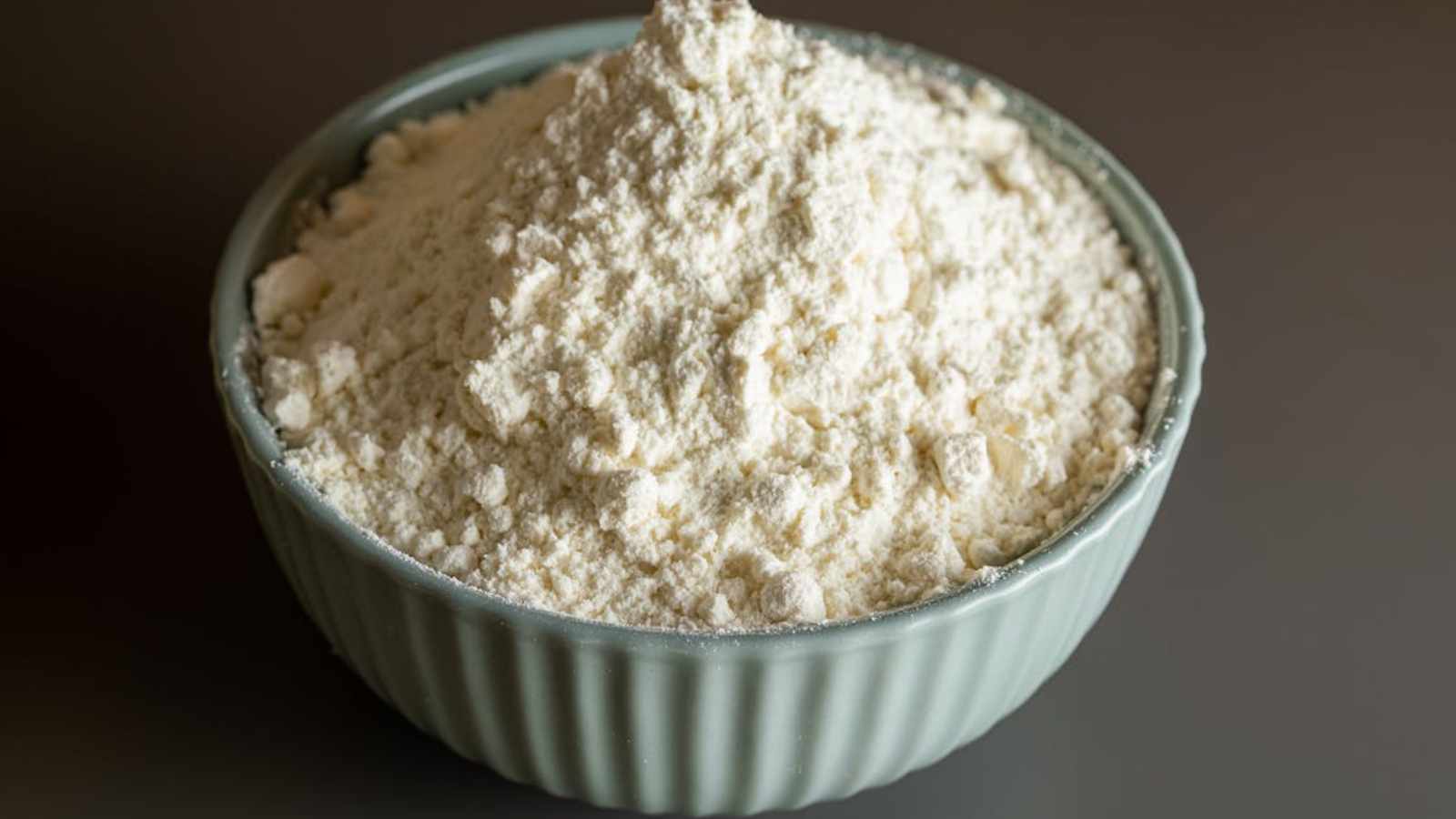
Flour has been at the heart of divination practices for millennia. Known as Aleuromancy, this ancient form of soothsaying dates back to the second millennium BC. Ancient Greeks, for example, believed that flour could reveal hidden truths about the future. Bakers would create cakes for a community by writing symbols on pieces of cloth or parchment and embedding them in the dough. Each person would then consult a diviner to interpret the messages hidden in their individual cakes, offering insights into their fate.
The practice continues to the present day, with the ubiquitous fortune cookie a playful adaptation of this tradition. A fascinating twist on flour divination involves interpreting the shapes formed when flour is poured onto the ground or reading the patterns created by flour-and-water mixtures in a bowl. It’s a simple yet profound connection to the mystical world.
Barley
In ancient times, barley bread was more than a staple—it was also a tool for discerning truth and exposing deceit. The practice of Alphitomancy involved feeding barley bread to a suspect, and if they were guilty, they would suffer from indigestion. This method was famously used in ancient Rome as a form of lie detection, in which a suspect’s ability to digest bread indicated their innocence or guilt.
The belief in barley’s connection to the divine persisted, with some ancient cultures even using barley cakes in rituals to test purity or determine the future. For example, young girls in ancient Rome were sent into sacred forests with barley cakes to be tested by serpents, who would eat only those belonging to virgins. The power of barley extended beyond the physical, becoming a symbol of purity, truth, and divine judgment.
Garlic
Garlic has long been celebrated for its medicinal properties, but it also holds strong ties to the occult world. Believed to ward off evil spirits and protect against curses, garlic has been used in magical rituals for centuries. Its strong odor and potent properties made it a favorite among ancient civilizations for guarding against malevolent forces.
In some traditions, garlic is hung in doorways or placed under pillows to protect against nightmares or dark spirits. It’s also considered a powerful tool for spiritual purification and is often incorporated into rituals to cleanse negative energies.
Corn
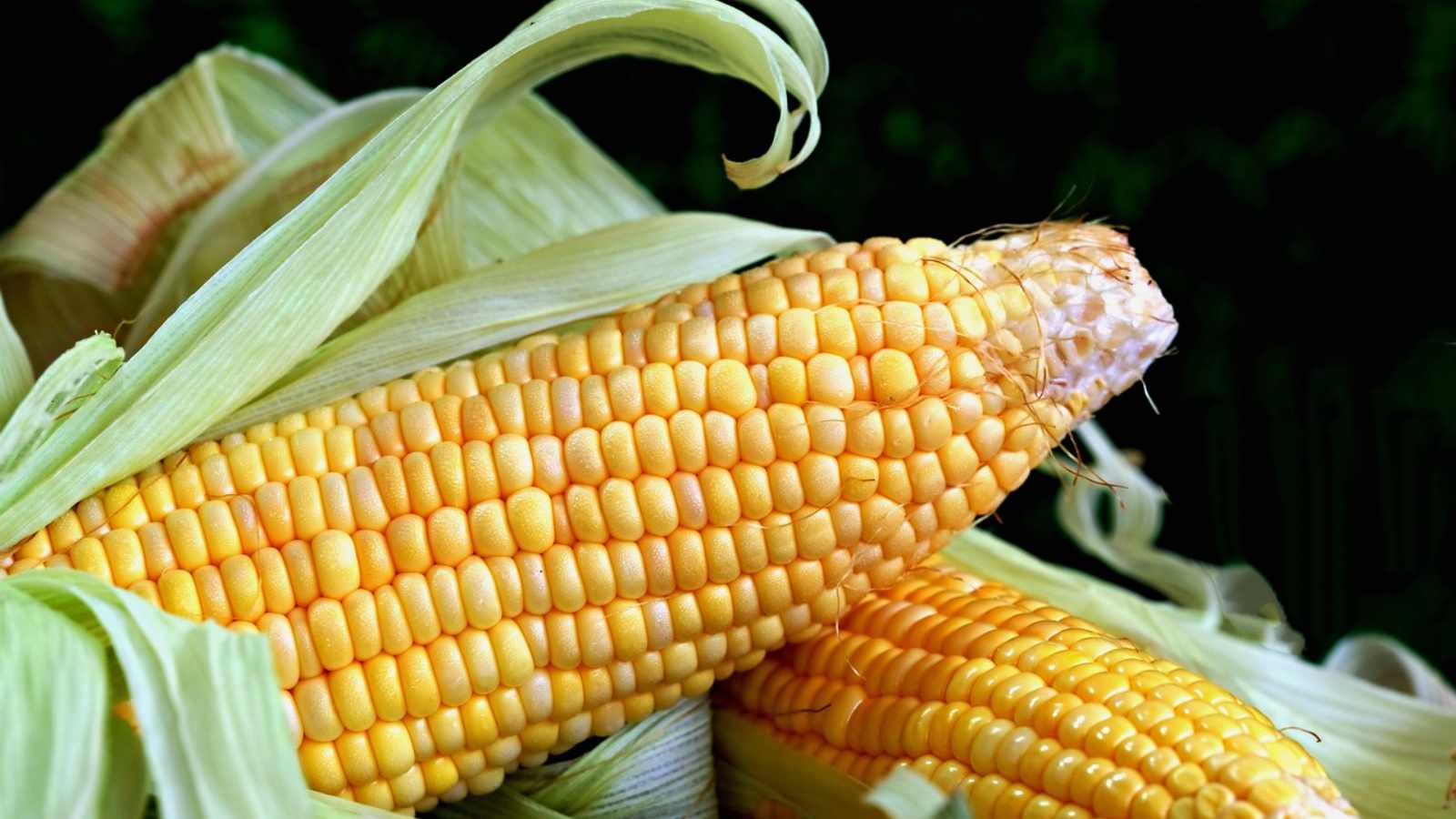
To the ancient civilizations of Mesoamerica, corn (maize) was more than just a food—it was a sacred gift from the gods. The Mayans and Aztecs believed that corn was a divine link between the human and spiritual realms. Maize divination involved casting corn kernels and interpreting their patterns to gain insight into the future.
In ancient Mexico, diviners would throw corn kernels onto a white cloth or into water, interpreting whether they floated or sank. Corn divination methods are still practiced by indigenous peoples today, with techniques varying by region. This reverence for corn remains a testament to its sacred role in the spiritual and daily lives of ancient cultures.
Honey
Honey, with its sweetness and ancient origins, has been regarded as a symbol of life, wisdom, and immortality. In ancient Egypt, honey was considered the food of the gods and was used in religious ceremonies and embalming rituals. Its mystical properties are believed to bring healing, protection, and good fortune.
In some divination practices, honey is offered to deities or used in rituals to enhance spiritual growth and insight. Its golden hue and natural sweetness symbolize abundance, making it an essential component in many magical traditions.
Key Takeaways
Food has always been more than just sustenance; it has held a profound connection to the spiritual world. Foods listed above have been revered for their alleged occult powers, capable of divining the future, protecting from evil forces, and enhancing spiritual experiences.
Exploring the ancient arts of divination or simply appreciating the mystical qualities of these everyday ingredients, they offer a fascinating glimpse into the world of the occult.