Food Early Pioneers Ate to Survive the Wild West

In the rugged and unforgiving landscape of the American Wild West, pioneers had to be incredibly resourceful to survive.
While today’s cuisine might seem sophisticated with abundant choices and modern conveniences, the early settlers faced extreme challenges in food procurement and preservation. The Wild West wasn’t just about cowboys and cattle drives, it was about making do with what you had, using ingenuity, and embracing survival over flavor. The food they ate reflected their struggle, but it also revealed the strength of their character.
This article delves into the foods consumed by pioneers, from what they could carry on their long journeys to what they could hunt, forage, and preserve along the way. What may seem strange or unappealing to us today was, for them, the key to surviving one of the most difficult chapters in American history
The Basic Ingredients of Pioneer Life
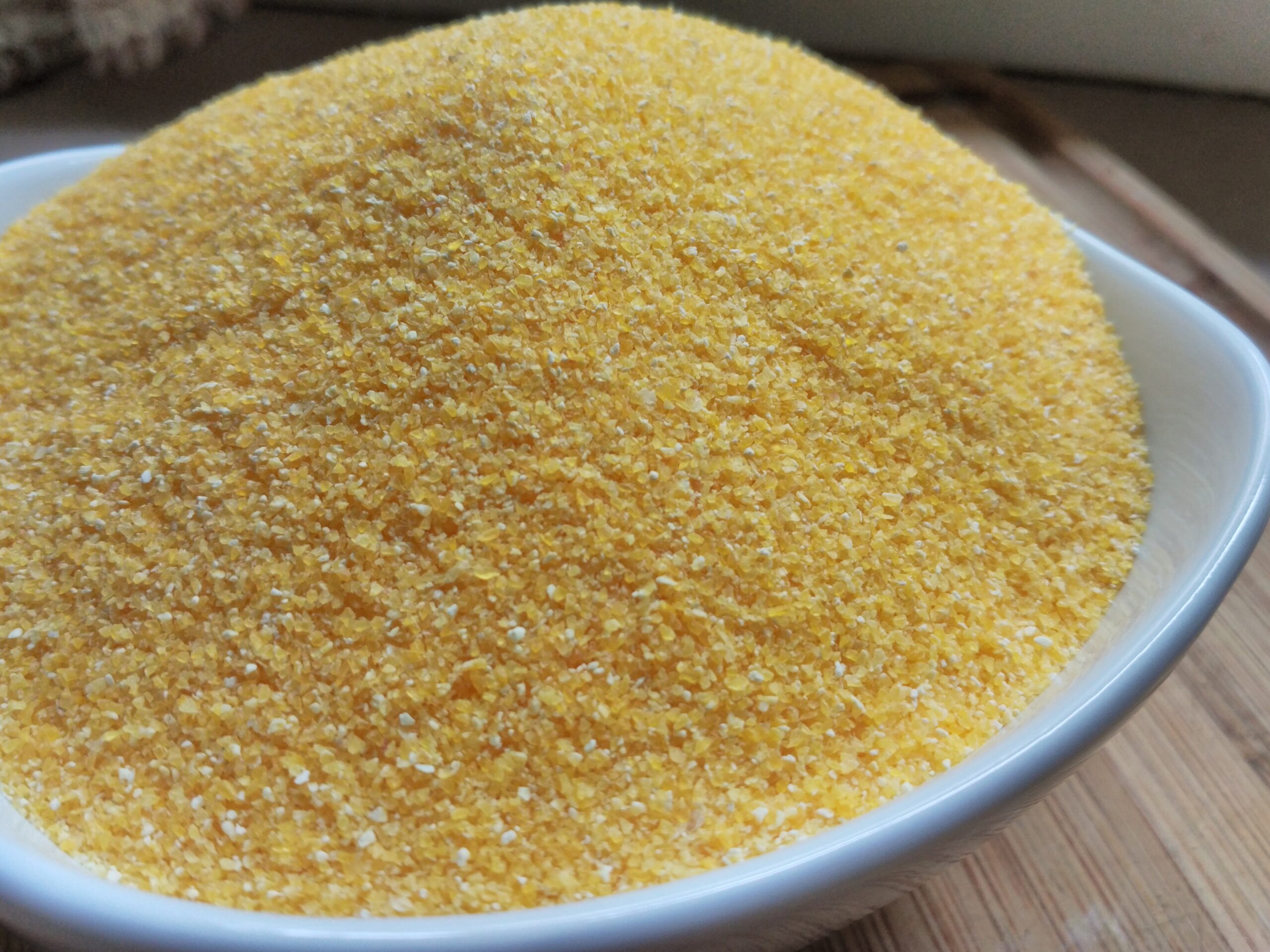
Pioneers had to travel light and prepare for long stretches without resupply, so they packed foods that were compact, non-perishable, and versatile. This was the pre-packaged food era, with little more than what could be transported in covered wagons. Here are some of the most common items that pioneers relied on to sustain themselves:
Flour and Cornmeal
Grains like flour and cornmeal were staples. These versatile ingredients were used to make biscuits, cornbread, and gruel. Cornmeal, in particular, was vital in the daily diet as it was easy to store and use in a variety of ways. Pioneers made cornmeal mush, often sweetened with molasses, and baked cornbread to accompany meals. These were filling and efficient ways to stretch minimal resources.
Dried Meats
Without refrigeration, the preservation of meat was a necessity, and pioneers turned to jerky and salted meats to meet their protein needs. Dried beef or venison jerky was often carried on long wagon journeys, as it was compact and could last for weeks without
Wild Game
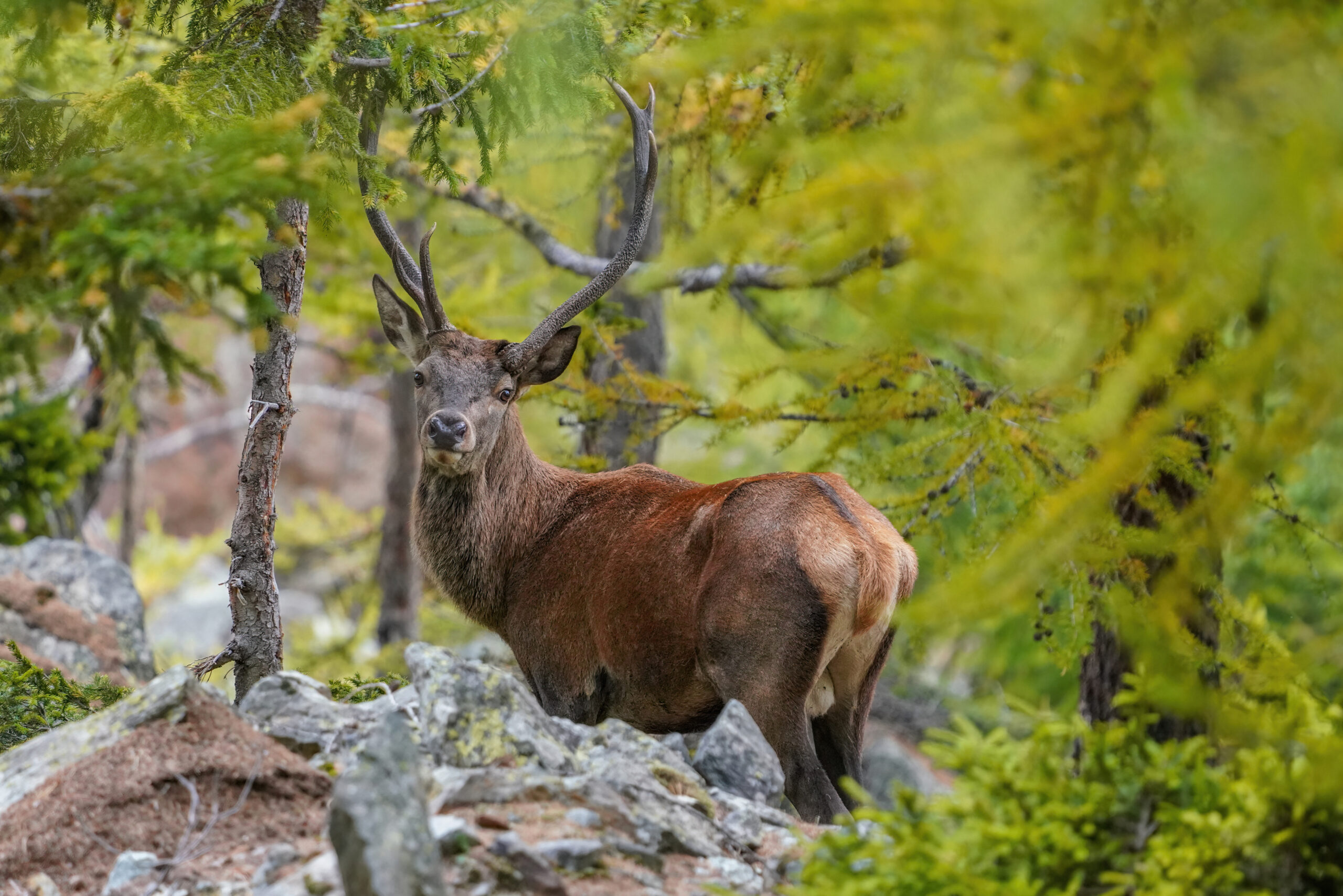
In a land full of wildlife, pioneers hunted local game to supplement their diets. From the lowly rabbit to larger animals like deer, the early settlers took advantage of the bounty provided by nature. Hunting was not just a hobby, it was a necessity.
Squirrel and Rabbit
Squirrels and rabbits were plentiful in the forests of the Old West, and they made for reliable sources of protein. While today they may seem like unusual dishes, pioneers frequently roasted squirrel or rabbit over an open fire or stewed them into hearty soups. These small animals were often skinned and cooked in a variety of ways, adding diversity to their diet.
Roast Venison
Larger game such as deer was also an important source of nutrition. A roast venison might be a special meal for the pioneers, served after a successful hunt. The meat was often preserved in the form of jerky or salted cuts to last through the harsh seasons. Venison was high in protein and provided the calories needed for the physically demanding life of a settler.
Innovative Preservation
In the Old West, nothing went to waste. Pioneers were forced to be resourceful, using every part of the animals they killed for food. Even the less appetizing parts were preserved and eaten as a part of their diet.
Head Cheese
One of the most notorious foods of the Old West was head cheese, made from the head of a pig, cow, or sheep. The meat was boiled, then cooled and jellied into a dense loaf. While it might sound unappealing to modern palates, this dish was both economical and filling. The pioneers didn’t have the luxury of picky eating, they had to make use of everything available.
Calf’s Foot Jelly
Another curious but common dish was calf’s foot jelly, a gelatinous dessert made by boiling the bones and tendons of a calf’s foot. The collagen from the bones would form a gelatin-like consistency, creating a dish that could be sweetened with sugar or flavored with fruit. Though it may seem odd today, this was a practical way to make the most of available animal parts and provide nourishment during the long, cold winters.
Canned Goods
By the mid-1800s, canned goods began to make their way to the frontier. Though they weren’t as widely available as they are today, the ability to preserve food in metal cans offered settlers more variety. Canned beans, fruits, and vegetables were seen as great conveniences, allowing for quicker meals with longer shelf lives.
However, despite the advent of canned goods, settlers would often still rely on dried versions of fruits, vegetables, and legumes for much of their daily nutrition. The pioneers preserved fruits by drying them in the sun, and vegetables were often pickled in vinegar for extended storage.
Pioneer Desserts
While dessert may not have been a top priority for pioneers struggling to survive, they did manage to make some sweet treats, using the ingredients they had on hand.
Apple Pie with Apple Cider Vinegar
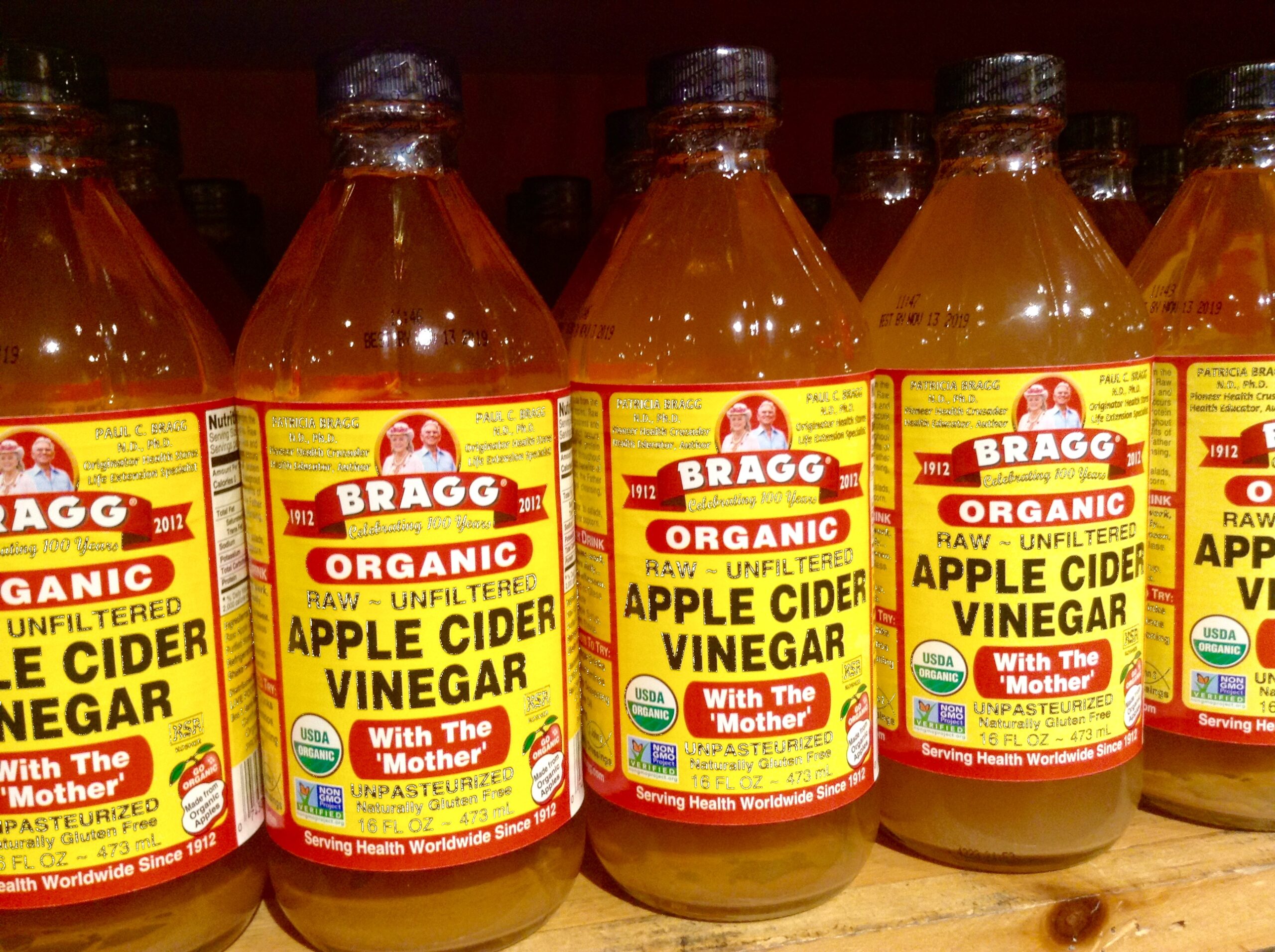
Making a traditional apple pie was a challenge for pioneers without fresh apples or sugar, so they had to get creative. Apple cider vinegar was often used in place of apples, creating a pie that tasted similar, if not identical, to its fresh-fruit counterpart. The sourness of the vinegar was mellowed by sweeteners like molasses, resulting in a passable version of the beloved dessert.
However, despite the advent of canned goods, settlers would often still rely on dried versions of fruits, vegetables, and legumes for much of their daily nutrition. The pioneers preserved fruits by drying them in the sun, and vegetables were often pickled in vinegar for extended storage.
Molasses Cake
Molasses was a common sweetener used by pioneers. Molasses cake was a popular dessert that provided comfort during harsh times. Made with simple ingredients like flour, butter, and molasses, the cake could be enjoyed with little effort or expense, and it helped to lift spirits after a long day on the trail.
Conclusion
The foods consumed by early pioneers were not chosen for luxury or taste, they were born out of necessity, resilience, and an unyielding drive to survive in one of the most challenging environments on Earth. From head cheese to squirrel stew, each dish tells the story of a people who had to make do with what they had and get creative in the face of adversity.
Today, we may look at some of these dishes with curiosity or distaste, but for the pioneers, they were lifelines, providing the energy and sustenance needed to endure. The legacy of these early settlers is a reminder of the strength of the human spirit and the lengths people will go to survive and thrive
Read the original article on crafting your home