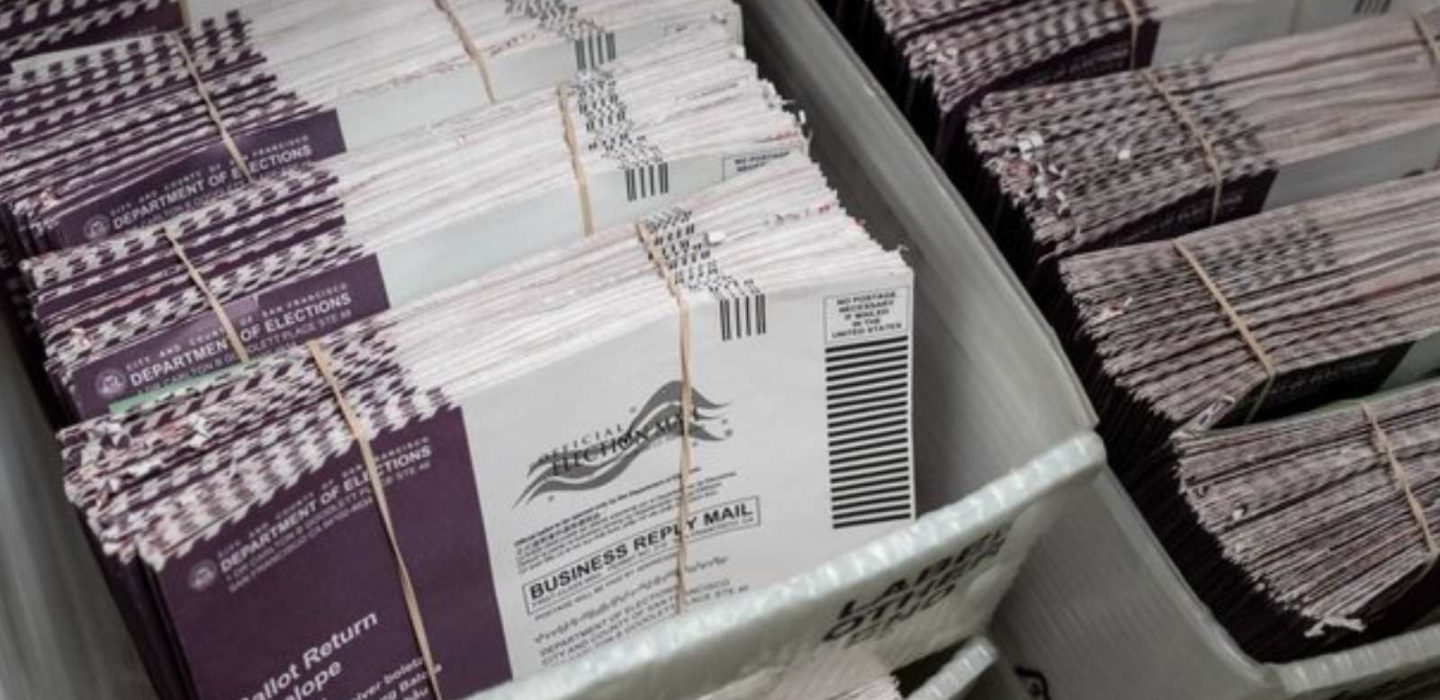

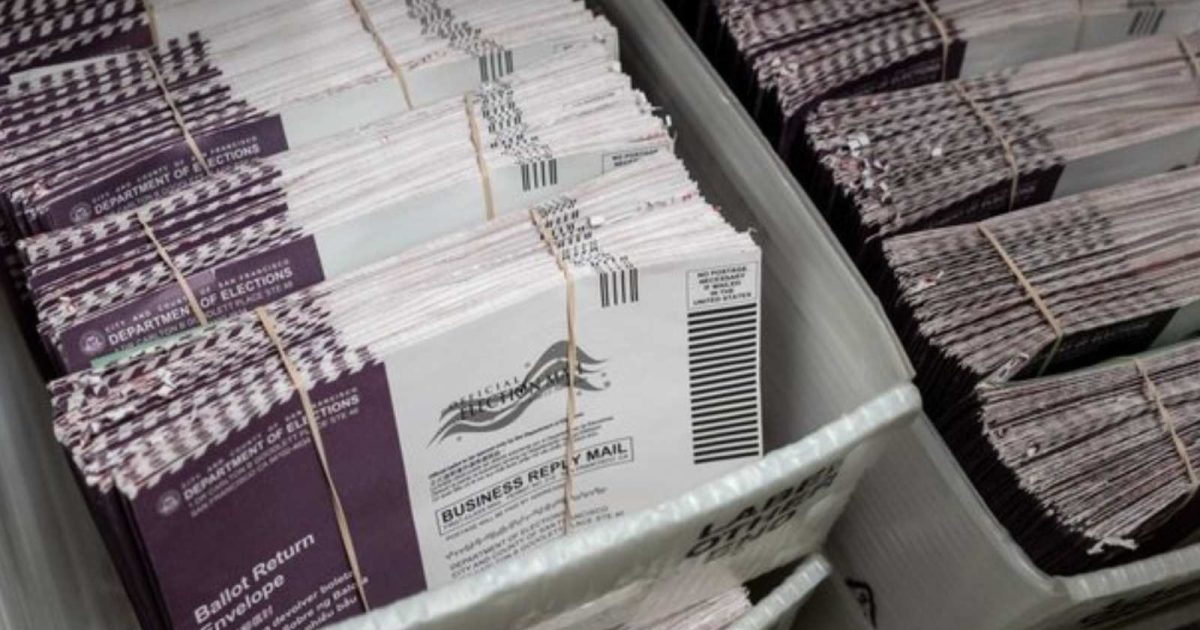
A federal judge has blocked the U.S. Postal Service (USPS) from moving forward with a proposed plan tied to a Trump-era executive order that sought to reshape how mail ballots are delivered across the United States. The ruling centers on a legal conflict with a 2020 consent decree that still governs how USPS must handle election mail, particularly during high-volume federal election cycles.
The court’s decision reinforces a critical boundary in U.S. election administration, federal agencies cannot unilaterally alter ballot-handling procedures when they are already bound by court-approved agreements. Instead, any meaningful change must go through formal legal review and approval, ensuring that election infrastructure remains stable and consistent across states.
Why the USPS plan was halted
The judge found that the Postal Service’s proposed changes would violate the terms of a binding 2020 settlement agreement created after lawsuits challenged USPS handling of election mail during the pandemic election cycle. That agreement established strict operational safeguards to ensure the timely delivery of ballots and uniform treatment across all regions of the country.
According to the ruling, the executive order would have effectively introduced new ballot handling procedures without first modifying or dissolving the existing consent decree through judicial channels. This was a key issue for the court, which emphasized that federal agencies must comply with prior court orders unless those orders are formally amended. As a result, the judge issued an injunction blocking USPS from implementing the proposed changes, preserving the status quo for mail ballot processing.
Why mail ballots remain a legal flashpoint in U.S. elections

Mail-in voting remains one of the most politically sensitive components of the American electoral system, particularly after its rapid expansion during the COVID-19 pandemic. According to the U.S. Election Assistance Commission, more than 65 million mail ballots were cast in the 2020 presidential election, representing a historic surge in absentee voting participation.
Since then, millions of voters have continued to rely on mail ballots due to convenience, disability access, military service, and state-level voting rules. The Postal Service plays a central role in this process, handling billions of pieces of election-related mail each cycle, including ballots, voter registration forms, and election notices. Because of this scale, even small operational changes, such as delivery prioritization or processing timelines, can have significant consequences for election administration nationwide.
What the 2020 USPS settlement actually changed
The 2020 consent decree was created in response to widespread concerns about postal delays and operational disruptions during the pandemic election period. The agreement imposed strict requirements on USPS to ensure that election mail was treated as First-Class priority mail and processed under consistent national standards.
The settlement also required enhanced tracking systems, reporting mechanisms for ballot movement, and restrictions on last-minute operational changes during election periods. Importantly, it prevented USPS from making unilateral changes to election mail procedures without prior notice and, in some cases, court review. These safeguards were designed to prevent inconsistencies between states and protect voter access during federal elections.
The legal tension between executive orders and agency constraints
The ruling highlights a recurring constitutional and administrative question: how far executive authority can extend when it intersects with independent agency operations and court-enforced agreements. While presidents can issue executive orders to direct federal agencies, those orders cannot override existing legal obligations or court-approved settlements.
The USPS operates under a unique legal structure as an independent establishment of the executive branch, meaning it must follow congressional mandates and judicial rulings that govern its operations. In this case, the court determined that the executive order attempted to bypass those constraints by altering election mail procedures already locked in by the 2020 settlement. As a result, the proposed directive was deemed unenforceable without formal judicial modification.
Political and policy implications heading into future elections
The ruling is expected to influence how future administrations approach election-related policy changes, particularly those involving federal agencies like USPS. Legal experts note that any attempt to revise ballot delivery procedures will now need to account for multiple layers of legal oversight, including federal statutes, existing consent decrees, and state election laws.
This creates a higher legal threshold for reform, meaning that sweeping changes to mail ballot systems are unlikely to occur through executive action alone. Instead, policymakers would need to seek court approval, enact legislative changes, or reach coordinated agreements with state election officials to implement new procedures.
Why USPS performance remains central to election trust
The U.S. Postal Service has become a critical pillar of election infrastructure, especially since the expansion of mail voting in 2020. During major election cycles, USPS processes over 13 billion pieces of election-related mail, including ballots and voter materials that must be delivered within strict deadlines.
Internal USPS data and congressional oversight reports from recent cycles indicate that more than 99% of properly mailed ballots are delivered within required timeframes when submitted according to state deadlines. However, even isolated delays in certain regions have historically sparked public concern and political scrutiny, underscoring the importance of consistency and transparency in ballot handling systems.
What comes next for mail ballot policy
Any future attempt to change USPS election mail procedures will likely require formal modification of the existing consent decree through the courts or new federal legislation clarifying postal authority during elections. State election officials will also remain key stakeholders in any reform effort, since they set many of the deadlines and rules governing ballot acceptance.
For now, the ruling preserves the existing framework for mail ballot handling across the United States, ensuring continuity heading into upcoming election cycles. It also reinforces a broader principle in election law: that stability in voting systems is maintained not through rapid administrative change, but through structured legal processes that balance federal authority, judicial oversight, and state control.
Read the original article in Crafting Your Home.