6 Famous Cities Everyone Thinks Are National Capitals… But Aren’t
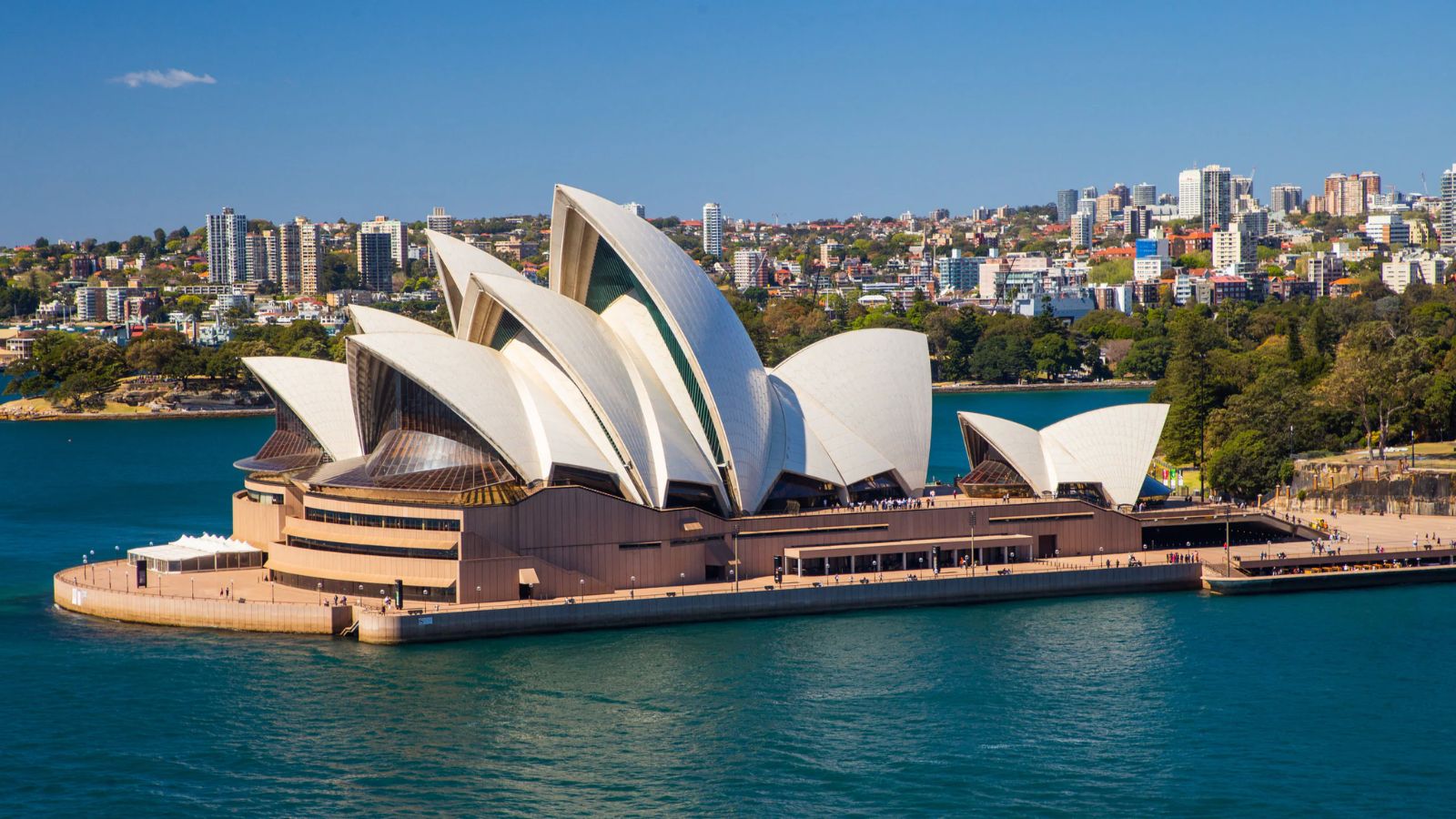
Image Credit cottonbro studio via Pexels
Have you ever found yourself confidently naming a city as the capital of a country, only to later discover that you were mistaken? It’s a trap many of us fall into. Some of the most famous and influential cities in the world don’t hold the official title of capital, despite being the heartbeat of their nations in terms of culture, economy, and global recognition.
Imagine mistaking New York for Washington D.C., or thinking Sydney runs Australia instead of Canberra. These are the cities that stir our imaginations, fill our bucket lists, and shape global perceptions, but they are not always the political capitals. In this exploration, we’ll take a closer look at some of these cities that have long been mistaken for the capitals they may deserve to be.
From the bustling streets of New York to the sun-kissed beaches of Rio de Janeiro, these cities hold a unique charm and significance that go beyond governmental buildings. Get ready to uncover the untold stories and surprising facts about the places that often wear the crown of “capital” in our minds, even if they don’t officially hold that title.
Auckland
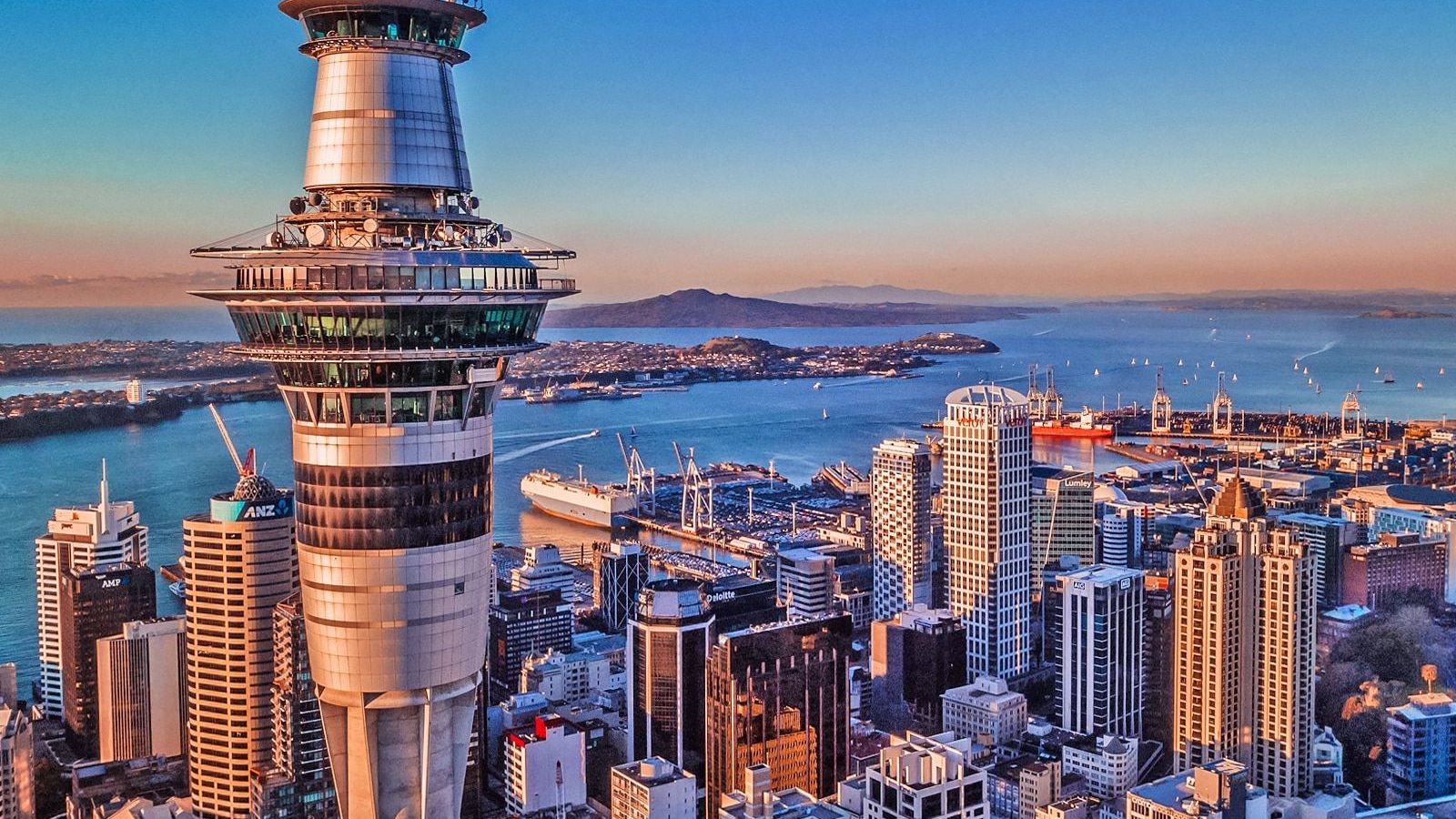
When people think of New Zealand, they often picture Auckland with its stunning harbors, impressive skyline, and thriving culinary scene. It’s the largest city in New Zealand and home to nearly a third of the country’s population. Despite its prominence, Auckland is not the capital of New Zealand. That title belongs to Wellington, the country’s political center.
While Wellington may be the capital, Auckland remains the cultural and economic powerhouse of New Zealand. Its high-end restaurants, chic neighborhoods, and beautiful natural landscapes make it one of the most desirable cities to visit in the country. With its perfect balance of urban life and access to outdoor adventures, Auckland continues to captivate visitors, even though it’s not the official capital.
New York City
When you think of the United States, New York City undoubtedly comes to mind. It’s the city that never sleeps, the birthplace of global finance, and the cultural epicenter of America. With its iconic skyline and world-renowned landmarks like Times Square, the Statue of Liberty, and Central Park, New York is undeniably a city that commands attention.
Yet, New York is not the capital of the United States. That honor goes to Washington, D.C. While Washington is the political center of the country, it is New York that stands out as the true cultural and financial powerhouse. The United Nations has its headquarters here, and the city’s energy is unmatched.
Whether it’s Broadway, Wall Street, or the myriad of cultures that call this city home, New York doesn’t need to be the capital to claim its place as the capital of the world.
Rio de Janeiro
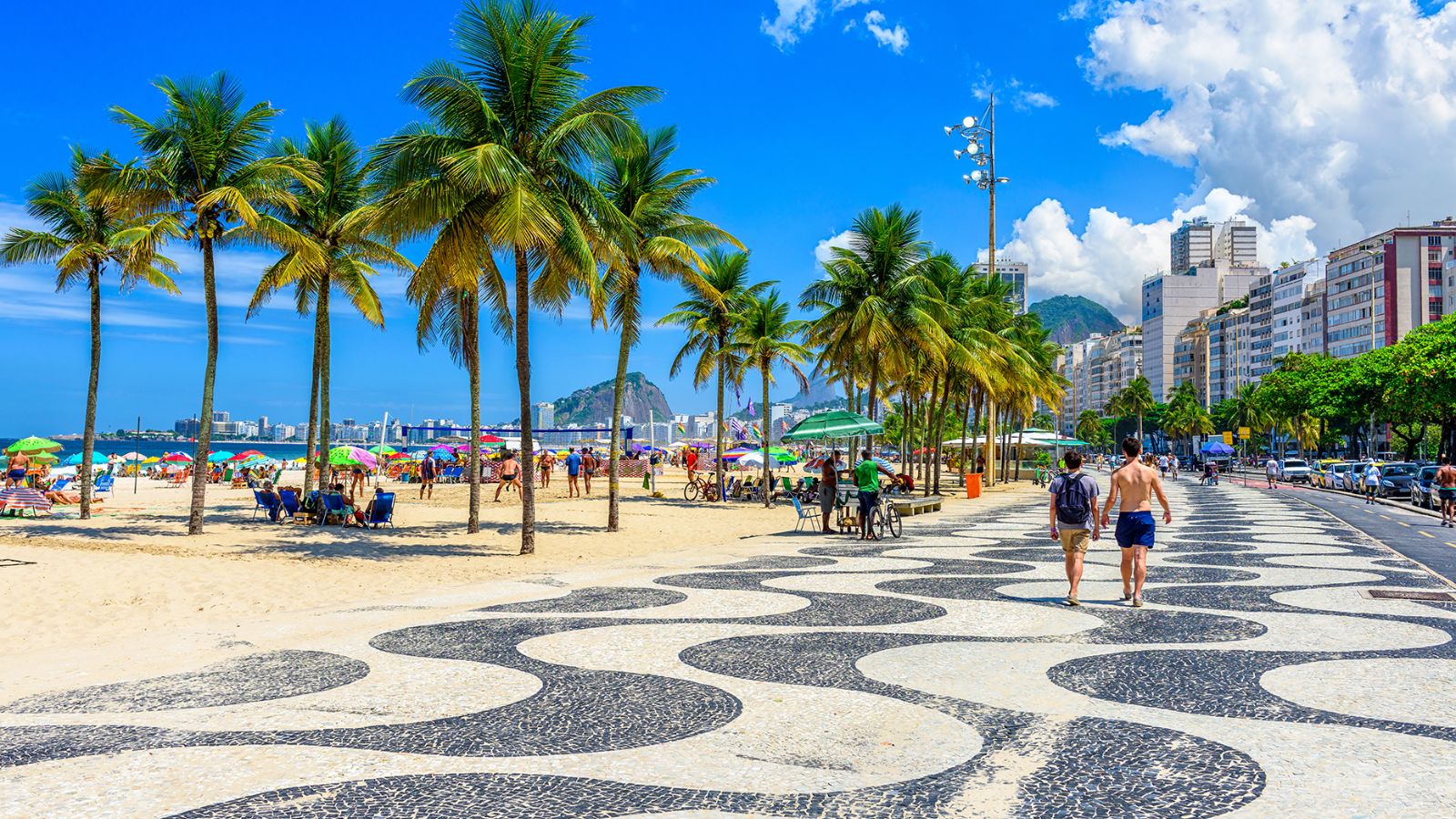
Rio de Janeiro is a city that everyone associates with Carnival, samba, and beautiful beaches. Its vibrant energy and famous landmarks, like the Christ the Redeemer statue and Sugarloaf Mountain, make it one of the most well-known cities in the world. Despite its fame, Rio de Janeiro is not the capital of Brazil.
That honor belongs to Brasília, the planned city created in 1960 to promote development in the interior of the country. In a way, Rio’s loss of capital status in 1960 liberated it to become the cultural and party capital of Brazil. Today, Rio is famous for its laid-back vibe, beaches, and exciting Carnival celebrations. It may not be the capital, but for many, it’s the heart and soul of Brazil.
Istanbul
Istanbul has long been the cultural and historical center of Turkey. For centuries, it was the capital of both the Byzantine and Ottoman Empires. The city’s stunning architecture, from the Hagia Sophia to the Blue Mosque, makes it a must-visit for travelers. Despite its importance, Istanbul is not the capital of modern Turkey.
That title belongs to Ankara, a city that was chosen as the capital in 1923 when the Republic of Turkey was founded. However, Istanbul still holds a special place in the hearts of Turks and visitors alike. Its rich history, vibrant culture, and breathtaking views make it a city that outshines its capital counterpart. In many ways, Istanbul remains the true heart of Turkey, attracting millions of tourists each year.
Sydney
Australia’s most iconic city, Sydney, is often considered the nation’s capital. With its stunning harbor, the Sydney Opera House, and the beautiful Bondi Beach, it’s easy to see why people make this assumption. However, Sydney is not the capital of Australia; that distinction belongs to Canberra.
Canberra was chosen as the capital in 1908 as a compromise between Sydney and Melbourne, two rival cities that sought to claim the capital. Despite this, Sydney remains Australia’s cultural hub. The city’s laid-back lifestyle, world-class dining, and vibrant arts scene make it the place to visit, even though it doesn’t hold the official title of capital.
Amsterdam
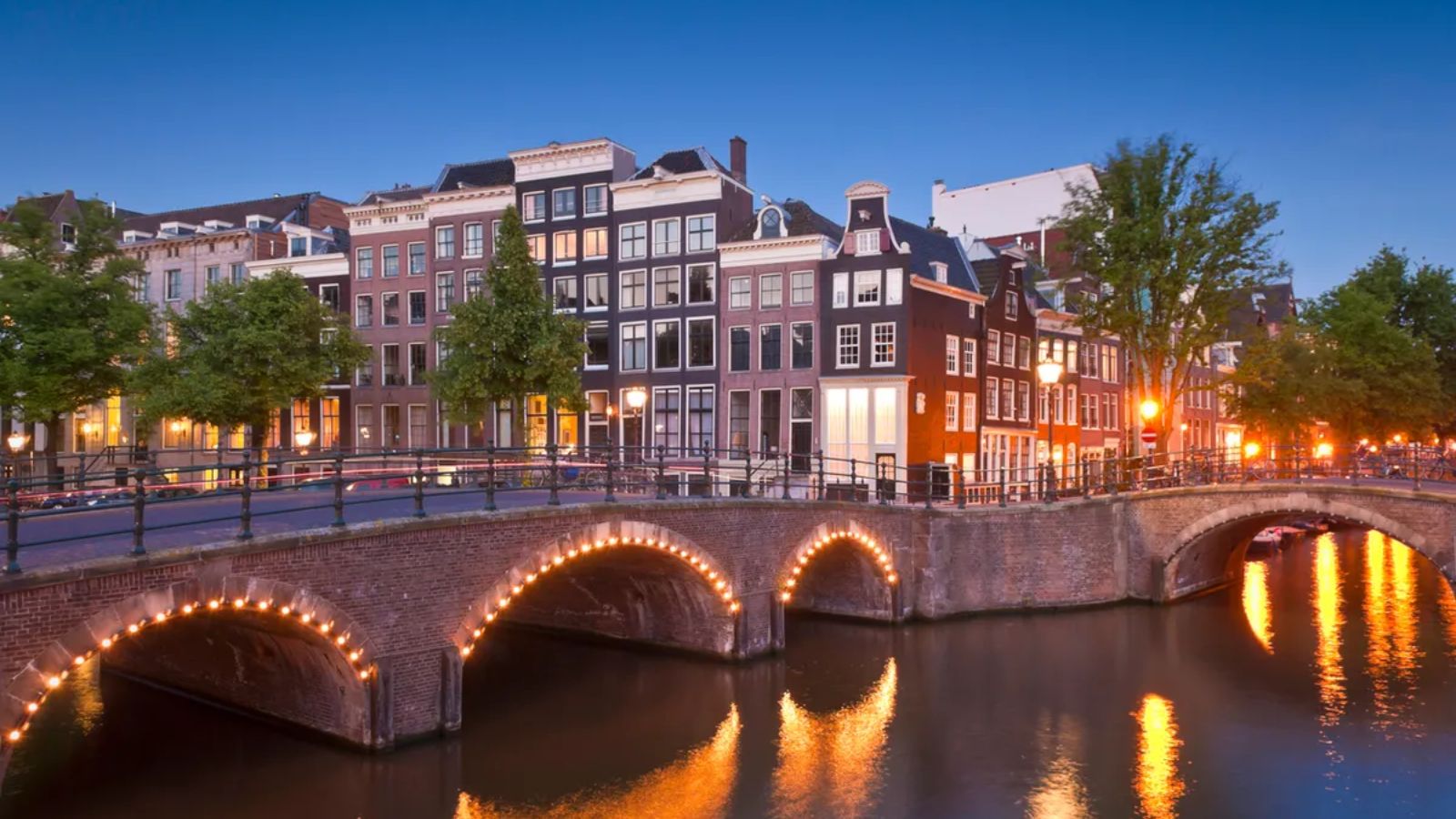
Amsterdam is often considered the capital of the Netherlands due to its cultural and economic importance. However, the country’s political capital is actually The Hague, where the Dutch government resides. While The Hague may hold the governmental power, Amsterdam is the vibrant, artistic city that draws visitors from around the world.
Known for its picturesque canals, historic buildings, and world-class museums like the Van Gogh Museum and the Anne Frank House, Amsterdam is a city that captures the essence of Dutch culture. Its liberal atmosphere, bike-friendly streets, and cultural landmarks make it the true capital in the eyes of many travelers.
Conclusion
In the end, the cities we often think of as capitals may not hold that official title, but their influence is undeniable. Whether it’s the cultural vibrancy of Istanbul, the financial power of New York, or the rich history embedded in the streets of Marrakesh, these cities continue to shape the identities of their nations.
Their significance stretches far beyond politics, becoming symbols of what their countries represent on the global stage. While some of these cities may not have the title of “capital,” they undoubtedly occupy a special place in the hearts of travelers, locals, and even historians. Each one tells its own unique story, woven with layers of tradition, modernity, and unforgettable experiences.
So, next time you’re planning a trip or diving into a conversation about capitals, remember that sometimes the most iconic cities don’t always hold the seat of power. They hold something far more valuable—cultural essence, historical depth, and the magic that makes them unforgettable.