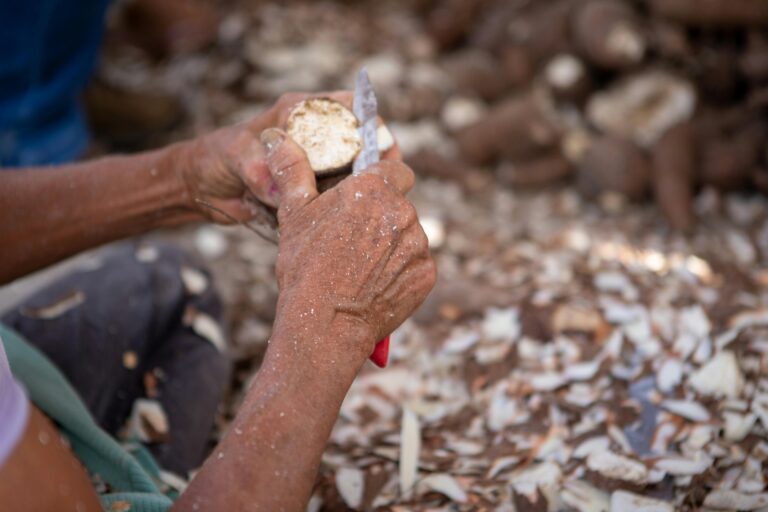
Exploring 10 World’s Weirdest Street Foods: A Culinary Adventure Across Continents

Crowds gather around colorful food stalls at dusk, enjoying a variety of tempting street food options.
Street food provides a captivating window into the heart of a culture. It’s a way of eating that tells the story of the people, their traditions, and the food they love to share with the world.
But while most street food is familiar, there exists a fascinating category of dishes that push the boundaries of what we consider edible.
From bizarre animal parts to fermented delicacies, these strange street foods are as diverse as the countries they hail from.
If you’re a food adventurer eager to taste something new, here’s a deep dive into some of the weirdest street foods from across the globe.
Whether you’re curious about the peculiarities of animal products or intrigued by unique preparation methods, this list showcases the ultimate culinary oddities for the daring traveler.
Balut
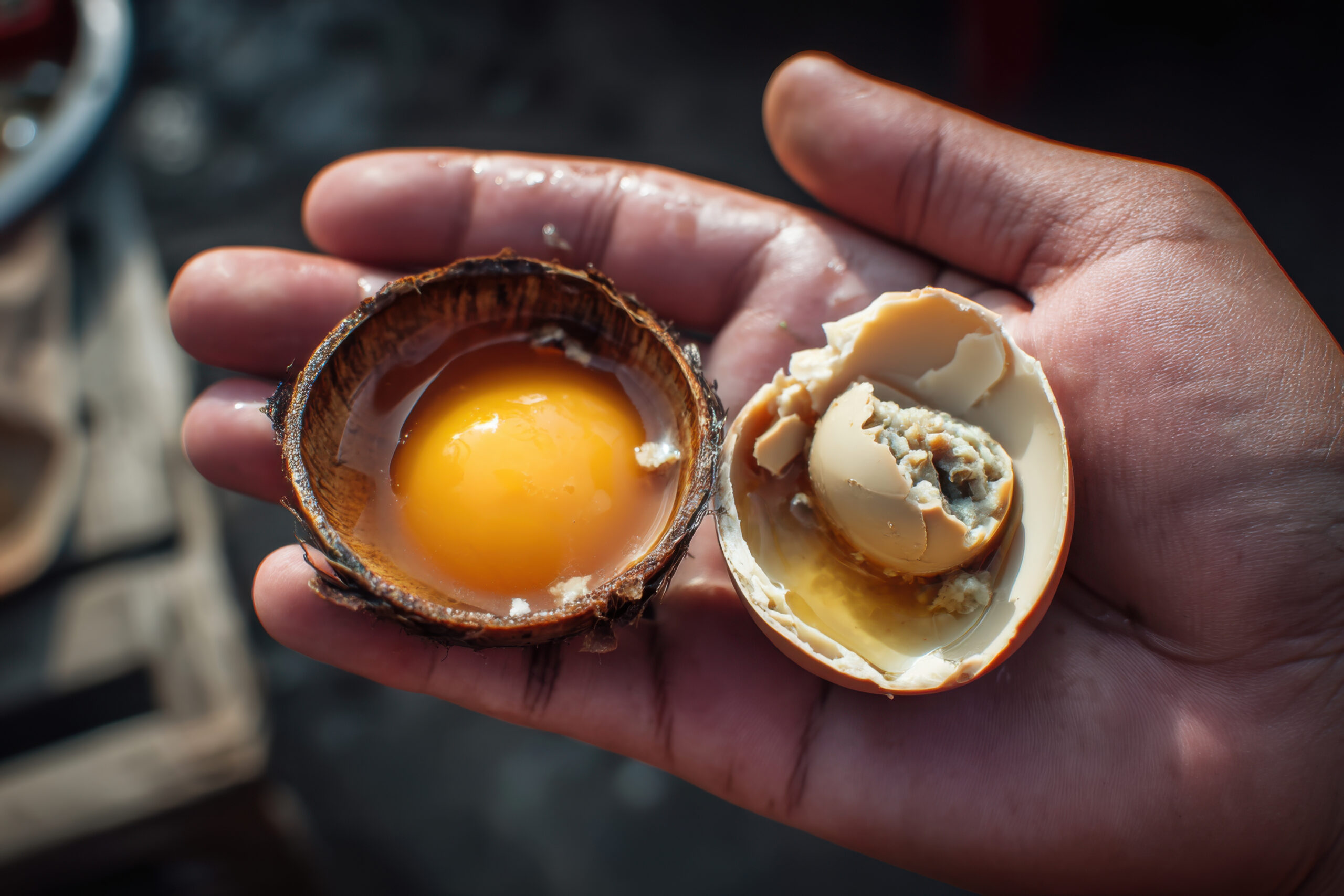
The Unique Experience of Eating a Duck Fetus
A visit to the Philippines wouldn’t be complete without trying balut, a fertilized duck egg that’s been incubated for 17 to 21 days and boiled alive.
When cracked open, the balut reveals a developing duck fetus in the shell, complete with bones, feathers, and a broth that carries its own distinct flavor.
While it might sound unsettling, balut is a highly sought-after snack in the Philippines, often enjoyed with a sprinkle of salt and pepper and a splash of vinegar.
A Cultural Staple
Balut is commonly served by street vendors late at night, and many Filipinos enjoy it as a late-night snack paired with beer.
While many visitors find the idea repulsive, locals swear by its taste, calling it a perfect combination of textures and flavors.
Casu Marzu
A Cheese Infested with Maggots
If you thought that traditional cheeses like Gouda or Brie were exotic, think again. Casu marzu, a Sardinian cheese, is one of the most extreme examples of food prepared with the help of live insects.
This soft, spreadable cheese is made from pecorino that has been deliberately infested by cheese flies.
These flies lay their eggs in the cheese, and when the larvae hatch, they feed on it, contributing to its soft texture and distinctive flavor.
A Banned Yet Sought-After Delicacy
Due to health concerns, casu marzu is illegal in the European Union, but its popularity persists, especially in Sardinia.
Despite its controversial status, this maggot-infused cheese is considered a true delicacy by locals who can sometimes procure it on the black market.
For the adventurous eater, casu marzu provides a rich, albeit repulsive, culinary experience.
Mice Wine
Baby Mice Fermented in Rice Wine
For those who seek to combine the bizarre with the medicinal, Chinese mice wine might be just the thing.
This “health tonic” involves fermenting baby mice in rice wine for a year before it’s consumed.
Believed to have health benefits such as boosting energy and alleviating asthma, the wine is touted for its medicinal properties.
A Strong and Unpleasant Taste
While the idea of drinking a fermented wine with baby mice submerged inside may seem unappealing to many, it remains a niche tradition in certain parts of China.
However, even those who drink it admit that it has a strong, almost gasoline-like taste, making it more of an acquired taste than a sought-after luxury.
Isaw

A Unique Take on Grilled Meats
In the Philippines, isaw is a popular street food made from grilled chicken or pork intestines.
The intestines are cleaned thoroughly, skewered, and grilled to perfection. Often coated with a layer of sweet, spicy sauce, isaw has a chewy texture and a smoky flavor that attracts both locals and adventurous tourists.
A Barbecue Experience Like No Other
Despite the unusual ingredients, isaw is loved by Filipinos and is a common offering at street food stalls throughout the country.
It provides a chewy and satisfying bite, especially when paired with spicy vinegar or soy sauce for extra flavor.
Tuna Eyeballs
Boiled Tuna Eyes: A Cultural Treat
Japan is known for its adventurous approach to seafood, and tuna eyeballs are no exception.
These large, gelatinous spheres are often boiled and served with soy sauce and rice wine.
While they might seem daunting at first, they are considered a delicacy in Japan due to their high omega-3 content.
An Acquired Taste
Tuna eyeballs are said to have a flavor reminiscent of a hard-boiled egg, with a hint of squid.
The texture can be rubbery and chewy, and while the appearance may be unsettling, they provide a rich, umami-filled experience for those brave enough to try them.
Andouillette
A Sausage Made from Pig Intestines
For those who love sausages, andouillette is a must-try, though it has a strong, distinct aroma.
Made from pig intestines, this sausage is notoriously stinky, with a pungent, earthy smell that many find off-putting. It’s often served grilled or fried with a side of mustard or cream sauce, though the odor is not easily masked by condiments.
A Polarizing Delicacy
In France, andouillette is a beloved dish, especially in the regions of Troyes and Paris.
While the smell might be overwhelming for first-timers, aficionados argue that the dish’s strong flavor makes it unique and worth sampling.
Hakarl
The Rotten Shark of Iceland
A dish that’s not for the faint of heart, hakarl is made from Greenland shark, which is toxic when eaten fresh due to its high urea content.
The shark is fermented for several months to make it safe for consumption, resulting in a strong, ammonia-like odor that makes the dish infamous worldwide.
An Acquired Taste with a Strong Smell
Once fermented, hakarl is cut into cubes and served as a snack, often with a shot of Icelandic brennivin (a local schnapps) to wash down the pungency.
While many find the taste unpleasant, it remains a traditional part of Icelandic cuisine and a challenging rite of passage for those who want to explore the local food culture.
Rocky Mountain Oysters
A Delicacy of Deep-Fried Animal Organs
Despite the name, Rocky Mountain oysters are not seafood at all. In fact, they are deep-fried bull, pig, or sheep testicles, often breaded and served with hot sauce or ranch dressing.
This unique dish is popular in Western states like Colorado and Wyoming, where it has become a regional specialty.
A Bizarre Dish with Historical Roots
Rocky Mountain oysters were traditionally eaten by ranchers who needed to use every part of the animals they raised.
Today, they’re often served at local festivals or restaurants as a novelty food, though animal rights activists continue to protest their consumption due to the practice of castrating animals.
Mopane Worms
A Snack from the African Bush
In Zimbabwe, mopane worms are a traditional street food that packs a protein punch. These large caterpillars are harvested from the mopane tree, where they feed on the leaves before being fried or dried.
Despite their insect-like appearance, mopane worms are considered a delicacy and a nutritious snack.
A Unique Flavor Experience
When prepared, mopane worms have a chewy texture and a flavor that is often described as similar to chicken.
They are frequently eaten as a snack or used in stews and other dishes. For many visitors, eating mopane worms is both a challenge and an unforgettable cultural experience.
Worms and Other Insects
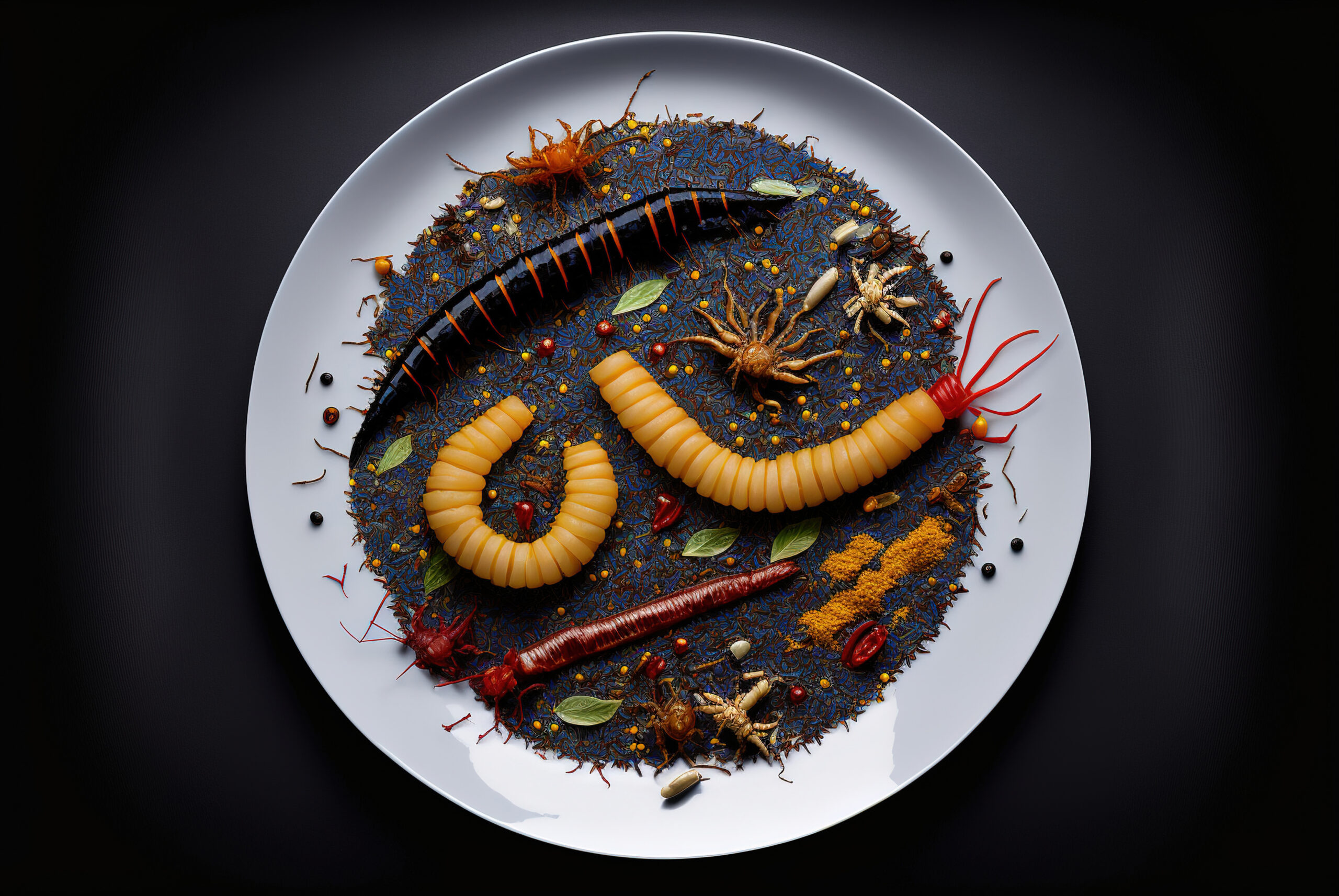
Edible Insects Around the World
While eating insects might sound strange, many cultures around the world have embraced them as a source of protein.
In countries like Thailand, Mexico, and parts of Africa, insects such as crickets, grasshoppers, and ants are commonly eaten, either fried or roasted, or used as ingredients in traditional dishes.
A Sustainable Alternative to Meat
With the growing concern over the environmental impact of meat production, edible insects are gaining attention as a sustainable alternative.
High in protein, healthy fats, and essential vitamins, insects may become an increasingly popular food source in the coming years.
Whether eaten as a snack or as part of a meal, insects provide a surprising and sustainable culinary experience.
Conclusion
From maggot-infested cheeses to deep-fried testicles, the world of street food is full of strange and fascinating dishes that defy convention.
Whether you find yourself in the bustling markets of Manila, the coastal streets of Sardinia, or the rugged landscapes of Zimbabwe, these oddities offer a unique opportunity to experience a place’s culture and traditions through its food.
For the daring eater, the rewards of trying these weird street foods can be as fulfilling as the stories they tell.