


This article was originally published on Crafting Your Home. A human contributor also wrote and edited the post.
Grief has a strange way of making ordinary conversation feel dangerous. We want to comfort someone who has lost a spouse, parent, child, sibling, friend, or other loved one, but suddenly every familiar phrase sounds too small for what has happened.
That discomfort can tempt us to reach for reassuring clichés. The problem is that grief does not follow a neat timetable, and people can experience sadness, anger, guilt, confusion, yearning, anxiety, and even moments of relief after a major loss. The American Psychological Association describes grief as a response that can affect people emotionally and physically, while the National Institute on Aging stresses that everyone grieves differently.
Sometimes the kindest thing we can do is stop trying to repair the pain and acknowledge it. Here are 10 phrases we should think twice about saying to someone who is grieving, along with words that may offer more genuine comfort.
“Everything Happens for a Reason”
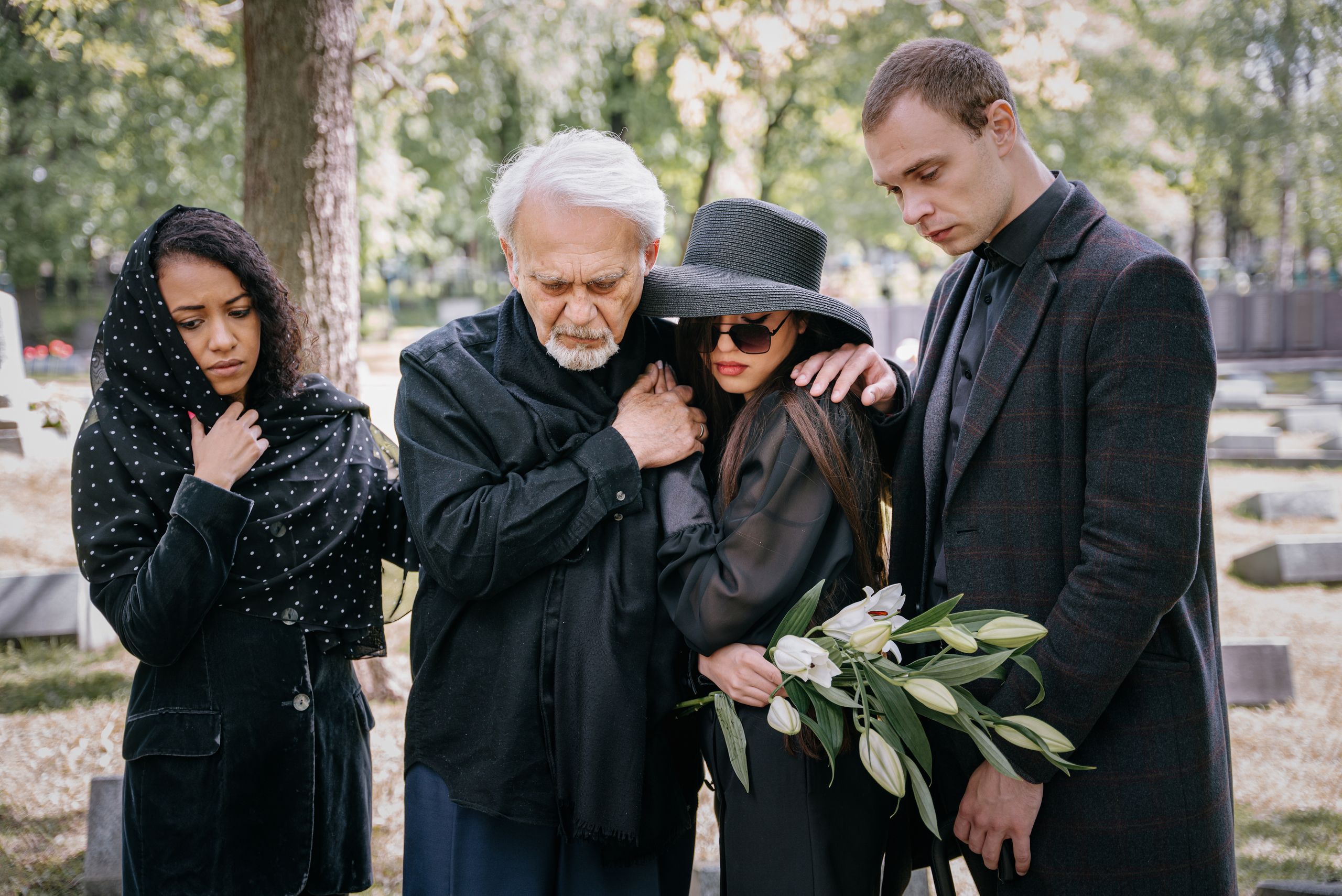
We may say this because we desperately want suffering to make sense. To someone whose life has just been torn apart, however, it can sound like we are explaining away something devastating.
Grief does not always need an explanation. Often, recognition is more comforting. We can say, “I’m so sorry this happened,” and allow the person to decide what meaning, if any, the loss eventually holds for them.
“They’re in a Better Place”
For some people, this statement fits deeply held spiritual beliefs. For others, it may feel dismissive, particularly when all they want is their loved one back.
We do not need to make assumptions about another person’s faith or beliefs about death. A safer response is to acknowledge the relationship directly: “I know how much you loved them. I’m here with you.”
“At Least They Lived a Long Life”
A long life does not make losing someone painless. A 90-year-old parent can still be the person someone called every morning, visited every weekend, or relied on for advice.
When we begin a condolence with “at least,” we risk turning grief into a math problem. The number of years someone lived does not determine the size of the hole they leave behind.
“You Need to Be Strong”

Grieving people already spend enormous energy getting through ordinary tasks. Asking them to stay strong may unintentionally suggest that crying, struggling, or admitting fear is weakness.
There is no single correct emotional response to bereavement. The National Institute on Aging notes that people may experience emotions including anger, guilt, and sadness after a death. We can give someone permission to feel rather than another expectation to meet.
“I Know Exactly How You Feel”
We may have experienced a similar death, but no two relationships are identical. Losing our father does not automatically mean we understand another person’s experience of losing theirs.
Instead of comparing losses, we can listen. Guidance for supporting bereaved people emphasizes attentive listening and acknowledging grief rather than assuming we understand it completely. Saying, “I can’t know exactly how this feels for you, but I’m here,” leaves room for their story.
“You Have to Move On”
Grief is not a waiting room people eventually walk out of. A person may return to work, laugh again, travel, date, celebrate birthdays, and build a meaningful life while still missing someone who died.
The APA notes that grief can have ups and downs and may continue for years. We should not mistake visible functioning for the disappearance of grief.
