7 Everyday Spending Habits That Lead to Financial Struggles

Image Credit: Karola G via Pexels
Financial stress affects individuals across all income levels. It’s not always about earning more, but about how we manage what we earn. Everyday spending habits, often overlooked and treated as small, harmless choices, quietly drain our financial health.
Understanding these common habits and making intentional adjustments can help you build a stronger financial foundation. Here are the most common spending pitfalls.
Treating Windfalls as “Free Money”

Tax refunds, bonuses, or cashback rewards often feel like “extra” money, so people are more likely to spend them impulsively. Behavioral economics suggests this is due to the “house-money effect,” where windfalls are treated with less caution than regular income.
The Impact of Small Purchases
A latte here, a quick snack there, and maybe an impulse online purchase. At first glance, these seem insignificant. But research consistently shows how these “small” purchases can add up to hundreds, even thousands of dollars each year.
The University of Chicago Booth School of Business found that people dramatically underestimate the true cost of these repeated expenditures. Over time, small indulgences like this create a pattern of financial leakage. The key to addressing this is awareness and tracking.
Lifestyle Inflation After Every Raise
It’s common to feel a sense of accomplishment with each salary increase, but unfortunately, this often leads to a habit known as lifestyle inflation. Instead of saving or investing the extra income, many people start upgrading their lifestyle; new car payments, bigger apartments, or more expensive subscriptions. This ultimately leaves you stuck in the paycheck-to-paycheck cycle, no matter how high your income rises.
Avoiding Budgeting Because It Feels Restrictive
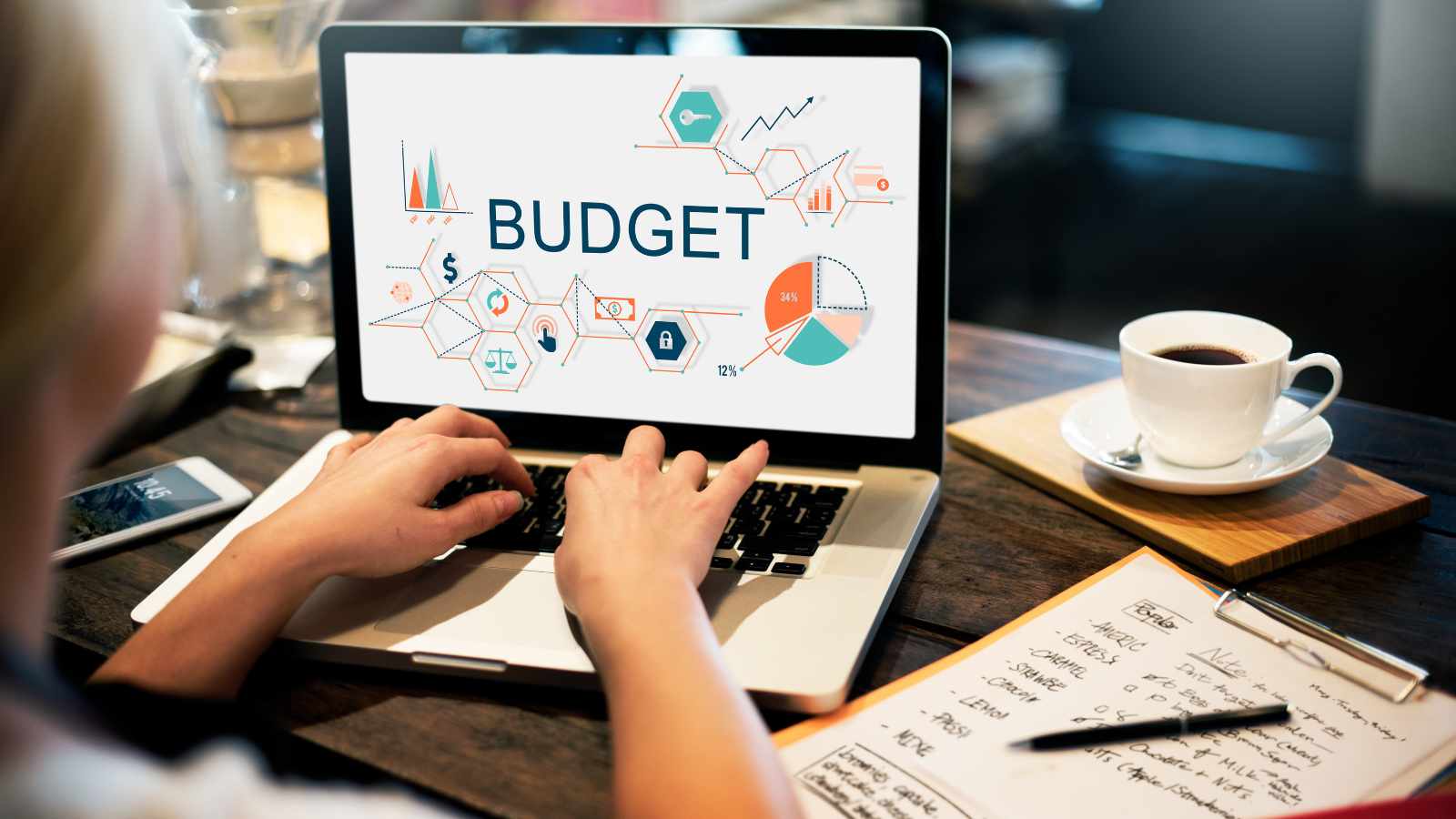
Many people resist creating a budget because they associate it with restriction and sacrifice. However, studies show that awareness actually reduces financial anxiety, even before making any behavioral changes. Budgeting doesn’t mean you can’t enjoy life; it simply gives you control over your financial decisions.
Relying on Credit Cards for Everyday Expenses
While credit cards can be a valuable tool for managing cash flow, using them for regular purchases like groceries, gas, or utilities can be financially harmful. According to the Consumer Financial Protection Bureau, revolving credit card balances can quickly snowball into long-term debt, and high interest rates make it even harder to break free.
Ignoring Subscription Creep
Many of us have multiple subscriptions that we barely notice anymore: streaming services, fitness apps, cloud storage, and delivery memberships. A study by C+R Research found that consumers often underestimate their subscription costs by more than 100%, forgetting about half of the services they pay for each month.
Ignoring Irregular Expenses

Car repairs, medical bills, school fees, gifts; these are all predictable, yet many people fail to account for them when setting up a budget. As a result, when these expenses hit, they lead to overspending and financial setbacks.
Key Takeaways
Financial success isn’t about making huge changes all at once. It’s about being mindful of the small, everyday decisions that affect your long-term financial health. By identifying and adjusting these common spending habits, you can build a more stable, secure financial future. Start with small changes, stay consistent, and watch your financial situation improve over time.