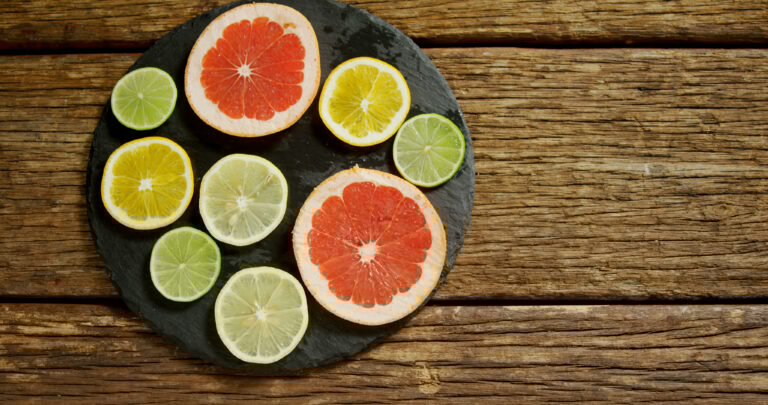
Everyday Foods You Should Avoid Microwaving

Microwaves are lifesavers on busy nights, but they also have a sneaky dark side. They’re behind a significant source of burn injuries, kid accidents, and even kitchen fires—around 4% of all U.S. cooking-related house fires, according to the National Fire Protection Association. I’ll admit it: I’ve shoved leftovers into that humming box more times than I can count, usually without a second thought.
Sometimes it’s pure convenience, and other times it’s just curiosity. But here’s the thing: not all foods handle microwave heat gracefully, and some can even become dangerous, cause a fire, or totally ruin their flavor. Let’s take a look at the everyday foods you might want to rethink heating this way.
Eggs In Their Shell
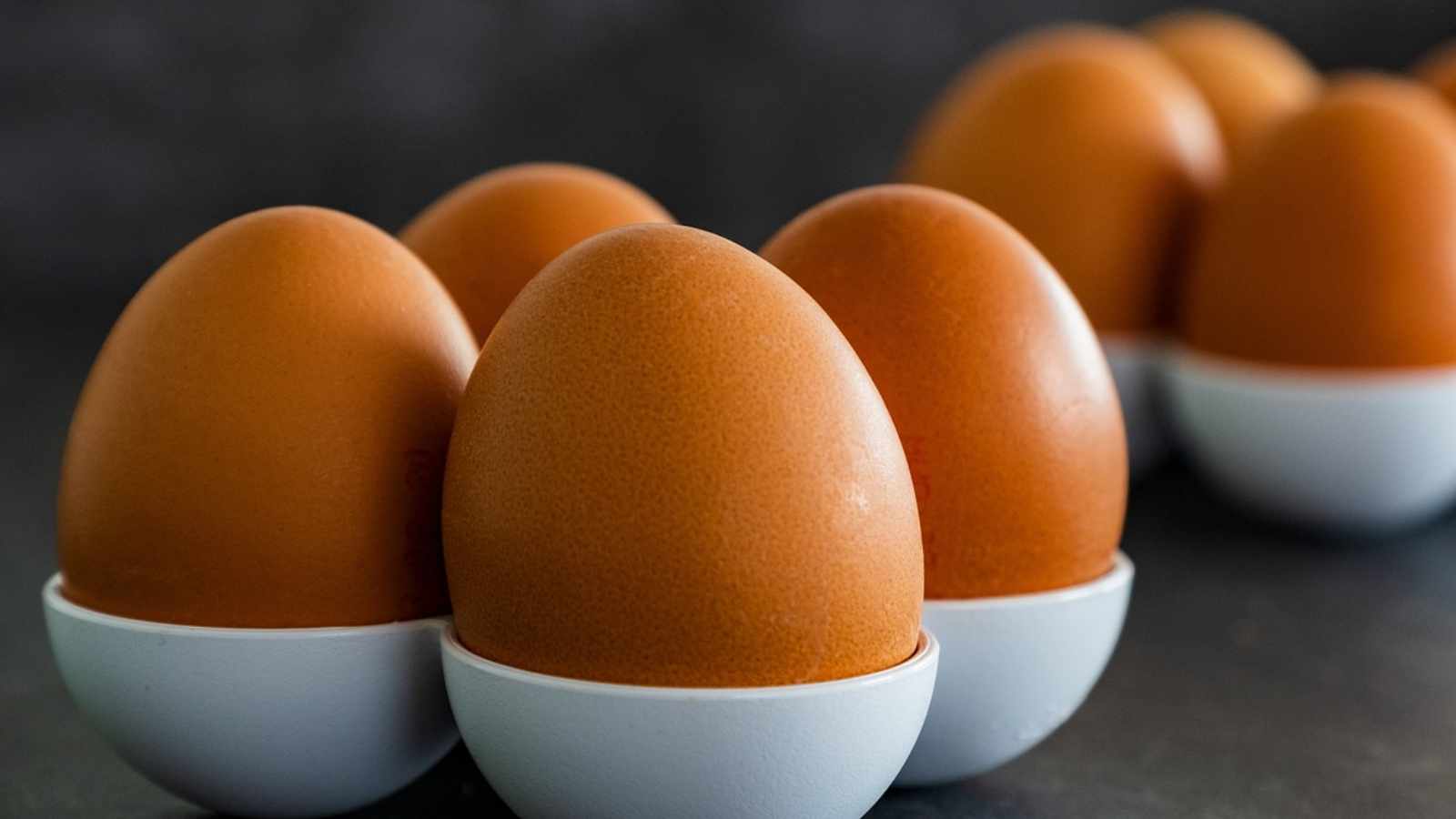
Microwaving eggs in their shell is a recipe for a sudden, messy explosion. Heating an egg in its shell causes steam to build up faster than it can escape.
It’s not just inconvenient—it can also be dangerous if the pressure causes the egg to burst unexpectedly. A safer method is to cook eggs in a bowl or use boiling water for hard-boiled eggs.
Grapes
It sounds strange, but microwaving grapes or some whole fruits can actually create tiny sparks or even small explosions. Grapes are almost the perfect size to act like tiny resonators for microwave radiation. When microwaves hit them, the energy gets trapped and concentrated inside the fruit.
At that hotspot, water molecules break apart into ions and free electrons. This ionized gas is plasma, the same state of matter found in lightning, flames, and stars. The plasma glows and can look like sparks or a tiny fireball. It’s visually dramatic but can also damage your microwave.
Hot Peppers
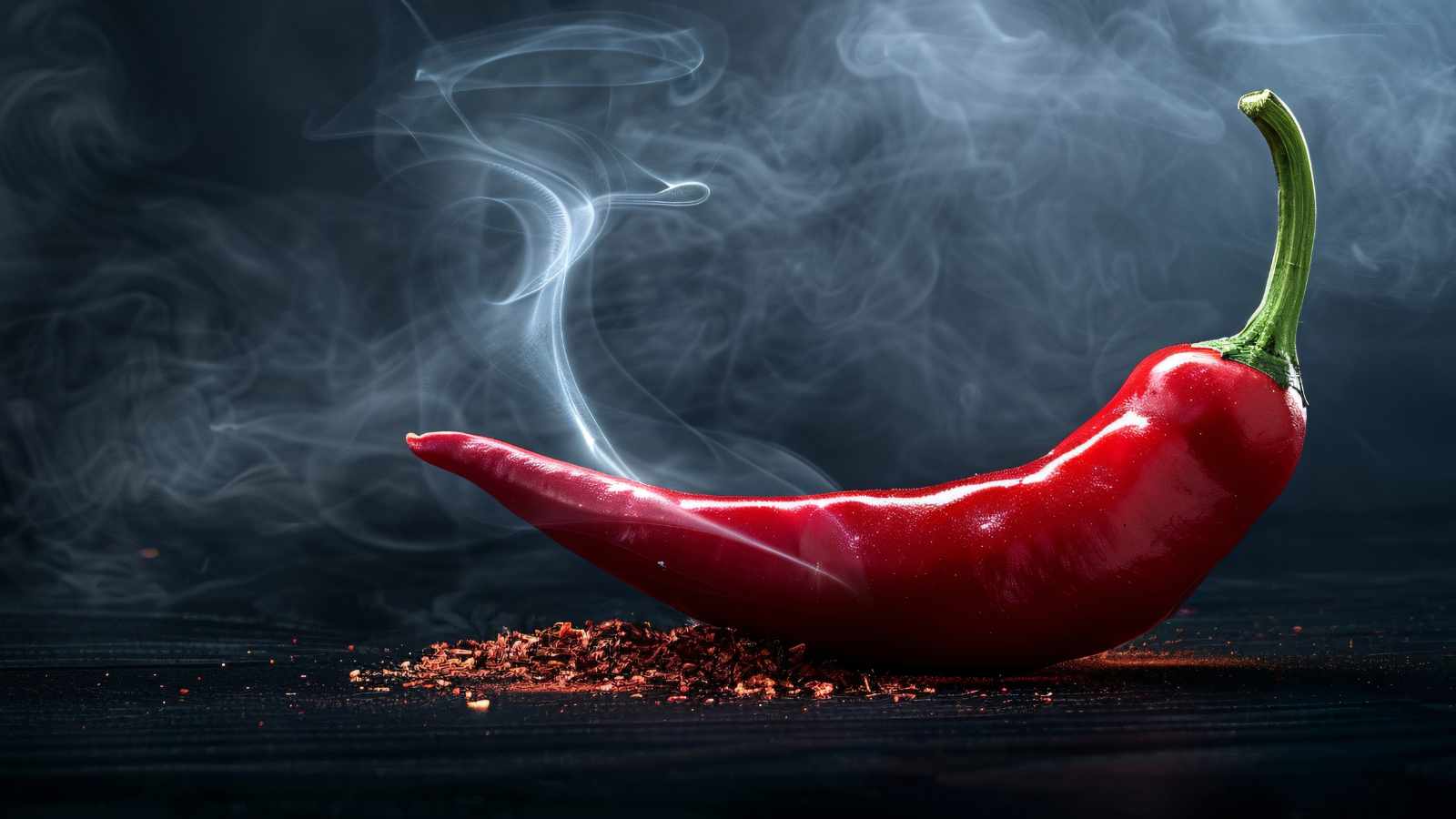
Microwaving hot peppers releases concentrated capsaicin, the compound that makes them spicy, into the air. Inhaling the fumes can irritate your eyes, throat, and lungs, leaving you coughing or tearing up unexpectedly.
Capsaicin is volatile and spreads quickly, which means a small pepper can feel much hotter in a confined space. Using a stovetop or oven, or handling peppers with gloves, keeps the heat under control.
Processed Meats
Processed meats like hot dogs, sausages, or deli cuts can change in texture when microwaved. Uneven microwave heating can create hot spots, potentially harboring bacteria while overcooking other areas.
Have you ever bitten into a leftover sausage that was rubbery on the outside but cold inside? These foods heat more evenly on the stovetop or in an oven, preserving flavor and safety. It’s also a chance to skip that microwave chewiness entirely.
Leafy Greens And Spinach
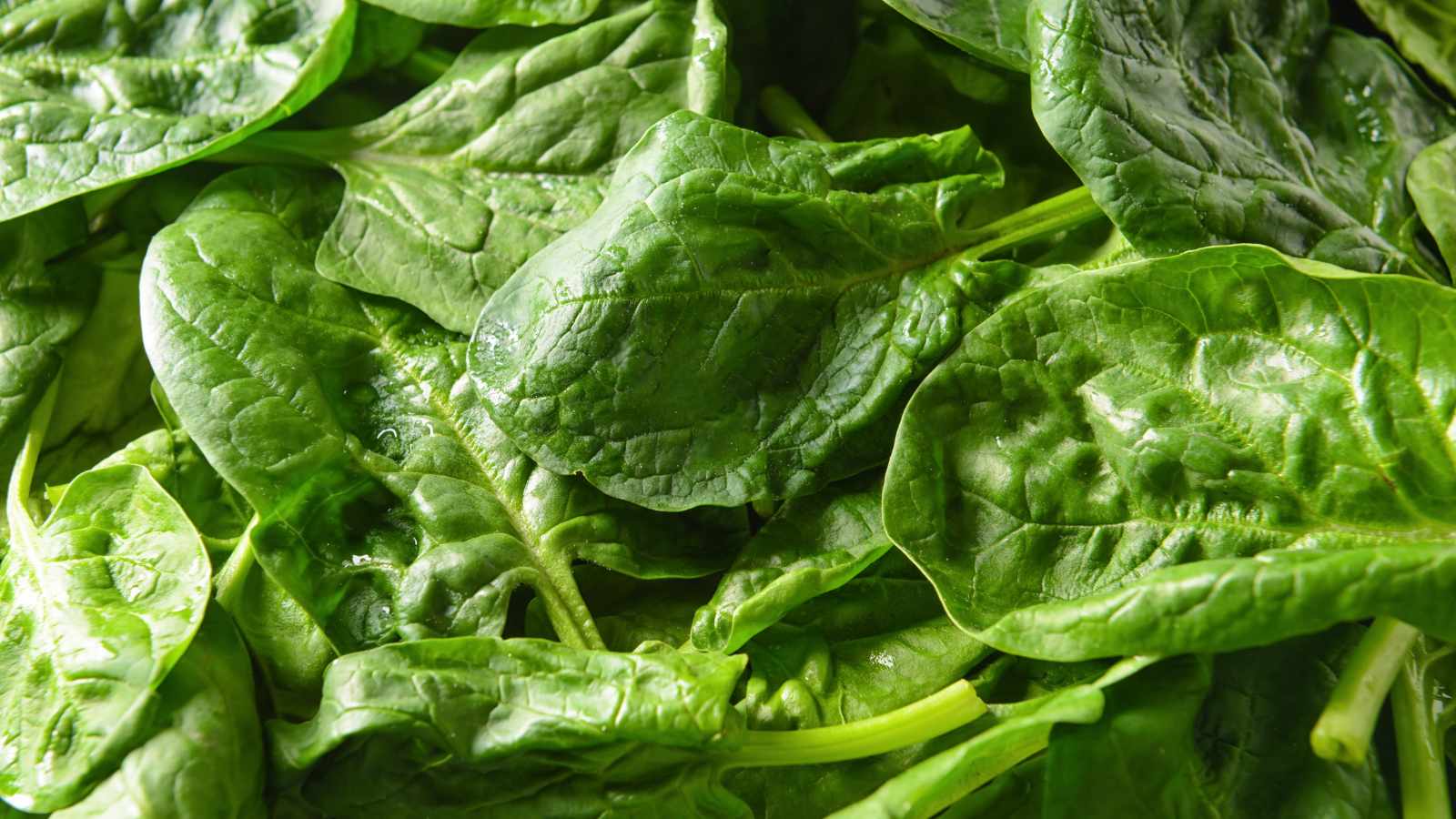
Spinach naturally contains high levels of nitrates, which are generally safe in raw or lightly cooked forms. However, studies show that microwaving can leave nitrates essentially unchanged. At high temperatures, high nitrate levels can form compounds that may affect blood pressure or pose health risks, especially for infants.
Microwaving also tends to make the leaves rubbery and less appetizing. A safer, tastier approach is to steam or blanch spinach on the stovetop.
Key Takeaways
Microwaves are convenient, but some foods don’t play nicely with high-intensity heat. Eggs, leafy greens, hot peppers, processed meats, and certain fruits can become unsafe, lose flavor, or cause messy accidents.
Understanding which foods to avoid nuking helps protect your health and your kitchen. Taking a few extra minutes with alternative cooking methods can make meals safer, tastier, and way less stressful.
Read the original article on Crafting Your Home