5 Dos and 5 don’ts when it comes to kitchen safety

Image Credit: wavebreakmediamicro via 123RF
The kitchen is the heart of any home, where culinary creativity unfolds, and families gather around for delicious meals. However, it’s also a place where accidents can happen if proper precautions aren’t taken. Whether you’re a seasoned chef or a beginner cook, kitchen safety is paramount to ensure a smooth and accident-free cooking experience.
This guide outlines the essential dos and don’ts of kitchen safety, empowering you to make informed decisions and maintain a safe environment for yourself and your loved ones.
Do Wash Your Hands Properly

Handwashing is the first line of defense against germs, bacteria, and foodborne illnesses. The importance of hand hygiene cannot be overstated, especially when handling raw foods like poultry, fish, or vegetables. Always wash your hands with soap and water for at least 20 seconds, making sure to clean your nails and the areas between your fingers.
The Centers for Disease Control and Prevention (CDC) emphasizes that improper handwashing can lead to the spread of harmful pathogens like E. coli and Salmonella. When preparing meals, you’re not just protecting yourself but also safeguarding your family from potentially serious health issues.
So, make a habit of washing your hands before and after handling food, especially raw meat or poultry.
Don’t Work in a Cluttered Kitchen
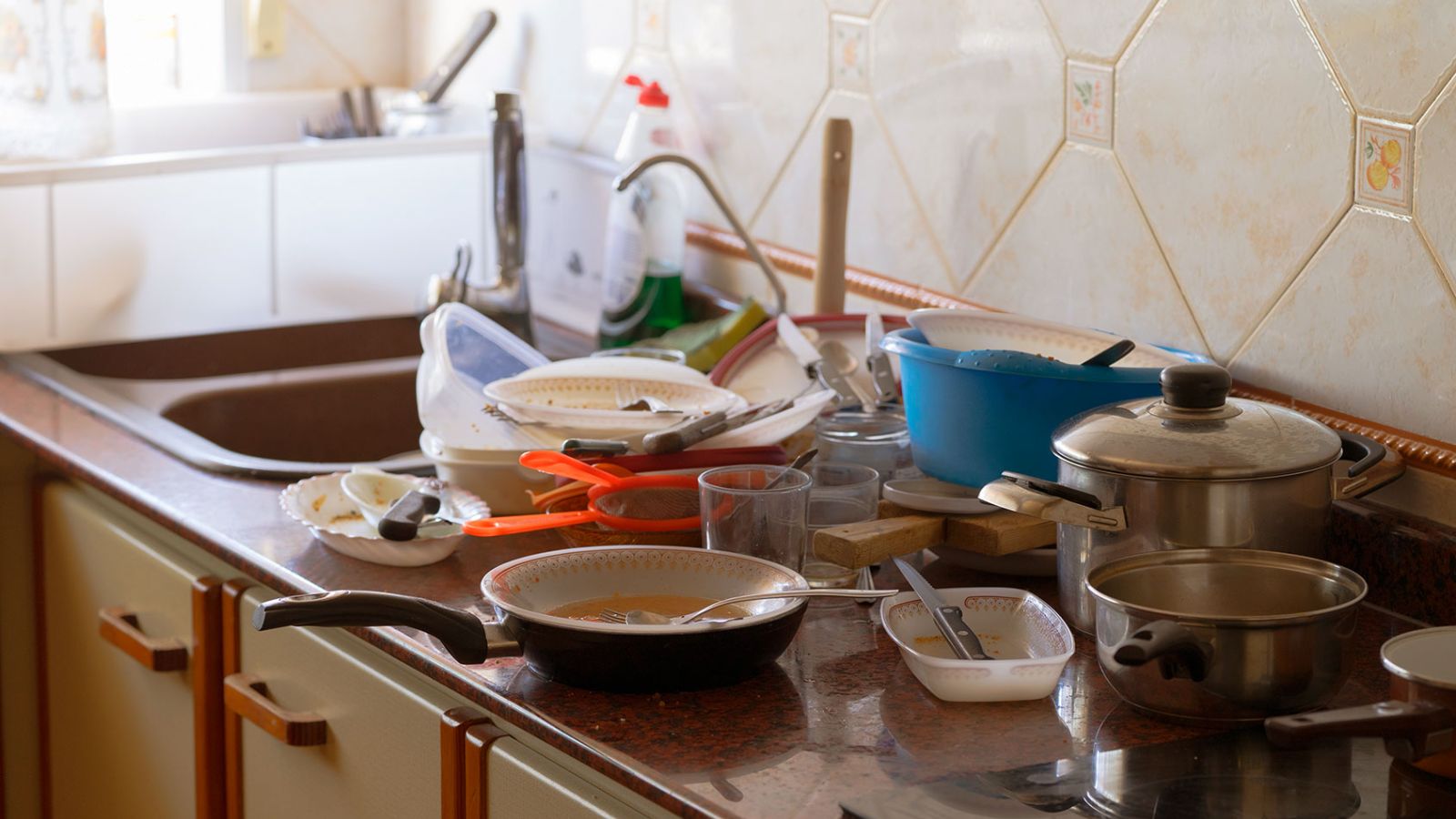
A cluttered kitchen is a dangerous kitchen. While it may seem harmless to leave a few utensils or ingredients out, disorganization can lead to accidents. Knives and sharp objects can be hidden under piles of dishes or boxes, leading to unintentional cuts and injuries. A tidy, organized kitchen ensures that all tools and ingredients are easily accessible and that you can work without distraction.
Additionally, clutter around the stove can increase the risk of fires. Towels, oven mitts, or other flammable items left too close to hot surfaces can easily catch fire. Always ensure your cooking area is clear and free of unnecessary objects before you start.
Do Understand How to Prevent Food Contamination
Foodborne illnesses are a significant concern in the kitchen, and understanding how to prevent contamination is crucial. Cross-contamination occurs when bacteria from raw meats or unwashed produce spread to other foods, utensils, or surfaces.
To prevent this, always use separate cutting boards for meats and vegetables.
After handling raw meat, thoroughly wash your hands, knives, and cutting boards before proceeding with other ingredients. Store raw meats in leak-proof containers in the refrigerator to prevent juices from contaminating other foods.
By following these simple steps, you can reduce the risk of foodborne illnesses like Salmonella and E. coli.
Don’t Use the Same Towel for Multiple Tasks
A kitchen towel that’s used to wipe hands, countertops, and surfaces can easily spread germs. After using a towel, wash it immediately, or better yet, designate specific towels for different tasks. For example, use separate towels for drying hands, wiping down surfaces, and cleaning spills.
This minimizes the chance of cross-contamination and ensures your kitchen stays sanitary.
Do Keep Knives Sharp
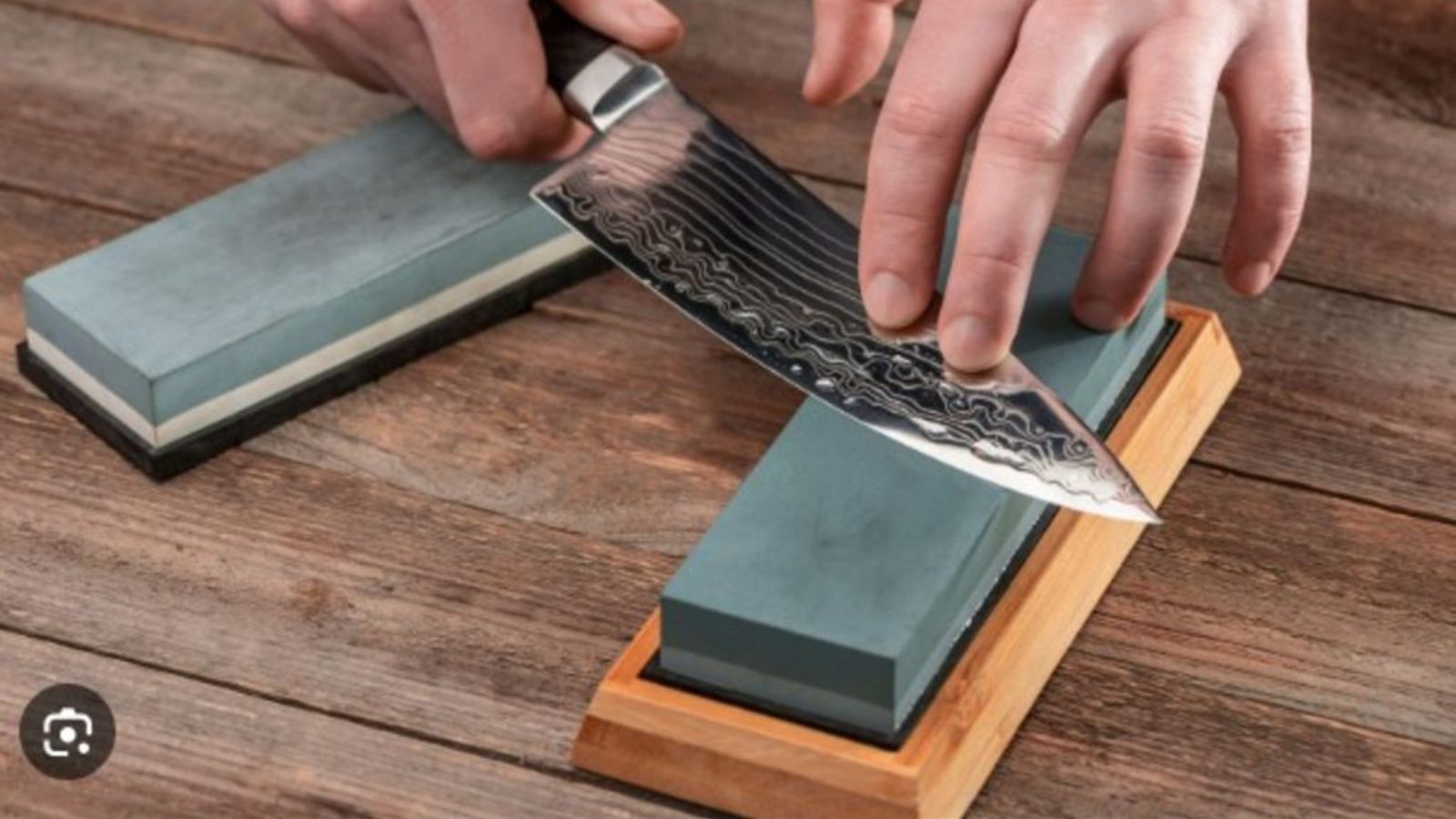
A sharp knife is not only safer but also more efficient. Contrary to popular belief, a dull knife is actually more dangerous than a sharp one. When a knife is dull, you have to apply more pressure to cut, which increases the risk of the knife slipping and causing injury.
A sharp knife, on the other hand, makes precise cuts with less force, reducing the likelihood of accidents.
To maintain your knives, regularly hone them with a sharpening steel and occasionally get them professionally sharpened. Always store knives in a designated block or drawer to keep them safe from damage and to avoid accidents when reaching for them.
Don’t Leave Knives Out in the Open
While it may be convenient to leave knives on the countertop or in drawers, this can pose a serious safety hazard, especially if you have children in the house. Knives should always be stored securely, whether in a knife block, drawer, or magnetic strip that keeps them out of reach.
This prevents accidental cuts or injuries from knives being accidentally grabbed or fallen.
Do Know When to Seek Treatment for Burns
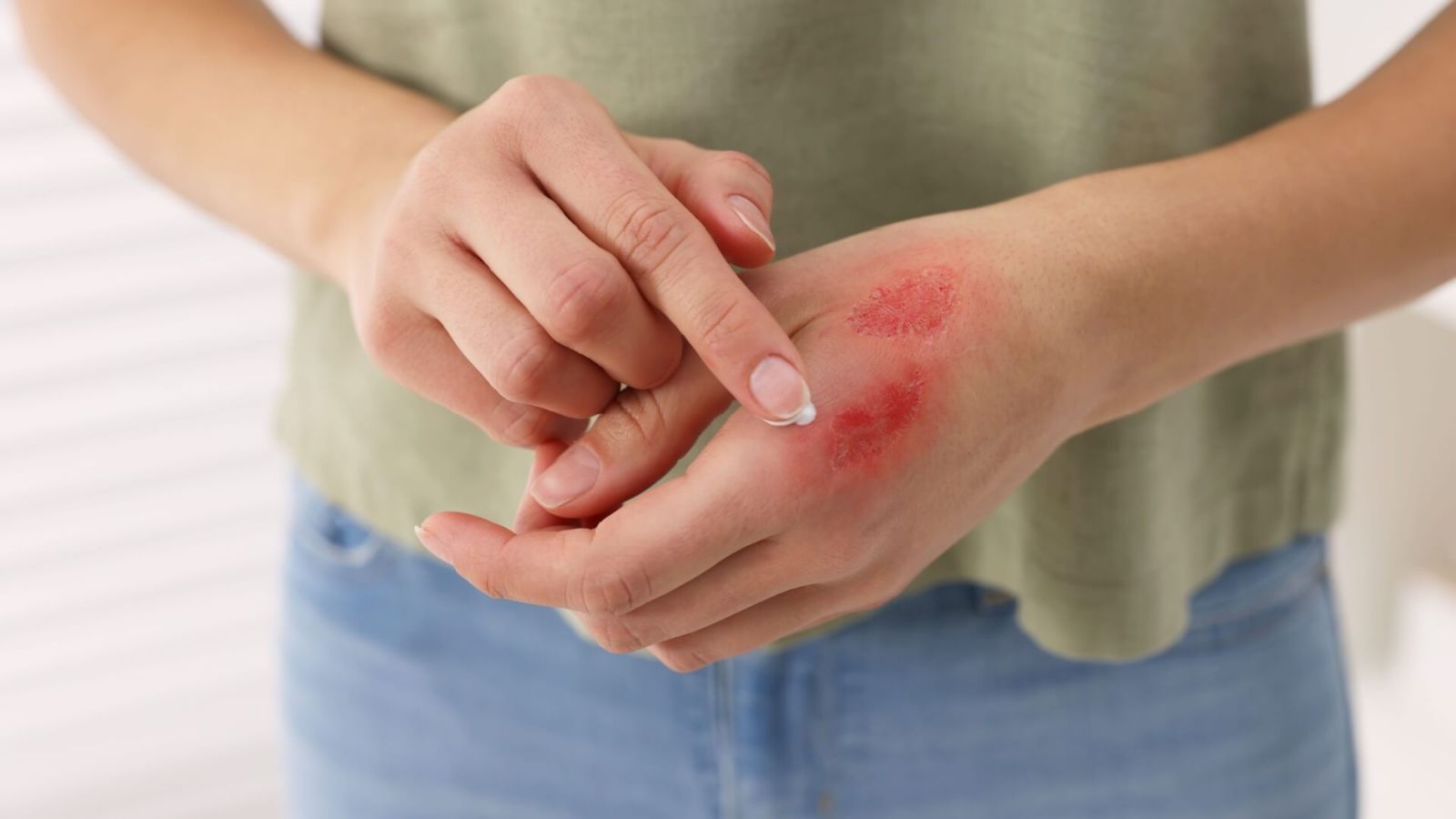
Burns are common in the kitchen, but not all burns require immediate medical attention. Small burns, such as those caused by hot surfaces or liquids, can usually be treated at home with cold water and over-the-counter creams. However, if the burn is larger than the size of your palm, or if blisters form, it’s essential to seek professional medical care.
In the case of third-degree burns, where the skin is charred or white, immediate medical attention is crucial.
Don’t Use Old Oven Mitts or Pot Holders
Oven mitts and pot holders protect you from burns, but they lose their effectiveness over time. As they age, the material can wear thin, leaving your hands vulnerable to heat. It’s important to inspect your oven mitts regularly for signs of fraying or damage.
If they no longer provide adequate protection, replace them with new, high-quality mitts that can withstand high temperatures.
Do Establish a Safe Zone for Children
If you have young children at home, it’s essential to establish a safe zone around the stove. A three-foot “safe zone” will ensure that children are kept at a safe distance from hot surfaces and cooking tools. Allowing kids to help in the kitchen can be a fun bonding experience, but it’s important to supervise them closely and teach them kitchen safety from a young age.
Avoid holding children in your arms while cooking, as this increases the risk of burns and accidents. Instead, make sure they are standing or sitting in a safe space, far enough away from hot surfaces and sharp objects.
Don’t Try to Extinguish a Large Fire
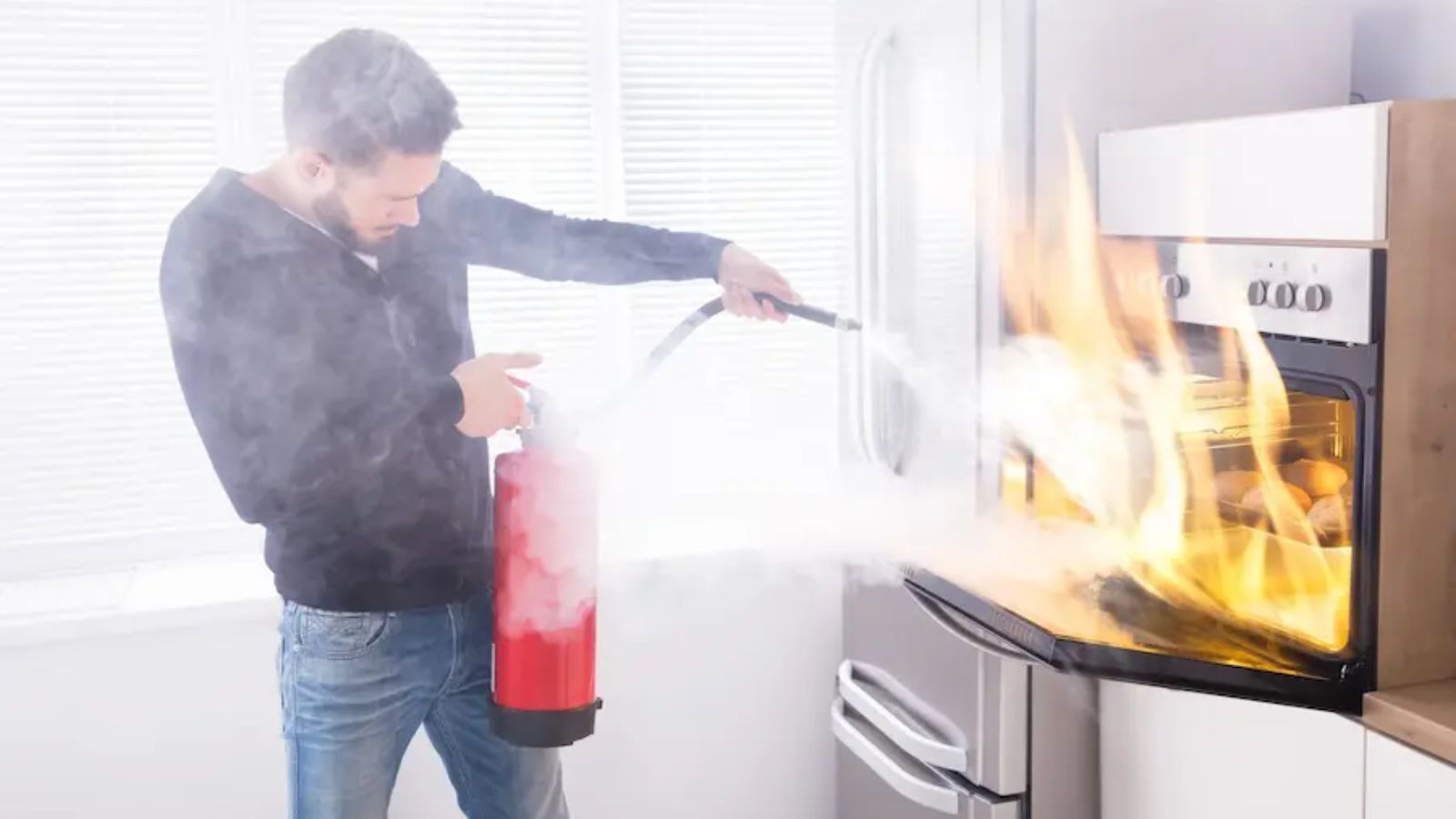
Kitchen fires are a serious concern, and knowing how to handle them is critical. If a fire occurs on the stovetop, the best course of action is to cover the pot with a lid or baking sheet to cut off the oxygen supply. Turn off the heat and allow the fire to smolder out. If the fire spreads to the oven, leave the door closed and turn off the appliance.
Opening the oven door allows oxygen to fuel the fire, making it worse. In the event of a large fire, never attempt to extinguish it yourself. Evacuate everyone from the home and call 911 immediately. Cooking-related fires are one of the leading causes of residential fires, so it’s crucial to know when to seek help.
Conclusion
Kitchen safety is about more than just preventing accidents; it’s about creating an environment where cooking is enjoyable and, most importantly, safe. By following these dos and don’ts, you’ll be equipped to minimize risks and avoid common kitchen hazards. Proper handwashing, maintaining a clutter-free workspace, using sharp knives, and knowing how to handle fires and burns are all essential elements of kitchen safety.
Remember that cooking should be a fun and rewarding experience for you and your loved ones. By taking the necessary precautions and making safety a priority, you can ensure that every meal is a delicious success without the risk of injury. Be proactive in maintaining a safe kitchen environment, and teach your family members the importance of safety while cooking.
A little awareness and preparation can go a long way in keeping everyone safe and sound.