Don’t Let Frost Kill Your Plants, Use These Winter Covers
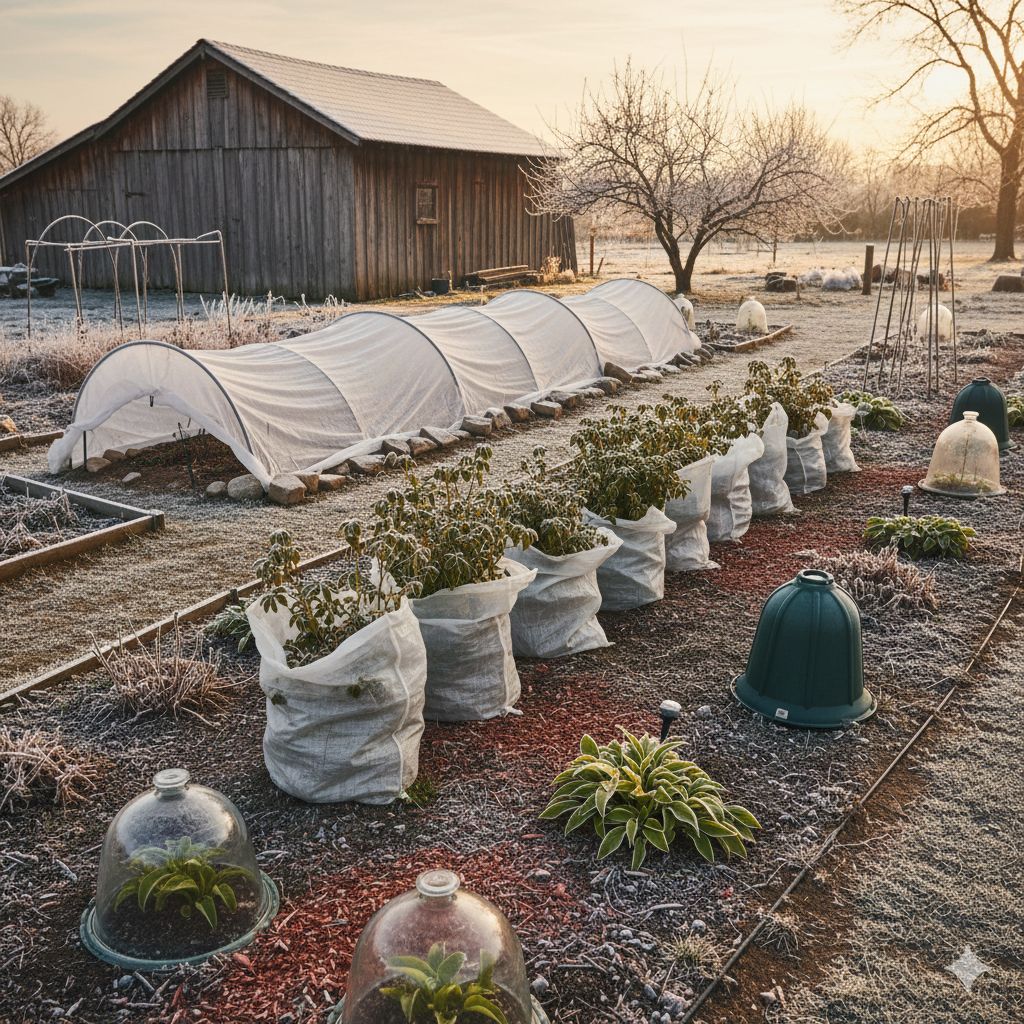
As the cold weather approaches, ensuring that your garden is properly protected from frost, snow, and fluctuating temperatures is essential for maintaining the health of your plants.
Plant covers act as a shield, safeguarding trees, shrubs, flowers, and edibles from the harsh winter conditions. They are particularly crucial for tender plants that may not naturally tolerate freezing temperatures.
In this detailed guide, we’ll explore various plant cover options, offering a comprehensive breakdown to help you select the best solutions for your garden.
Why Are Plant Covers Essential for Cold Protection?
As temperatures drop and the first frost sets in, many plants, especially those that are frost-sensitive, become vulnerable to cold stress. Frost can damage plant tissues, cause water to freeze within the cells, and disrupt vital biological processes.
This can result in stunted growth, dieback, or even plant death. Furthermore, some plants may suffer from winter burn, a condition caused by excessive sun exposure, wind, and lack of moisture.
Using plant covers helps mitigate these risks by providing insulation, reducing moisture loss, and shielding plants from harmful elements like pests, wind, and direct exposure to freezing temperatures. Plant covers can also extend the growing season, allowing you to harvest crops like leafy greens or preserve the health of your ornamental plants.
Types of Plant Covers for Winter Protection
Row Covers

Row covers are some of the most popular and versatile plant covers available. These covers can be made from a variety of materials such as fleece and plastic, each offering different benefits depending on your garden’s needs.
Fleece Row Covers
Fleece covers are a lightweight, breathable fabric that helps retain heat while allowing moisture and air to circulate.
These covers are ideal for providing gentle frost protection and are often used to extend the growing season for crops like lettuce, spinach, and kale. Fleece is also great for protecting plants from wind damage.
Since it doesn’t trap as much heat as plastic, it’s suitable for climates where temperature fluctuations aren’t extreme.
Plastic Row Covers
Plastic row covers are designed to provide a greenhouse-like effect by trapping heat. They are perfect for more extreme cold weather, as the plastic creates a warmer microclimate underneath.
These covers are transparent, which allows sunlight to penetrate and warm up the plants, making them especially useful for early spring or late fall gardening. However, plastic covers can also overheat in warmer conditions, so monitoring is necessary to avoid causing plant stress.
Best For: Extending the growing season, protecting frost-sensitive crops, and managing pests.
Recommended Product: AgFabric Floating Row Cover is available in various sizes, offering excellent protection against pests, wind, and light frosts.
Tree Wraps
For young trees and those with thin bark, tree wraps are a reliable way to prevent winter damage. Thin-barked trees, such as young fruit trees or ornamental trees, are more prone to cracking and splitting when exposed to rapid temperature changes during the winter.
Tree wraps are typically made from materials like burlap, fabric, or paper and are wrapped around the trunks of trees to offer insulation.
These wraps prevent the bark from being damaged by cold weather, sunscald, or animal activity like chewing by rodents. While tree wraps are most commonly used at the end of the growing season, many gardeners leave them on all year round for continuous protection.
Best For: Young trees, thin-barked trees, and trees prone to sunscald.
Recommended Product: DECHOS Natural Burlap Tree Wrap, 15.7 inches wide and 20 feet long, is a durable, reusable material perfect for providing long-term protection against fluctuating temperatures.
Burlap
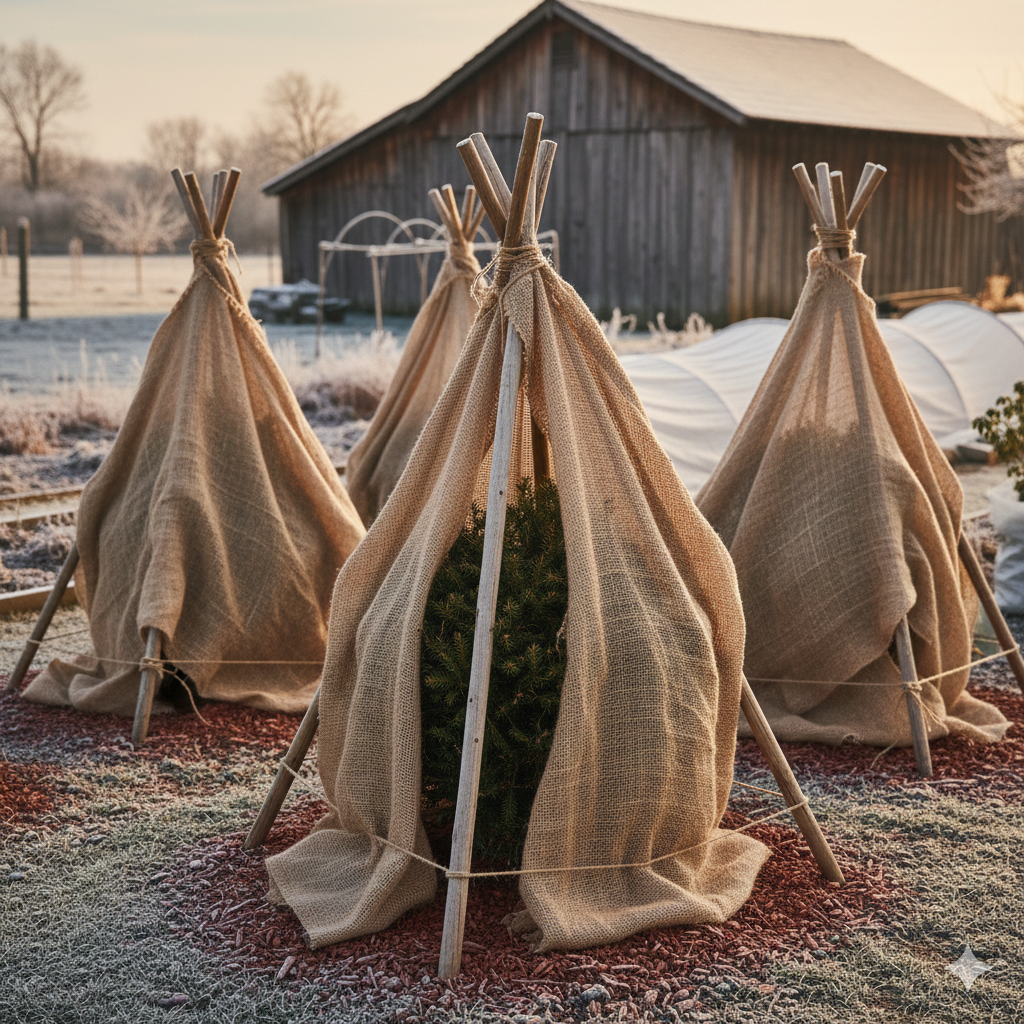
Burlap is a classic, eco-friendly option for covering shrubs, trees, and ornamental plants. It is especially useful for protecting evergreens from winter burn.
Winter burn occurs when evergreens lose moisture through their leaves but cannot take in enough water due to frozen soil. The resulting dehydration causes the foliage to turn brown or yellow.
Burlap is breathable, which ensures that moisture doesn’t become trapped, and it allows the plant to breathe.
It also provides just the right amount of insulation to prevent frost damage while being lightweight enough not to suffocate the plant.
It’s important to use wooden stakes or frames to create a tent-like structure around the plant, as direct contact with wet burlap can lead to frost damage.
Best For: Protecting small trees, shrubs, and evergreens from winter burn.
Recommended Product: Burloptuous 30-foot Burlap Roll, 40 inches wide, is ideal for large gardens and multiple plant covers, offering both functionality and a natural aesthetic.
Mulch
Mulch is an invaluable addition to any garden, providing numerous benefits throughout the year. During winter, mulch acts as an insulating layer that helps regulate the temperature around plant roots, ensuring they stay warm enough to survive frost and extreme cold.
It also retains moisture, reducing the need for frequent watering and preventing the soil from freezing.
When applying mulch in winter, aim for a layer that’s about 2-4 inches thick to avoid suffocating the plants. Organic mulches such as shredded leaves, wood chips, and straw break down over time, improving the overall health of your soil. Non-organic mulches like gravel can also be used for areas that need a more permanent solution.
Best For: Perennials, ground covers, and plants that require minimal protection from cold temperatures.
Recommended Product: FibreDust Coco Mulch is a sustainable and effective mulch made from shredded coconut husks, offering excellent moisture retention and frost protection.
Cloches
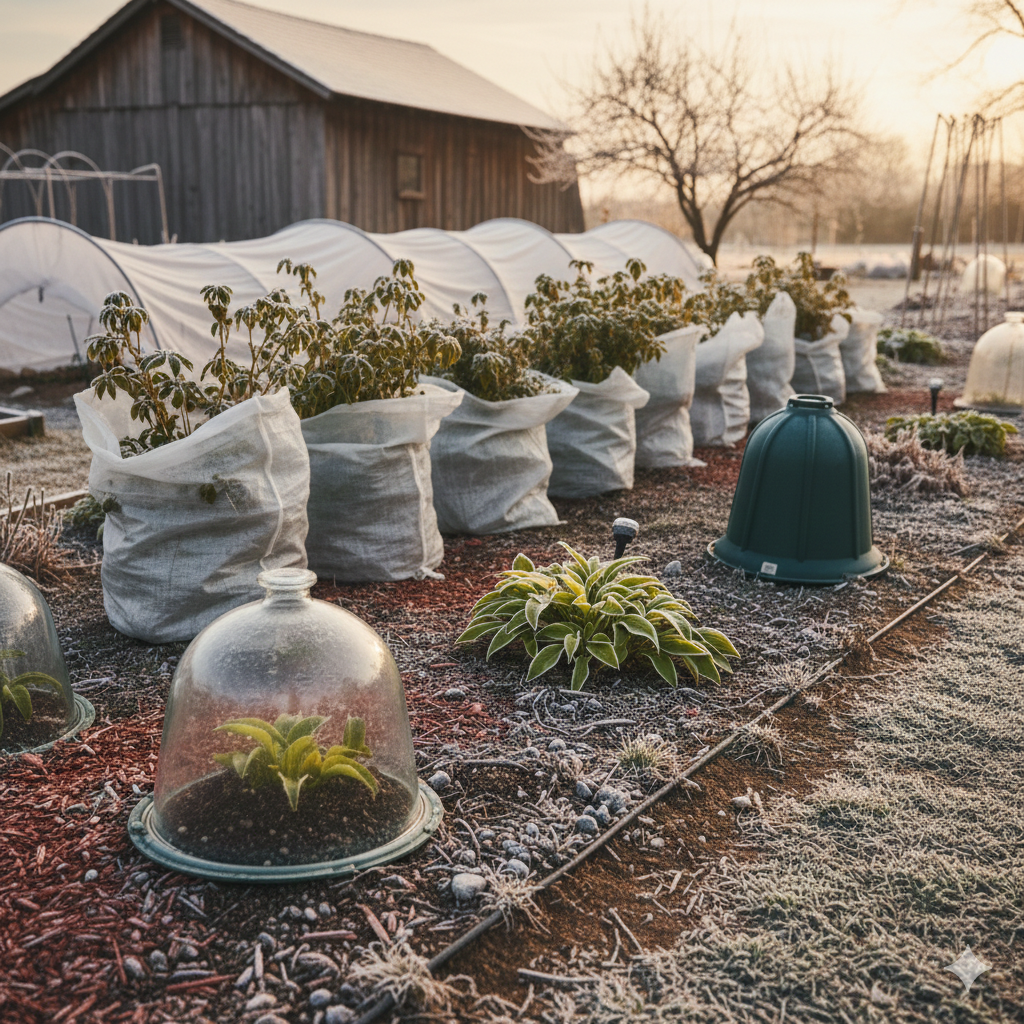
Cloches are small, bell-shaped covers that serve as miniature greenhouses. These portable structures are particularly useful for providing temporary protection against unexpected frosts.
They can be placed over individual plants or small groups of plants, offering a warm, sheltered environment that allows them to thrive despite a sudden drop in temperature.
Cloches are generally made from transparent materials like glass or plastic, allowing sunlight to filter through while maintaining warmth. They are typically used for plants that are particularly sensitive to cold or for extending the growing season for certain vegetables.
Best For: Small gardens, individual tender plants, and early spring/late fall frost protection.
Recommended Product: Fshow Garden Cloches, sold in packs of 20, are made of transparent plastic and are vented to ensure proper airflow while protecting your plants from the cold.
Cold Frames
Cold frames are rigid structures that mimic the environment of a greenhouse. These frames, often made from wood and glass, are excellent for protecting crops throughout the winter, allowing gardeners to extend their harvest into the colder months.
Cold frames are ideal for growing hardy vegetables like kale, spinach, and carrots, as well as providing protection for young seedlings that need extra care during cold snaps.
Cold frames are especially useful in regions where winter gardening is a possibility, as they trap heat from the sun during the day and keep it inside during the night. While some gardeners buy pre-made cold frames, others prefer to build their own, tailoring the size and materials to their specific garden needs.
Best For: Cold-climate vegetable gardening and protecting winter crops.
Recommended Product: The Giantex Portable Wooden Cold Frame, featuring polycarbonate windows and a durable wooden frame, offers excellent insulation and ventilation for winter gardening.
Pop-Up Greenhouses
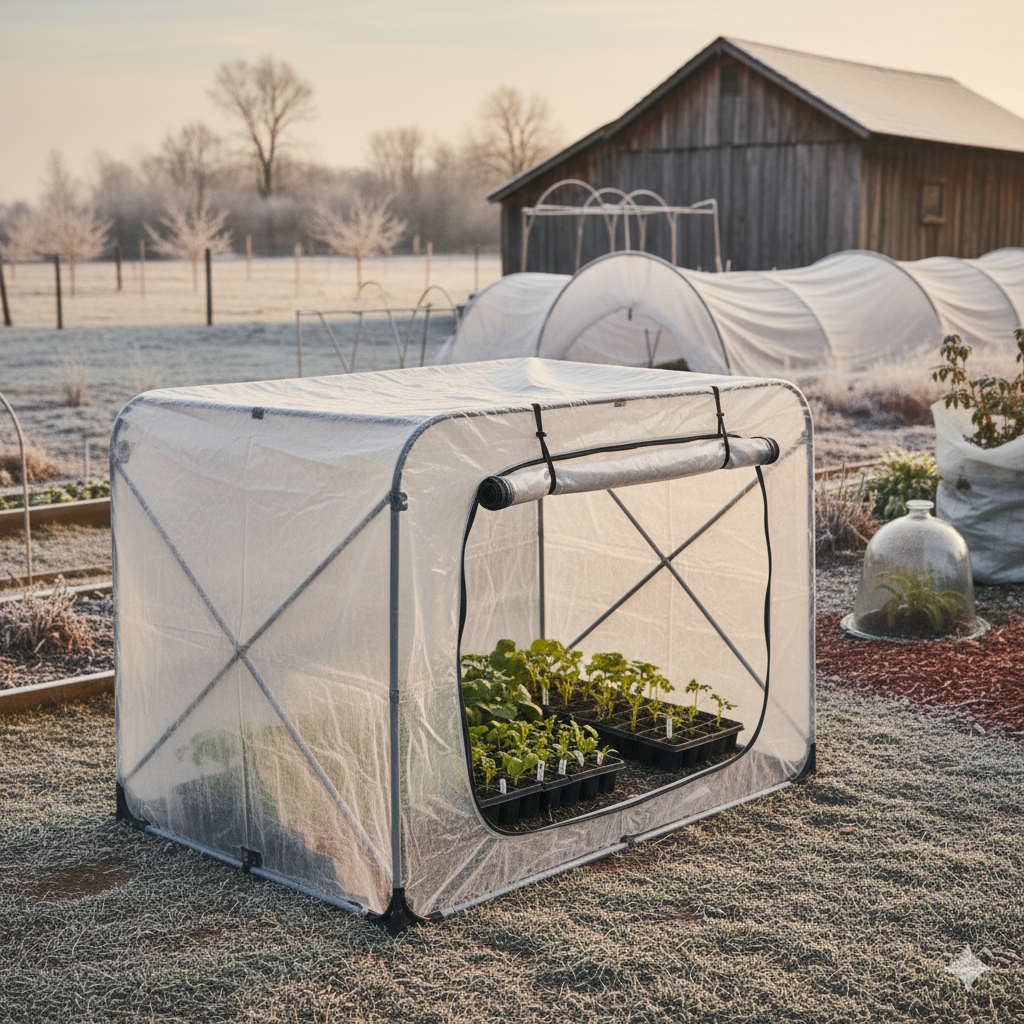
Pop-up greenhouses are temporary structures designed to offer protection from the cold while mimicking the environment of a traditional greenhouse.
These units are made from lightweight materials like plastic and feature a collapsible frame for easy storage.
They are ideal for gardeners in milder climates who don’t experience severe winter weather but still need a solution for frost protection or seed starting in early spring.
Pop-up greenhouses offer a controlled environment for growing plants, allowing sunlight to warm the plants while protecting them from frost. They are perfect for small-scale gardening, seed germination, or hardening off seedlings before planting them outdoors.
Best For: Mild climates and seed starting in early spring.
Recommended Product: The Ohuhu Mini Greenhouse, featuring a steel frame and multiple shelves, is compact, durable, and easy to assemble and store.
Conclusion
Choosing the best plant cover for your garden depends on several factors, including the type of plants you’re growing, your local climate, and the level of protection required.
Whether you’re looking to extend your growing season, shield your trees from wildlife, or prevent winter burn on evergreens, there is a wide variety of plant covers to suit every need.
By selecting the appropriate cover and implementing it correctly, you can ensure that your plants stay healthy throughout the winter and thrive when the warmer months return.
With the right protection in place, your garden will be ready to withstand the challenges of cold weather, giving you a head start on spring growth.
Read the original article in Crafting Your Home.