5 dinners everyone’s secretly sick of pretending to enjoy
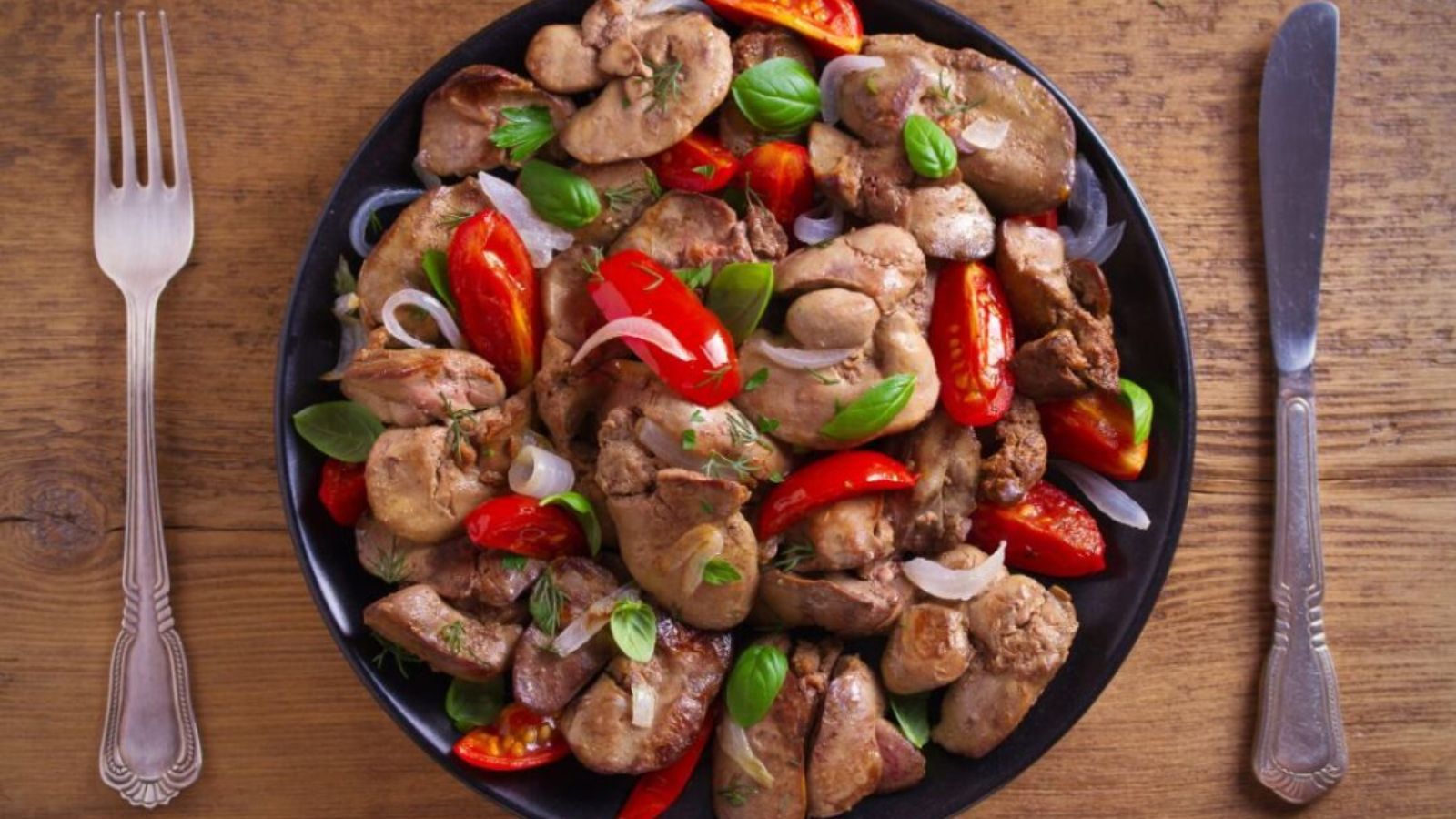
Image Credit: Kindel Media via pexels
Food is more than just nourishment; it is an experience. A social event. A way to connect, share, and even impress others. But what happens when we’re at the dinner table, surrounded by others, and we’re faced with a dish we secretly wish would just disappear?
It’s no secret that many people eat food out of obligation, tradition, or social pressure rather than actual enjoyment.
Bitter Greens
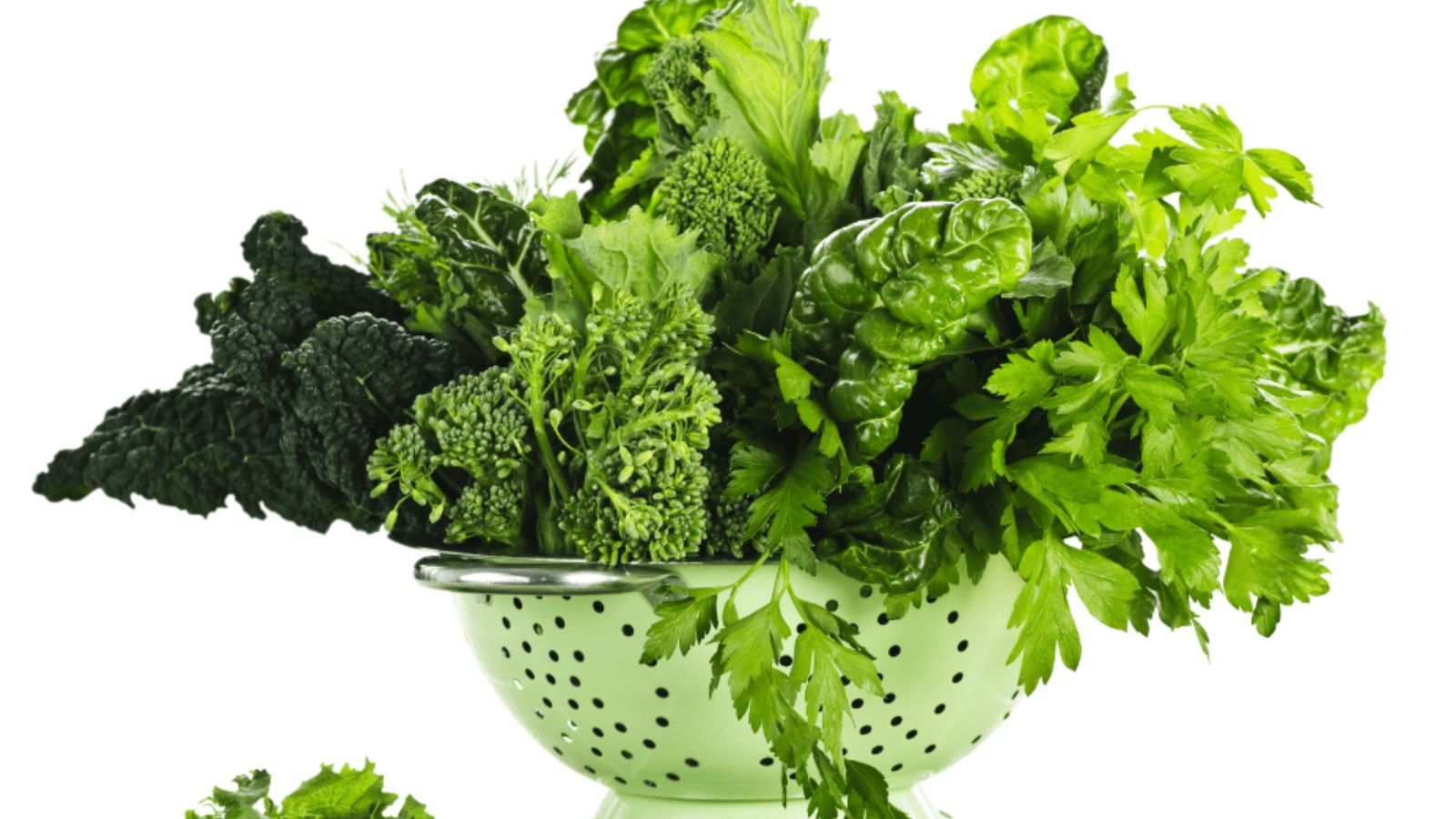
From kale to Brussels sprouts, bitter greens have become a symbol of healthy eating, yet their bitterness can be a challenge for many. Bitter greens are often celebrated in health-conscious circles, but their tough texture and bitter taste are hard for some to swallow.
Genetics play a significant role in this aversion, as some people are more sensitive to bitter compounds than others. The health benefits are clear, but the taste is not universally appealing.
Much like the previous examples, many people eat bitter greens because it aligns with a health-conscious image. Whether it’s a kale salad or Brussels sprouts on a restaurant menu, the trend persists — but how many are genuinely enjoying it?
Organ Meats
Liver, kidneys, and other offal are rich in vitamins and iron, but for many, they’re a challenge. The taste, texture, and smell of organ meats are often too much to bear for modern palates, yet these dishes still thrive, mostly due to tradition.
Organ meats have a long history in cooking, particularly in cultures that value the whole-animal approach to meals. However, for many people, the experience of eating liver or kidneys is less about taste and more about honoring tradition or family heritage.
Liver, in particular, holds a special place in many cultural dishes, despite the fact that many would rather avoid it.
Sardines
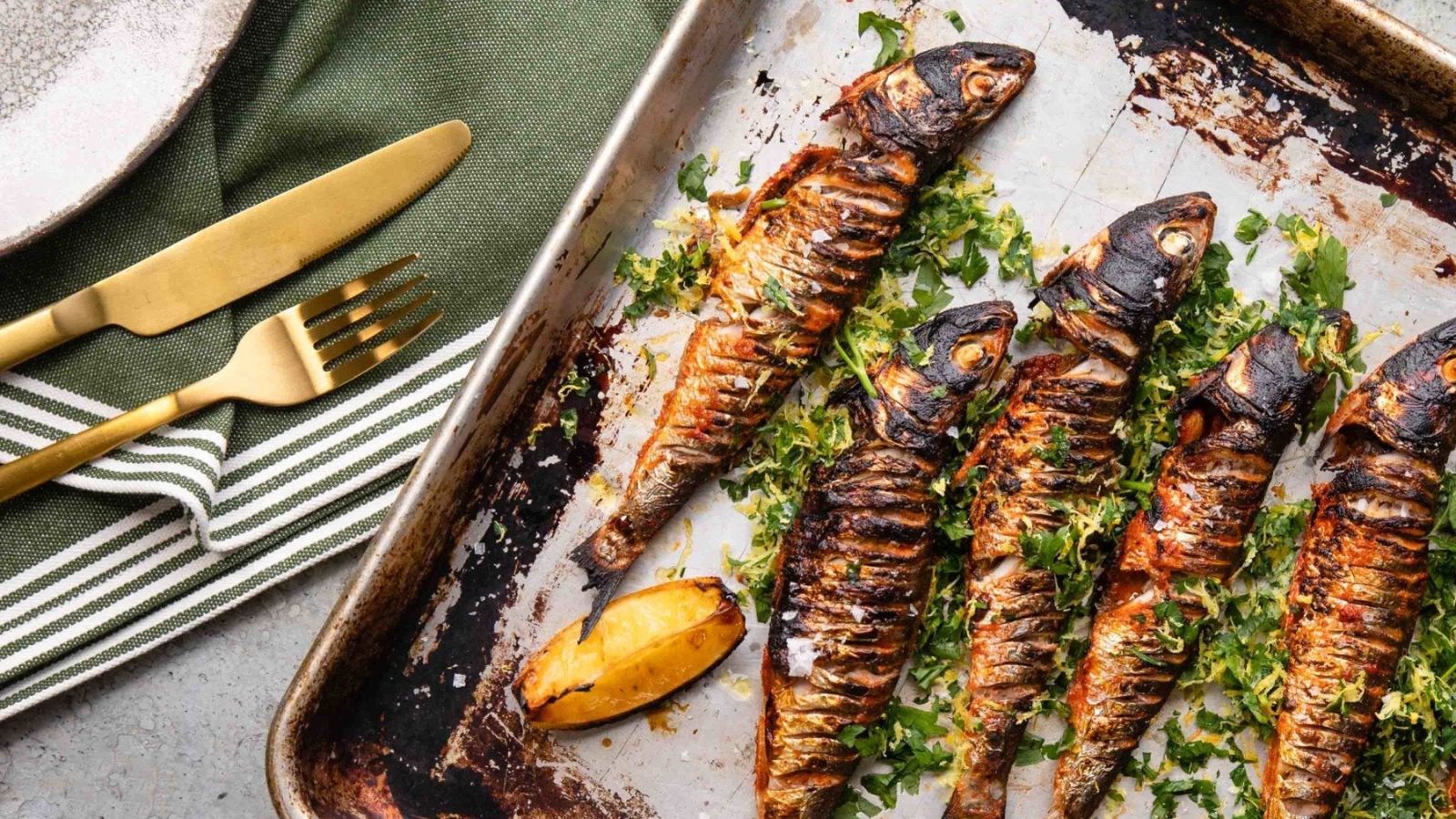
Sardines are another seafood that polarizes. Despite being packed with omega-3s and deemed a health food, many find them unappetizing due to their strong fishy odor and chewy texture.
Sardines’ reputation as a “superfood” keeps them in circulation, especially among those eager to boast about their healthy eating habits. However, their powerful flavor and oily texture make them a tough sell for the average diner.
Yet, sardine-based dishes remain frequent guests at both trendy and traditional dinner tables, largely due to their perceived health benefits. Much like anchovies, people often consume sardines because it’s “good for you” or to appear cultured in social settings. However, it’s clear that these fish are not universally adored.
The question remains: if they weren’t touted as healthy, would they remain as popular?
Blue Cheese
Blue cheese has a strong, pungent flavor and aroma, which often leads to divided opinions. It’s one of those foods that seems to either be adored or absolutely despised. Blue cheese has a unique, sometimes overpowering flavor that is difficult to appreciate for those not accustomed to it.
Its sharpness and smell can be unsettling to some, making it one of those cheeses that most people will either accept or outright reject. Despite this, blue cheese remains a staple in upscale dining, often used in sauces, salads, and gourmet burgers.
In many high-end restaurants, blue cheese is presented as a luxury ingredient, adding a touch of refinement to otherwise simple dishes. For those unenthusiastic about the taste, eating it is more about maintaining social status or fitting into the “foodie” crowd than enjoying the flavor.
Anchovies
Anchovies: love them or hate them, these salty little fish are often thrust into the spotlight of pizzas, pasta dishes, and salads. But why is there so much aversion to them, especially considering their widespread usage in “gourmet” dishes?
Anchovies are notorious for their overpowering saltiness. This intensity can be jarring to those not accustomed to such potent flavors. While some people savor their punchy, briny profile, others are quick to recoil.
A 2025 survey found that 56% of people find anchovies intolerable, yet these tiny fish continue to show up in meals at trendy restaurants and family gatherings. Why? Because they are often associated with a certain “gourmet” status, a mark of culinary sophistication, or they simply appear on a dish because they are deemed “authentic.”
Conclusion
In the end, our dining habits are shaped by social norms, cultural expectations, and the desire to fit in. While certain dishes may be revered for their perceived sophistication or health benefits, many people secretly dread them.
From anchovies to fusion cuisine, these meals are often consumed for reasons other than genuine enjoyment. Whether it’s to maintain a sense of belonging or to uphold tradition, we continue to eat the meals we don’t like because it’s what’s expected.
But perhaps, it’s time to finally admit that we don’t enjoy them — and that’s okay.