Designers warn these 6 “uncool” antiques are cheapening your home
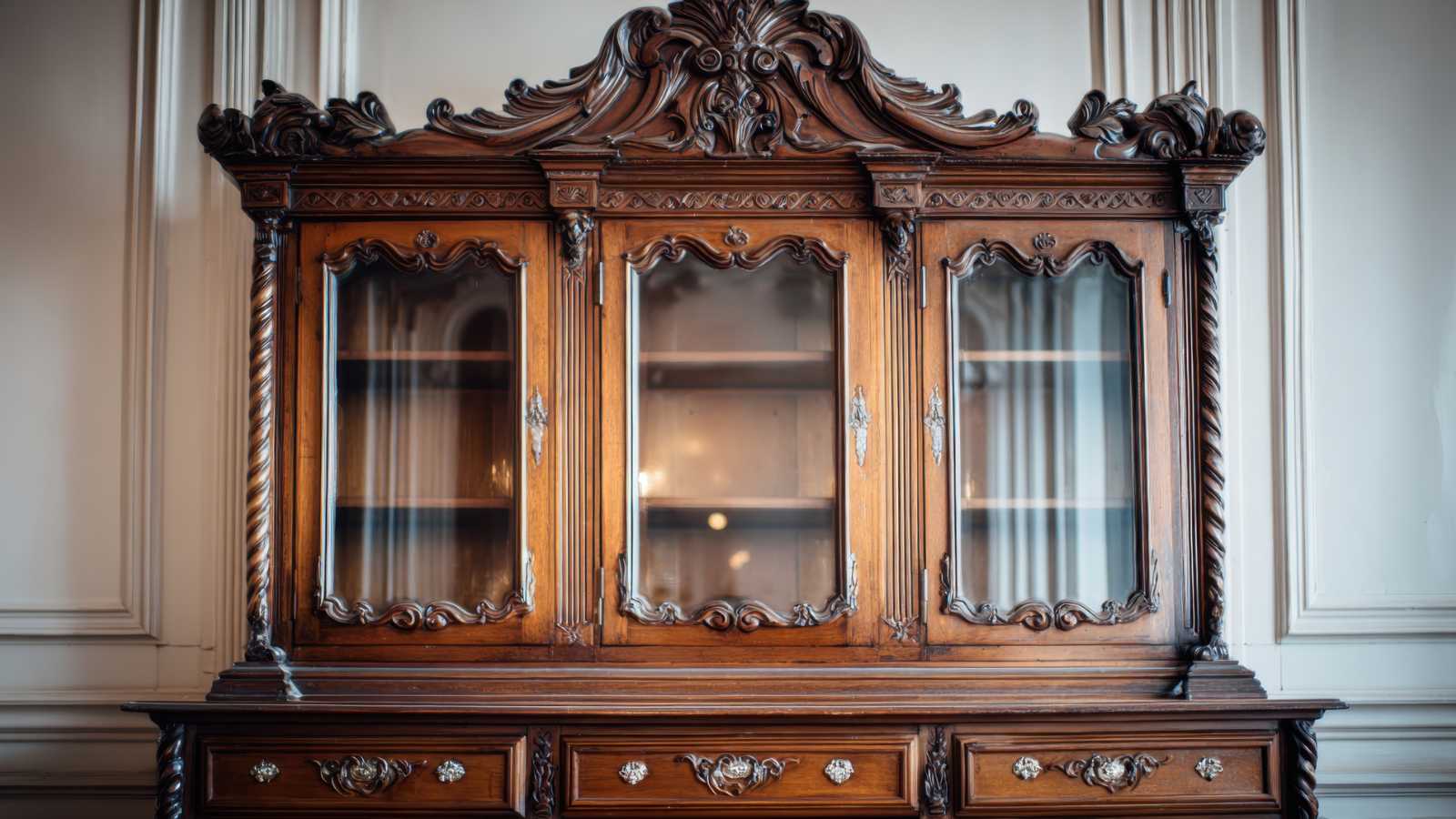
Hold onto your hats, because the vibe shift is coming for your living room. It isn’t just about aesthetics; it’s about value. While the global antique market is projected to grow at a CAGR of 5% to 2033, according to GlobeNewswire, not everything old is gold. In fact, designers warn that specific “uncool” antiques are dragging down home values faster than you can say “shabby chic.” We currently crave spaces that “breathe,” yet Americans still throw out 12 million tons of furniture annually, much of it dated decor that simply won’t sell.
I’ve seen it happen too often: a homeowner holds onto items because they feel they “should,” only to clutter their space with things that scream “dated.” We want homes with personality, not showrooms for dust collectors. Designers have identified six specific offenders you need to ditch to modernize your space.
Porcelain figurines are tanking in value
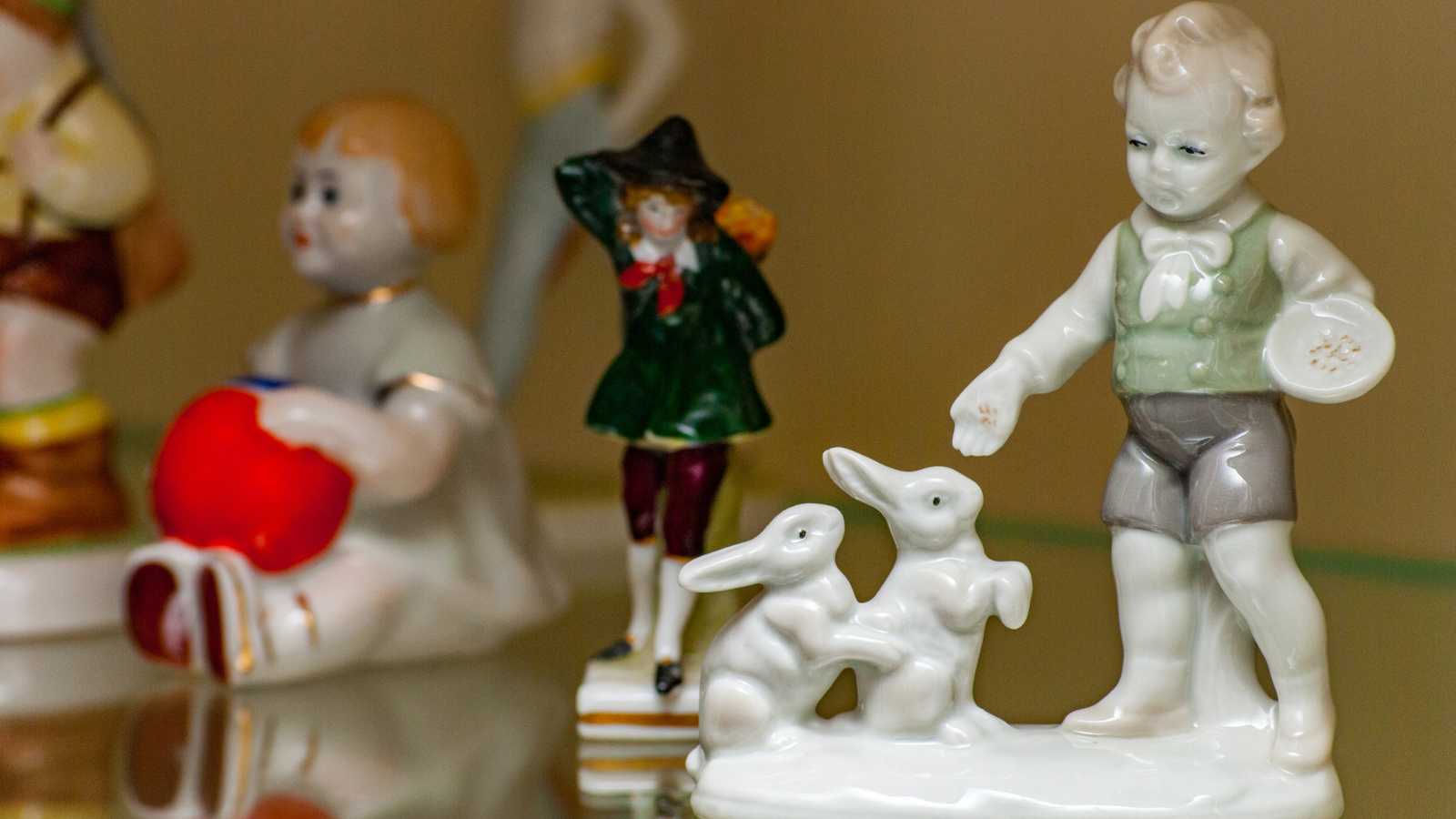
Remember when your aunt swore those Hummel figurines would pay for your college tuition? The market for these mass-produced ceramics has absolutely imploded. Demographic shifts are flooding the market as boomers downsize, yet the buying generation has zero interest in dusting fragile knick-knacks. Consequently, prices for common pieces have crashed to an average of just $50 to $75.
It isn’t just the money; it’s the visual noise. Rachel Hurley, a principal architect, puts it bluntly: “Clutter isn’t character, it’s confusion”. We want curated, intentional shelves, not an army of ceramic children staring us down. Swap the clutter for single, sculptural pottery pieces. IMO, one impactful vase looks infinitely more expensive than fifty tiny statues.
Word art is the “cardinal sin” of design
If your kitchen walls command you to “EAT” or your living room demands you “LIVE, LAUGH, LOVE,” please listen. Interior designer Phoenix Grey calls this trend “the absolute cardinal sin of interior design.” It feels impersonal, prescriptive, and commercially manufactured.
Why buy mass-produced sentiment when you can have real art? In 2025, designers prefer textured wall hangings and abstract pieces over generic instructions. Does a sign really need to tell you where the laundry room is? Ditch the slogans for a vintage quilt or a moody oil painting that actually evokes a feeling.
Shabby chic looks “contrived” and messy
We all loved the romantic farmhouse vibes of the 2010s, but the “chippy” paint look is officially over. Experts now describe the manufactured distressed style as “contrived” and “fussy”. Modern design favors authentic patina over fake damage.
Aggressively sanding a perfectly good dresser to make it look old just reads as messy today. Instead of “shabby,” aim for “Modern Cottage” or “English Country.” Let the natural wood grain shine through. Authentic antiques show their age through wear, not through a belt sander.
Oversized china cabinets eat up space
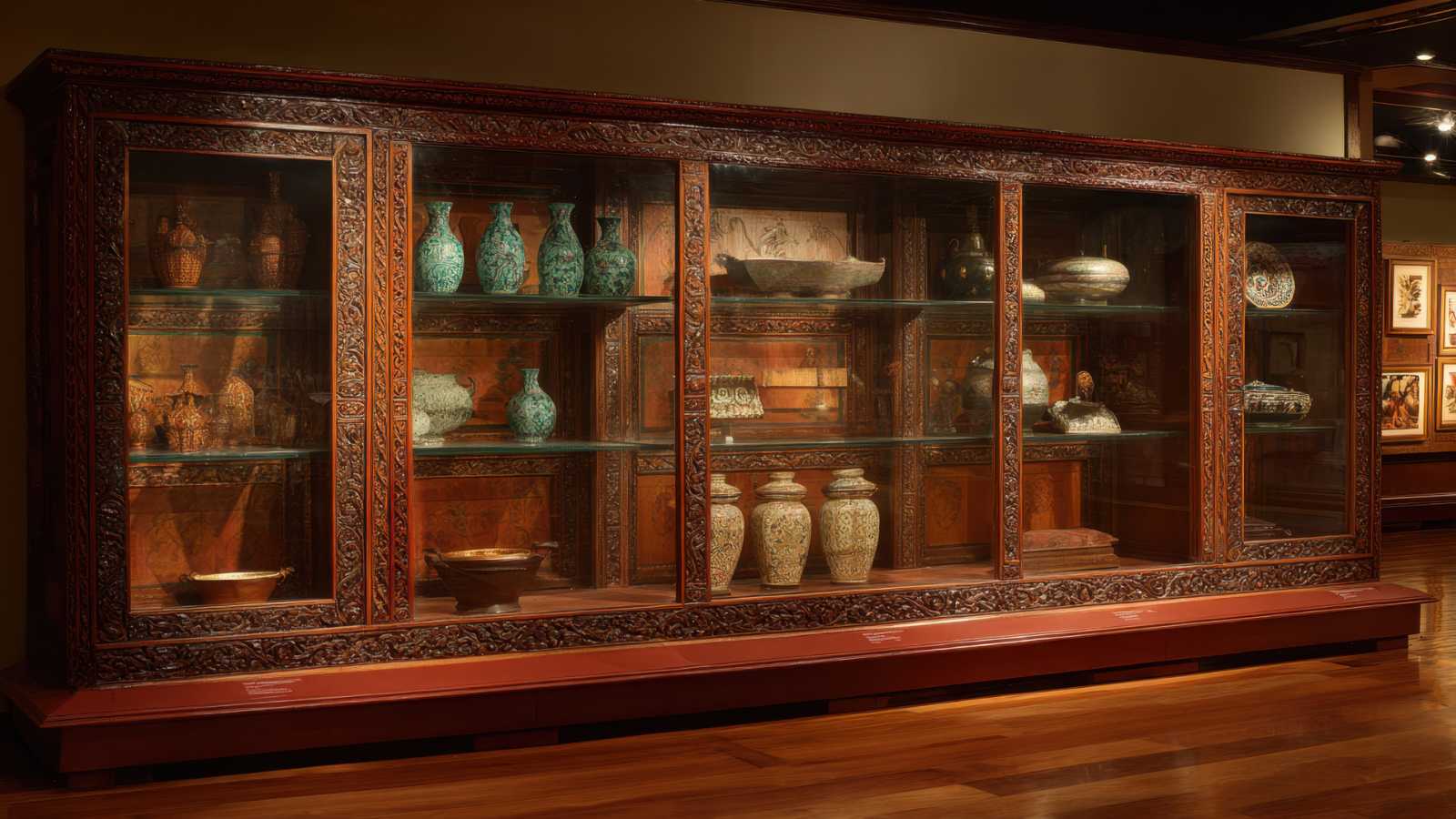
Who actually uses a formal 12-piece china set anymore? Huge, dark wood cabinets are making homes feel “closed in” and heavy. These “brown furniture” behemoths are often too bulky for modern open-plan living.
Real estate pros note that these massive units date a listing instantly. Unless you repurpose it as a chic bar or book display, it’s likely to gather dust and eat up valuable square footage. Trade the hulk for a sleek sideboard or open shelving. This opens up the room and lets the light flow freely.
Golden oak screams “builder grade.”
I grew up with this orange-hued wood everywhere, so I get the nostalgia. However, that high-gloss, honey-orange finish instantly dates a kitchen to the 1990s. While warm woods like walnut are trending, the builder-grade orange oak looks tired.
Designers note that this finish clashes with modern palettes. Ever wondered why your new grey sofa looks weird next to the trim? It’s the orange undertones. Refinish these pieces with a matte, water-based sealer to achieve a modern “white oak” look. It keeps the warmth but loses the shine.
Fast furniture knockoffs lack soul
Mid-Century Modern is timeless, but the cheap replicas are not. Designers are rejecting “fast furniture” knockoffs that lack quality and authenticity. We are seeing a significant pivot toward “slow furniture” and unique craftsmanship.
Buying a cheap, particle-board copy of an Eames chair just contributes to the waste cycle. Authenticity matters more than the “look.” We’d rather see a beat-up original with a story than a pristine fake that will break in three years.
Key Takeaway

Curate, don’t accumulate. The “uncool” antiques on this list—from the dusty figurines to the mass-produced signs—all suffer from the same problem: they lack authenticity. Your home should tell your story, not the story of a 1990s showroom. So, donate the “Gather” sign, sell the Hummels (for whatever you can get), and let your home breathe!
Read the Original Article on Crafting Your Home.