6 Daily Chores ’60s Kids Did That Today’s Parents Wouldn’t Assign

Image Credit: Tantray Junaid via pexels
The landscape of parenting has transformed dramatically since the 1960s. In a time where children were expected to contribute to the household in ways that seem unimaginable by today’s standards, the daily chores assigned were as varied as they were demanding. With the increasing focus on child safety, academic pressure, and modern convenience, it’s easy to see why these once common tasks are now considered unthinkable for most parents to assign today.
Preparing Full Family Meals

Cooking was another important responsibility for children in the 1960s. From preparing meals using gas stoves to handling sharp knives, children were expected to contribute to the family meal preparation. The expectation was that by their early teens, kids should be able to prepare full meals, often with multiple tasks happening at once.
Today, convenience foods and microwave ovens have significantly reduced the need for children to develop cooking skills, and it’s rare for kids to be involved in meal preparation beyond simple tasks.
Tending Victory Gardens and Raising Livestock
The post-war suburban landscape was characterized by sprawling yards and community-oriented gardening. Children were often tasked with tending to “Victory Gardens” or helping with family-owned livestock. These gardens were not just about growing food; they were about teaching children the cycles of nature and the hard work that went into food production. Kids often helped harvest vegetables, water plants, and care for animals like chickens and goats.
In contrast, modern zoning laws and community covenants restrict such practices, making it nearly impossible for today’s children to experience this form of hands-on learning.
Walking or Biking Long Distances to School

In the 1960s, it was not uncommon for children to walk or bike several miles to school, often without any adult supervision. According to studies from the time, nearly 48% of children walked or biked to school, a stark contrast to today’s 13%. Back then, children faced the daily challenge of crossing busy streets, negotiating traffic, and even navigating through dark or unfamiliar areas. The freedom to traverse neighborhoods without constant adult oversight gave children valuable independence and taught them about responsibility.
Today, however, safety concerns about traffic, abductions, and accidents have made this practice largely obsolete.
Babysitting Siblings for Extended Periods
In the 1960s, children were often left in charge of their younger siblings for extended periods. The norm was for ten-year-olds to care for toddlers with minimal adult supervision. In fact, a U.S. Department of Labor study from the 1960s revealed that nearly 46% of children between the ages of six and eleven were “cared for in their own homes by their fathers, other relatives, or by babysitters or housekeepers.”
Modern child protection laws, along with concerns about liability, have made this practice increasingly rare, as most children now rely on professional daycare or after-school care.
Helping With the Family Budget and Paying Bills
Managing household finances was a responsibility that children in the 1960s took on with surprising regularity. By the age of 11 or 12, many children could balance a checkbook, manage a budget, and even pay bills. They learned the value of money and the importance of financial planning firsthand.
Today, however, children are largely excluded from this aspect of family life. With the advent of electronic banking and cashless transactions, children are less likely to be involved in financial tasks, and privacy regulations often restrict their access to family accounts.
Managing Complete Laundry Operations
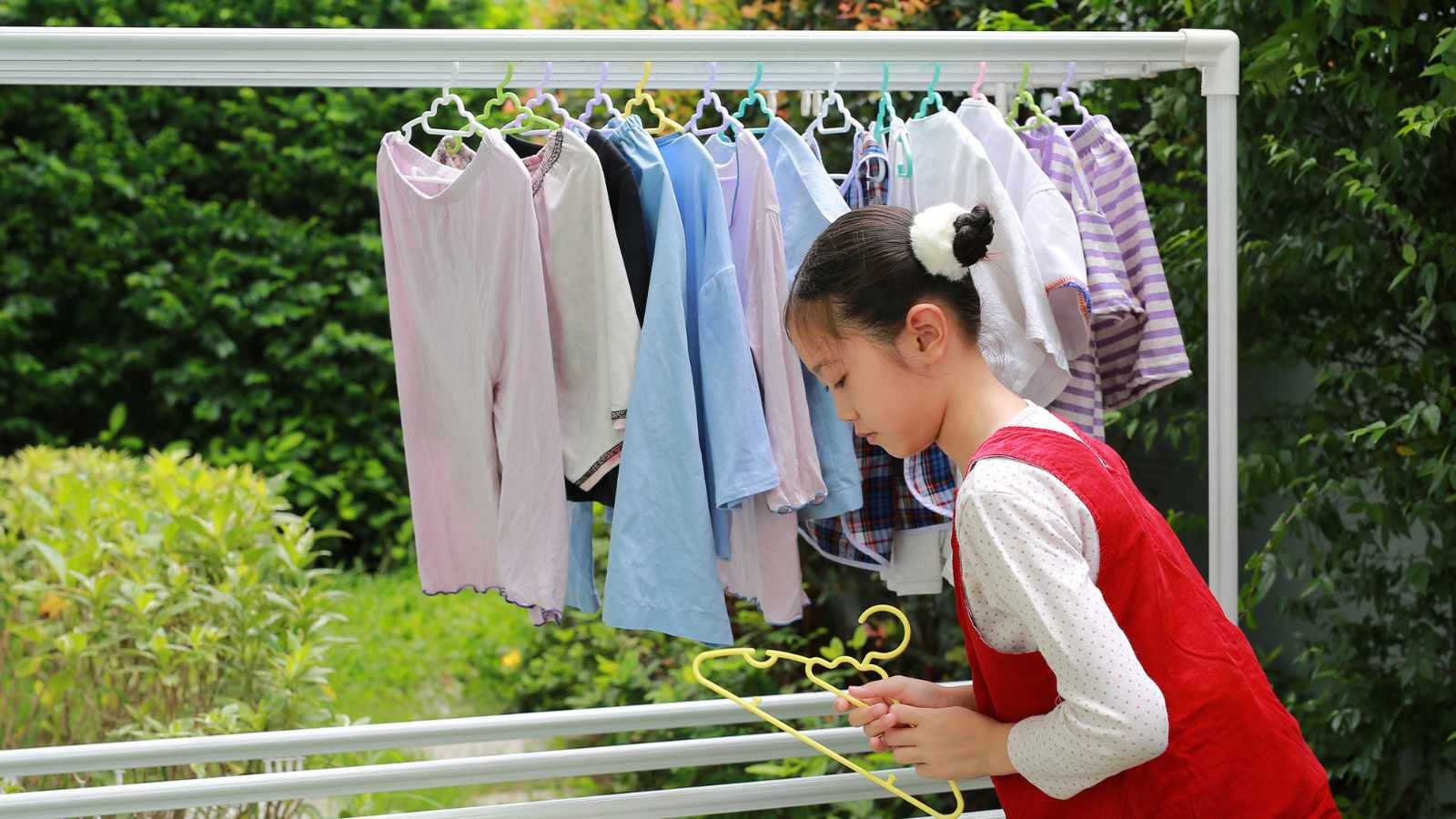
In the 1960s, laundry was a labor-intensive task. Children as young as eight were expected to do laundry, a process that required knowledge of washing cycles, fabric care, and the proper use of detergents. Washing machines were far less automatic and safer than those of today, and wringer washers posed serious risks.
A study conducted in the 1970s found numerous injuries from these machines, including severe abrasions and even limb loss. In contrast, modern washing machines are automated, have built-in safety features, and require minimal supervision.
Key Takeaways
The stark contrast between the childhoods of kids in the 1960s and those of today’s generation highlights how much parenting philosophies have evolved. The chores that were once integral to childhood have been replaced by modern safety concerns, technological advancements, and shifts in societal expectations.
Nevertheless, these old-school responsibilities provided invaluable life lessons; lessons that today’s children may miss out on as they grow up in an age of convenience and heightened safety protocols.