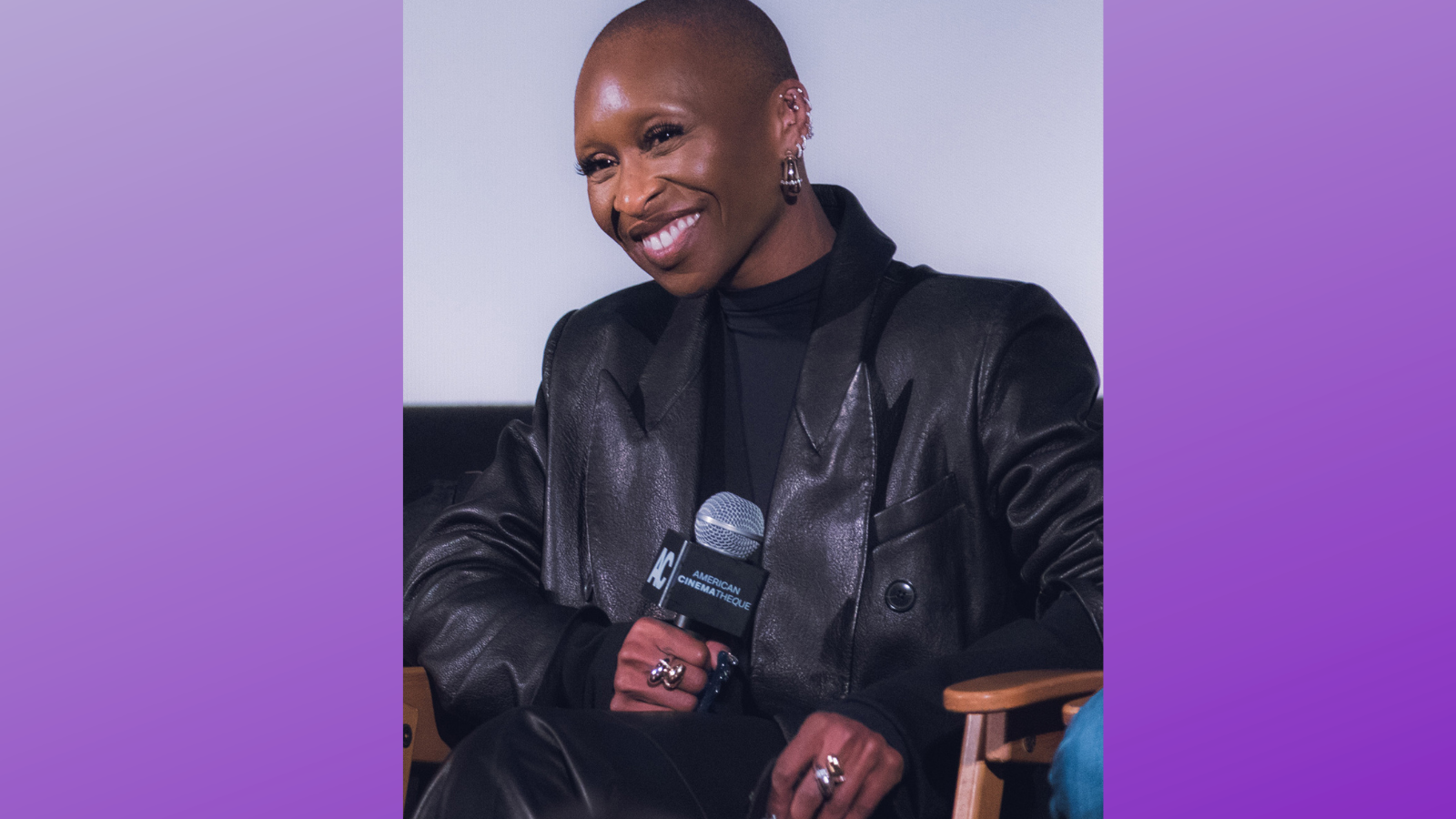
Two women survive one of the most grueling press tours in recent Hollywood history, lean on each other through the whole thing, and the internet’s big takeaway is that it was fake.
That is exactly what happened with Cynthia Erivo and Ariana Grande. And honestly? Erivo has had enough. In an interview with Variety, published Wednesday, May 27, she gave us a backstage look at everything the internet ever speculated on.
When the Press Tour Became a Whole Psychological Experiment

According to her, promoting Wicked was not a cute little press run with matching outfits and a few morning shows. These were years. Years of filming, rehearsals, red carpets, fan events, awards season attention, and relentless online commentary. By the time the final leg of the tour hit, Erivo said they were “holding on by threads.”
So when you go back and watch those viral clips, the tearful interviews, the handholding, the quiet moments backstage, you are not watching two women perform closeness for cameras. You are watching two exhausted people genuinely holding each other up. That context matters. And most people skipped right past it.
The Internet decided the Friendship Was a PR Stunt
The moment people started theorizing that Erivo and Grande were not “actually friends,” it became a whole conversation. Viewers dissected body language. They screenshotted facial expressions. They built theories out of nothing.
Erivo shut it all the way down in the interview. She confirmed they text regularly, which, yes, sounds like a small detail, but it is the kind of thing that actually tells you about a friendship. Not the choreographed premiere moments. The random Tuesday check-ins.
The two women were promoting a story about a misunderstood friendship while the entire internet was busy misunderstanding theirs. The irony is genuinely stunning.
Then Came Singapore, and Everything Got Worse

At the Wicked: For Good premiere in Singapore, a man rushed toward Grande and grabbed her on the red carpet. And according to Erivo, he would not let go. She stepped in immediately and physically pushed him away.
It was a terrifying moment for anyone watching. For Erivo, it was personal. She saw someone she cared about in danger and reacted. That is the whole story. But the internet decided to make it a joke. After clips of the incident spread, some users started calling Erivo Grande’s “bodyguard.” People laughed. They shared it. They thought it was light.
Erivo did not think it was light. And she was right not to. During the interview, Erivo pushed back hard on the bodyguard label, and once she explained it, the ugly undercurrent became impossible to ignore.
According to her, the joke was not just about what happened on the carpet. It leaned into a whole set of assumptions about Black women; in her own words: “It was my physique; it was my shape; it was the fact that I was bald; it was about what I looked like. And because of that, there was this assumption that I was bigger than my co-star, and so I had to be controlling or protecting, and that was my role. I would hazard a guess that it would not have been the same had it been the other way around.”
She pointed out exactly what the joke was doing, leaning into stereotypes about Black women and their bodies, stripping away her fear in that moment, erasing her identity, and recasting her as a physical utility standing beside a more delicate co-star.
The message beneath the Erivo meme was basically this: Erivo is strong, physical, and useful. Grande is soft and needs protecting. That framing has a very long, very uncomfortable history, and reducing a terrifying moment of genuine friendship to a punchline is exactly how that history keeps repeating itself.
People Were Also Out Here Diagnosing Their Bodies Online
While the bodyguard discourse was running high, another thread was busy speculating about both women’s appearances, weight, stress levels, and health, based entirely on red carpet photos and interview clips.
Erivo had a perfect response for that crowd, too. She called out the “psychologists seated at home” who were confidently diagnosing strangers through screens.
Now, celebrities are public figures. Their bodies are not public property. There is a difference between genuine concern and invasive curiosity dressed up as concern, and most of what was happening online was the latter.
What an Actual Friendship Looks Like

Here is the thing about Erivo’s comments that stood out the most. She did not try to prove the friendship with some grand dramatic statement. She just described what it actually looked like. Regular texts. Showing up in a scary moment, understanding what no headline could capture.
Real friendship rarely photographs well. It looks like boring, consistent loyalty. It looks like knowing when to step in. It looks like checking on someone after the tour buses have gone home and the press junket is a memory. And that is what she described. That is what people refused to accept.
Conclusion
The whole Wicked era became a masterclass in how fast audiences build full narratives from scraps. A clip becomes a theory. A red carpet becomes evidence. A real friendship becomes a topic of debate.
Erivo did not just clarify a rumor. She named the assumptions hiding underneath the jokes, the racial stereotyping, the body commentary, the refusal to believe two women could genuinely love each other without an ulterior motive.
The friendship was real. The exhaustion was real. The fear in Singapore was real. And the fact that so many people needed convincing says a lot more about the audience than it ever said about them.