6 Creatures You Cannot Legally Remove From Your Home or Garden
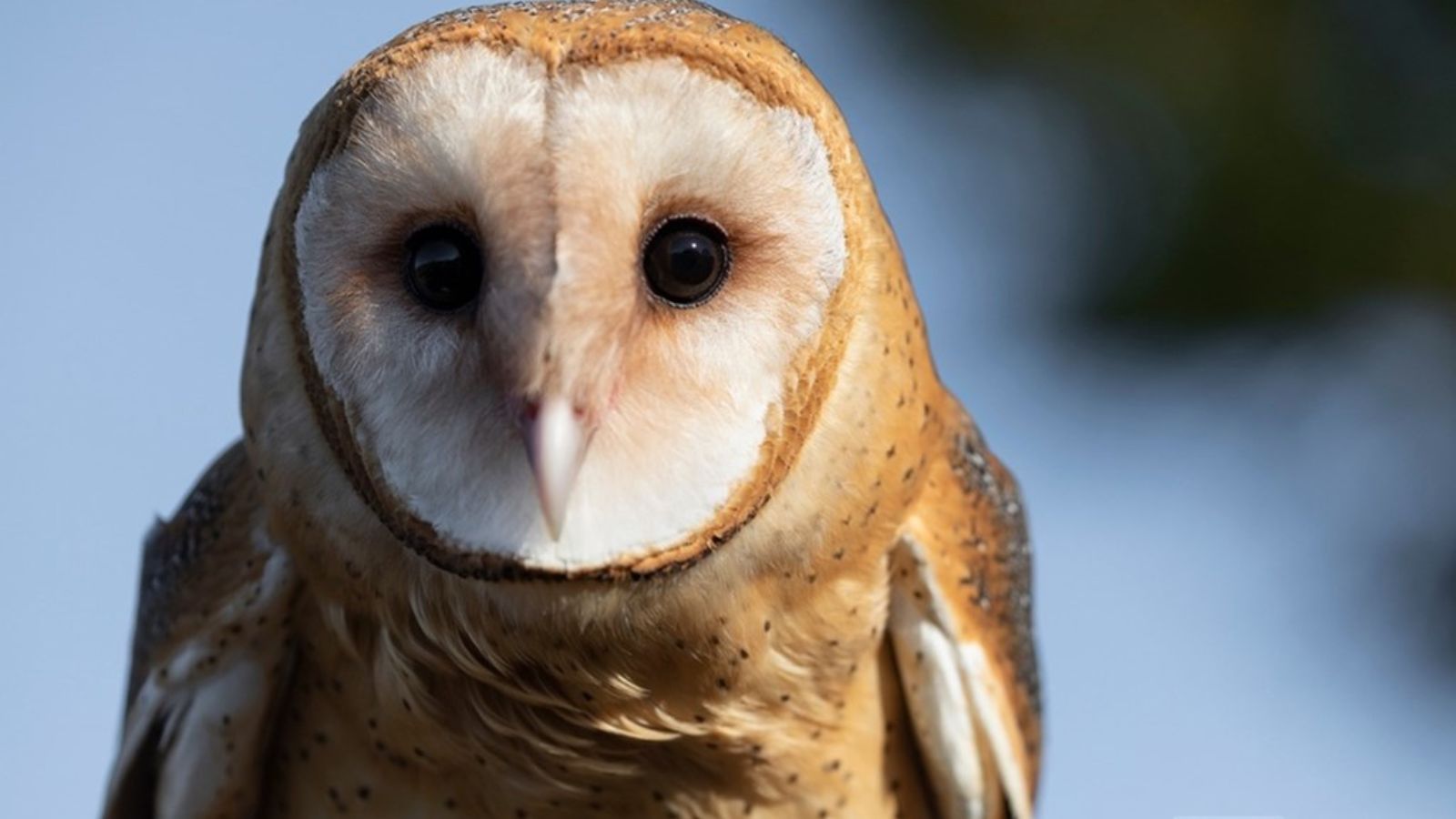
Image Credit: Tima Miroshnichenko via Pexels
Imagine this: You’ve spent weeks, maybe months, perfecting your garden, transforming it into a peaceful retreat, or making your home the ideal sanctuary. But one day, you notice an unexpected visitor—maybe it’s a barn owl perched on your rafters, a curious dormouse exploring your pantry, or perhaps an ambitious badger digging up your lawn.
While most of us would try to shoo them away, what if I told you that, in some cases, you actually can’t do that? It might sound strange, but a variety of creatures, big and small, are legally protected, making it illegal to disturb or remove them from your property.
These animals, often playing vital roles in our ecosystems, have special protections under law to ensure their survival and well-being. So, what do you do when a protected species takes residence in your home or garden?
Barn Owls
Barn owls are magical creatures, with their striking heart-shaped faces and elegant, silent flight. These nocturnal hunters typically nest in remote areas like barns, forests, or even urban structures like warehouses and buildings. Though they primarily prefer rural landscapes, they sometimes venture into urban fringe areas, which is when issues may arise for homeowners.
If a barn owl decides your loft or attic is a perfect nesting spot, removing it is a big no-no. Barn owls are legally protected in the UK and many European countries due to the decline in their population. Disturbing their nest, eggs, or young is prohibited by law. However, once the young owls become independent, protection against disturbance ends, and you may seek help from wildlife professionals to manage the situation.
To prevent barn owls from nesting on your property in the future, you can install bird netting or seal entry points where owls could gain access.
Wasps
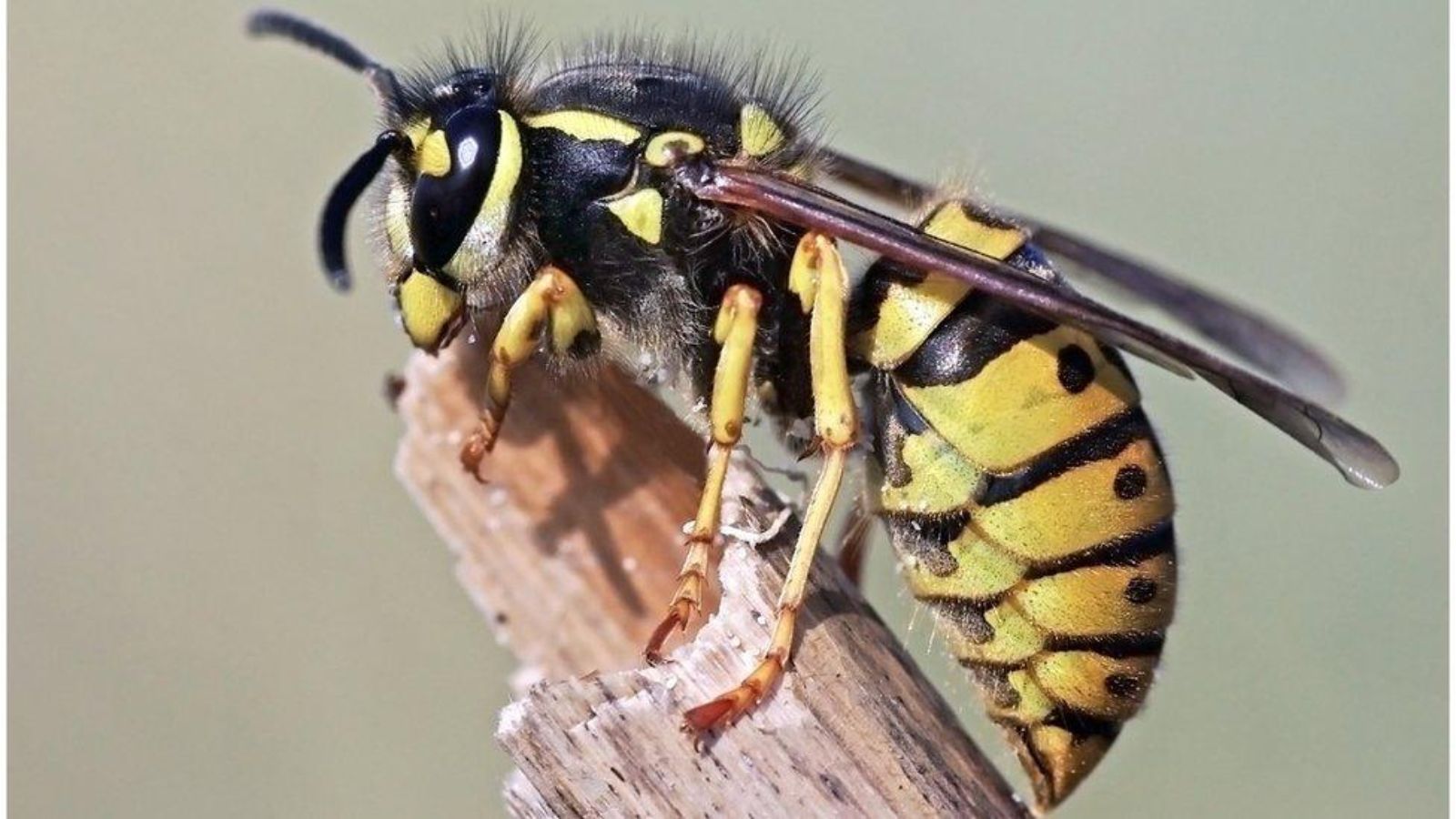
You might be wondering, how can wasps, the insect known for their aggressive stings, be protected? Well, in certain parts of Europe, such as Germany and Austria, wasps are indeed protected under the law. Despite their bad reputation, wasps play a critical role in ecosystems as pollinators and natural pest controllers.
Wasps, along with other pollinators such as bees, are protected under the Federal Nature Conservation Act in Germany. This means that disturbing, killing, or destroying wasp nests without proper permits can result in heavy fines. In some cases, fines range from €5,000 to €50,000, so it’s vital to seek professional advice before taking action.
To deal with wasps in your home or garden, consider using natural repellents like peppermint oil or a blend of clove, geranium, and lemongrass oils, which are believed to keep wasps away without harming them.
Frogs and Toads
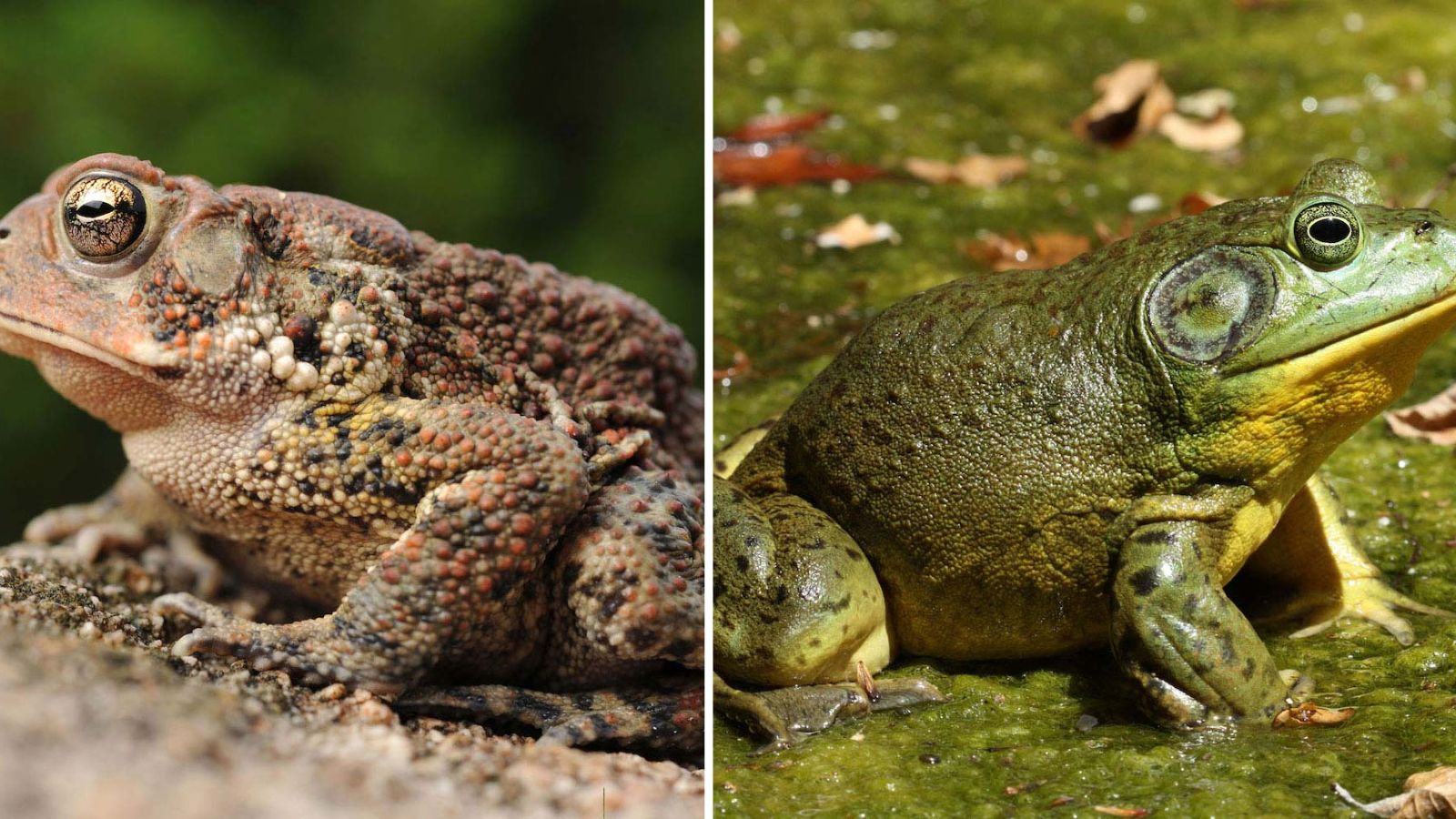
Frogs and toads might be small, but they’re incredibly beneficial to your garden as natural pest controllers. They enjoy moist, cool environments, making your garden pond a perfect habitat. If you’re lucky enough to have frogs and toads in your garden, you’ll be helping control the population of snails and insects.
Yes, they are! Many frog and toad species, especially in the UK, are protected by law. As amphibians, they are sensitive to environmental changes and are at risk due to habitat destruction. So, if you have frogs or toads in your garden, it’s best to let them be. If you’re concerned about a large number of them during the breeding season, there’s no need to panic; they will naturally move on in a few weeks.
Bats
Bats have long been associated with myths and legends, often seen as symbols of darkness and mystery. However, these nocturnal mammals are fascinating and play an essential role in controlling insect populations. Bats also pollinate some plants and disperse seeds. As such, they are protected in many countries.
In the UK and many other countries, bats and their roosts are protected under wildlife laws. It is illegal to disturb or destroy bat roosts, and any attempt to remove bats from your property requires legal permissions and professional assistance. Bats can also carry diseases like rabies, so it’s best to leave bat management to the experts.
Great Crested Newts
The great crested newt is another protected amphibian. These fascinating creatures can often be found in ponds and wetland areas, especially during the breeding season. However, they are increasingly endangered due to habitat loss and environmental changes.
Great crested newts are protected under European and UK wildlife laws. This means you cannot disturb their habitats or remove them from your property without complying with strict regulations. If you’re planning to undertake any building work in areas where newts are found, you’ll need to check with your local authorities to ensure that you comply with the necessary wildlife protection laws.
Badgers
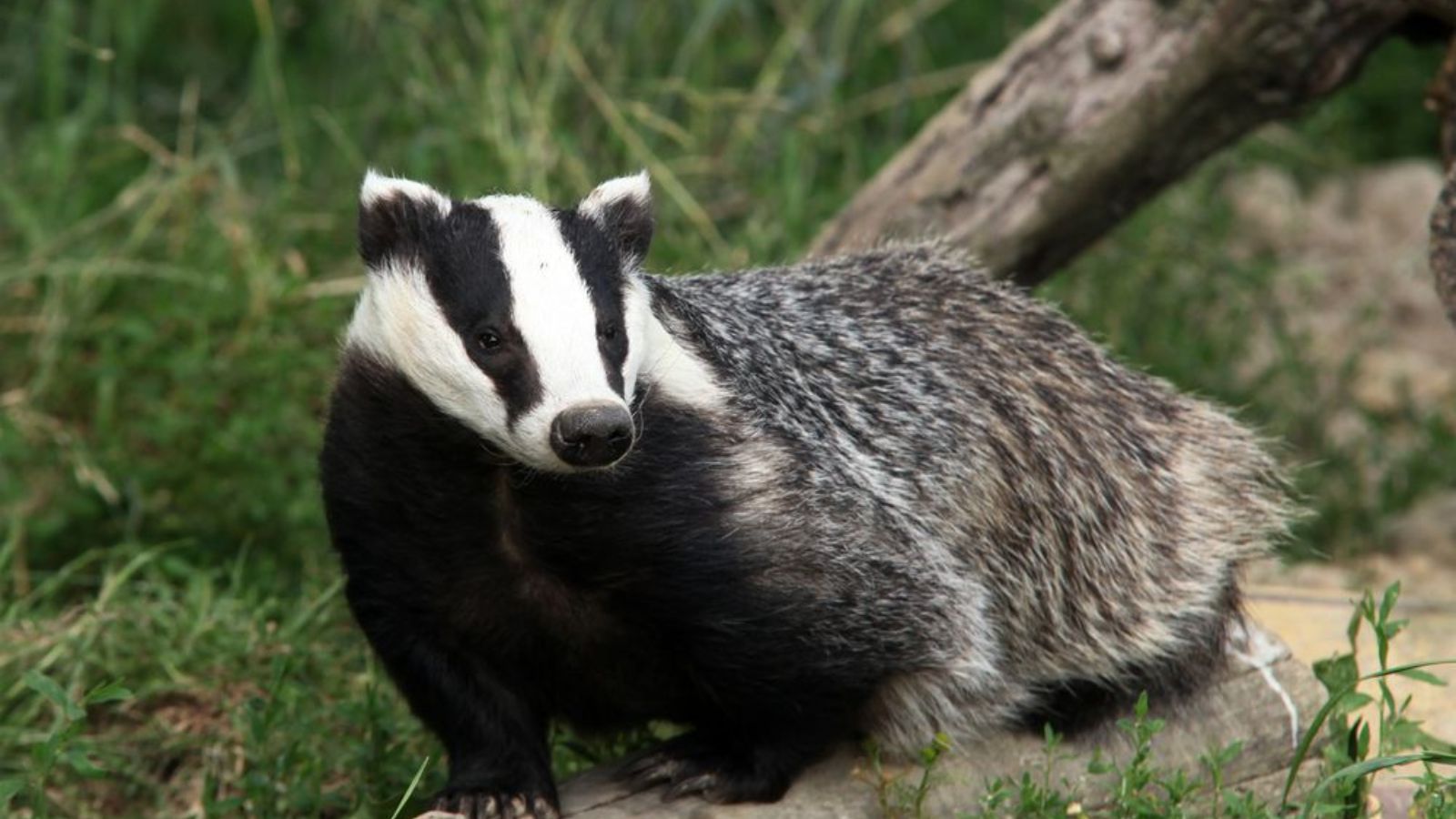
Badgers, with their distinctive black-and-white striped faces, are often the culprits behind garden diggings. These nocturnal creatures dig deep burrows known as “setts” to live in and can sometimes damage lawns and flower beds in the process. Badgers are protected by law in many European countries, including the UK. It is illegal to harm, disturb, or destroy a badger sett.
If badgers are causing problems in your garden, it’s essential to deter them by blocking access points and removing potential food sources. However, remember that badgers play an important ecological role, so the best approach is to make space for them.
Key Takeaways
As we strive to create inviting spaces for ourselves, it’s important to consider the creatures that share our environment. Many animals that invade our gardens or homes aren’t pests—they’re protected species that play an essential role in maintaining biodiversity.
From barn owls to dormice, these creatures are under legal protection for a reason: their survival is crucial for the health of our ecosystems. If you discover that you’re sharing your property with one of these protected creatures, it’s important to know that there are ways to handle the situation without causing harm.
Always seek professional advice and be mindful of the legal requirements when dealing with these wildlife visitors. By learning to live harmoniously with these creatures, we can all help protect our natural world and ensure that future generations can continue to enjoy the beauty of these unique species.