


This article was originally published on Crafting Your Home. A human contributor also wrote and edited the post.
When a life-threatening situation happens, people often rely on survival advice they learned from movies, television, social media, or old stories passed down through generations.
The problem is that some of these popular “survival tricks” are not only incorrect, they can make a dangerous situation even worse.
Survival situations require calm thinking, accurate information, and decisions based on proven methods. A mistake made during an emergency can cost valuable time, increase injuries, or reduce the chances of rescue.
Many survival myths became popular because they sound logical. Some appear in movies, while others have been repeated for decades without being properly tested. But real-world survival is often very different from what entertainment and folklore suggest.
Here are some common survival myths that people should stop believing.
Drinking Your Own Urine Can Save You From Dehydration
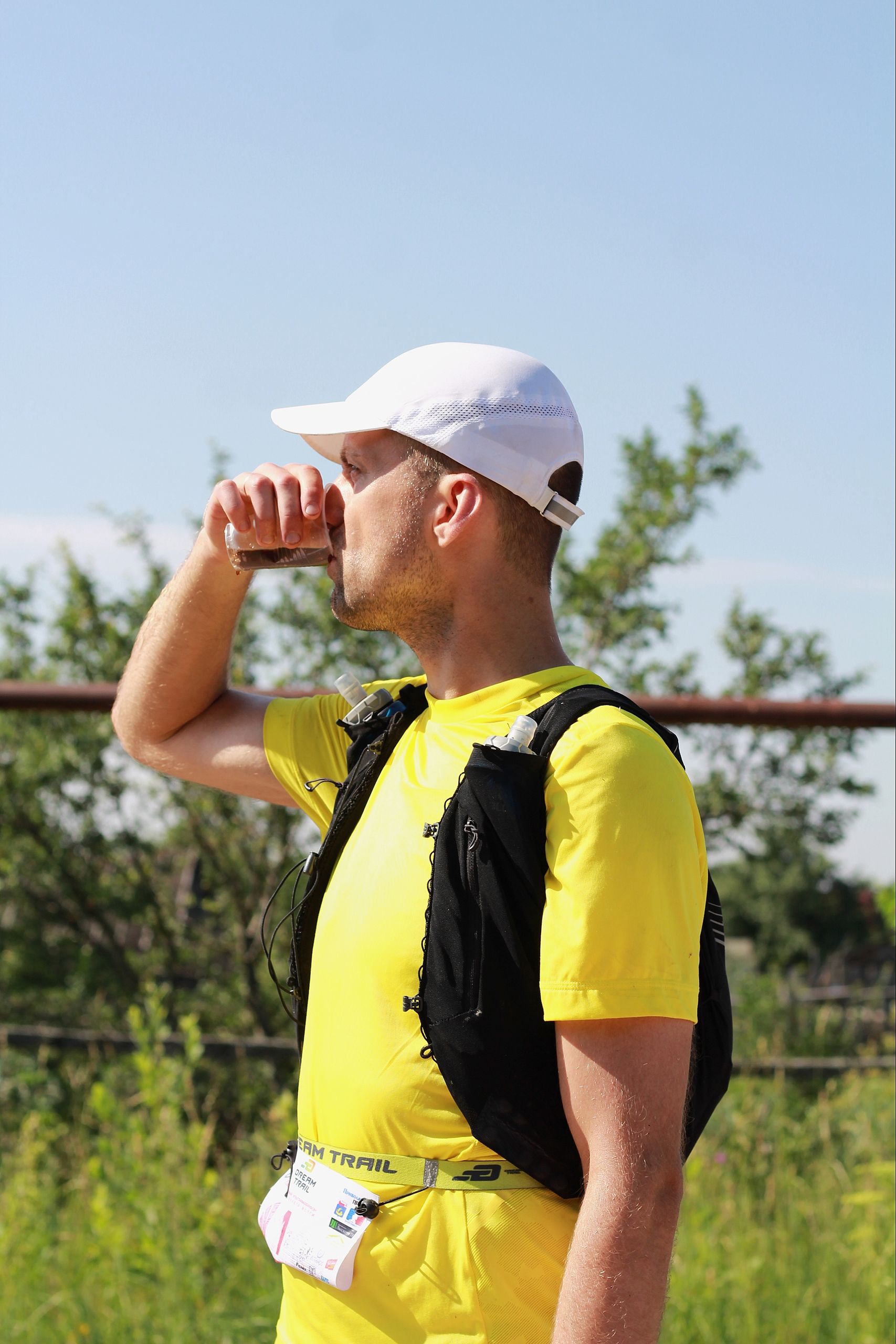
One of the most common survival myths is that drinking urine can keep you alive when water is unavailable. In reality, it can create additional problems.
Urine is the body’s way of removing waste products and excess substances. While it contains water, it also contains salts and chemicals that the body is trying to eliminate.
Drinking urine, especially repeatedly, can force the body to process those waste products again and may increase dehydration rather than solve it.
The idea became popular through survival stories and movies where characters use desperate measures to stay alive. However, experts generally advise finding safer water sources, collecting rainwater when possible, or using proper purification methods rather than relying on urine.
In a survival situation, managing water loss is often just as important as finding water. Staying in shade, avoiding unnecessary physical activity, and protecting the body from extreme heat can help conserve fluids.
You Should Suck Venom Out of a Snake Bite
Movies have made snakebite treatment look dramatic, but putting your mouth on a snake bite is not a safe solution.
For years, people believed that sucking venom out of a wound could remove the poison and save a victim. Modern medical understanding shows that this method is ineffective and may introduce bacteria into the wound.
Venom spreads through tissues and the bloodstream, meaning suction cannot remove enough venom to reverse the effects of a bite.
The better response is to stay calm, limit movement, keep the affected area as still as possible, and seek emergency medical help as quickly as possible.
Panic can make the situation worse because increased movement and stress may contribute to faster circulation.
Moss Always Grows on the North Side of Trees
Using moss as a guaranteed compass in the wilderness is a dangerous mistake. Many people have heard the saying that moss grows only on the north side of trees, making it a natural navigation tool.
However, moss growth depends on several factors, including moisture, shade, climate, tree location, and environmental conditions. In some areas, moss can grow on multiple sides of a tree. Using it as your only navigation method can lead you in the wrong direction.
Reliable navigation requires tools such as a compass, map, GPS device, or knowledge of natural navigation methods rather than depending on a single environmental clue. A survival mistake that sends someone deeper into an unfamiliar area can quickly turn a difficult situation into a dangerous one.
Eating Any Wild Plant Is Better Than Eating Nothing
Hunger can create desperation, but consuming unknown plants can be extremely risky. A common survival misconception is that if something grows naturally, it must be safe to eat. That is not true.
Many poisonous plants look similar to edible ones. Some can cause serious illness, dehydration, organ damage, or other dangerous reactions.
Getting sick in a survival situation can be far more dangerous because medical help may not be available.
Experienced survival professionals often emphasize that finding shelter, staying safe, locating water, and signaling for rescue are usually more important than immediately searching for food.
Food becomes a priority later, especially because humans can often survive much longer without food than without water.
Eating Snow Is a Good Way to Stay Hydrated
Snow may look like an easy source of water, but eating large amounts of it can create problems. Many people assume that because snow is frozen water, eating it will quickly solve dehydration.
However, melting snow inside the body requires energy and can lower body temperature, especially in already cold conditions.
In freezing environments, protecting body heat is critical. Consuming large amounts of cold snow may make it harder for the body to maintain its temperature.
A safer approach is usually to melt snow first when possible and warm the water before drinking. Survival is not only about finding resources. It is about using them in a way that protects the body.
Alcohol Keeps You Warm in Cold Weather
Feeling warmer after drinking alcohol does not mean your body is actually safer from the cold.
Alcohol can create a temporary sensation of warmth because it causes blood vessels near the skin to expand. However, this can increase heat loss from the body.
In freezing conditions, losing body heat can increase the risk of hypothermia. The feeling of warmth can also create a false sense of security, causing someone to underestimate the danger of the environment.
Staying dry, finding shelter, wearing appropriate clothing, and preserving body heat are far more effective survival strategies.
Building a Fire Inside a Cave Is Always a Good Idea
A cave may look like a perfect shelter, but starting a fire inside one can create serious risks.
Many people assume that a cave automatically provides protection from cold weather. While caves can provide shelter, they can also have poor ventilation. A fire inside an enclosed space can lead to smoke buildup, carbon monoxide exposure, and other dangers.
Before using any shelter, it is important to consider airflow, stability, weather conditions, and whether the location is actually safe. A shelter that looks protective may create new hazards if used incorrectly.
Pretending to Be Dead Is the Best Response During Every Animal Attack
Survival advice about animal encounters is often more complicated than people realize. Different animals respond differently to human behaviour, and there is no single strategy that works in every situation.
For example, responses to a bear encounter can depend on the species of bear, the circumstances of the encounter, and whether the animal is defending itself or acting predatory.
Following a general rule without understanding the situation can create unnecessary danger.
The safest approach is learning about the wildlife in the area you are visiting, avoiding unnecessary encounters, and following guidance from wildlife authorities.
Why Survival Myths Continue to Spread
Many survival myths survive because they are simple, memorable, and repeated often. Movies, television shows, and online videos frequently present dramatic survival scenes that are entertaining but not always accurate.
The problem is that people may remember these ideas during real emergencies and act on information that has never been tested.
True survival is usually less dramatic than Hollywood suggests. It often involves staying calm, avoiding unnecessary risks, conserving energy, finding shelter, securing safe water, and getting help. Preparation and knowledge are often more valuable than clever tricks.
The Best Survival Skill Is Knowing What Not to Believe
In an emergency, the wrong information can be more dangerous than having no information at all. Survival is not about trying every possible trick. It is about making smart decisions with limited resources.
The most reliable survival principles remain simple:
Stay calm.
Protect yourself from the environment.
Find safe water.
Avoid unnecessary risks.
Signal for help when possible.
The next time a survival tip sounds like something from a movie, remember this: the best survival knowledge is based on evidence, not just stories people have repeated for years.
If you like what you just read, then subscribe to our newsletter and follow us on social media.


