6 Common Myths About European History You Probably Still Believe
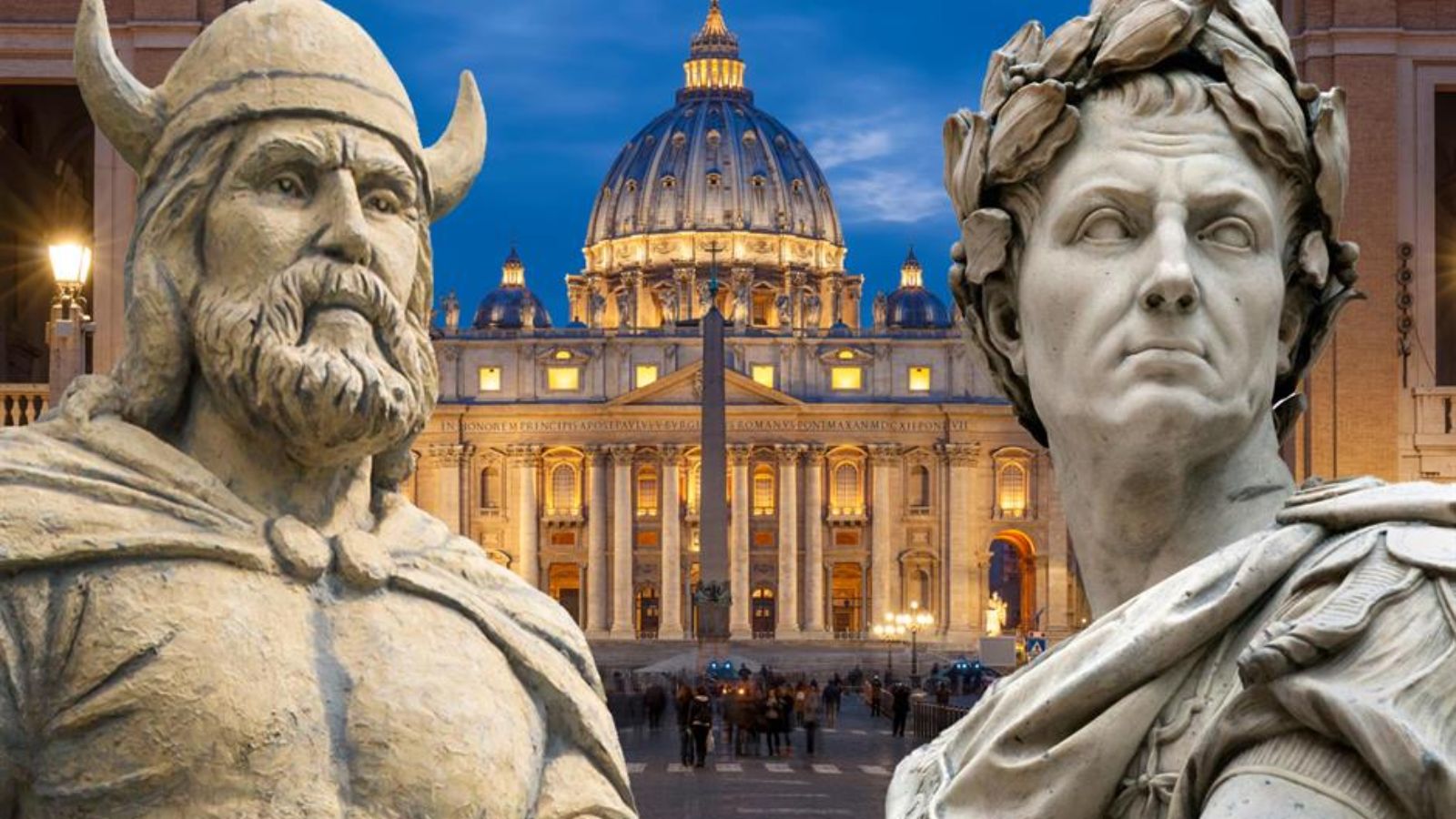
Image Credit: zimmytws via depositphotos
Europe’s history is a rich tapestry filled with iconic moments, legendary figures, and cultural movements that have shaped the modern world. However, the way we think about the past isn’t always accurate. Over time, stories and depictions have distorted our understanding of historical events, creating myths that persist today.
These myths have been perpetuated through books, movies, and popular culture, and many of us have come to believe them without questioning their veracity. From the truth behind Viking helmets to misconceptions about medieval battles, the stories we’ve been told about European history can often be far from the reality.
The French Army Is Only Good at Surrendering
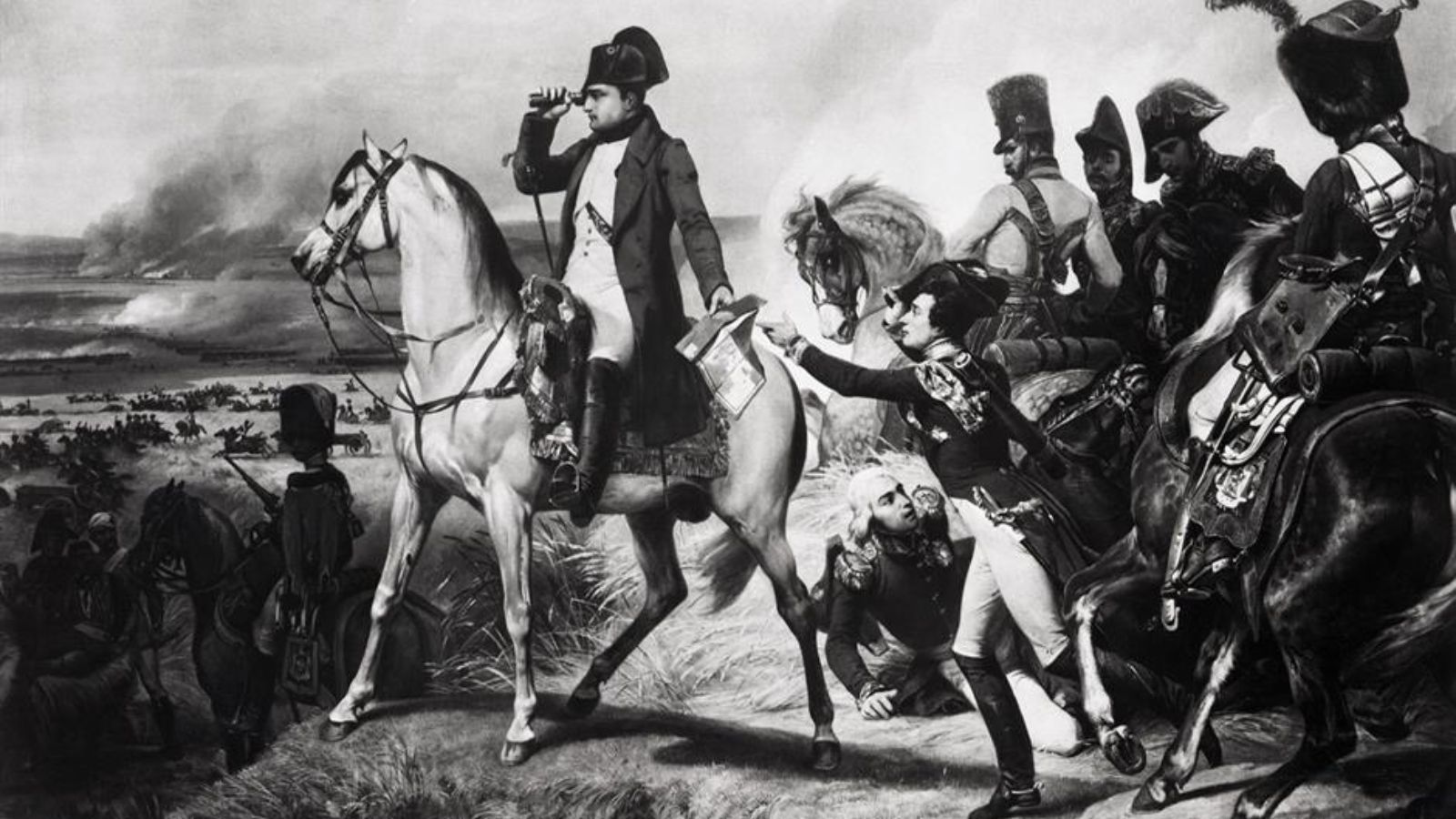
One of the most enduring stereotypes about France is the notion that its military is quick to surrender. This belief traces back to France’s defeat during World War II, particularly the rapid collapse in 1940 when Germany bypassed the Maginot Line and captured Paris.
The image of France surrendering to the Nazis has been further popularized in pop culture, notably in the infamous 1995 The Simpsons episode featuring “cheese-eating surrender monkeys.” But this myth ignores France’s long and storied military history. In fact, the French have one of the most successful military records in Europe. France has won 109 major battles throughout history, including under the leadership of Napoleon Bonaparte.
The idea that the French army is inherently cowardly is both inaccurate and unfair, overlooking France’s significant contributions to European history and its pivotal role in various conflicts.
Pirates Made Their Victims Walk the Plank
The classic image of pirates forcing their victims to walk the plank is a staple of adventure stories, movies, and children’s tales. But in reality, walking the plank was not a common practice among pirates. While it makes for dramatic storytelling, it wasn’t a practical or efficient way for pirates to deal with their prisoners.
Most pirates preferred other forms of punishment, such as flogging or marooning their victims on deserted islands with minimal supplies. The idea of walking the plank, first popularized in literature such as Daniel Defoe’s Robinson Crusoe, didn’t emerge until much later. During the “Golden Age of Piracy,” pirates had far more effective and brutal ways to deal with their captives, and walking the plank was, at best, a rare spectacle used in fiction, not fact.
Viking Helmets Were Horned
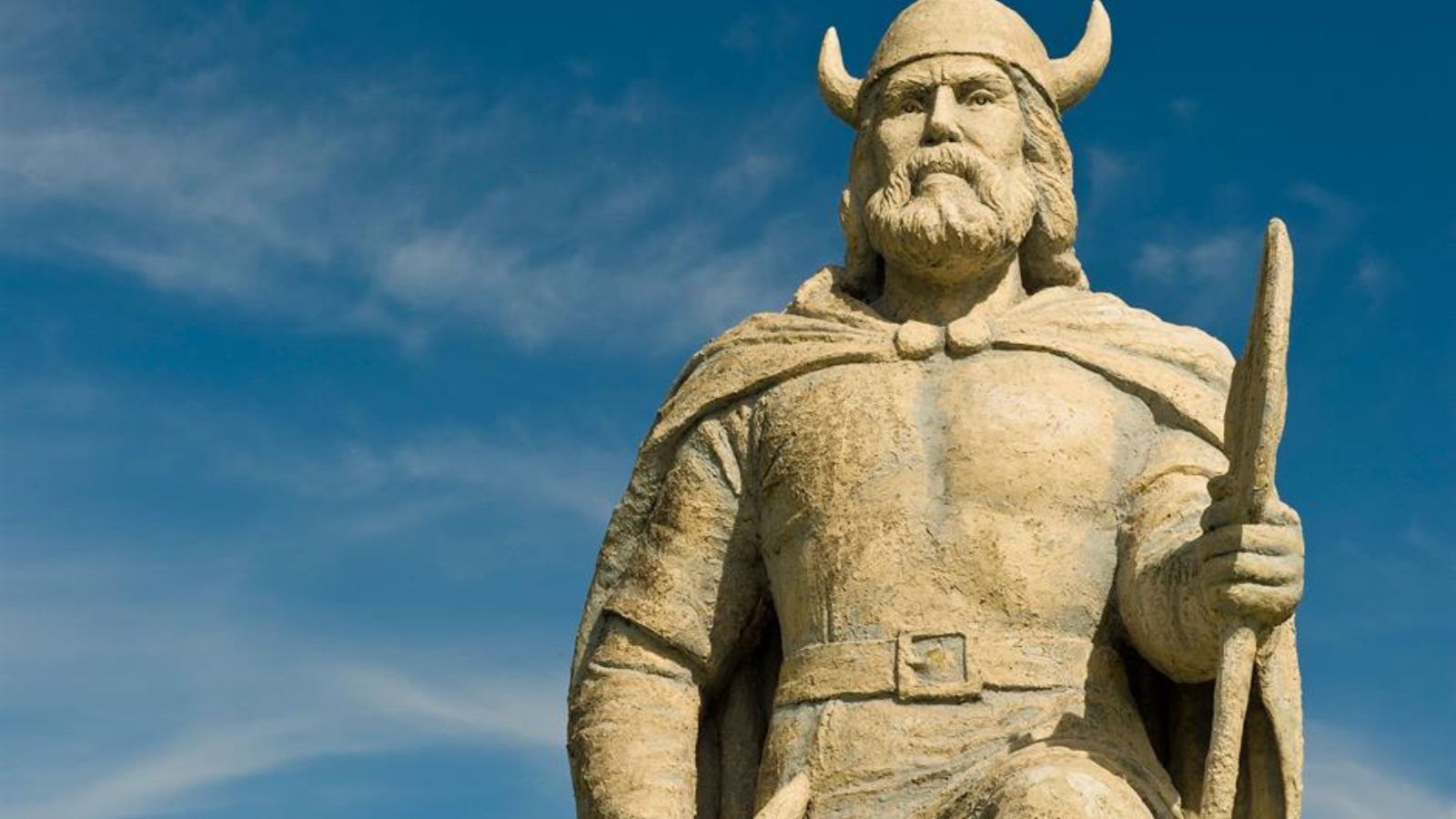
When most people think of Vikings, they picture fierce warriors with horns protruding from their helmets, ready to strike fear into their enemies. The image is so ingrained in our minds that it’s become a symbol of Viking power and ferocity. However, the truth is far less dramatic. There is no historical evidence to suggest that Vikings ever wore horned helmets.
Archaeological findings have revealed only two surviving Viking helmets, both of which were horn-free. The myth likely stems from 19th-century romanticized depictions of Vikings, fueled by artistic imagination and opera performances. Adding horns to Viking helmets made them more visually striking, but in reality, such a design would have been impractical.
The helmets would have been too cumbersome and vulnerable to getting caught in trees or weapons during battle. Vikings, in reality, wore simple, practical headgear made of iron or leather for protection.
The Spanish Flu Came from Spain
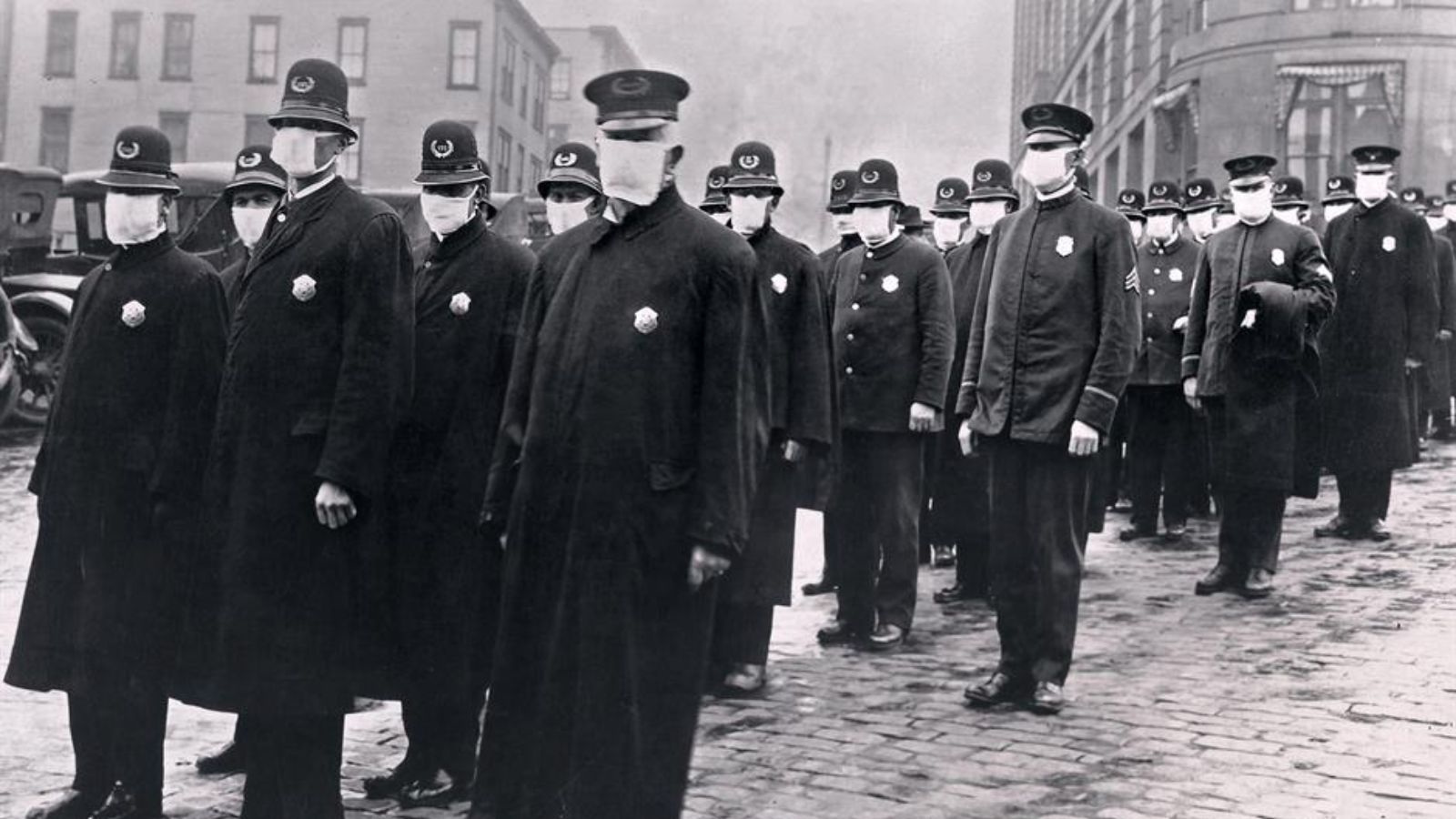
The Spanish Flu, which devastated the world in 1918-1919, is often mistakenly associated with Spain, leading many to believe it originated there. However, the truth is more complex. The Spanish flu’s name actually comes from the fact that Spain, being neutral during World War I, had a free press that reported extensively on the outbreak.
In contrast, countries involved in the war, like Britain and the United States, censored their media to maintain national morale. This lack of early reporting in war-torn countries meant that Spain became the focal point of international attention, even though the flu likely spread from multiple regions, including the U.S. Military camps.
While Spain had a significant number of cases, the virus did not originate there. Therefore, the name “Spanish Flu” is a misleading misnomer that has endured despite its historical inaccuracies.
Medieval Battles Were Chaotic Brawls
Popular films like Braveheart and Game of Thrones often depict medieval battles as chaotic, disorganized brawls. Soldiers charge headfirst into combat, fighting in a frenzy with little strategy or order. While such depictions make for exciting scenes on screen, they are far from the reality of medieval warfare.
Medieval battles were often highly structured, with soldiers fighting in tight formations. The goal was not to create chaos but to maintain control and discipline. Advances were slow and calculated, as soldiers needed to preserve their strength and avoid exhaustion, especially given the heavy armor they wore.
Most medieval battles ended with a retreat or a surrender, rather than complete annihilation. Sieges were far more common than large, pitched battles, and often determined the outcome of conflicts.
Napoleon Was Defeated at Waterloo by the British Alone
Napoleon Bonaparte’s defeat at the Battle of Waterloo in 1815 is often seen as the result of British and Allied forces defeating the French Emperor. While British forces played a crucial role, the myth that Britain was the sole contributor to Napoleon’s downfall overlooks the Prussians’ significant role. The Prussian army, led by Gebhard Leberecht von Blücher, arrived at a critical moment to assist the British under Duke of Wellington.
Without the timely intervention of the Prussian army, it is uncertain whether the French would have been defeated at Waterloo. The cooperation between the British and Prussian forces is a testament to the importance of alliance and strategy in shaping the outcome of this pivotal battle.