6 Common Misconceptions About Native Americans
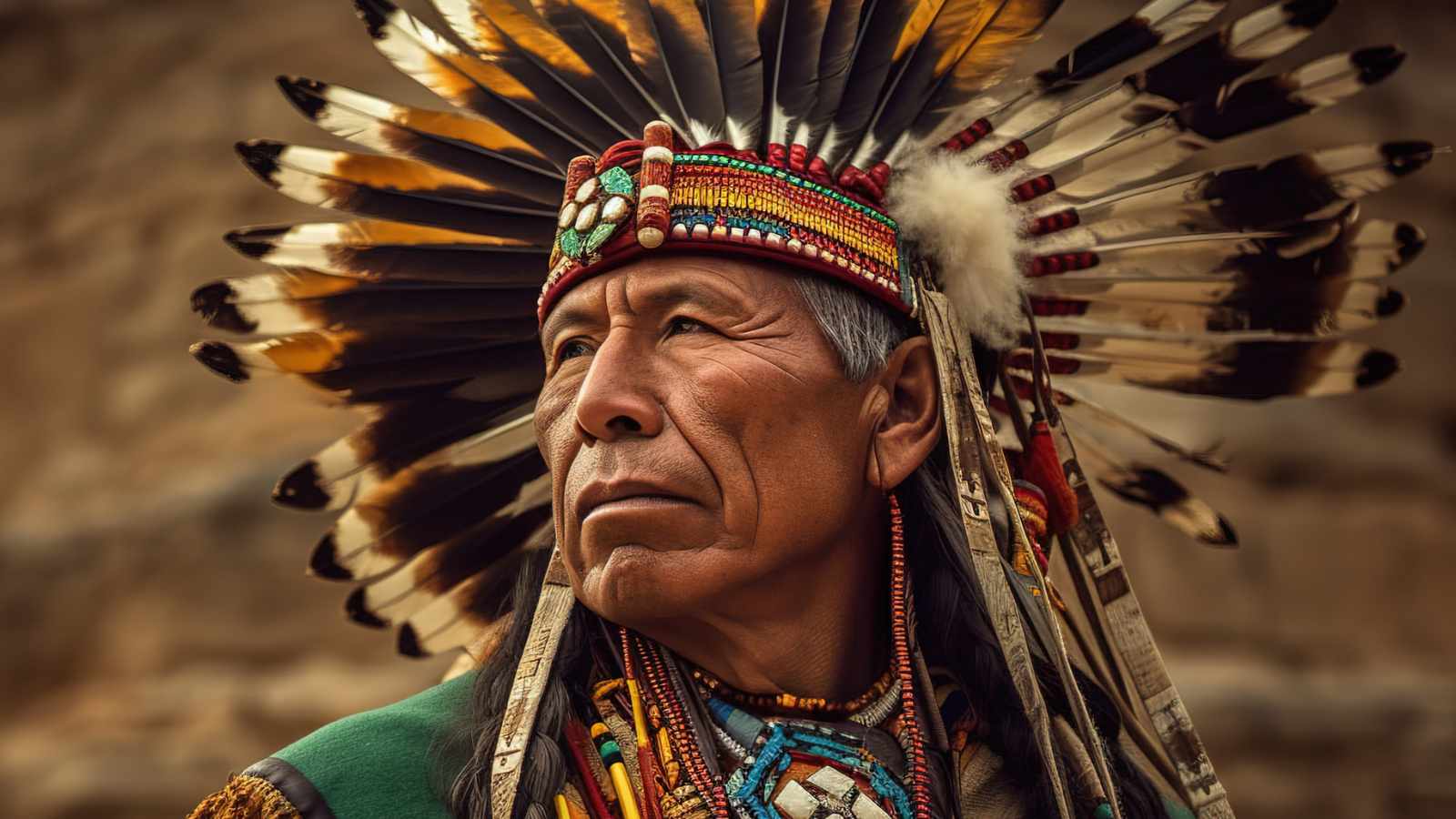
Image Credit: ripiopv via 123RF
Despite the significant strides made in educating the public about Native American history and culture, many enduring myths still cloud the collective understanding of Native peoples. These misconceptions, deeply ingrained in American culture, often perpetuate harmful stereotypes and obscure the vibrant and diverse cultures that Native communities continue to uphold.
As we confront these myths, we aim to foster a deeper, more accurate understanding of Native American life today.
All Native Americans Are the Same

One of the most common misconceptions is the belief that all Native Americans share a single identity, culture, or language. In reality, the U.S. recognizes 574 federally recognized tribes, each with distinct traditions, languages, and governance systems. For example, the Cherokee Nation of Oklahoma differs vastly from the Inuit people of Alaska, just as the Navajo Nation of the Southwest has a unique cultural and historical identity.
These tribes reflect a vast array of cultural practices and languages, much like how Europeans are diverse despite sharing a continent.
Native Americans Are All Living on Reservations
While reservations do remain home to many Native Americans, they do not represent the majority of the Native population. Approximately 78% of Native Americans live off-reservation, often in urban areas such as Los Angeles, New York, and Phoenix. Reservations themselves vary greatly in size and resources. For example, the Navajo Nation spans over 27,000 square miles, whereas some reservations are small and lack basic amenities such as healthcare and broadband access.
Native Americans Are No Longer Present in Modern Society
A pervasive myth about Native Americans is the belief that they no longer exist as vibrant, contemporary peoples, relegated only to the past. The truth is that Native Americans are not only present today but are thriving in modern society. From successful entrepreneurs and professionals to activists and cultural leaders, Native Americans are making significant contributions in every field.
According to the 2020 U.S. Census, the Native American population is at its highest in history, reflecting a resurgence in cultural, social, and economic influence.
Native Americans Don’t Pay Taxes

A common misconception is that Native Americans are exempt from paying taxes. Indeed, Native Americans living on tribal land are sometimes exempt from paying state taxes on income earned from that land, but they still pay federal taxes and other taxes when living off-reservation or engaging in business outside of tribal lands. Furthermore, income earned on reservation land may be tax-free, but those individuals forgo public services supported by such taxes.
The “Vanishing Indian” Myth
The “vanishing Indian” myth suggests that Native Americans are a thing of the past, existing only in history books. In truth, Native American populations have been steadily growing. From a population of around 5.2 million in 2010, the Native American population reached nearly 9.7 million in 2020. Native communities are not disappearing; they are evolving and adapting to modern challenges.
Native Americans Were Primitive
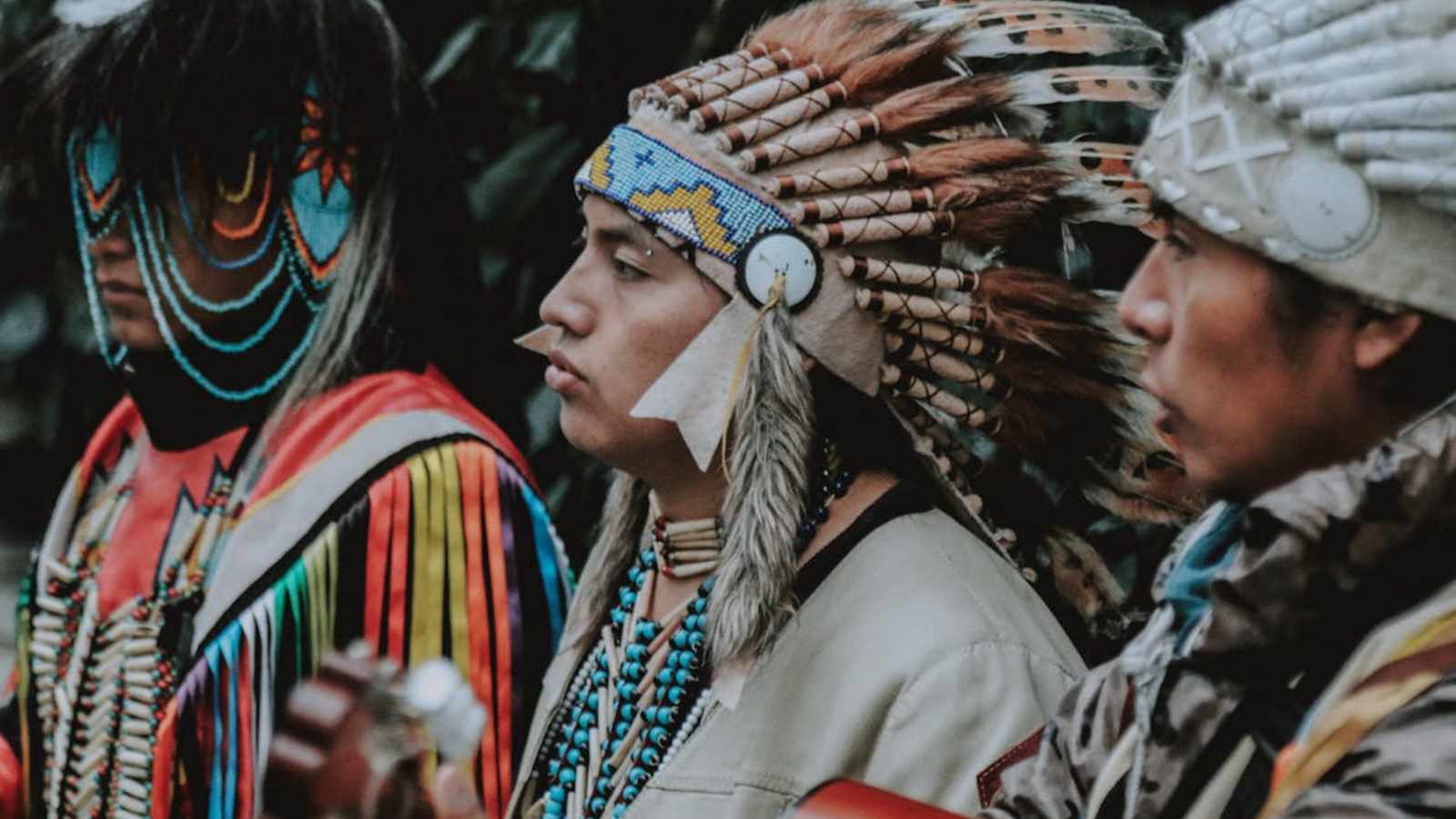
Native American societies were anything but primitive. They developed complex political structures, urban centers, agricultural innovations, and technologies that influenced the modern world. Native farming practices gave rise to crops such as corn, potatoes, and cacao, which are staples of today’s global food systems.
Key Takeaways
Native Americans are not relics of the past but vibrant, living communities that continue to shape America’s cultural landscape. It is vital to listen to Native voices, respect their sovereignty, and acknowledge their contributions, both historical and ongoing, in our shared world.