Common Home Appliance Mistakes You’re Probably Making

Image Credit: sherbakvolodymir/123rf
Appliances in our homes work tirelessly to make life more convenient. From the fridge that keeps your food fresh to the oven that helps prepare meals, we depend on these machines daily.
However, many homeowners unknowingly make simple mistakes that lead to inefficiency, damage, or costly repairs. These mistakes often stem from neglect, misuse, or lack of maintenance.
Thankfully, with a bit of knowledge and awareness, these pitfalls can be easily avoided, extending the lifespan of your appliances and saving you money in the long run.
In this article, I’ll break down seven common appliance mistakes that homeowners make, why they happen, and, most importantly, how you can avoid them.
Choosing the Wrong Detergent for Your Dishwasher

Using the wrong detergent in your dishwasher is another common mistake. While it might seem harmless, regular dish soap can create too many suds, causing the dishwasher to overflow.
On the other hand, using too much dishwasher detergent can leave a soapy residue on your dishes, affecting both their cleanliness and the longevity of your appliance.
Always use dishwasher-specific detergent. Measure the appropriate amount based on the size of your load, and follow manufacturer recommendations to avoid damage.
Neglecting the Cleaning of Refrigerator Coils
The coils at the back or beneath your refrigerator are crucial for heat dissipation. Over time, dust and debris accumulate on these coils, forcing the fridge to work harder and less efficiently. This not only leads to higher energy bills but can also shorten your appliance’s lifespan.
Clean the condenser coils every three to six months. Use a vacuum or a brush to remove dust and dirt. Regular cleaning can save you money on energy bills and prevent premature breakdowns.
Overloading Your Dishwasher
While it may seem like you’re saving time by loading more dishes into your dishwasher, overloading it can reduce the dishwasher’s cleaning efficiency. Crowding the dishwasher prevents water from reaching every dish, leaving spots, stains, and even food residue behind.
Avoid cramming too many dishes into your dishwasher. Arrange them properly, with enough space between items, to allow water to circulate freely. It’s better to run two smaller loads than to overload the machine and end up with half-clean dishes.
Using Your Oven’s Self-Cleaning Feature Too Often
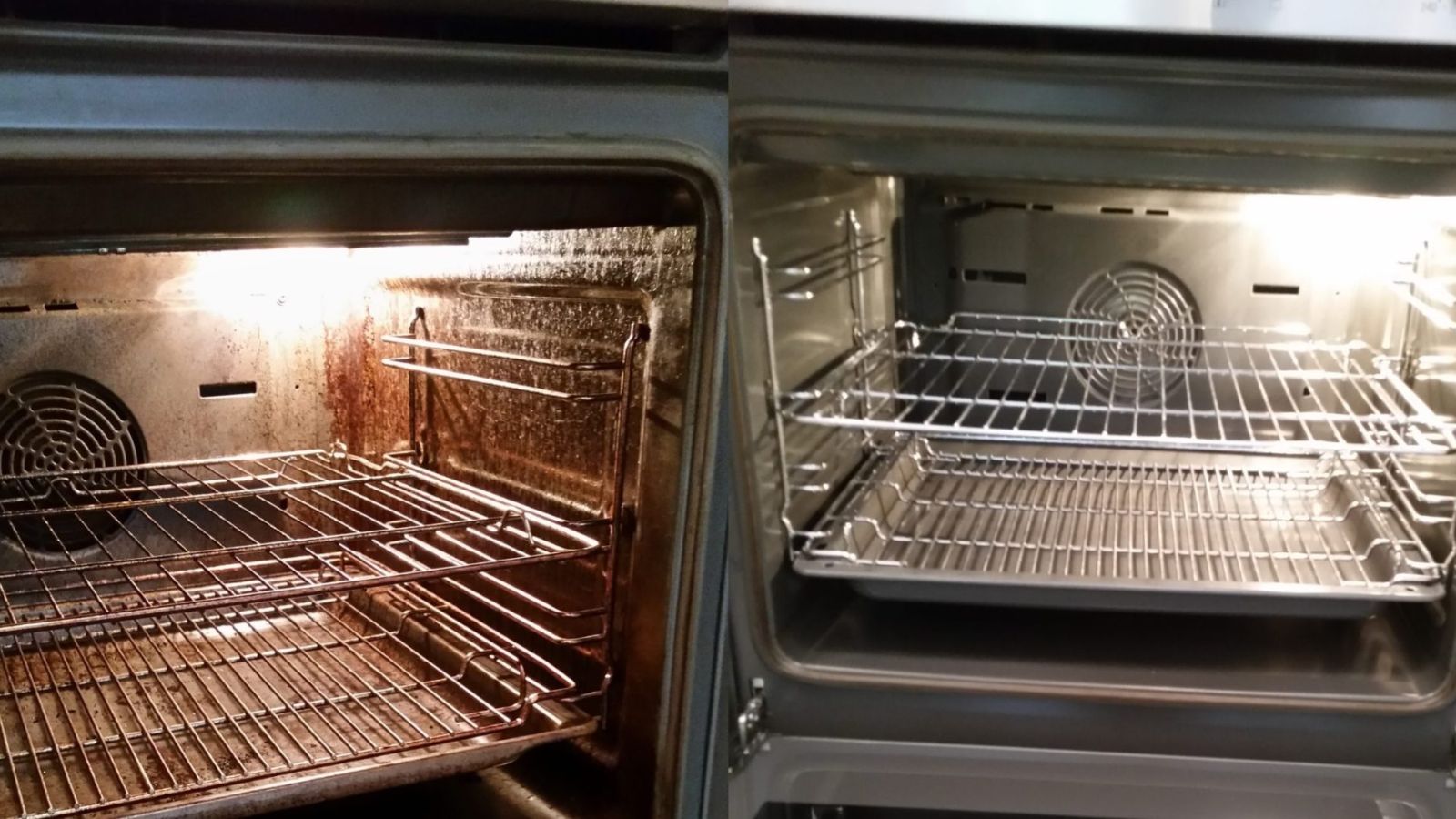
Many modern ovens come with a self-cleaning feature, which can seem like a convenient option for homeowners. However, this feature uses high temperatures to burn off grease and food residue, which can be harsh on your oven’s internal components. Frequent use of the self-cleaning mode can lead to damage, reduced lifespan, and costly repairs.
Limit the use of the self-cleaning feature. Instead, manually clean your oven with non-abrasive cleaning products. This will prevent unnecessary wear and tear and ensure your oven remains in peak condition.
Ignoring the Oven Door Seal
An often-overlooked component of your oven is the door seal. This rubber seal prevents heat from escaping during cooking, maintaining the efficiency of your oven. When the seal is damaged or worn, heat escapes, making it harder for your oven to reach and maintain the desired temperature.
This not only leads to uneven cooking but also results in higher energy consumption. Regularly inspect the oven door seal for any signs of wear and replace it if necessary. A good seal helps your oven perform optimally and prevents wasted energy.
Overloading Your Refrigerator
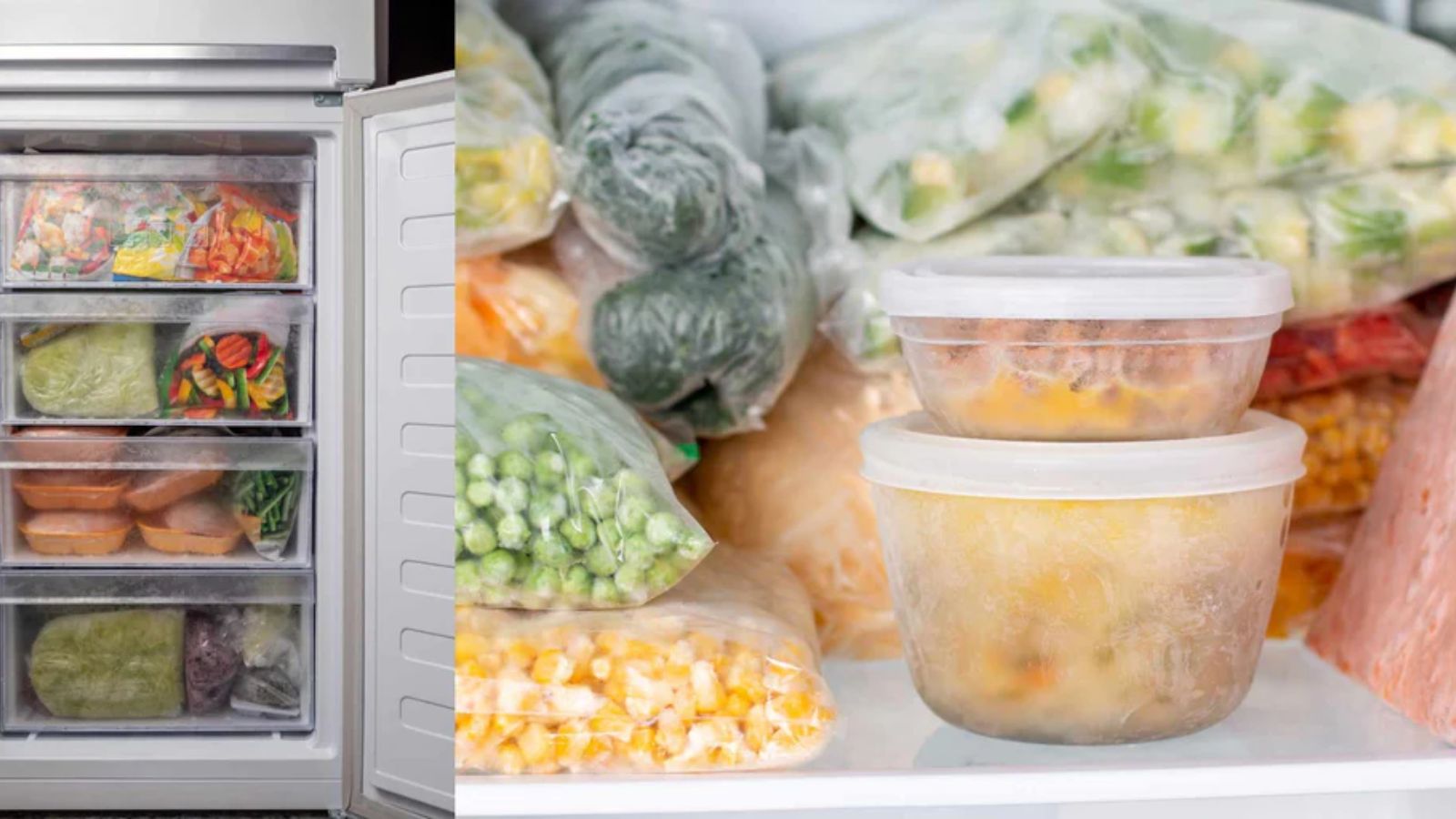
The refrigerator is the hardest-working appliance in your kitchen. It runs 24/7 to keep your food fresh, and when used correctly, it’s a true marvel of efficiency. However, one of the most common mistakes homeowners make is overstuffing the fridge.
You may think that cramming every last inch with food is an efficient use of space, but this actually blocks the airflow, preventing the fridge from maintaining a consistent temperature. The result? Your fridge has to work overtime, consuming more energy and possibly breaking down over time. Additionally, a cramped fridge increases the likelihood of food spoiling more quickly, creating unnecessary waste.
Organise your fridge to ensure adequate air circulation. Leave some breathing room for your food, and don’t overstuff shelves. Regularly clean the coils to ensure proper airflow and energy efficiency.
Key Takeaways
Appliances are designed to make our lives easier, but if not properly maintained, they can quickly become a source of frustration and costly repairs. By avoiding common mistakes like overloading your fridge, neglecting your oven’s seal, or using the wrong detergent, you can extend the lifespan of your appliances and keep them running at their best.
Remember, a little regular care goes a long way in maintaining appliance efficiency and avoiding costly repairs. Whether it’s cleaning your refrigerator coils, checking your oven door seal, or ensuring that your dishwasher is loaded correctly, these simple practices can help prevent issues before they arise.