5 Common Foods That Can Turn Toxic When Reheated – Yet Families Still Do It
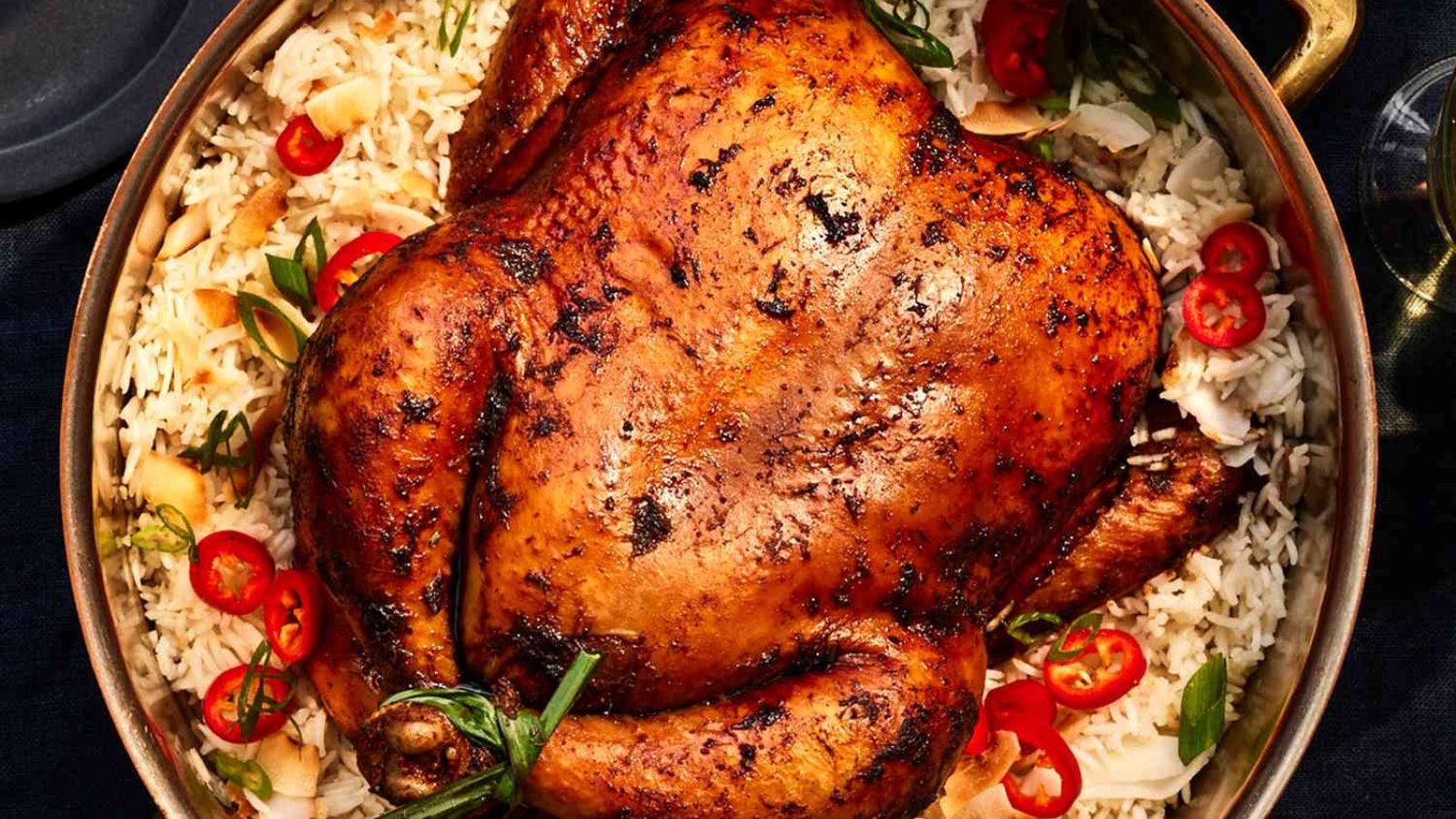
Image Credit: dedmityay via 123RF
For those dedicated to fitness and maintaining a healthy lifestyle, preparing home-cooked meals is a non-negotiable aspect of their routine. Meal prepping, with its ability to offer both convenience and control over ingredients, plays a vital role in staying on track with dietary goals. On occasion, when a special dish is prepared, leftovers are an inevitable outcome, often saved for a quick lunch or a late-night snack.
While enjoying leftovers certainly isn’t a transgression, reheating certain foods can come at a significant cost to your health. Some items may lose essential nutrients during the reheating process, while others pose more serious risks, potentially upsetting your digestive system or even leading to food poisoning.
Potatoes
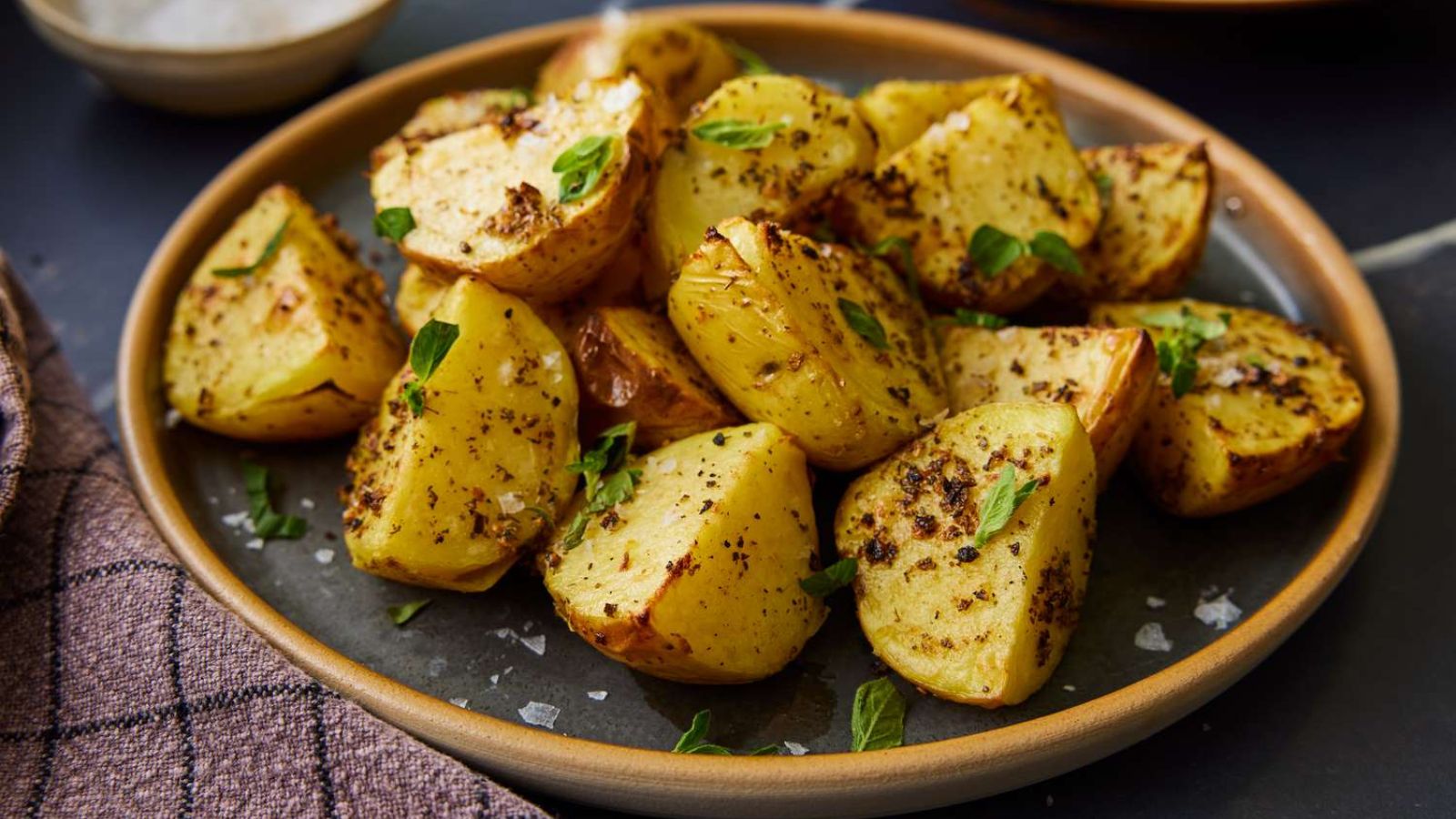
Potatoes are a beloved comfort food, often enjoyed as a side dish or in leftovers. However, if potatoes are not stored correctly after cooking, they can become a breeding ground for dangerous bacteria like Clostridium botulinum, which causes botulism—a rare but potentially fatal illness.
Cooked potatoes should never be left at room temperature for extended periods. If they are not promptly refrigerated, the bacteria Clostridium botulinum can grow, producing toxins that are not destroyed by reheating. Even if you reheat the potatoes to a high temperature, the toxins remain, and consumption can lead to serious illness.
To safely store potatoes, refrigerate them as soon as possible after cooking. If they have been left at room temperature for more than two hours, it is best to discard them to avoid the risk of botulism.
Eggs
Eggs are a common breakfast food and a versatile ingredient in many dishes. However, reheating eggs can be tricky, especially if they were not cooked thoroughly the first time around. Eggs that have not reached an internal temperature of at least 160°F (71°C) can harbor bacteria like Salmonella, which can survive reheating.
When eggs are reheated, especially if they have been sitting out or stored improperly, bacteria can multiply and cause foodborne illness. Dishes like scrambled eggs, omelets, or quiches are particularly vulnerable to bacterial contamination if they have not been cooked and stored correctly.
To minimize the risk, make sure eggs are cooked fully the first time and stored in the fridge right away. If you must reheat eggs, ensure they are heated thoroughly to 165°F (74°C) to kill any harmful bacteria.
Seafood

Seafood is known for its delicate flavor and texture, but it also has a shorter shelf life than many other foods. Fish, shrimp, and shellfish spoil quickly if not stored properly, making reheating a potential health risk. Bacteria that can grow on seafood, such as Vibrio or Listeria, are not always killed during reheating if the seafood is not handled properly.
The main concern when reheating seafood is ensuring it has been cooled and stored quickly after cooking. If seafood is not refrigerated immediately or if it has been left out at room temperature for too long, harmful bacteria can multiply and cause food poisoning.
To ensure seafood is safe to reheat, store it in the fridge as soon as possible after cooking and reheat it thoroughly to a temperature of 165°F (74°C). Avoid reheating seafood multiple times, as the risk of contamination increases with each cycle.
Rice
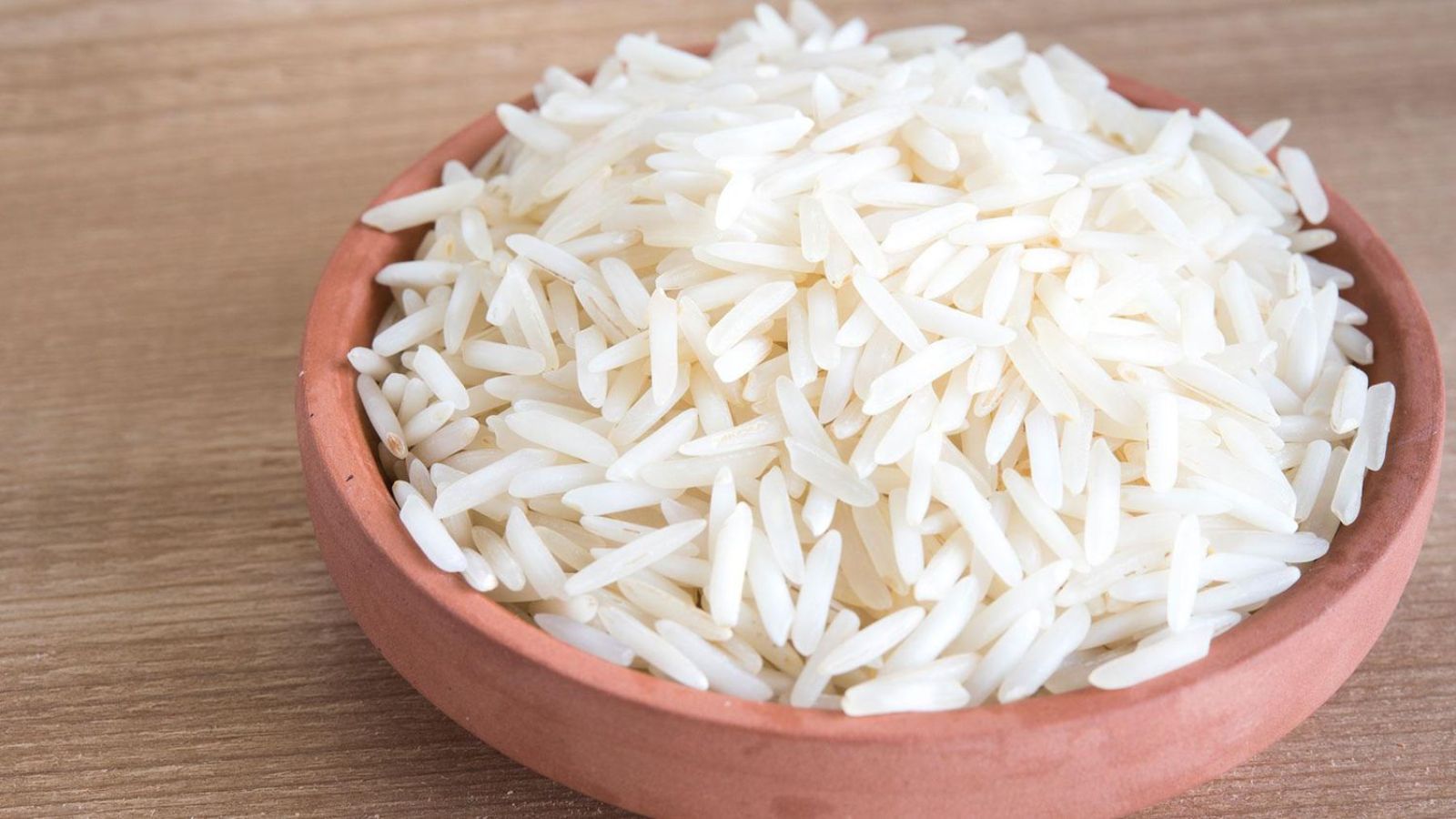
Rice is a staple in many households and often appears as leftovers after a delicious meal. It may seem harmless to simply pop it in the microwave and enjoy, but reheating rice can pose a hidden danger if not handled correctly. The issue lies in Bacillus cereus, a bacteria that thrives in rice when left out at room temperature. This bacteria can survive reheating and lead to food poisoning symptoms such as vomiting and diarrhea.
Rice is particularly susceptible to Bacillus cereus contamination when it is cooked in large batches and left to sit at room temperature. The bacteria produce toxins that are not destroyed by heat, making reheating unsafe if the rice was not properly cooled and stored in the fridge soon after cooking.
To safely store rice for later consumption, refrigerate it within two hours of cooking and reheat it to a temperature of 165°F (74°C) before serving. If rice has been sitting out too long, it is safer to discard it.
Chicken
Chicken is a popular and versatile protein, but reheating it can lead to both texture and safety issues. If chicken is not reheated to the proper temperature, it can allow harmful bacteria, such as Salmonella or Campylobacter, to survive, leading to potential foodborne illness.
When chicken is reheated, the texture can change, often becoming dry and tough. However, the bigger concern is that undercooked or improperly reheated chicken can still harbor harmful bacteria. If chicken is not reheated to an internal temperature of 165°F (74°C), there is a risk of food poisoning.
To safely reheat chicken, ensure that it is stored properly in the fridge and that it is reheated to the proper temperature. If the chicken has been sitting out for too long or has already been reheated multiple times, it is safer to discard it.
Conclusion
While reheating leftovers can be a convenient way to enjoy a quick meal, it is important to be mindful of which foods are safe to reheat. The five foods discussed in this article—rice, eggs, seafood, chicken, potatoes, mushrooms, and spinach—are particularly prone to foodborne illness if not stored and reheated properly.
To ensure your leftovers remain safe, always follow proper food safety guidelines. Store cooked food in the refrigerator promptly, and always reheat it to the recommended temperature of 165°F (74°C). By taking these precautions, you can avoid the hidden dangers of reheating and enjoy your meals without worry.