Common Decluttering Myths That Are Making Your Home Messier

Image Credit: cloud7days/123rf
Decluttering is one of those tasks that we all know we should do, but often put off for one reason or another. It’s no secret that a cluttered home can create feelings of stress and unease, yet decluttering often seems like a daunting and never-ending chore. If you’ve ever tried tidying up, only to find that your home looks messier afterward, you’re not alone.
In fact, some common myths about decluttering can actually make your situation worse. Let’s debunk several popular decluttering myths and reset the mindset for a new perspective. Below are 5 popular decluttering myths you can ignore and stop using as excuses so you can get the clutter out of your home once and for all.
You Must Declutter Everything at Once

The idea that you need to clear out your entire home in one go is one of the most common misconceptions in the decluttering world. Sure, the thought of starting with a clean slate might sound appealing, but in practice, trying to declutter everything at once can lead to overwhelming stress and burnout. Instead of tackling the whole house in one go, break down the task into manageable chunks.
Start with smaller spaces like a drawer, shelf, or countertop. This way, you can make tangible progress without feeling overwhelmed. Once you’ve decluttered one small area, you’ll be motivated to tackle another. Over time, these small efforts will add up to a clutter-free space. Remember, decluttering is a marathon, not a sprint.
Decluttering Is a One-Time Event
Many people treat decluttering as a one-off task: “I’ll spend a weekend tidying up, and then my home will be clutter-free forever.” Unfortunately, that’s not how it works. Clutter can easily accumulate again, and if you don’t stay on top of it, you’ll find yourself back where you started.
Decluttering is an ongoing process. It’s important to set aside time every week or month to reassess your belongings and get rid of anything you no longer need. Small, consistent efforts are far more effective than waiting for a big decluttering event each year. This way, clutter will never get the chance to pile up and overwhelm you.
Empty Space Is a Waste of Space
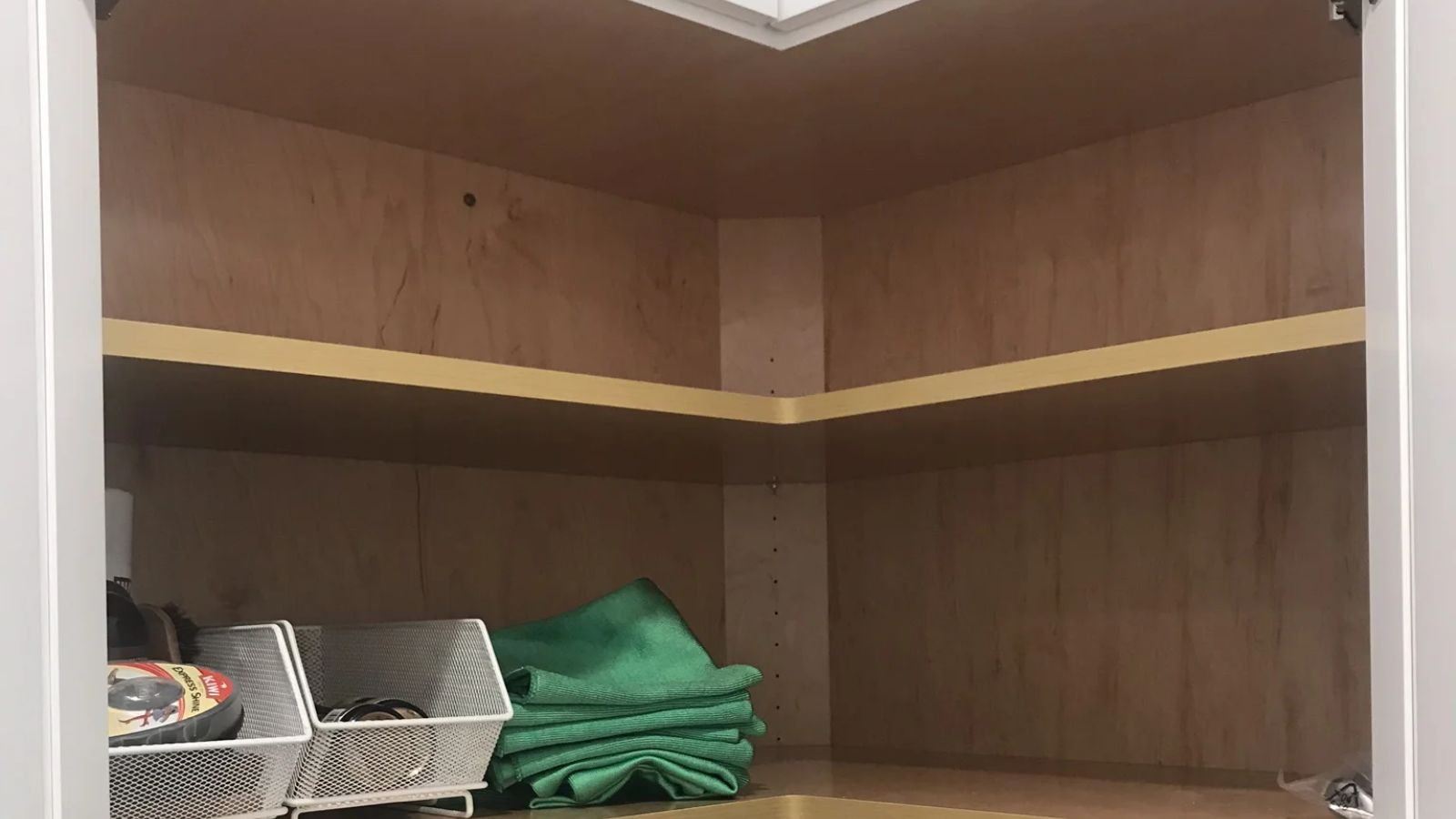
Have you ever looked at a room with empty corners or unadorned walls and thought it looked incomplete? This is another decluttering myth that trips up many people. Empty space is actually a key component of a well-balanced, peaceful home. It provides visual breathing room and makes your home feel less crowded.
When you leave space open, it creates a sense of calm and organization. Instead of filling every corner with furniture or decor, learn to appreciate the beauty of simplicity. Empty spaces highlight the items you truly care about and allow your home to feel airy and open. Decluttering Takes Too Much Time
One of the biggest barriers to decluttering is the misconception that it takes hours or even days to get organized. While it’s true that major decluttering projects can take some time, there are plenty of small tasks that can be completed in just 10–15 minutes. Whether it’s sorting through a single drawer or organizing your desk, taking small steps can make a big difference in the long run.
Only Messy People Have Clutter

Clutter isn’t exclusive to messy or disorganized people. In fact, even the most organized individuals can fall victim to clutter at times. Life can get busy, and without a clear system for managing your belongings, things can start to pile up.
Clutter can build up for many reasons—lack of time, a change in routine, or simply not having enough space to store everything. The key to preventing clutter is to develop habits that keep your home organized, such as creating designated spaces for items and staying on top of regular tidying. It’s not about being “messy” or “neat”; it’s about maintaining a system that works for your life.