



The post Common Cooking Mistakes That Ruin Dinner, and the Simple Fixes That Actually Work first appeared on Crafting Your Home.
A dinner that comes out dry, soggy, bland, or burned can be disappointing, especially after you’ve spent time preparing it. But many kitchen mishaps are not signs that someone “cannot cook.” Often, the problem is simpler: a pan was too crowded, the heat wasn’t ready, the timing was slightly off, or a small technique detail changed the final result.
Cooking is a collection of small choices. Understanding why those choices matter can make everyday meals more predictable and help turn frustrating results into useful lessons.
Heat, moisture, and space can decide whether food browns or steams.
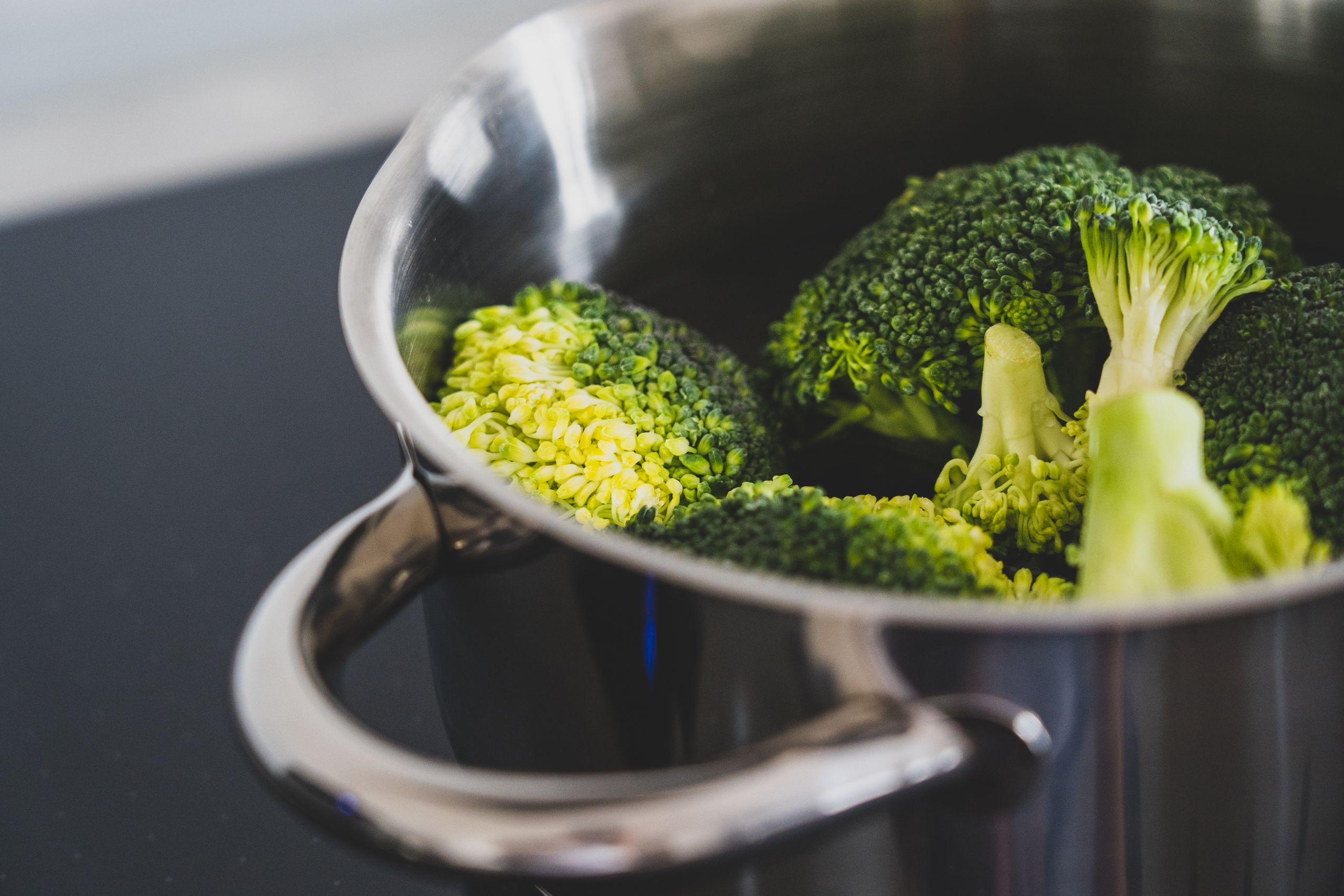
One of the most common cooking problems happens before the food even has a chance to develop flavor: the pan is too crowded. When you pack too much food into a skillet, moisture gets trapped. Instead of browning, the food begins to steam. The result can be gray meat, soft vegetables, or a texture that feels more boiled than roasted.
Utah State University Extension notes that overcrowding a stir-fry pan or covering it can cause vegetables to steam and become mushy instead of browning.
The same idea applies to starting with a pan that is not hot enough. Browning depends on sufficiently high, dry heat, and a cooler pan slows that process while food releases moisture. America’s Test Kitchen emphasizes that oil temperature matters for frying and that browning requires high, dry heat and enough space in the pan.
A larger skillet, cooking in batches, and preheating the pan before adding ingredients are simple adjustments that can make a noticeable difference. Good browning isn’t about complicated techniques; it is often about giving heat room to work.
Timing matters more than many recipes make obvious.
Some ingredients need attention at different moments because they do not cook at the same speed. Garlic is a good example. If you add it too early with slower-cooking vegetables, it can burn before ingredients like onions, carrots, or celery are ready. Burned garlic can affect the flavor of an entire dish.
The fix is usually about sequence: cook slower ingredients first, then add garlic closer to when you need its aroma. The brief’s research notes that timing and heat control are among the common cooking issues highlighted in NBC News’ roundup of mistakes, and that exact cooking times depend on factors such as ingredient size, heat, and recipe style.
Timing also affects texture. Vegetables that stay on the heat too long can become limp, watery, or dull. University of Minnesota Extension notes that incorrectly blanched vegetables can become too soft and lose quality. While that guidance focuses on blanching, it reflects a broader cooking lesson: heat changes texture, and stopping at the right moment matters.
Another small but important habit is allowing food to cook undisturbed when browning is the goal. Constantly moving steak, chicken, tofu, or mushrooms can prevent a flavorful crust from forming. Practical cooking guidance from Serious Eats recommends letting food stay in contact with the hot pan so browning can develop before you turn it.
Measuring and mixing mistakes can quietly change baking results.
Baking often feels less forgiving than cooking because small ingredient changes can affect a recipe’s entire structure. Flour measurement is one of the biggest examples. Scooping flour directly from the bag can compact it, meaning a cup may contain more flour than the recipe intended. That extra flour can lead to dry, dense, or tougher baked goods.
King Arthur Baking recommends weighing flour when possible and explains that careful measuring improves the likelihood of successful baked goods. It also identifies 120 grams as the flour weight used for a cup in its recipes.
Mixing technique matters too. For pancakes, muffins, scones, and other quick batters, overmixing can develop too much gluten and create a dense or chewy texture. King Arthur Baking explains that these batters are usually best mixed only until the dry ingredients are incorporated, with some small lumps remaining acceptable.
At the same time, “do not overmix” is not a rule for every baked good. Some cakes require a different approach because they depend on structure, aeration, and emulsification. Following the recipe’s specific mixing method matters more than applying one general baking rule everywhere.
Guessing can affect flavor and food safety.
Some dinner problems happen because people skip the final checks. Soups, sauces, and braises change as they cook: liquids reduce, flavors concentrate, and ingredients keep developing. Without tasting during the process, a dish may arrive at the table too salty, too acidic, or simply lacking balance.
Serious Eats’ testing on seasoning in stages supports adjusting seasoning throughout cooking rather than relying only on salt added at the table. The brief notes that this is test-kitchen guidance rather than a formal study, so treat it as a useful cooking practice rather than a universal rule for every recipe.
Safety is another area where guessing can create problems. Relying on color, clear juices, or touch alone is not a reliable way to confirm that foods such as chicken, burgers, or fish have reached safe temperatures. The USDA safe-temperature chart recommends using a thermometer and provides specific minimum temperatures for different foods.
Food safety also continues after cooking. Using a plate or utensil that held raw meat for cooked food can reintroduce contamination. FDA guidance recommends cleaning surfaces and equipment after raw-food contact and preventing cross-contamination between raw and cooked foods.
A better dinner often does not require expensive equipment or advanced recipes. Small habits reading the recipe before starting, leaving space in the pan, paying attention to heat, and using a thermometer instead of guessing can prevent many common problems. Cooking becomes easier when you treat mistakes as information: a clue about what the ingredients, heat, and timing needed all along.
Other Posts You Might Like:
If you like what you just read, then subscribe to our newsletter and follow us on social media.


