6 Clever Cooking Hacks That Make Healthy Eating A Breeze

Image Credit: anafox/123rf Photos
In the fast-paced world we live in, cooking at home often feels like a chore that gets pushed to the bottom of the to-do list. The constant juggling of work, family, and other responsibilities leaves little time for preparing a healthy, home-cooked meal.
When hunger strikes, it’s all too easy to order takeout or reach for processed snacks. But what if you could prepare wholesome meals without the stress and hassle?
This guide will show you how to cook healthy, tasty meals with minimal effort, saving you time, money, and the headache of figuring out what to eat every day.
Mastering the Basics of Healthy Cooking
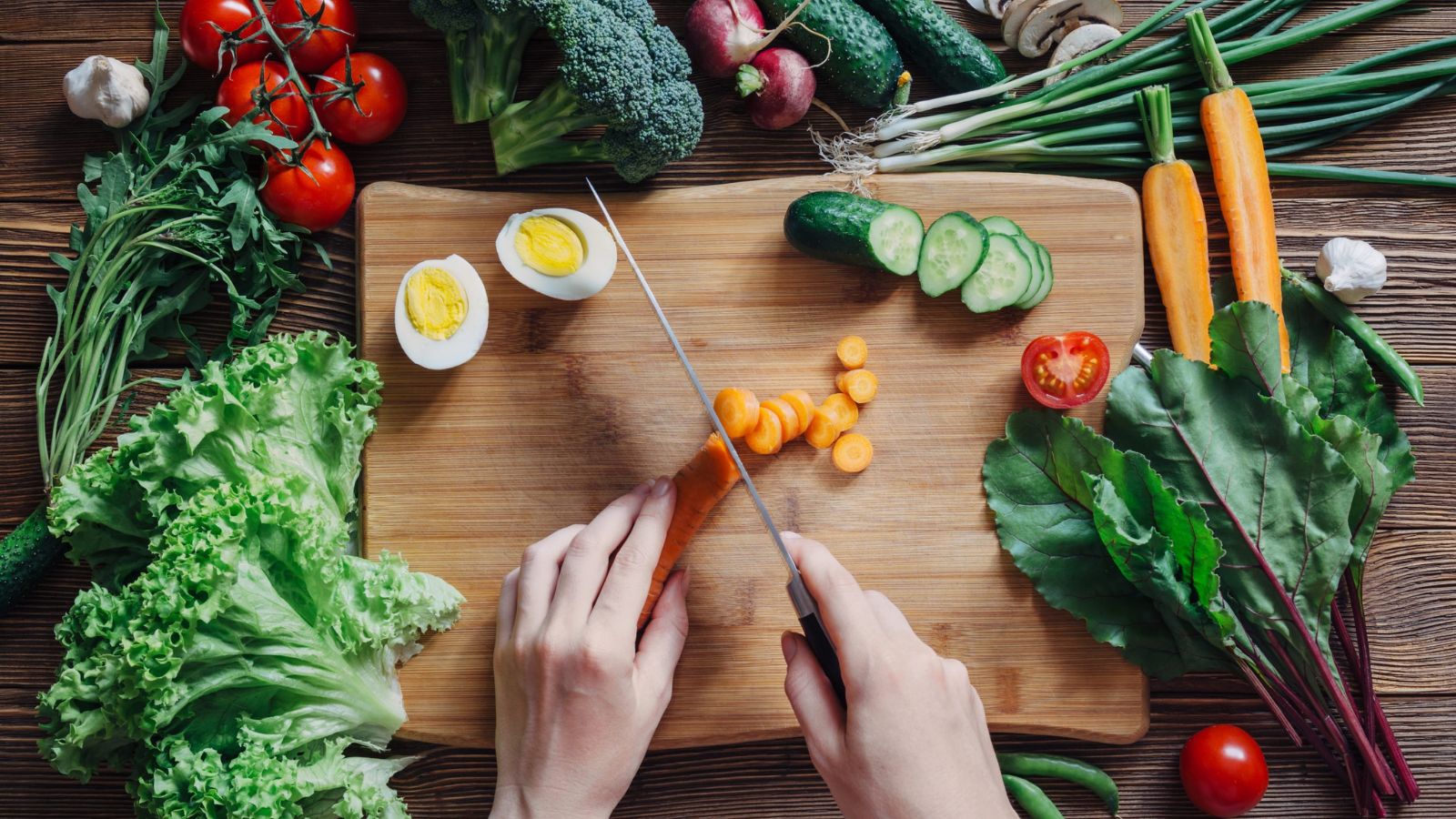
Creating healthy meals doesn’t have to be complicated or overwhelming. In fact, one of the simplest ways to ensure a balanced diet is by following the plate method. This method, recommended by nutrition experts like Morgan Chojnacki, a registered dietitian at UW Medical Center, provides an easy framework for meal planning.
The idea is simple: divide your plate into three sections. Half of your plate should consist of vegetables, a quarter of it should be protein, and the remaining quarter should be whole grains or starches, such as rice, quinoa, or pasta. This method helps you create meals that are balanced and nutritious, supporting stable blood sugar levels and providing the energy you need to get through your day. The best part? There’s no need to measure each ingredient precisely.
As long as you stick to these basic proportions, you can mix and match your favorite foods to create a variety of meals that are both satisfying and healthy.
Stocking Your Kitchen with Essentials
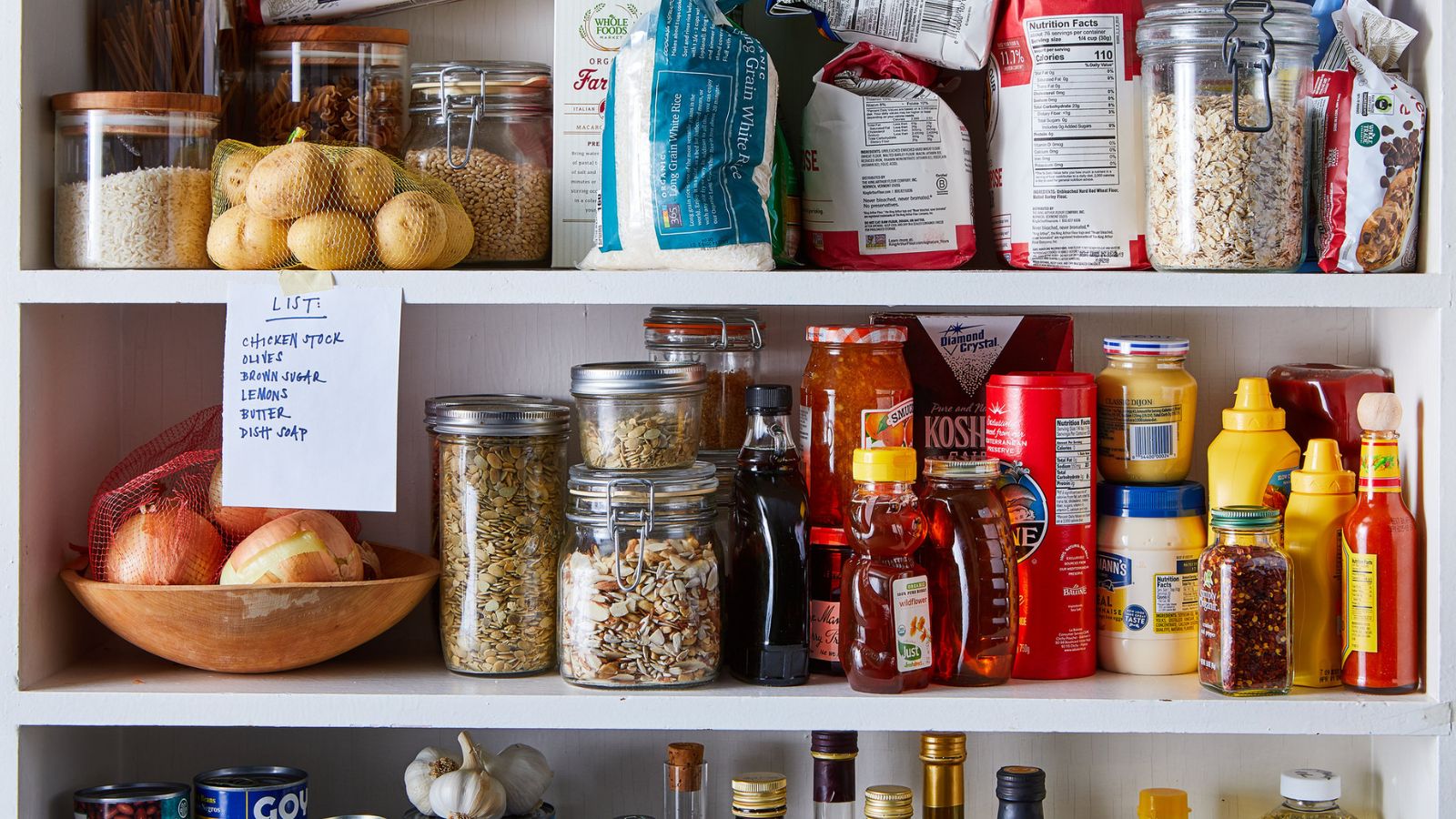
One of the easiest ways to set yourself up for success in the kitchen is by stocking your pantry with a few key ingredients. Having a well-stocked kitchen means you’re always prepared to make a quick, healthy meal, even on the busiest of days. Some pantry staples to keep on hand include:
- Frozen vegetables: These are a great time-saver when you don’t have fresh produce available. Frozen veggies can be quickly sautéed, added to soups, or tossed into pasta dishes.
- Whole grains: Grains like brown rice, quinoa, and whole wheat pasta are filling, nutritious, and versatile. They form the perfect base for any meal, whether you’re making a stir-fry or a grain bowl.
- Frozen protein sources: Stocking up on proteins like chicken breasts, fish, or even plant-based options like tofu or tempeh ensures you always have a healthy protein to cook with, even if you didn’t have time for a grocery run.
- Canned beans and lentils: These are inexpensive and protein-rich options that require no cooking. Keep a few cans on hand for a quick and easy addition to salads, soups, or grain bowls.
- Herbs and spices: A well-stocked spice rack can transform a bland meal into something special. Essential spices like garlic powder, cumin, and chili flakes will add flavor and depth to your dishes without extra calories or sodium.
With these ingredients, you can create a wide variety of meals in no time. The key is to always have a few staples on hand that can be quickly combined to form a nutritious, satisfying meal.
Pre-Chopped Vegetables and Ready-to-Cook Protein
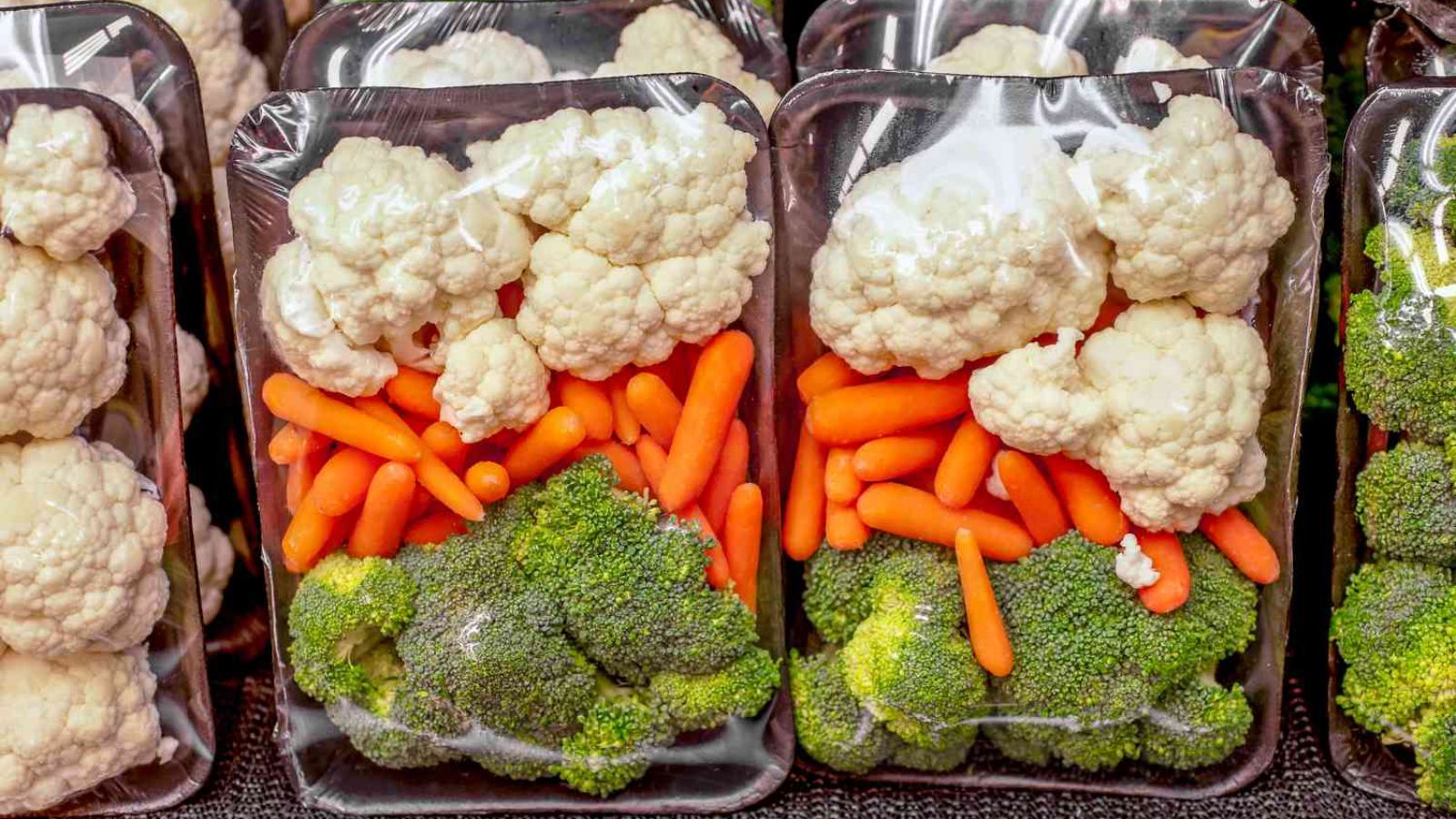
Not everyone enjoys chopping vegetables, and that’s perfectly fine. Buying pre-chopped vegetables—whether fresh or frozen—can save you valuable time and effort. These vegetables can be quickly sautéed, roasted, or added to soups without any extra prep work.
Similarly, if you’re not keen on handling raw meat, consider buying rotisserie chicken, pre-marinated tofu, or even frozen shrimp. These protein options are convenient, healthy, and cook quickly, allowing you to prepare a meal in no time.
Slow Cookers
If you’re looking for a hands-off cooking method that requires little effort, a slow cooker is your best friend. A slow cooker allows you to combine your ingredients, set the timer, and let it cook while you go about your day. Whether you’re making a hearty chili, a vegetable stew, or a tender roast, slow cookers take the stress out of meal prep.
By the time you come home from work, your meal is ready to serve, hot and comforting, with no need to stand over the stove.
Freeze Leftovers for Future Meals
Another great way to save time is by cooking in bulk and freezing your leftovers. If you prepare a large batch of soup, stew, or casserole, you can store the extra portions in freezer-safe containers. When you need a quick meal, simply heat it up and enjoy.
Freezing leftovers also allows you to always have a homemade meal on hand, reducing the temptation to order takeout. Just make sure to heat frozen meals to 165°F (74°C) to ensure they’re safe to eat.
Making Healthier Choices When Shopping for Pre-Made Meals
On days when you simply don’t have the energy to cook, it’s okay to rely on pre-made meals. However, not all pre-packaged options are created equal. When selecting pre-made meals from the store, it’s important to read the ingredient list and choose options that are as simple and wholesome as possible.
Look for meals with a short ingredient list, free of artificial additives and preservatives. Opt for dishes that feature whole foods like chicken, fish, or vegetables, and choose meals where the sauce is packaged separately. This way, you can control how much sauce you add and limit your intake of sugar, salt, and unhealthy fats.
Key Takeaways
It’s easy to get overwhelmed by the idea of creating the perfect balanced meal. But the truth is, healthy meals don’t have to be complicated. Focus on keeping things simple, and remember that there are no rules about what should be on your plate—just guidelines.
For instance, you can mix up your protein sources, swap vegetables, or try different grains to create variety in your meals. Most importantly, avoid overcomplicating things. Quick, healthy meals often use just a few ingredients, but when combined thoughtfully, they pack a punch in terms of flavor and nutrition.