
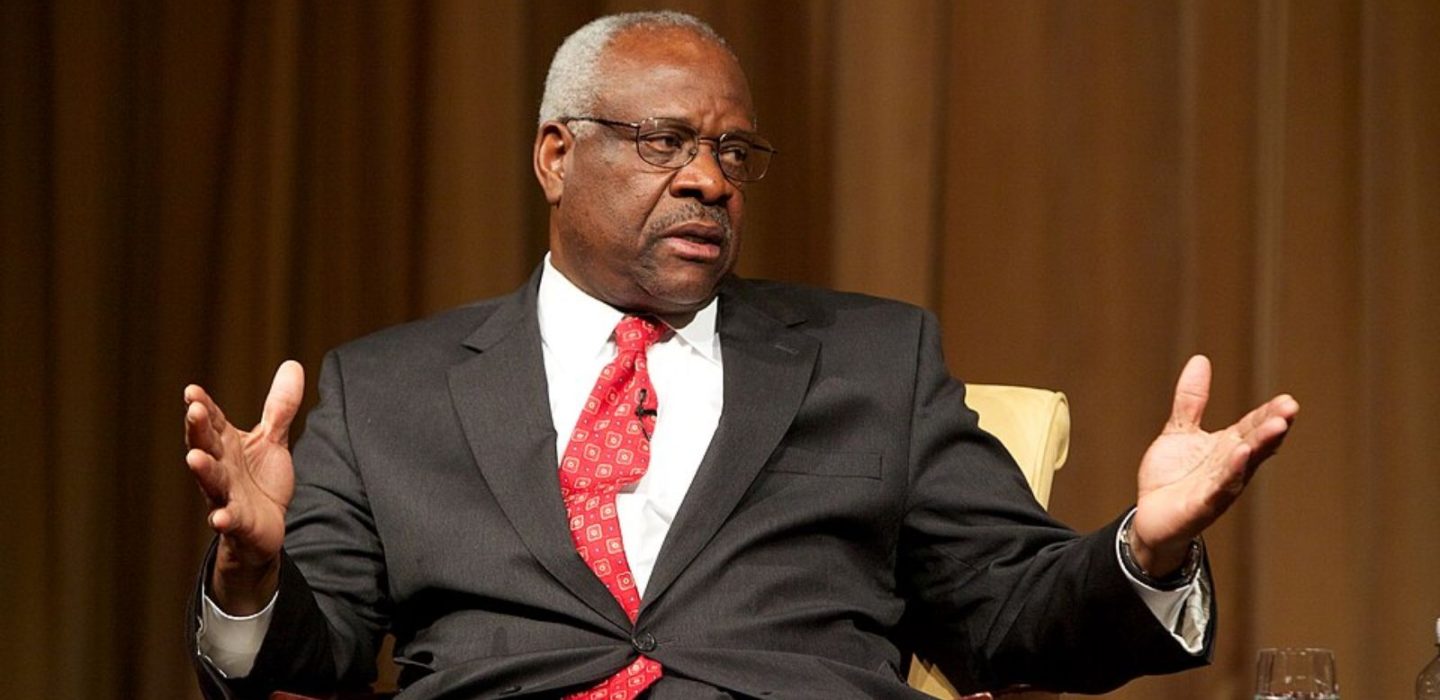

The Supreme Court may have settled the immediate legal fight over President Donald Trump’s birthright citizenship order, but Justice Clarence Thomas made clear he believes the deeper constitutional argument is far from over.
In Trump v. Barbara, the Court rejected Trump’s attempt to deny automatic citizenship to children born in the United States when their parents are undocumented or only temporarily present in the country. The ruling affirmed that those children are “subject to the jurisdiction” of the United States and are citizens at birth under the Fourteenth Amendment’s Citizenship Clause.
But Thomas, writing in dissent, framed the decision as more than a defeat for Trump’s immigration agenda. To him, it was another example of the Court expanding the Fourteenth Amendment beyond what he believes its Reconstruction-era authors intended.
A Ruling About Citizenship, but Also About National Identity

The case centered on Executive Order No. 14160, titled “Protecting the Meaning and Value of American Citizenship.” Trump’s order argued that children born in the U.S. to parents who were unlawfully or temporarily present should not automatically receive citizenship. Challengers said the order violated both the Fourteenth Amendment and federal immigration law. The Supreme Court agreed with the challengers.
Chief Justice John Roberts wrote the Court’s main opinion. The official docket shows Roberts was joined by Justices Sonia Sotomayor, Elena Kagan, Amy Coney Barrett and Ketanji Brown Jackson. Justice Brett Kavanaugh agreed with the judgment in part but wrote separately, while Thomas, Samuel Alito and Neil Gorsuch dissented.
That split matters because it shows the Court did not speak with one simple conservative-versus-liberal voice. The majority protected birthright citizenship. But the separate opinions reveal a larger battle over how much history, precedent, executive power, and constitutional text should control the meaning of American citizenship.
Thomas Says the Court Used the Wrong History
Thomas’s dissent focused heavily on the phrase “subject to the jurisdiction thereof.” In his view, being born on U.S. soil is not enough. He argued that the Citizenship Clause was originally understood to apply to people who were not merely physically present in the country, but deeply and legally attached to it.
His key idea was domicile. In simple terms, Thomas treated domicile as a legal home, not just a temporary location. Under that reading, children of tourists, temporary visitors, or people without lawful long-term status would not automatically fall inside the full political community covered by the Fourteenth Amendment.
The majority rejected that interpretation. The Court’s opinion stated that children born in the United States to parents who are unlawfully or temporarily present are still subject to U.S. jurisdiction and therefore citizens at birth.
Thomas saw that as a serious mistake. He accused the majority of relying on what he called an “alternative history” of the Fourteenth Amendment and argued that the amendment was designed to secure citizenship for formerly enslaved Black Americans, not to settle every modern immigration dispute in favor of automatic citizenship.
Why the Fourteenth Amendment Is at the Center
The Fourteenth Amendment was ratified in 1868 after the Civil War. Its Citizenship Clause was written in direct response to the Supreme Court’s infamous Dred Scott decision, which had denied citizenship to Black Americans. Reuters noted that the amendment overturned that 1857 ruling and has long been understood as one of the Constitution’s clearest guarantees of national citizenship.
That history is why the case carried such emotional and political weight. For supporters of birthright citizenship, the decision reaffirmed a simple American promise: if you are born here and subject to U.S. law, you belong here. For Thomas and the other dissenters, the issue looked different. They warned that the Court had turned citizenship into something too easily acquired by location alone, especially in cases involving “birth tourism,” temporary visas or unlawful presence.
That is the heart of the clash. One side sees birthright citizenship as a broad constitutional shield against exclusion. The other sees the majority’s rule as a modern expansion that weakens the older, more demanding meaning of citizenship.
The Wong Kim Ark Precedent Loomed Over Everything
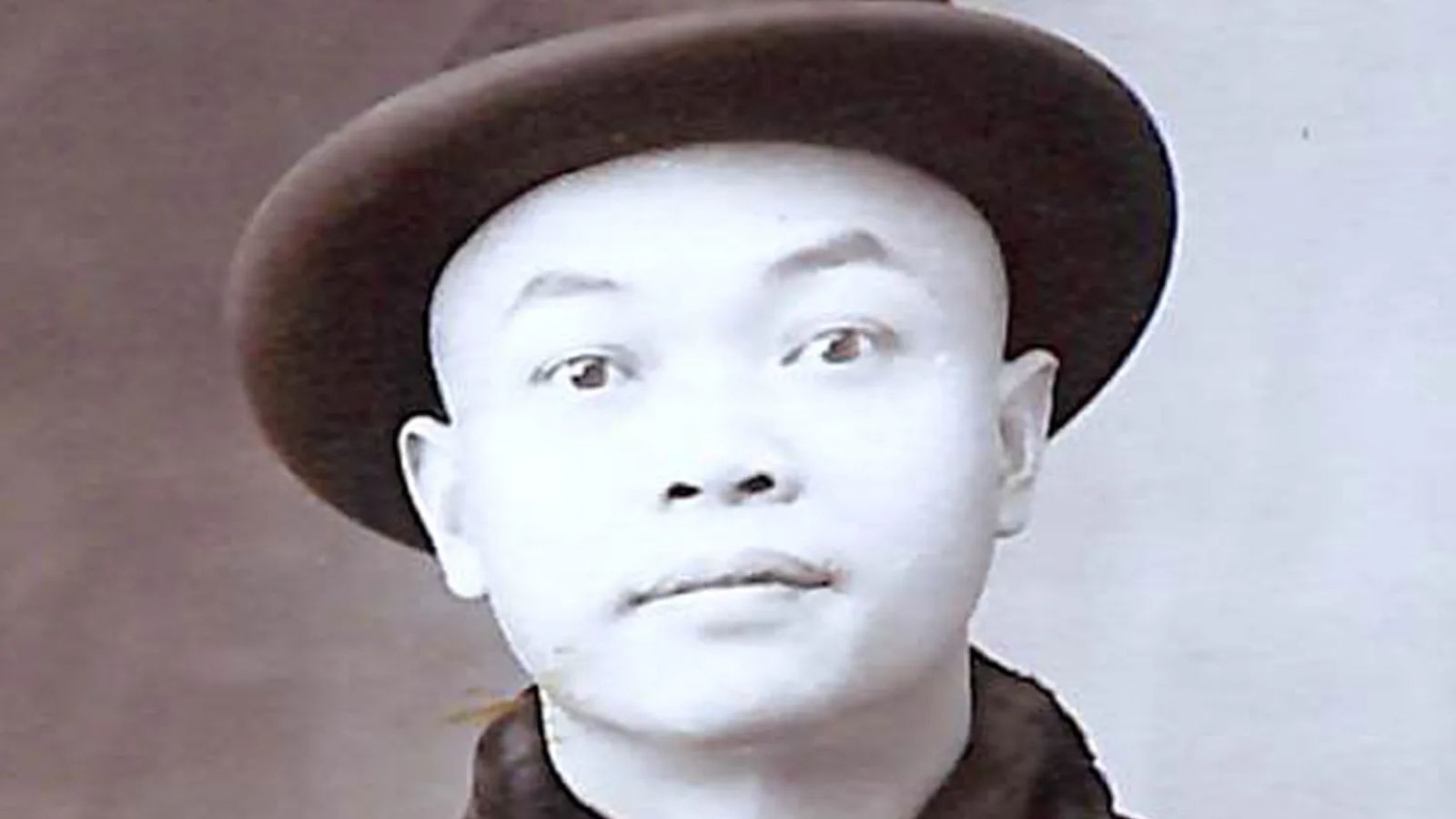
The case also forced the Court to confront United States v. Wong Kim Ark, the 1898 Supreme Court decision widely understood to protect birthright citizenship for children born in the U.S. to noncitizen parents.
Roberts leaned on that precedent. According to Reuters, the majority said the Court had repeatedly understood Wong Kim Ark to guarantee citizenship to children born in the United States and subject to U.S. power, and saw no reason to abandon that view.
Trump’s administration tried to narrow Wong Kim Ark by arguing that Wong’s parents were legally domiciled in the U.S., making that case different from children born to undocumented immigrants or temporary visitors. Roberts rejected that narrower reading, saying there was little support for such a dramatic revision of the Fourteenth Amendment’s language.
Thomas, however, believed the domicile distinction was not a side issue. For him, it was central.
A Dissent Written for the Future
Thomas’s dissent was not just about losing the case. It was written like a warning flare for future legal and political fights. He argued that citizenship should mean permanent membership in the American political community, not simply birth within the country’s borders. That argument is unlikely to change the immediate result, but it gives conservatives and immigration restrictionists a detailed constitutional roadmap for future debates.
The ruling blocks Trump’s executive order. It does not end the political argument over immigration, borders, or citizenship. In fact, it may intensify it. The Court’s decision now makes it much harder for a president to change birthright citizenship through executive action. Any serious attempt to alter the rule would likely require Congress, and possibly a constitutional amendment, because the Court has now reaffirmed the constitutional protection directly.
Why This Ruling Lands So Hard
Birthright citizenship is not an abstract legal phrase for the families affected by it. It determines whether a child starts life recognized as American or as someone whose status can be questioned from the first day.
That is why the ruling reaches far beyond Washington. It touches hospitals, schools, passports, Social Security numbers, family stability, and the basic ability to grow up without a citizenship cloud overhead. For Trump’s supporters, the decision may feel like another example of the Court blocking an aggressive immigration policy they believe is necessary. For immigrant-rights advocates, it is a major constitutional victory.
For Thomas, it is a moment of constitutional drift, where the Court, in his view, protected a right the Reconstruction Congress did not create in the way the majority claims. That disagreement will not disappear. The majority says the Fourteenth Amendment still means what generations of Americans have understood it to mean: birth on U.S. soil, with narrow exceptions, brings citizenship.
Thomas says the Court has cheapened something precious. And that is why his dissent matters. It did not win the day. But it turned a Supreme Court defeat into a larger argument over what American citizenship is, who gets to define it and how far the Constitution’s post-Civil War promise should reach in a modern immigration fight.


