5 Christmas Myths You’ve Almost Certainly Believed

Image Credit: aijohn784 via 123RF
Christmas is a time of joy, celebration, and tradition, yet there are countless myths surrounding the holiday that many of us hold dear. These myths have been passed down through generations, often distorting our understanding of Christmas and its rich cultural significance.
From misconceptions about Santa Claus to misunderstandings about religious origins, let’s debunk some of the most popular Christmas myths that have persisted throughout the years.
Christmas Is the Most Important Christian Holiday

While Christmas is celebrated worldwide, it isn’t the most significant holiday in Christianity. Contrary to popular belief, Easter holds more importance in the Christian calendar. While Christmas marks the birth of Jesus Christ, Easter commemorates his resurrection, which is viewed as the cornerstone of Christian faith.
In fact, Easter is celebrated with a depth of devotion that surpasses Christmas. The early Christian church considered the resurrection of Jesus to be a far more pivotal event than his birth, and thus, the Easter season lasts far longer than the Christmas festivities.
Clement C. Moore Wrote “Twas the Night Before Christmas”
How many of us have gathered around the fireplace to read “A Visit from St. Nicholas,” commonly known as “‘Twas the Night Before Christmas”? Most of us assume that Clement Clarke Moore penned this beloved Christmas poem.
However, the truth is still up for debate. While Moore is credited with the poem’s authorship, some historians argue that Henry Livingston Jr., a distant relative of Moore’s wife, may have been the real author. The debate continues to this day, with scholars pointing to similarities between Livingston’s writings and the poem’s content.
Regardless of its origin, this iconic poem remains a staple in holiday traditions.
Jesus Was Born on December 25th
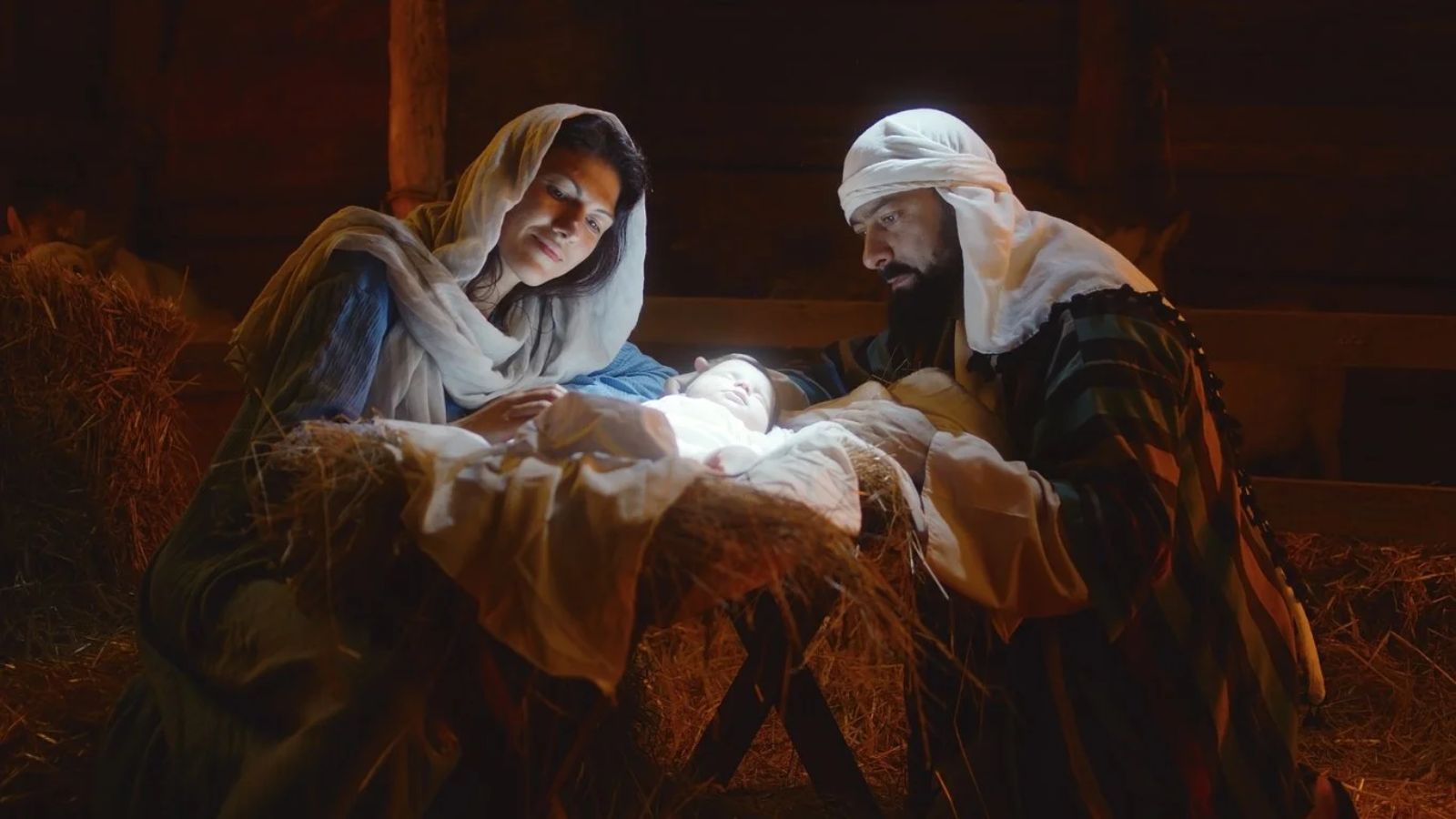
December 25th is universally celebrated as the birthday of Jesus, but historical and Biblical evidence suggests that this date is more symbolic than factual. The Bible doesn’t specify a birth date for Jesus, and many scholars believe that he was more likely born in late September or early October.
The choice of December 25th as his birthday was made by early Christians in the fourth century to align with the Roman festival of the winter solstice, which marked the return of longer days. As a result, December 25th became a Christian holiday to celebrate Jesus’ birth, though it wasn’t necessarily his actual birth date.
Germans Always Put Pickle Ornaments on Their Trees
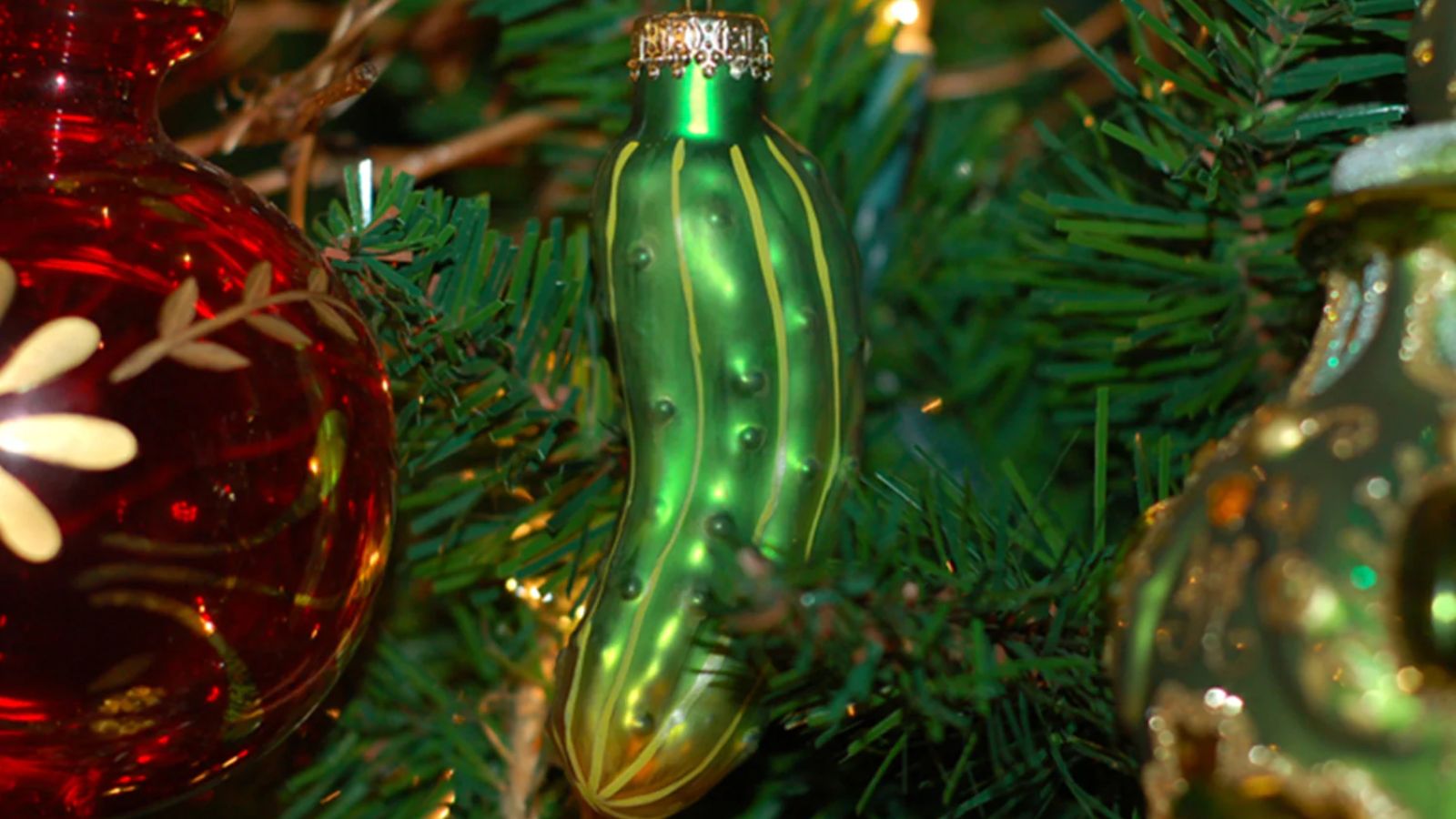
One of the most charming myths surrounding Christmas is the tradition of hiding a pickle ornament on the Christmas tree, which supposedly originated in Germany. According to this tale, parents would hide a glass pickle ornament on the tree, and the first child to find it would receive an extra gift.
However, this tradition isn’t as widespread in Germany as people believe. Many Germans have never heard of this practice, and the story likely emerged from the popularity of glass ornaments produced in Germany during the 19th century. The origin of this myth remains unclear, but it certainly adds a bit of quirky fun to holiday decorating.
Abbreviating Christmas as “Xmas” Is Sacrilegious
The use of “Xmas” as an abbreviation for Christmas often raises concerns among Christians, who see it as removing Christ from the holiday. However, this is a misconception. The “X” in “Xmas” comes from the Greek letter “Chi,” which is the first letter of the Greek word “Χριστός” (Christos), meaning Christ.
So, far from being sacrilegious, “Xmas” is a historically accurate and shorthand way of writing “Christmas,” used by early Christian scribes. The idea that “Xmas” diminishes the religious meaning of the holiday is simply unfounded.
Santa Claus, St. Nicholas, and Father Christmas Are All the Same
Santa Claus, St. Nicholas, and Father Christmas are often thought to be the same person, but their origins differ significantly. St. Nicholas, a 4th-century bishop in Turkey, became famous for his generosity and for secretly giving gifts to the poor.
His legend evolved over centuries, particularly in the United States, where Dutch settlers brought tales of Sinterklaas, which later morphed into Santa Claus. Meanwhile, Father Christmas was a British figure linked to holiday revelry and merrymaking, often depicted as a jolly, bearded man who spread Christmas cheer.
Though the figures have merged in modern culture, they each have distinct historical roots.
Three Kings Visited Jesus Shortly After His Birth
Many nativity scenes feature three kings – Gaspar, Melchior, and Balthasar – presenting gifts to the baby Jesus shortly after his birth. However, this popular image is more myth than fact. The Bible never specifies the number of wise men, nor does it describe them as kings.
The Bible only mentions “magi” from the East, who followed a star to find the newborn Jesus. These magi likely arrived when Jesus was a young child, not an infant. The number three was inferred because three gifts are mentioned: gold, frankincense, and myrrh. The names of the three kings came later, from historical and artistic interpretations.
Key Takeaways
The Christmas season is full of myths and legends that have been passed down through generations, but understanding the truth behind these misconceptions can help us appreciate the holiday even more. The next time you see a jolly Santa on a Coca-Cola ad or enjoy a poinsettia in your home, you can rest easy knowing the real stories behind these festive symbols.
Christmas is a time to celebrate family, tradition, and goodwill, and by acknowledging the myths that have shaped our holiday expectations, we can enjoy the season even more—without worrying about reindeer genders or sugar-fueled meltdowns.
Whether you’re celebrating with December 25 gifts or enjoying a St. Nicholas surprise, the beauty of Christmas lies in the diversity of traditions, cultures, and stories. So, take the time this year to learn a little more about your holiday customs and the history behind them. After all, the truth about Christmas myths only adds to the magic!