Christian Habits That Continue to Intrigue and Confuse Atheists
Christian practices, deeply rooted in theology and tradition, often spark curiosity among those who don’t share the same faith. These habits, shaped by centuries of doctrine, may seem perplexing, if not baffling, to atheists and skeptics who rely on reason and empirical evidence.
For many Christians, their practices are not mere rituals, but expressions of deep spiritual truths. Yet, for non-believers, these actions can appear enigmatic and, at times, counterintuitive. This article delves into nine Christian habits that challenge conventional thinking and leave atheists pondering their deeper meaning.
Praying to an Invisible God

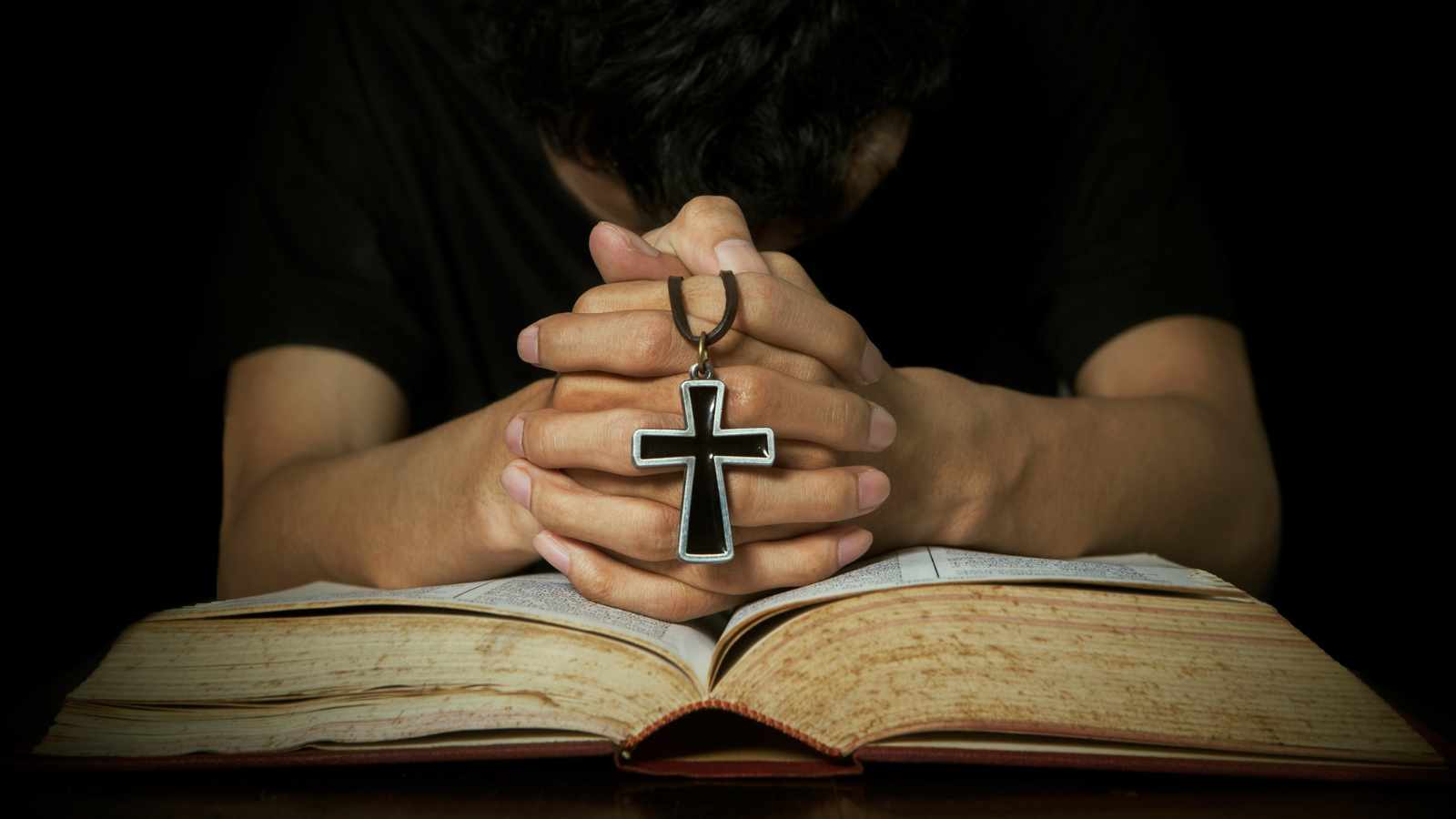
One of the most commonly misunderstood Christian practices is prayer. For Christians, prayer is not just a religious formality, but an intimate conversation with God. It is viewed as a powerful means to influence life’s circumstances, seek guidance, and experience peace amid chaos. For atheists, however, speaking to an invisible entity who cannot be perceived through the five senses can feel like an exercise in futility.
This contrast stems from a fundamental difference in worldview. While atheists rely on observable evidence, Christians believe in a spiritual dimension that transcends the physical world. Prayer is seen not as an act of proof but as an act of faith, trust, and submission to a higher power that remains unseen but ever-present.
Giving 10% of Earnings as an Act of Faith
The practice of tithing—donating 10% of one’s income to the church—can seem bewildering to those who do not share the Christian faith. Atheists may question why anyone would give away a significant portion of their earnings with no tangible return in sight. To Christians, however, tithing is not merely a financial transaction; it is an act of obedience and gratitude to God.
They believe that everything they have comes from God, and returning a portion of their income is a way to honor His provision. The return they seek is not material wealth, but spiritual growth, community support, and a deeper connection to their faith.
The Bible as an Absolute Truth
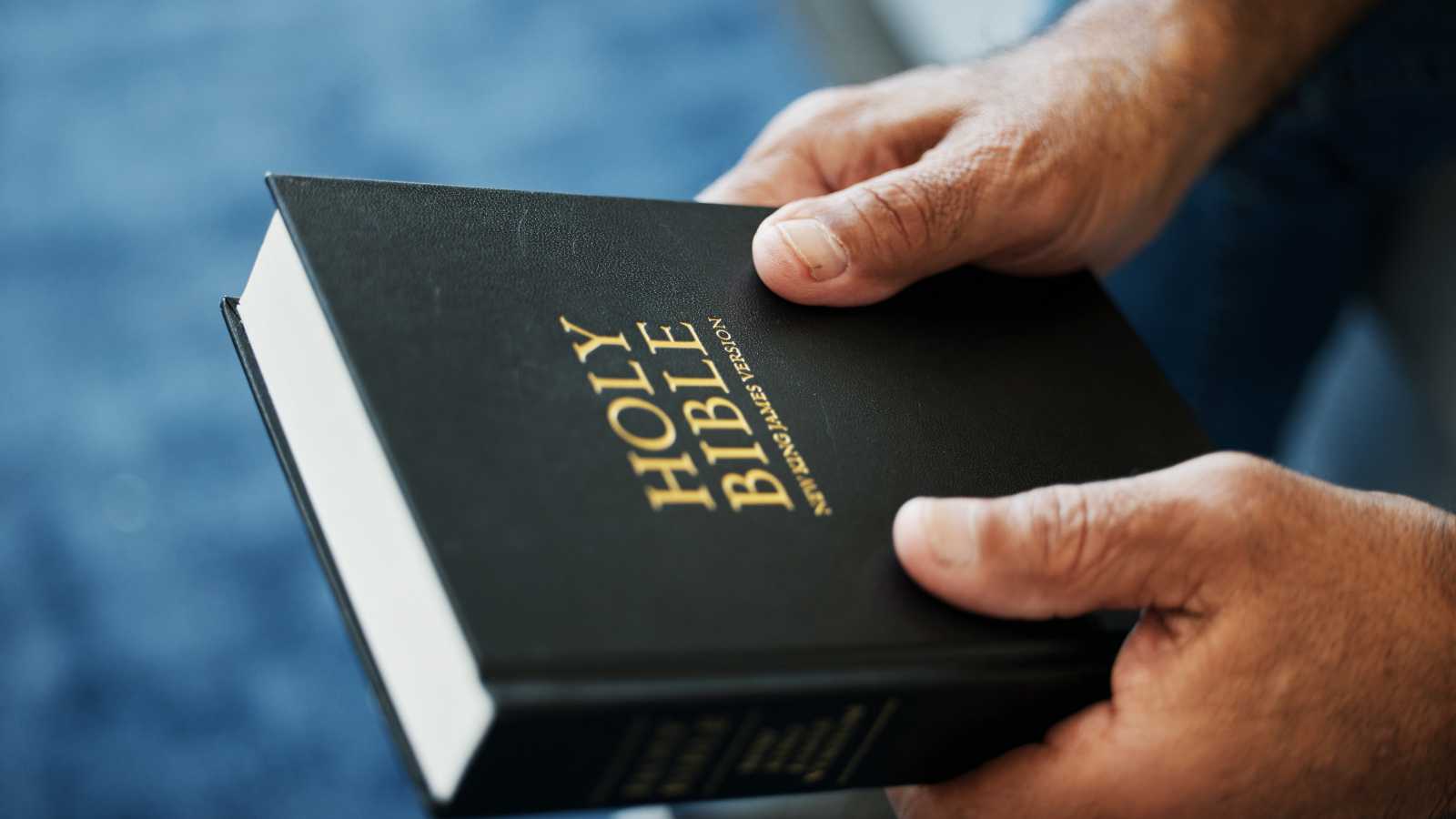
To Christians, the Bible is more than a collection of ancient texts; it is considered divinely inspired and relevant for all aspects of life. It offers moral guidance, spiritual wisdom, and a framework for understanding the human condition. For believers, it is the ultimate authority on truth, ethics, and the meaning of existence. In contrast, atheists often view the Bible as a historical document, helpful in understanding the cultural and social context of ancient civilizations but irrelevant to contemporary life.
The belief in the Bible’s absolute truth can be difficult for non-believers to comprehend, especially when it is used to justify ethical decisions that might seem outdated or illogical from a secular perspective.
Abstinence Until Marriage
In a society where sexual freedom is widely accepted, the Christian practice of abstaining from intimate relations until marriage stands out as a peculiar and often misunderstood tradition. Christians view sexual intimacy as a sacred bond meant to be shared exclusively within the context of marriage, a union that symbolizes commitment, love, and the sanctity of a lifelong partnership.
For atheists, this practice can appear restrictive, especially when it is seen as a denial of personal autonomy and individual choice. However, for believers, abstinence until marriage is not a matter of repression but a way to honor the divine purpose of sexuality, which they believe is ultimately about more than just physical pleasure—it’s about spiritual unity.
The Hope of Eternal Life
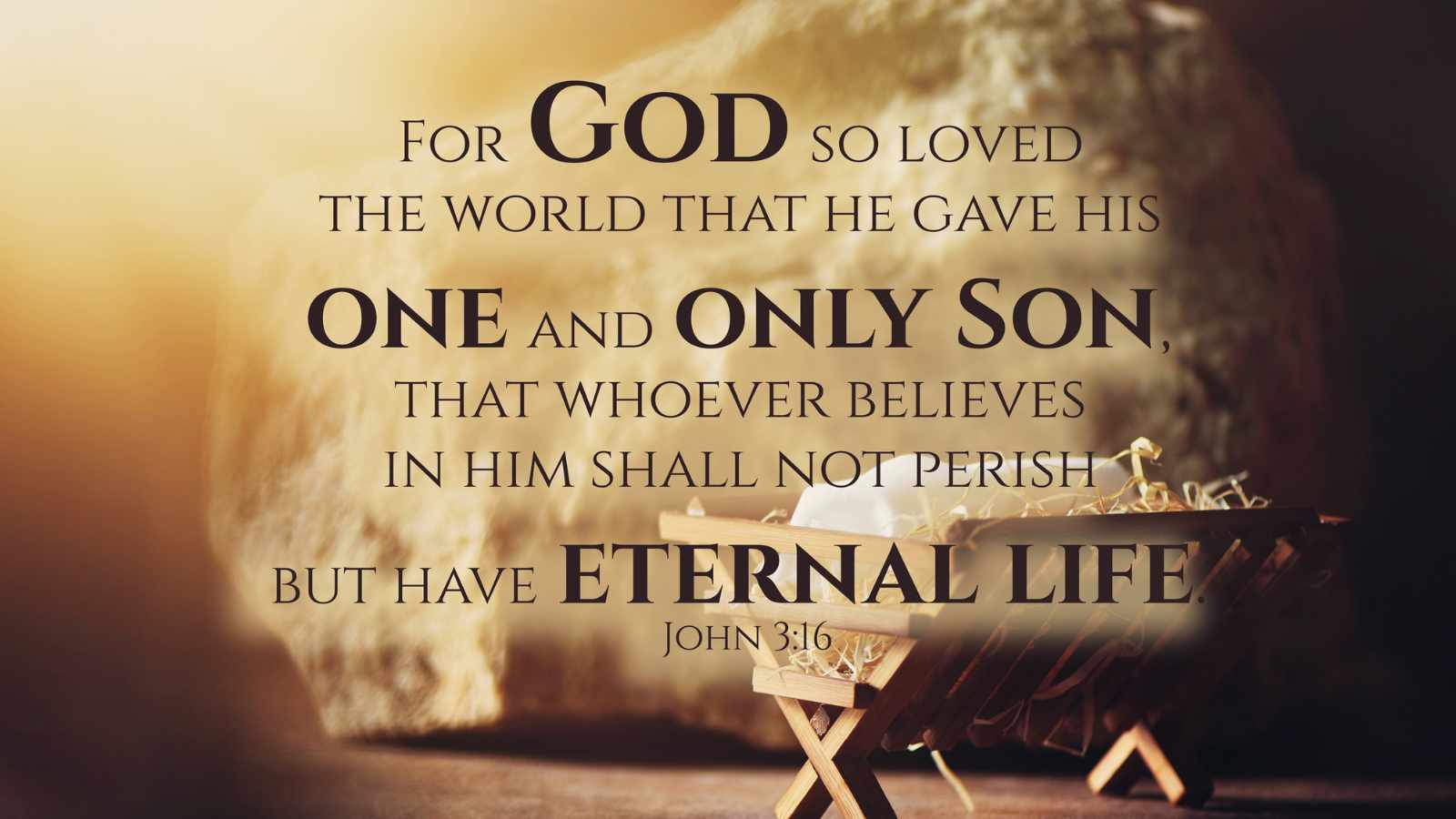
Perhaps the most profound difference between Christianity and atheism is the belief in life after death. For Christians, the promise of eternal life with God is the cornerstone of their faith. They believe that death is not the end but a transition to a new existence in the presence of God. This belief provides comfort in the face of loss and shapes the way Christians live their lives.
Atheists, however, may view death as the cessation of consciousness, with no hope for an afterlife. This fundamental difference in belief about the afterlife often leads to a clash of worldviews, with Christians finding hope and purpose in the promise of eternity. At the same time, atheists may seek meaning and fulfillment in the present moment.
Read the original article on Crafting Your Home