Boomers, Here’s What Your Millennial Kids Really Want You to Hear
Image Credit: Andrea Piacquadio via pexels
There’s an undeniable generational divide between Baby Boomers and their Millennial children. This gap manifests in many aspects of life—finances, career choices, family dynamics, and even the way we express emotions.
While these differences can create tension, Boomers need to acknowledge that Millennials are not merely rebelling against societal norms; they are navigating a world vastly different from the one they grew up in. By understanding the unique challenges Millennials face, Boomers can offer the empathy and support their children need to thrive in today’s complex world.
Parenting in a Modern World
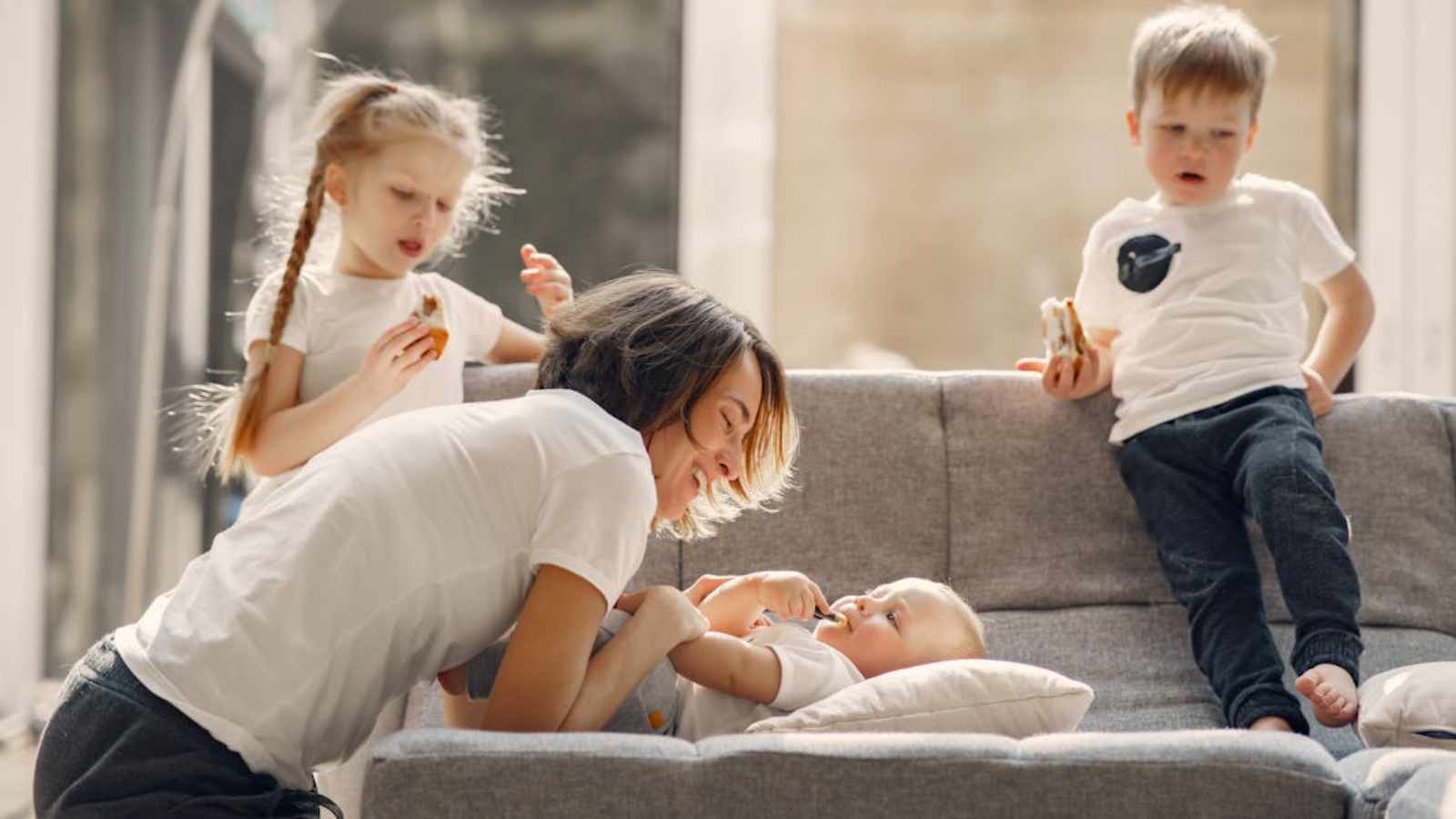
Parenting in the 21st century is vastly different from what Boomers experienced. For Millennials, raising children means navigating the complexities of social media, cyberbullying, exorbitant childcare costs, and the pressure to “do it right.” These challenges create a unique set of stresses that Boomers may not fully understand.
Millennial parents are not trying to reinvent the wheel—they are merely trying to survive in a world that demands more from them. They want recognition that today’s parenting landscape is vastly different from the one Boomers experienced. Instead of comparing parenting styles, Boomers should adopt a curious approach—ask Millennials what they are facing, rather than assuming it mirrors the past. Acknowledging the immense pressures they face and offering support without judgment will strengthen family relationships.
Boundaries are Key to Mental Health
Setting boundaries has become an essential practice for Millennials in maintaining mental and emotional well-being. By prioritizing self-care and learning to say “no” when necessary, Millennials are navigating the complexities of modern life while avoiding burnout.
Boomers can show support by respecting these boundaries and engaging in open conversations about mental health needs. Creating a culture of mutual respect where both generations honor personal space and well-being will strengthen relationships and foster healthier family dynamics.
The Power of Apology
In many Boomer households, apologies were rare or replaced with statements like, “That’s just how I am,” or “You’ll understand when you’re older.” Millennials, however, deeply value emotional accountability. They don’t expect perfection, but they do crave acknowledgment when mistakes are made.
A simple, sincere apology can go a long way in healing past wounds. Millennials are not interested in rehashing old conflicts but in feeling truly heard and seen. When Boomers embrace emotional vulnerability by offering heartfelt apologies, it can strengthen the parent-child bond, foster growth, and lead to healthier family dynamics.
Let Go of Comparisons

Boomers often compare Millennials to their younger selves—when they owned homes, had stable jobs, or started families earlier. While these comparisons may be well-intentioned, they often create unnecessary pressure. Millennials are not failing—they are simply operating in a radically different economic and social context.
The housing market is more expensive, job security is uncertain, and student debt is a heavy burden. When Boomers replace comparisons with curiosity, they open the door for meaningful conversations. Instead of judging Millennials based on outdated timelines, celebrate their unique achievements and support their individual goals. Every generation faces its own challenges, and by acknowledging this, Boomers can offer much-needed understanding.
Life Milestones are Personal, Not Prescribed
Millennials are no longer adhering to traditional life milestones. Instead of rushing to marriage, homeownership, or parenthood by a specific age, they are prioritizing personal fulfillment, travel, entrepreneurship, and self-growth. This shift represents a desire for authenticity rather than conforming to societal expectations.
Boomers should recognize that Millennials are forging their own paths, and their choices reflect a commitment to living fulfilling and authentic lives. Supporting their non-traditional paths can strengthen family ties and promote a deeper understanding of what it means to live a meaningful life in today’s world.
Mental Health Matters
Millennials are more open about mental health than any previous generation. With increased rates of anxiety and depression, Millennials prioritize mental well-being as much as physical health. Seeking therapy, engaging in self-care, and talking openly about mental health are common practices in the Millennial community.
Boomers may have been raised in a culture where mental health issues were stigmatized or ignored, but for Millennials, it’s an essential part of living a balanced life. Rather than dismissing their need for therapy or self-care as indulgent, Boomers should recognize that these practices are critical for mental well-being. Offering support and understanding in this area can go a long way in fostering a healthy, open relationship.
Renting is a Practical Choice, Not a Phase

Homeownership may seem like the ultimate goal for many Boomers, but for Millennials, renting is often a more practical choice. With skyrocketing housing prices, student loan debt, and financial instability, buying a home isn’t feasible for many in this generation. Renting provides flexibility, which is vital in today’s unpredictable economy.
Rather than seeing renting as a failure, Boomers should understand it as a reflection of the current economic reality. Supporting Millennials’ housing choices and celebrating their financial independence without judgment will help foster an atmosphere of respect and understanding.