Boomer Cooking Habits That Younger Generations Don’t Get
Image Credit: auremar/123rf Photos
Cooking and eating practices evolve over time, shaped by economics, culture, technology, and lifestyle. Many younger people today find their parents’ or grandparents’ cooking habits unusual. What seems commonplace or “normal” to the older generation may feel outdated, inefficient, or even strange to Millennials or Gen Z.
By 2007–2008, foods prepared at home still provided about 65–72% of total daily caloric intake, yet only 54–57% of adults reported cooking on any given day. Analysis of home-cooking patterns published in PubMed from 2003 to 2023 found that the share of adults cooking at home increased among men from 36% to 52% and among women from 69% to 72%.
This partial resurgence does not erase a generational shift: cooking routines, time invested, and attitudes toward food preparation have evolved, which helps explain why some cooking habits that were “normal” for previous generations seem foreign to many younger people today.
Cooking Everything from Scratch
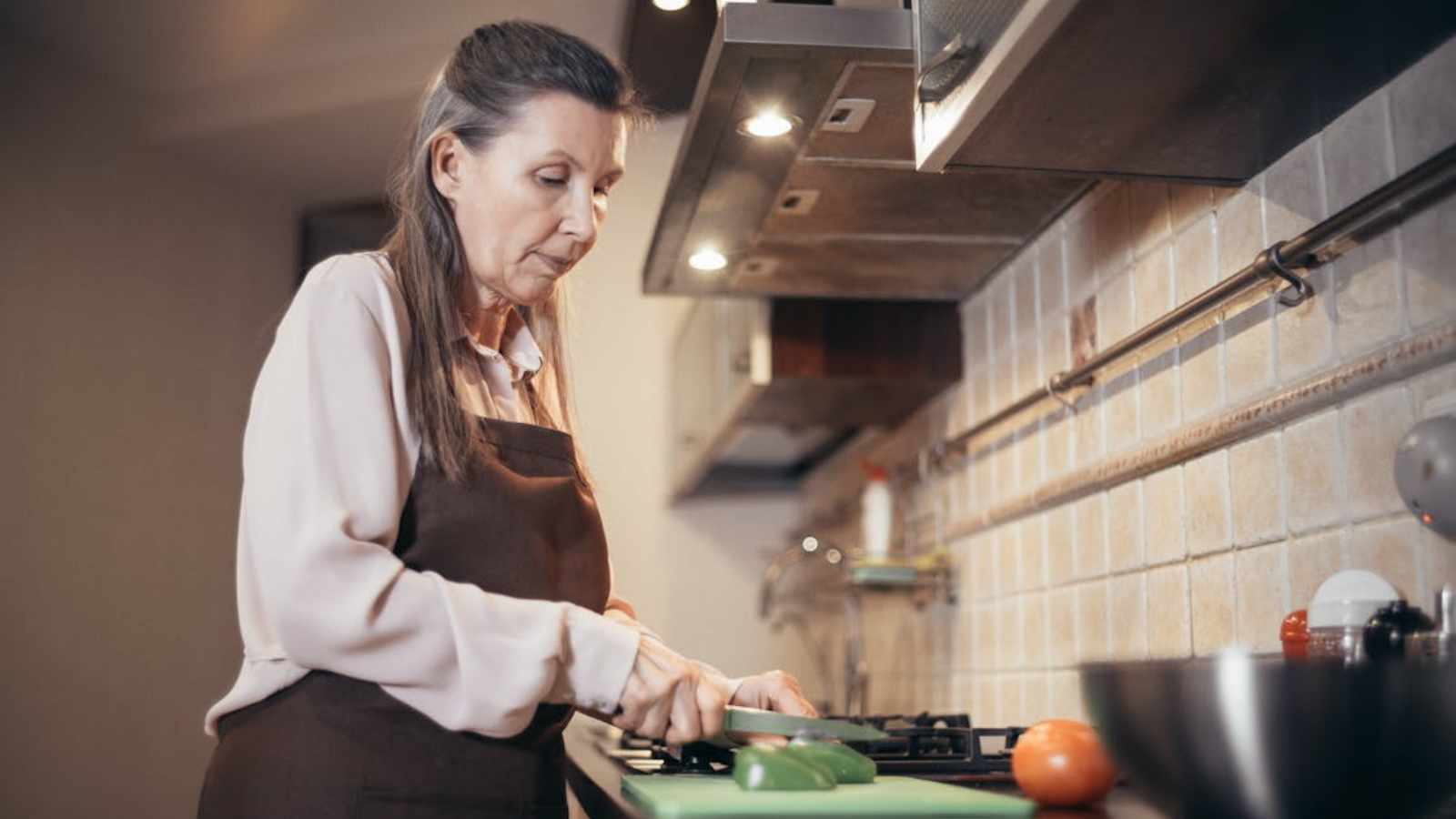
Traditionally, many boomers grew up cooking from scratch, starting with raw ingredients, preparing sauces, bread, soups, and meals by hand. This was partly because cooking from raw materials was more economical, partly because processed convenience foods were less ubiquitous, and partly because family meals were considered a core part of domestic life.
According to PMC+1, cooking from scratch has become less frequent, with people spending less time on food preparation and increasingly relying on convenience or ready-to-heat foods. What earlier generations saw as normal may now strike younger people as laborious or unnecessarily time-intensive.
Saving & Reusing Containers, Leftovers, and Pantry Staples
Many boomer kitchens developed a frugal, waste-minimizing mindset. Leftovers were reused, jars and containers were saved, and nothing was thrown out lightly. This habit reflects a time when resources, including food and packaging, were more limited or less inexpensive than today, and economic prudence mattered.
With today’s convenience food, ready-made packaging, and simpler food-prep methods, younger generations often lean toward minimalism or convenience over storage and reuse. Additionally, modern lifestyles may make it less practical to store leftovers or manage long-term pantry staples, which can feel wasteful or cumbersome.
Overcooking Meats for “Safety”
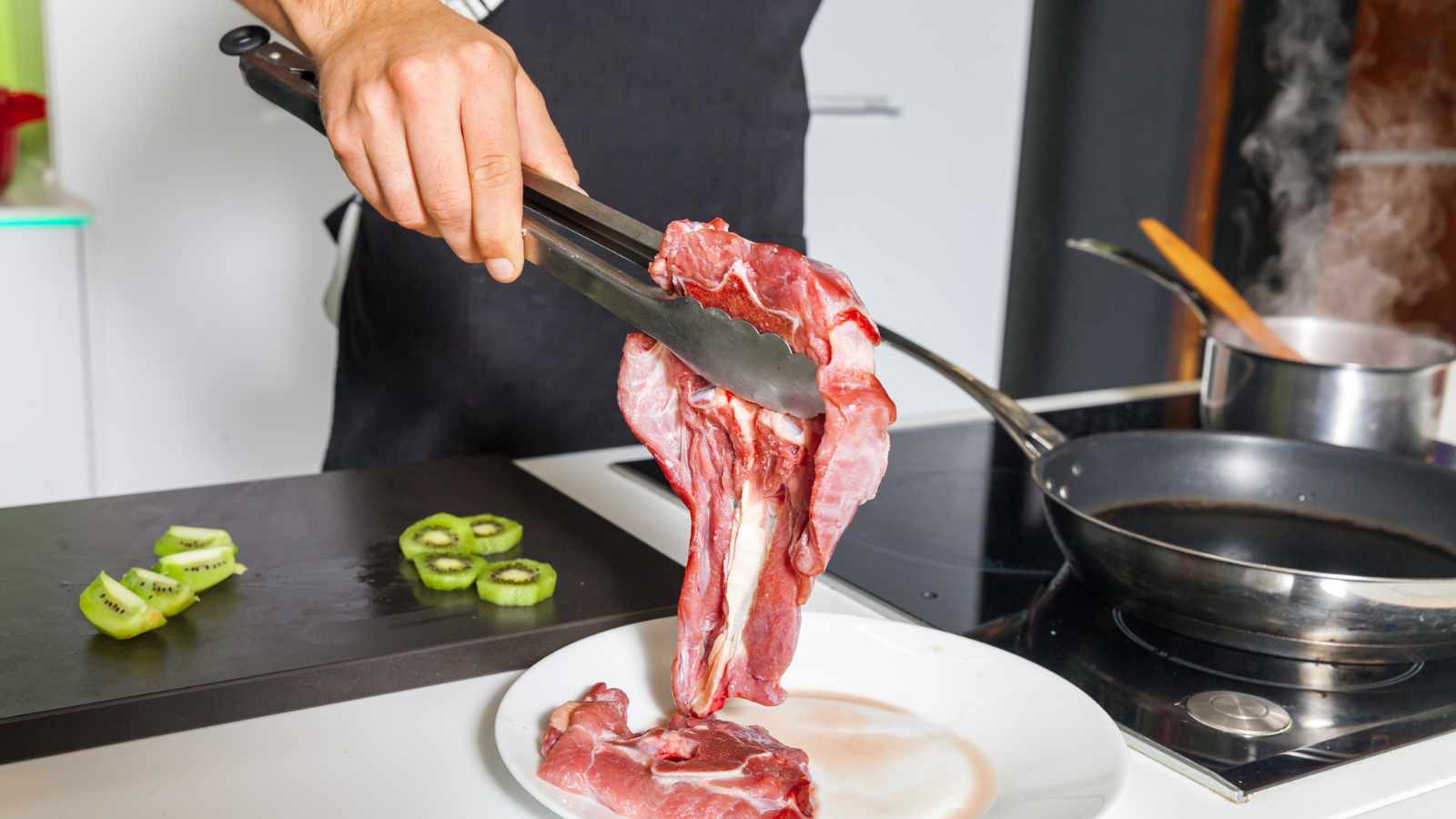
Older generations were often more risk-averse regarding foodborne illnesses, according to the World Health Organization. As a result, meats were frequently cooked until well-done, regardless of texture changes or taste sacrifices. This aligns with the prevailing food-safety norms of the past.
Given changes in food-handling standards, refrigeration, and acceptance in food science of medium- to rare-cooking for certain meats, along with shifting taste preferences, many younger people find overcooked meat dry or bland, preferring juicier, more flavorful cooking styles.
Heavy Use of Canned & Frozen Vegetables
During the mid-20th century and beyond, canned and frozen vegetables offered a convenient solution to seasonal scarcity or fluctuating produce availability. Many cookbook recipes and home meals relied heavily on these shelf-stable items.
To younger generations amid growing awareness of the nutritional benefits of fresh produce, farm-to-table movements, and global supply chains, canned vegetables may appear unappealing or nutritionally inferior. As such, reliance on canned/frozen produce can feel outdated, even if it was practical and normal for earlier generations.
Following Recipes to the Letter
In many boomer households, cooking was structured: scratch practices, strict adherence to recipe books, precise measurements, and consistency. Cookbooks from the mid-20th century often provided detailed instructions designed for home cooks using standard kitchen staples, appliances, and packaged items.
Younger cooks, by contrast, often value experimentation, improvisation, and flexible cooking. With abundant online resources, global culinary influences, and changing tastes, many modern cooks feel less bound by “this is how Grandma made it,” preferring instead to adapt recipes to suit their preferences or time constraints.
Strict Dinner Schedules & Mealtime Rituals

For many older families, meals, especially dinner, followed a regular schedule: a set time each evening, with family seated together. This rhythm supported family cohesion, predictable routines, and traditional household roles.
Modern lifestyles with shifting work hours, commuting, extracurriculars, and flexible routines often make such rigid meal schedules impractical. Younger generations tend to eat more irregularly, including snacking, skipping meals, dining at different times, opting for convenience foods, and eating out. As a result, the structured “sit-down dinner” tradition feels foreign.
Why Younger Generations See These Habits Differently
Time constraints, convenience, and changing values shape younger generations’ approach to cooking. Younger households (e.g., Millennials) spend less on food at home and more on prepared or convenience foods than older generations.
Moreover, the global food environment has changed: fresh produce is more widely available, food delivery and takeout are common, and the pace of life is faster. Combined with evolving tastes and growing nutritional awareness, this leads many younger people to prioritize convenience and flexibility over tradition or thrift.
The perceived convenience of “easy meals” doesn’t always lead to dramatically faster dinners. A ScienceDaily study on modern two-income families found that even when using convenience foods, dinner time often remains long, as prep and cleanup still consume significant time.
Thus, what appears as a break from tradition isn’t always about laziness — often, it’s a pragmatic adaptation to contemporary reality.