Biblical Arguments Suggesting Hell May Not Exist

Image Credit: ratpack2 via 123RF
The concept of Hell, a place of eternal torment, has long been embedded in the cultural and religious fabric of Christianity. For many, Hell represents the ultimate fate of the wicked—a place of suffering and fire where souls are punished for their wrongdoings. However, a deeper look at biblical texts reveals that the commonly understood notion of Hell may not align with scripture’s original intent.
There are compelling reasons to believe that Hell, as we perceive it, might not exist at all. Here are key biblical arguments that challenge the traditional view of Hell, suggesting that this concept may have been misunderstood or misrepresented in popular theology.
God’s Mercy Overpowers Eternal Wrath

One of the central themes of Christianity is God’s mercy and grace. The Bible repeatedly emphasizes that God’s love is boundless and that He desires all people to come to repentance and eternal life (2 Peter 3:9). The idea of Hell as a place of endless torment contradicts this view of a merciful God who wishes for no one to perish.
The God depicted in the Bible is not vindictive or punitive but loving and patient. Eternal punishment would be incompatible with the mercy and grace that are central to the Christian faith.
The Absence of Hell in Early Christian Teachings
Early Christian thinkers, including the Church Fathers, did not always embrace the modern concept of Hell. Many of them believed in the eventual restoration of all souls, a doctrine known as universal reconciliation. They argued that God’s ultimate plan was not to punish the wicked eternally but to bring about a final redemption of all creation.
The absence of Hell in early Christian teachings and the evolution of the doctrine over time suggest that the modern view of Hell may be a later development, one that diverges from the original teachings of Jesus and the apostles.
The Concept of Eternal Punishment Contradicts Biblical Justice
From a theological perspective, the idea of eternal punishment for finite sins committed during a short mortal life seems disproportionate. In 1 John 4:8, God is described as love, and Deuteronomy 19:21 emphasizes the principle of “an eye for an eye,” advocating for proportionate justice. Eternal torment appears to contradict this principle, casting doubt on its validity.
A loving and just God, as depicted in the Bible, would presumably not subject individuals to infinite suffering, no matter how grievous their transgressions. This contradiction between God’s nature and the idea of Hell calls into question whether the concept aligns with the Bible’s overarching narrative of justice and mercy.
The Bible’s Sparse Mentions of Hell
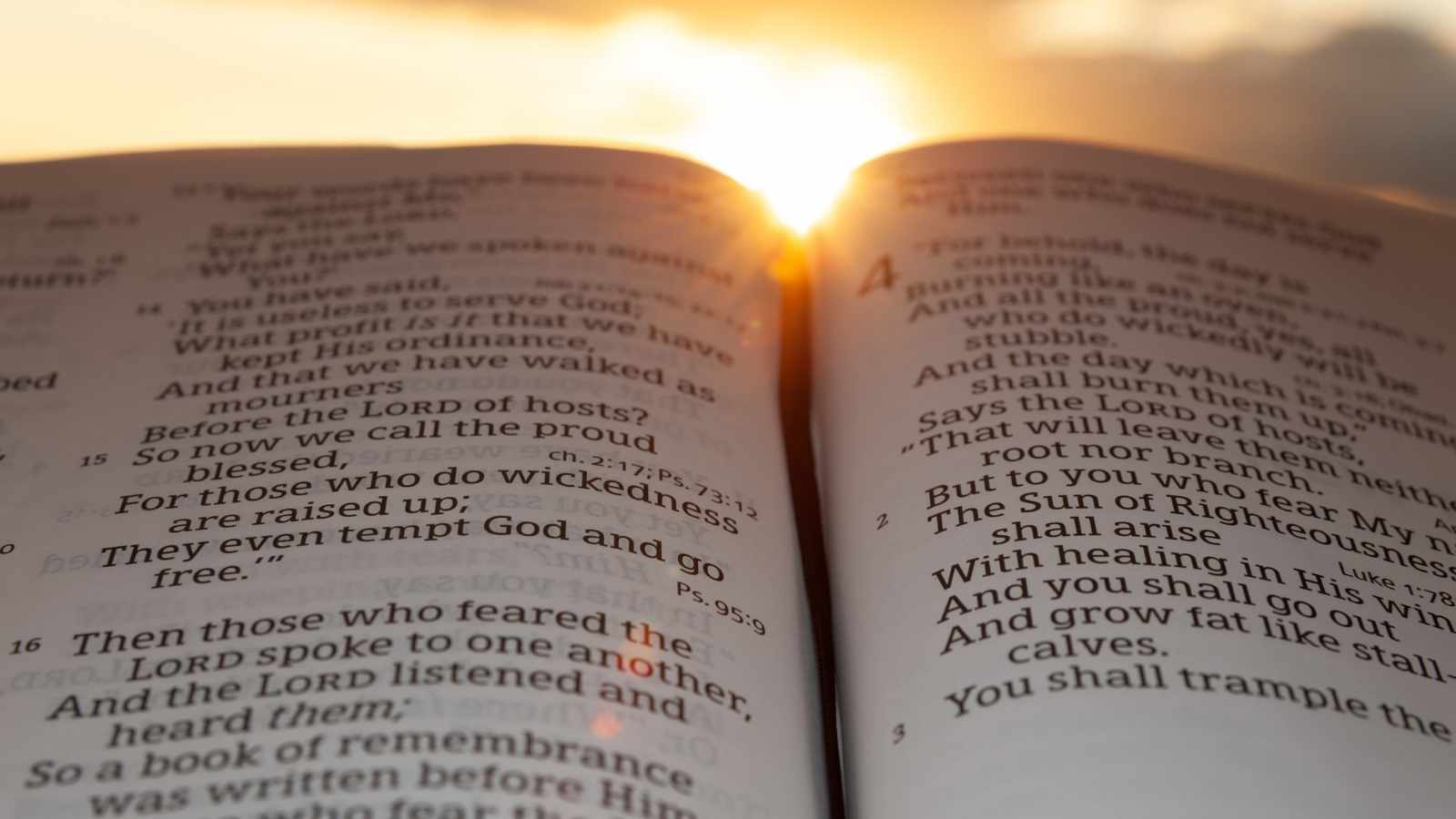
While Hell is often seen as a central tenet of Christian doctrine, it is surprisingly underrepresented in the Bible itself. The word “Hell” appears only in select passages, and even then, its meaning is far from clear. Romans 6:23, for instance, asserts that “the wages of sin is death,” implying that the penalty for sin is death, not eternal torment. Similarly, 2 Thessalonians 1:9 describes the punishment for the wicked as “destruction” rather than fiery torment, suggesting that punishment is not eternal but final.
Key scriptures that describe the fate of the wicked often speak of “death” or “destruction,” rather than ongoing suffering. This absence of a comprehensive, detailed discussion of Hell in the Bible raises important questions about its existence as a place of unending punishment.
Gehenna: A Symbol of Destruction, Not Torment
The term Gehenna is often cited in the New Testament, but its meaning is frequently misunderstood. In the time of Jesus, Gehenna referred to a valley near Jerusalem that had a notorious history as a site for burning refuse and the bodies of criminals. The valley became a symbol of divine judgment and destruction, not a place of endless suffering.
In Matthew 5:30, Jesus warns against falling into Gehenna, but there is no indication that He was referring to a place of eternal torture. Instead, the reference seems to point to final destruction, as Jesus speaks of the “destruction of both soul and body” in the fires of Gehenna. This aligns with the biblical theme of annihilation rather than unending punishment.
Aionios Kolasis: Eternal Destruction, Not Eternal Suffering
In the New Testament, the term aionios kolasis is often translated as “eternal punishment” (Matthew 25:46), but its meaning is debated. Many theologians argue that “aionios” refers to the quality or nature of the punishment—eternal in its consequences—rather than its duration. This interpretation suggests that the “eternal punishment” is actually eternal destruction, not perpetual suffering.
If the punishment is the total destruction of the soul, then the idea of endless torment becomes untenable, and the doctrine of Hell as we know it may be a misinterpretation of scripture.
The Second Death: A Final End, Not Eternal Punishment

In the Book of Revelation, the “second death” (Revelation 20:14) is often interpreted as a form of eternal punishment. However, many biblical scholars argue that the second death refers to permanent destruction rather than unending torment. Revelation 21:8 states that those who are cast into the lake of fire will experience the second death, but the emphasis is on annihilation—being “destroyed”—rather than eternal suffering.
This concept of the second death aligns with the broader biblical narrative of destruction and finality, where the wicked are not tortured forever but eradicated entirely.
Key Takeaways
The biblical evidence for the existence of Hell as a place of eternal torment is, upon closer examination, far from definitive. Many key scriptures point to destruction, death, or separation from God, rather than unending suffering. Moreover, the idea of eternal punishment seems inconsistent with the biblical portrayal of a just and merciful God.
As we continue to explore the complexities of the afterlife within Christian theology, it becomes increasingly clear that the traditional view of Hell may need to be reexamined.