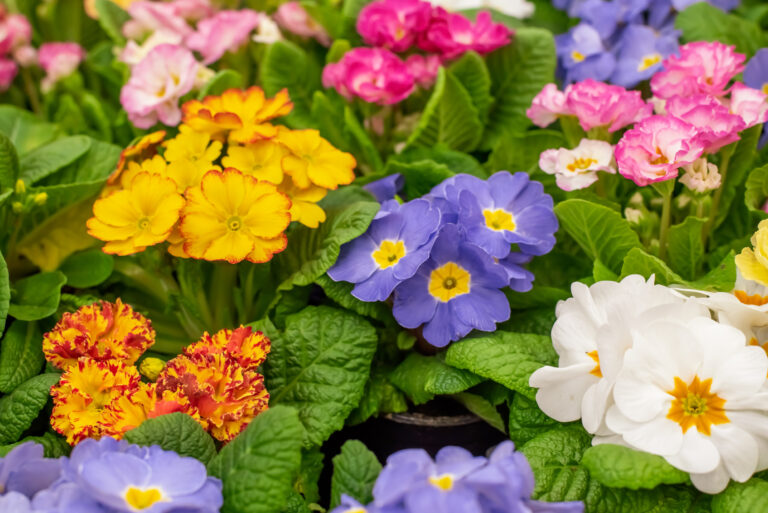
Best Pet-Friendly Houseplants That Are Safe for Cats and Dogs
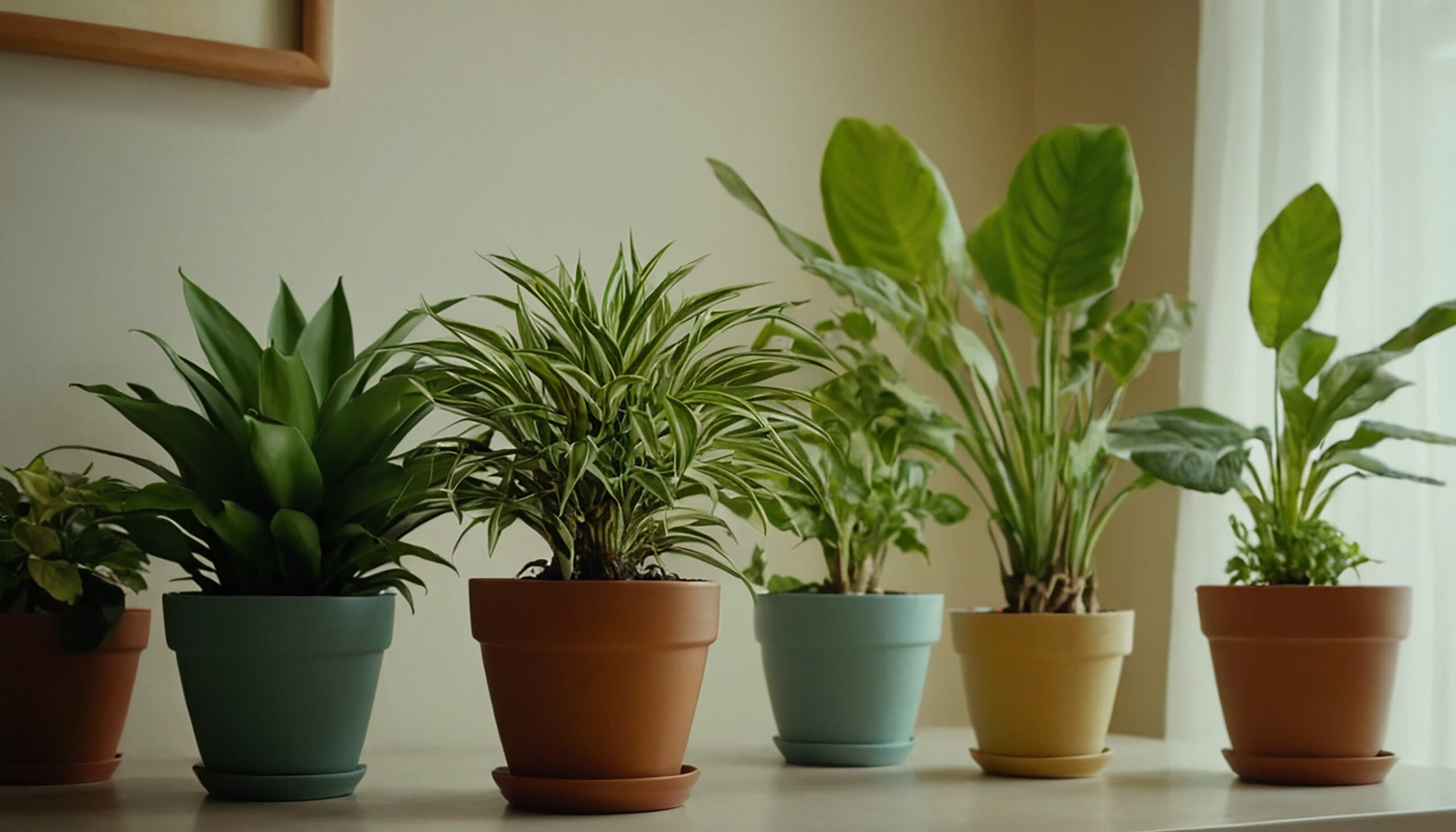
When it comes to adding greenery to your home, houseplants can bring beauty, tranquility, and a touch of nature indoors. However, if you are a pet owner, it’s crucial to choose plants that are safe for your furry companions.
Many common houseplants can be toxic to pets, leading to health problems if they ingest or come into contact with them. In this guide, we will explore the best pet-safe houseplants to brighten up your home while keeping your pets safe.
Why Some Houseplants Are Dangerous to Pets
Before diving into the list of pet-friendly plants, it’s important to understand why certain plants are harmful to pets. Some houseplants contain compounds that are toxic to dogs, cats, and other animals.
These toxins can cause a range of symptoms, from mild digestive issues to severe organ damage. Common symptoms of poisoning include drooling, vomiting, diarrhea, lethargy, and even death in extreme cases.
While many plants are harmless, it’s always best to err on the side of caution and select varieties that are known to be non-toxic. To make your home both stylish and pet-friendly, here’s a list of plants that will thrive in your indoor environment without posing any risks to your pets.
Best Pet-Friendly Houseplants
Spider Plant (Chlorophytum comosum)

The spider plant is one of the most popular and versatile houseplants that is entirely safe for pets. Known for its striking green and white striped leaves, the spider plant thrives in indirect sunlight and is very easy to care for. This plant can also improve indoor air quality, making it a great choice for homes with pets.
Key Features:
- Non-toxic to both cats and dogs.
- Low maintenance and fast-growing.
- Prefers bright, indirect light but can tolerate low light.
Boston Fern (Nephrolepis exaltata)
Boston ferns are lush, vibrant plants with soft, feathery fronds that add a tropical touch to any room. These plants are not only safe for pets but are also excellent at filtering indoor air. Boston ferns are ideal for homes with pets because they thrive in humid environments and can tolerate varying light conditions.
Key Features:
- Safe for both cats and dogs.
- Ideal for bathrooms or kitchens where humidity is higher.
- Prefers indirect light and regular misting.
Areca Palm (Dypsis lutescens)
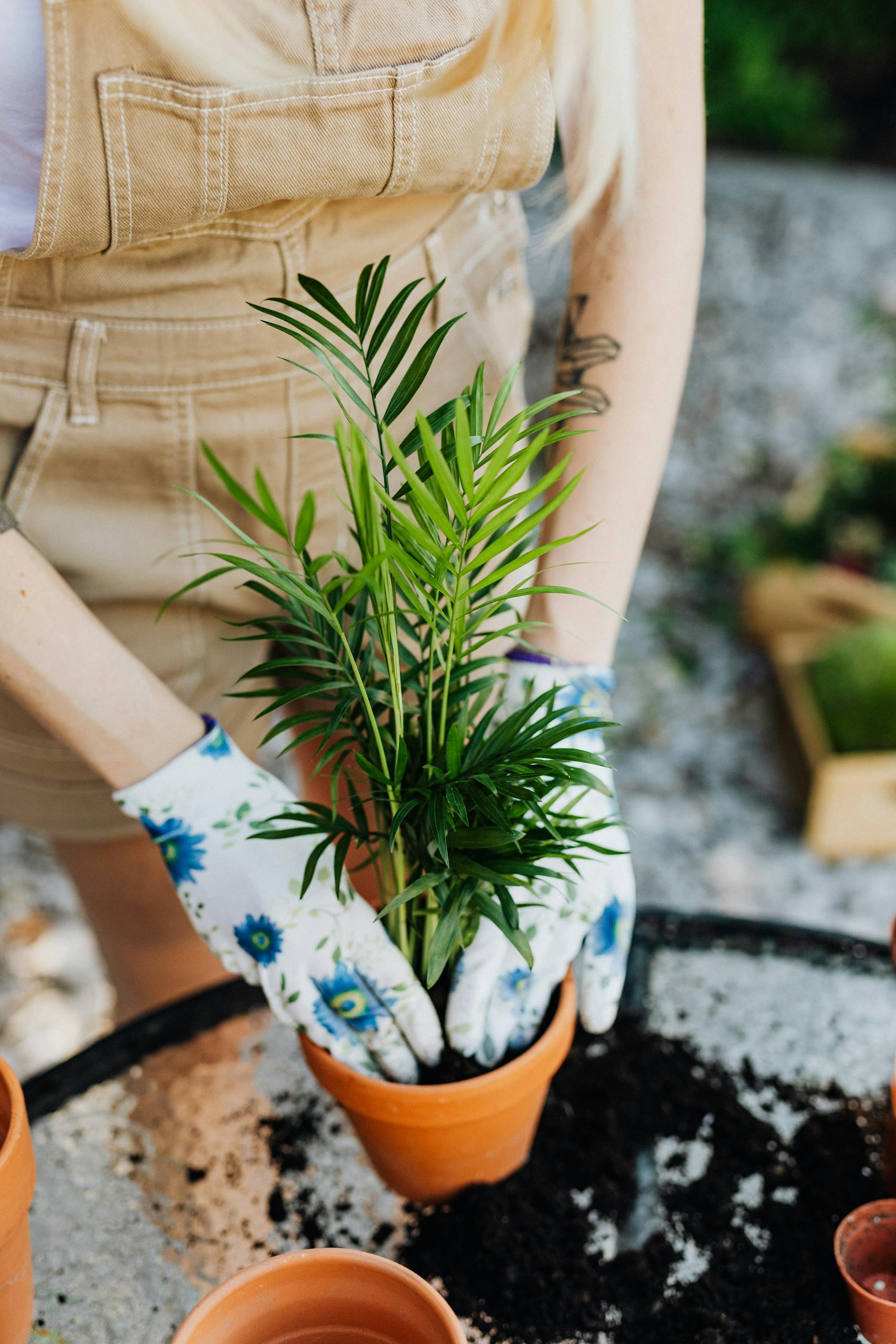
The areca palm, also known as the butterfly palm, is a tropical plant that features long, feathery fronds and a graceful appearance. This plant is safe for pets and adds a touch of elegance to any space. Areca palms thrive in bright, indirect light and can grow to be quite large, making them an excellent addition to spacious rooms or hallways.
Key Features:
- Non-toxic to pets, including cats and dogs.
- Thrives in bright, indirect light.
- Requires regular watering and well-draining soil.
Calathea (Calathea spp.)
Calatheas are stunning houseplants known for their large, decorative leaves with intricate patterns. They come in a variety of colors and sizes, making them perfect for brightening up any room. Calatheas are safe for pets and are excellent at purifying indoor air, which benefits both you and your pets.
Key Features:
- Pet-safe and non-toxic to both cats and dogs.
- Prefers medium to low light conditions.
- Needs regular watering to keep the soil consistently moist.
Prayer Plant (Maranta leuconeura)
The prayer plant is another pet-friendly option that brings color and interest to your home. This plant is known for its vibrant, patterned leaves that fold up at night, resembling hands in prayer. It is completely safe for pets, making it a wonderful addition to homes with both cats and dogs.
Key Features:
- Safe for pets, including cats and dogs.
- Prefers indirect light and moderate humidity.
- Needs consistent watering and a well-draining pot.
Bamboo Palm (Chamaedorea seifrizii)
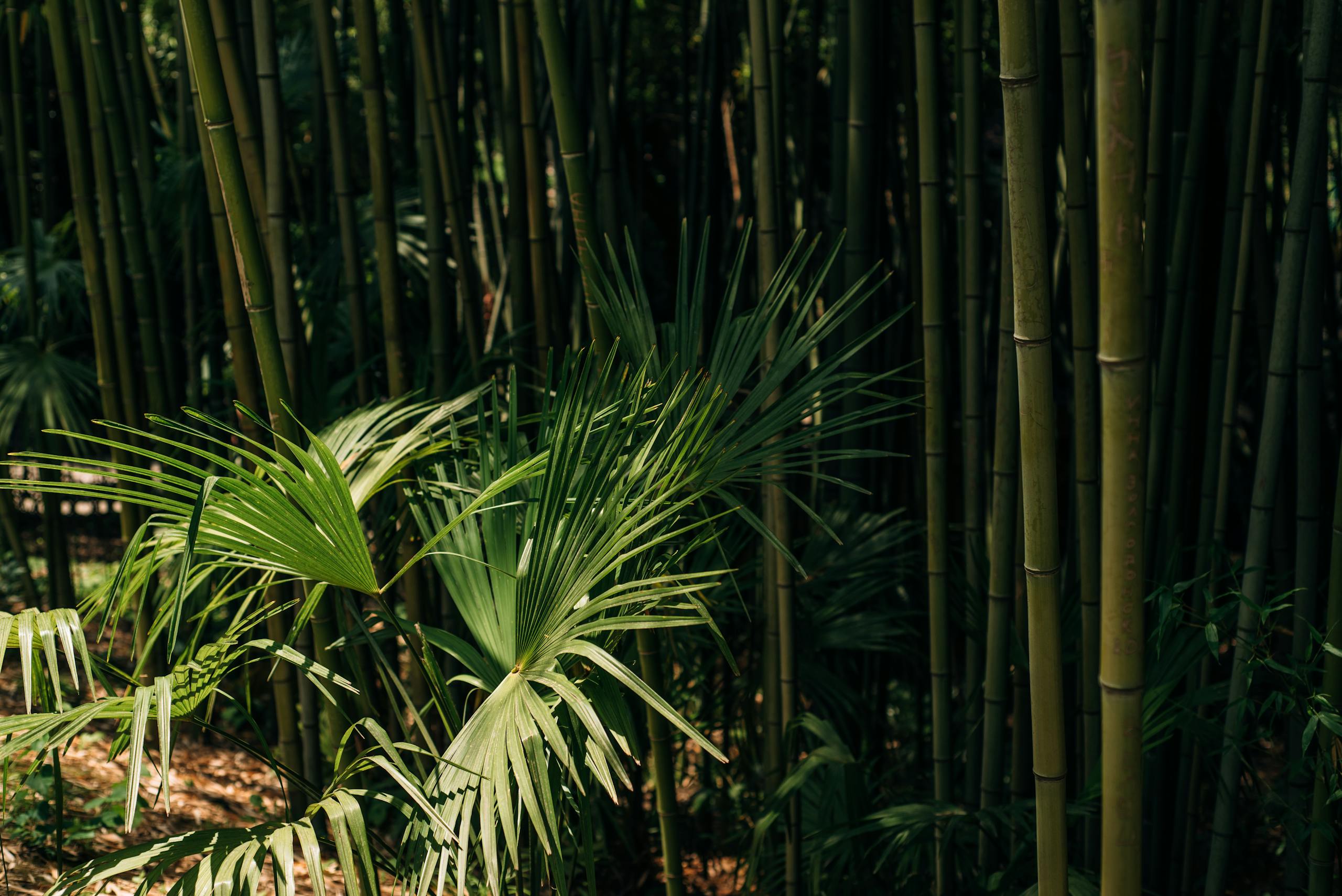
Bamboo palms are an excellent option for pet owners, as they are non-toxic to both cats and dogs. This plant has elegant, feathery foliage that can grow up to several feet tall, making it an ideal choice for brightening up any space. Bamboo palms are also known for their ability to improve air quality, making them a great addition to any home.
Key Features:
- Safe for pets.
- Thrives in bright, indirect light and requires regular watering.
- Helps purify indoor air by filtering out toxins.
Parlor Palm (Chamaedorea elegans)
The parlor palm is a low-maintenance, pet-safe plant that thrives in low to medium light conditions. Its elegant fronds make it a popular choice for indoor spaces. This palm is an excellent option for pet owners because it is not only safe for cats and dogs but also easy to care for, even for those with little gardening experience.
Key Features:
- Non-toxic to pets.
- Prefers low to medium light and is very adaptable.
- Requires occasional watering and occasional misting for humidity.
Ponytail Palm (Beaucarnea recurvata)
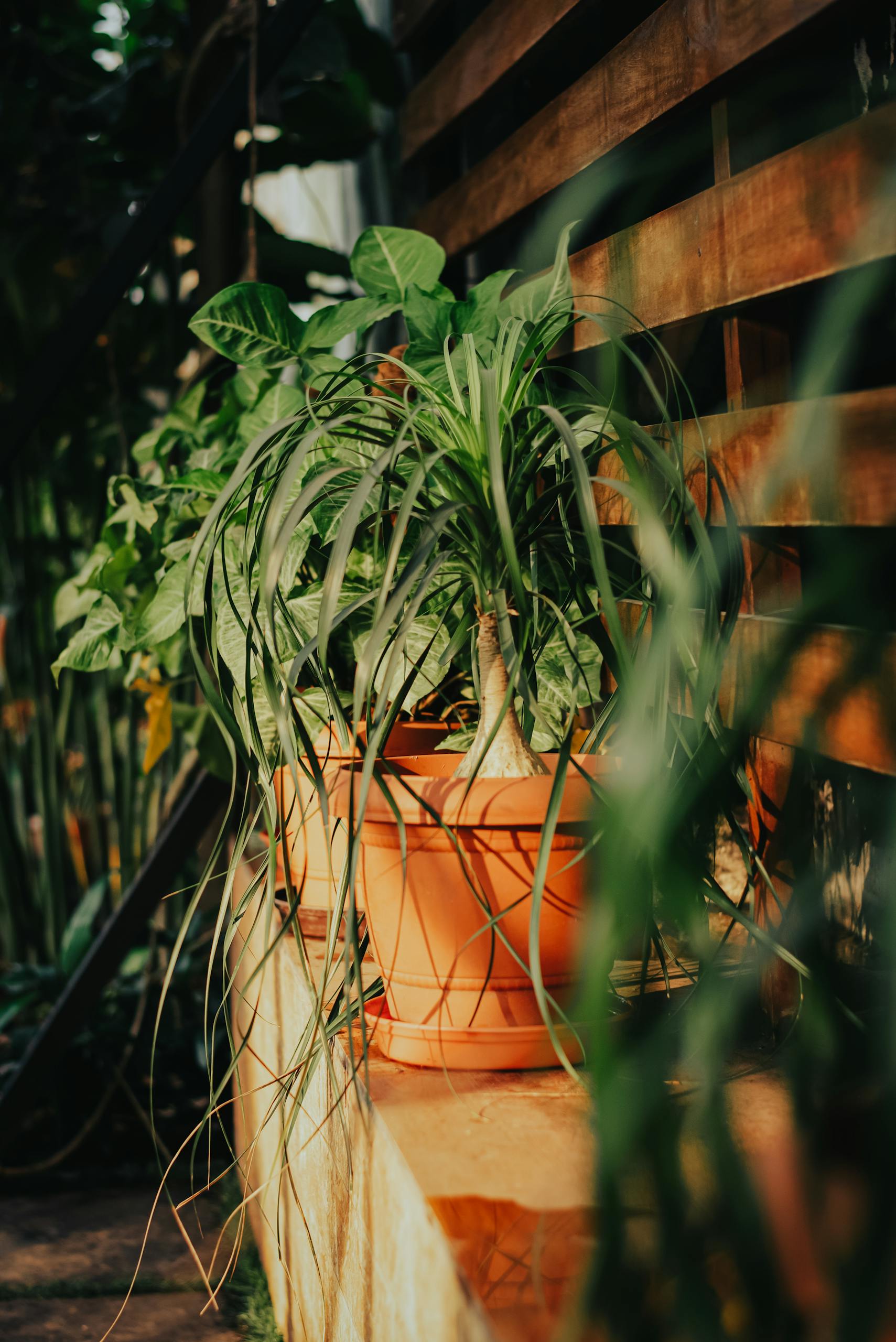
The ponytail palm, known for its distinctive bulbous base and long, arching leaves, is another excellent pet-safe option. Despite its name, the ponytail palm is actually a succulent and requires very little care. This plant is a great choice for pet owners because it is non-toxic and can tolerate a range of light conditions.
Key Features:
- Safe for cats and dogs.
- Requires minimal watering and thrives in bright, indirect light.
- Adaptable to various indoor conditions.
Benefits of Pet-Friendly Houseplants
Improved Air Quality
Many pet-safe houseplants also act as natural air purifiers, improving indoor air quality by removing harmful toxins like formaldehyde and benzene.
Plants such as the bamboo palm, spider plant, and areca palm help to refresh the air in your home, creating a healthier environment for both you and your pets.
Aesthetic Appeal
In addition to their health benefits, pet-safe plants can also enhance the beauty of your home. Whether you’re looking for vibrant foliage or elegant fronds, there are many varieties to choose from. Incorporating greenery into your indoor space adds a natural touch that can complement any décor style, from modern minimalist to bohemian chic.
Reduced Stress and Anxiety
Houseplants have been shown to reduce stress and anxiety levels in humans. Pets can also benefit from the calming effects of indoor plants, as the presence of greenery has been linked to lower stress levels in animals.
Having safe, non-toxic plants around the house provides a relaxing environment for both you and your pets.
How to Care for Pet-Friendly Plants
While choosing pet-safe plants is crucial, it’s equally important to know how to care for them properly. Each plant has specific needs regarding light, water, and humidity. Here are some general tips to help ensure your plants thrive:
- Light: Most pet-friendly plants prefer bright, indirect light. Avoid placing plants in direct sunlight, as this can scorch their leaves.
- Watering: Regular watering is essential, but be cautious not to overwater. Ensure the soil has proper drainage to prevent root rot.
- Humidity: Many plants, especially tropical varieties, require higher humidity levels. Use a humidifier or mist your plants to maintain a healthy environment.
- Fertilizing: Feed your plants with a balanced fertilizer during the growing season (spring and summer) to encourage healthy growth.
Common Toxic Houseplants to Avoid
To further protect your pets, it’s important to know which plants are toxic and should be avoided. Some common toxic houseplants include:
- Dieffenbachia (Dumb Cane)
- Sago Palm
- Aloe Vera
- Peace Lily
- English Ivy
- Philodendron
These plants can cause severe reactions in pets, ranging from mild symptoms like drooling to more serious health issues such as liver damage. Always research any plant before bringing it into your home to ensure it is safe for your pets.
Conclusion
Adding houseplants to your home is a great way to introduce nature and enhance the aesthetics of your living space. However, as a pet owner, it’s essential to choose plants that are safe for your furry friends.
By selecting pet-friendly options like the spider plant, Boston fern, and prayer plant, you can create a beautiful and safe environment for both you and your pets. With proper care and attention, your pet-safe plants can thrive and contribute to a healthier, happier home.
Read the original article in Crafting Your Home.